

![Oxalis corniculata, the creeping woodsorrel, procumbent yellow sorrel[2] or sleeping beauty, is a somewhat delicate-appearing, low-growing herbaceous plant in the family Oxalidaceae. Oxalis corniculata is a small creeping type of woodsorrel that tends to grow well in moist climates.[3] It resembles the common yellow woodsorrel, Oxalis stricta.](https://knowledgeaayurveda.com/wp-content/uploads/2026/02/chengeri.webp)
![Bacopa monnieri, also known as water hyssop,[1] brahmi,[2] thyme-leafed gratiola, herb of grace,[2] and Indian pennywort, is a perennial, creeping herb native to wetland areas globally.[](https://knowledgeaayurveda.com/wp-content/uploads/2026/02/brahmi.avif)

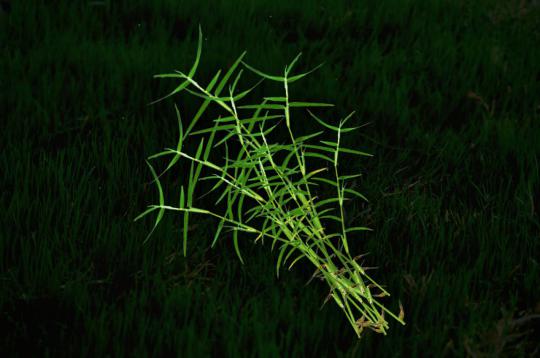
Cynodon dactylon, Poaceae
Introduction
Durva, also known as Doob Grass, is one of the most sacred and powerful medicinal plants in Ayurveda. It is commonly found all over India and is widely used in religious rituals as well as natural medicine.
In Ayurveda, Durva is valued for its cooling, healing, and blood-purifying properties. It is especially beneficial in bleeding disorders, urinary problems, skin diseases, and digestive issues.
Botanical Information
| Feature | Details |
|---|---|
| Scientific Name | Cynodon dactylon |
| Family | Poaceae |
| Common Names | Durva, Doob Grass, Bermuda Grass |
| Plant Type | Perennial Grass |
| Habitat | Fields, Gardens, Roadsides |
Durva spreads easily on the ground and grows throughout the year.
Ayurvedic Properties of Durva
| Property | Description |
|---|---|
| Rasa (Taste) | Sweet, Astringent |
| Guna (Quality) | Light, Soft |
| Virya (Potency) | Cold |
| Vipaka | Sweet |
| Dosha Effect | Balances Pitta & Kapha |
Because of its cooling nature, Durva is very helpful in heat-related problems.
Health Benefits of Durva
1. Controls Bleeding
Durva is well-known for stopping bleeding. It is useful in:
- Nosebleeds
- Piles bleeding
- Heavy menstrual bleeding
- Wounds and cuts
Fresh Durva juice helps in clot formation and healing.
2. Improves Digestive Health
Durva helps in:
- Treating acidity
- Reducing stomach heat
- Improving appetite
- Relieving indigestion
It cools the digestive system naturally.
3. Supports Urinary Health
Durva is beneficial in:
- Burning urination
- Urinary infections
- Kidney heat
- Frequent urination
It works as a natural diuretic.
4. Purifies Blood
Durva helps remove toxins from the blood and improves skin health.
Useful in:
- Acne
- Pimples
- Rashes
- Allergies
5. Heals Wounds and Skin Problems
Durva paste helps in:
- Faster wound healing
- Reducing swelling
- Treating eczema
- Relieving itching
6. Controls Blood Sugar
Some traditional uses suggest that Durva helps in managing blood sugar levels when used regularly in small amounts.
7. Strengthens Immunity
Durva improves natural immunity and helps protect the body from infections.
8. Reduces Body Heat
Due to its cooling nature, Durva is excellent for:
- Heat stroke
- Excess sweating
- Burning sensation
- Summer weakness
Uses of Durva in Ayurveda
1. Fresh Juice (Swarasa)
Most powerful form of Durva.
Used for:
- Bleeding disorders
- Urinary problems
- Acidity
2. Powder (Churna)
Made from dried grass.
Used for:
- Digestion
- Immunity
- Detoxification
3. Paste (Lepa)
Applied externally.
Used for:
- Wounds
- Burns
- Skin diseases
4. Decoction (Kadha)
Prepared by boiling Durva.
Used for:
- Fever
- Weak digestion
- Urinary disorders
Dosage of Durva
| Form | Dosage |
|---|---|
| Fresh Juice | 10–20 ml daily |
| Powder | 2–3 grams |
| Decoction | 20–40 ml |
| Paste | External use |
Always consult an Ayurvedic doctor before long-term use.
Side Effects of Durva
Durva is very safe when used properly. However, excess use may cause:
- Cold feeling
- Weak digestion
- Low appetite
- Increased mucus
People with weak digestion should use carefully.
Precautions
- Avoid excessive use in winter
- People with low body temperature should use in small amounts
- Pregnant women should consult doctor
- Do not use polluted roadside grass
Always wash Durva properly before use.
Religious and Cultural Importance
Durva is sacred in Hinduism and is mainly offered to Lord Ganesha.
It symbolizes:
- Purity
- Prosperity
- Long life
- Positive energy
It is believed that offering Durva brings peace and success.
How to Identify Durva Plant
- Thin green leaves
- Creeping stems
- Spreads on ground
- Soft texture
- Grows in clusters
Very common in lawns and gardens.
Home Remedies Using Durva
For Nosebleed
Drink 1 spoon fresh Durva juice with honey.
For Acidity
Mix Durva juice with water and drink in the morning.
For Wounds
Apply fresh Durva paste.
For Heat Stroke
Drink Durva juice with sugar candy.
Conclusion
Durva (Cynodon dactylon) is a powerful Ayurvedic herb that helps control bleeding, cool the body, improve digestion, purify blood, and heal wounds. It is safe, easily available, and highly effective when used properly.
For best results, always use clean, fresh grass and follow expert guidance.
Vernacular names
Bengli : Durva
English : Creeping Cynodon, Conch Grass
Gujarati : Khadodhro, Lilidhro, Dhro
Hindi : Doob
Kannada : Garike Hullu
Malayalam : Koruka Pullu
Marati : Doorva, Hariyalee, Harlee
Punjabi : Dubada
Tamil : Aruvam Pullu
Telugu : Garika, Pacchgaddi
Urdu : Doob Ghas, Doob
