

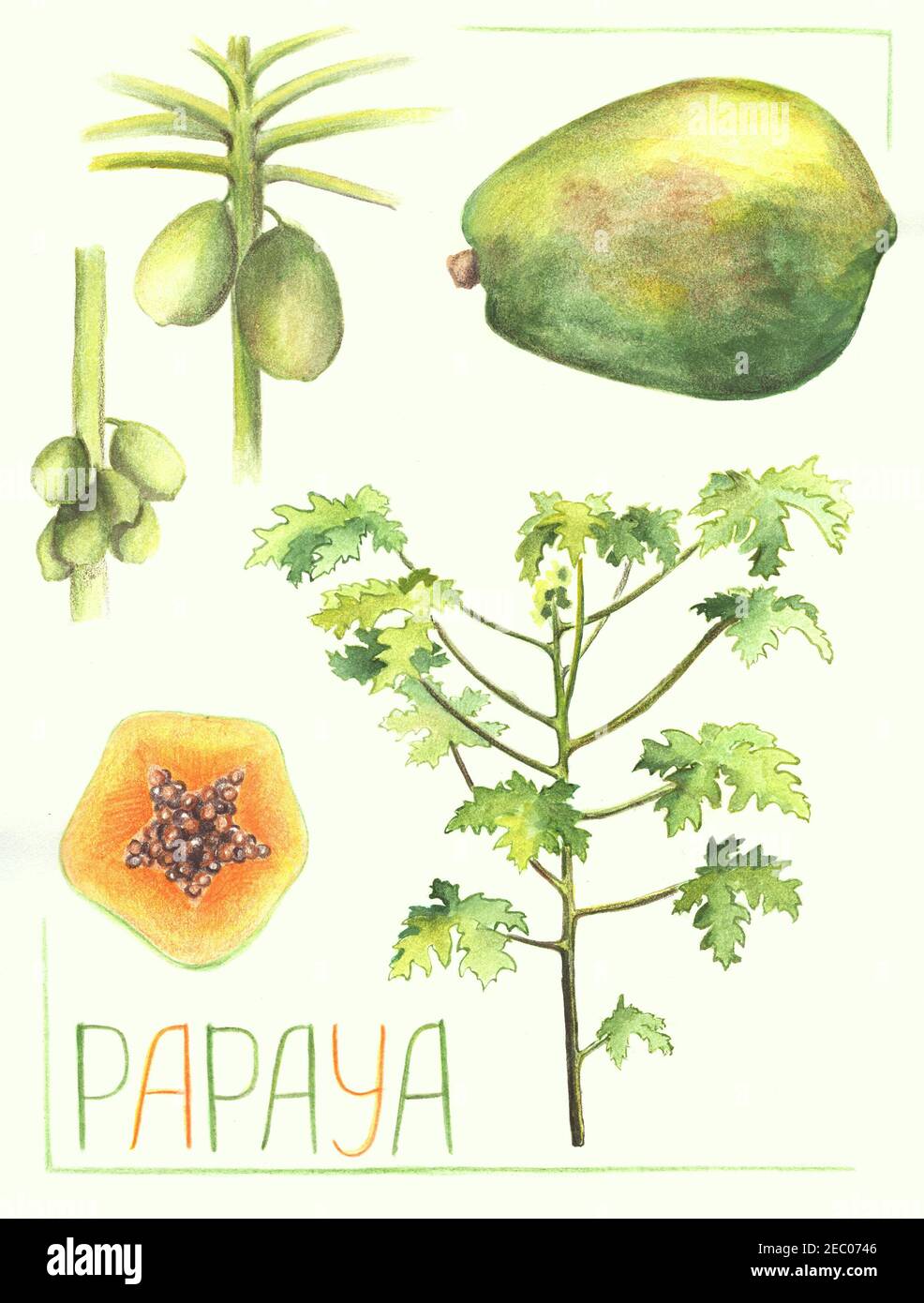

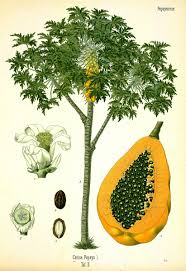
Carica papaya,
Caricaceae
Introduction
Erandakarkati is an important medicinal plant in Ayurveda. It is botanically known as Luffa acutangula and is commonly called Ridge Gourd or Turai. Besides being a popular vegetable, it is also valued for its digestive, detoxifying, and respiratory benefits.
In Ayurveda, Erandakarkati is mainly used to balance Kapha and Pitta dosha and to support liver, digestion, and skin health.
Botanical Information
| Feature | Details |
|---|---|
| Scientific Name | Luffa acutangula |
| Family | Cucurbitaceae |
| Common Names | Erandakarkati, Ridge Gourd, Turai |
| Plant Type | Climbing Vine |
| Habitat | Tropical and Subtropical Regions |
The plant bears long, green, ribbed fruits and grows on climbers.
Ayurvedic Properties of Erandakarkati
| Property | Description |
|---|---|
| Rasa (Taste) | Sweet, Bitter |
| Guna (Quality) | Light, Dry |
| Virya (Potency) | Cold |
| Vipaka | Sweet |
| Dosha Effect | Balances Kapha & Pitta |
Due to its cooling and light nature, it is very useful in heat-related and digestive disorders.
Health Benefits of Erandakarkati
1. Improves Digestion
Erandakarkati helps in:
- Reducing acidity
- Improving appetite
- Relieving constipation
- Preventing bloating
It keeps the digestive system clean and active.
2. Supports Liver Health
This herb helps detoxify the liver and supports proper bile secretion. It is useful in:
- Fatty liver
- Weak digestion
- Toxin accumulation
3. Helps in Respiratory Disorders
Erandakarkati is beneficial in:
- Cough
- Asthma
- Bronchitis
- Chest congestion
Its juice and decoction help clear mucus.
4. Purifies Blood
It removes toxins from the blood and improves skin health.
Useful in:
- Acne
- Pimples
- Rashes
- Allergies
5. Supports Weight Management
Being low in calories and rich in fiber, it helps in:
- Reducing excess fat
- Improving metabolism
- Controlling appetite
6. Improves Skin and Hair Health
Regular use supports:
- Clear skin
- Reduced hair fall
- Better hydration
- Natural glow
7. Helps in Urinary Disorders
Erandakarkati works as a mild diuretic and helps in:
- Burning urination
- Urinary infections
- Water retention
Uses of Erandakarkati in Ayurveda
1. Fresh Juice (Swarasa)
Used for liver disorders, digestion, and detox.
2. Vegetable Form
Cooked ridge gourd is used as a medicinal diet.
3. Decoction (Kadha)
Prepared from fruit or seeds for respiratory problems.
4. Paste (Lepa)
Used externally for skin problems.
Dosage of Erandakarkati
| Form | Dosage |
|---|---|
| Fresh Juice | 10–20 ml daily |
| Powder | 2–3 grams |
| Decoction | 20–40 ml |
| Vegetable | As food regularly |
| Paste | External use |
Consult an Ayurvedic doctor before long-term medicinal use.
Side Effects of Erandakarkati
Erandakarkati is generally safe when used properly. However, excess use may cause:
- Loose motions
- Cold sensation
- Weak digestion
- Abdominal discomfort
Very bitter fruits should not be consumed.
Precautions
- Avoid overuse in winter season
- People with weak digestion should use moderately
- Avoid raw bitter fruits
- Pregnant women should consult a doctor
- Always wash properly before use
How to Identify Erandakarkati Plant
- Long, green, ribbed fruits
- Yellow flowers
- Climbing vine with tendrils
- Rough textured skin
- Soft seeds inside
Commonly grown in home gardens and farms.
Active Compounds (Phytochemicals)
Erandakarkati contains:
- Flavonoids
- Saponins
- Tannins
- Alkaloids
- Dietary fiber
- Vitamins A, C, and B-complex
These compounds provide antioxidant and detoxifying effects.
Home Remedies Using Erandakarkati
For Liver Detox
Drink 1 spoon fresh juice with water in the morning.
For Acidity
Eat lightly cooked ridge gourd regularly.
For Cough
Take decoction with honey (under guidance).
For Skin Problems
Apply paste on affected area.
Traditional Importance
In Ayurveda, Erandakarkati is considered a pathya (wholesome food) for people suffering from digestive and liver disorders. It is often included in therapeutic diets.
Conclusion
Erandakarkati (Luffa acutangula) is a valuable Ayurvedic medicinal plant and healthy vegetable that supports digestion, liver function, respiratory health, blood purification, and weight management.
When used properly as food and medicine, it provides safe and long-lasting health benefits.
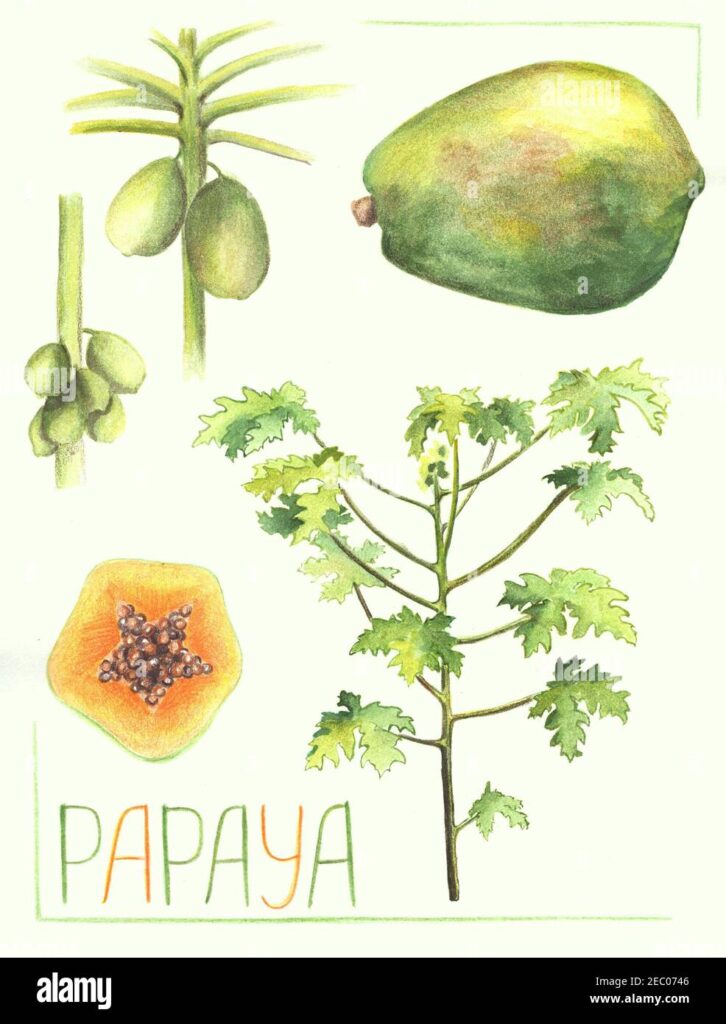
Vernacular names
Bengali : Papeyaa, Pappiyaa
English : Papaya, Melon tree, Pawpaw
Gujarati : Erandakaakadi, Papaiyu, Papita
Hindi : Papitaa
Kannada : Pirangi, Pappaay
Malayalam : Karmaasu, Pappaay, Karumatti
Marati : Papaayaa, Papai
Punjabi : Erandakharbujaa
Tamil : Pappali
Telugu : Boppayi, Bobbaasi, Paringi
