











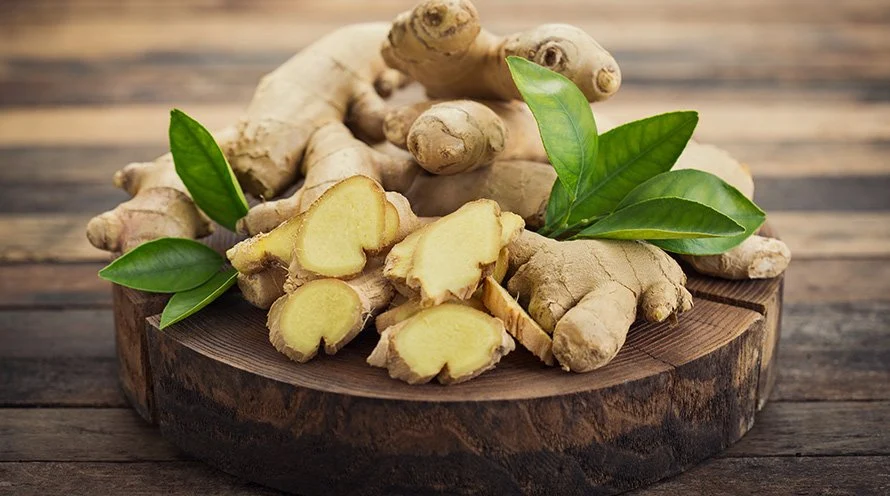
Zingiber officinale
Introduction
Ginger is one of the most widely used medicinal and culinary herbs in the world. It has been used for thousands of years in traditional systems like Ayurveda, Chinese medicine, and Unani medicine. Known for its warm, spicy taste and strong aroma, ginger is highly valued for its digestive, anti-inflammatory, and immune-boosting properties.
The underground stem (rhizome) of the plant is the main part used for both food and medicine.
Ginger is a widely used medicinal and culinary herb known for its strong aroma, spicy taste, and powerful healing properties. It has been an important part of traditional medicine systems such as Ayurveda, Chinese, and Unani medicine for thousands of years. The rhizome (underground stem) of the plant is the main part used for both cooking and medicinal purposes.
Traditionally, ginger is valued for its ability to support digestion, relieve nausea, and treat common ailments like cold and cough. It contains active compounds such as gingerol, which give it anti-inflammatory and antioxidant properties. These compounds help improve overall health and protect the body from various diseases.
Due to its wide range of benefits and easy availability, ginger continues to be one of the most important herbs used in daily life for maintaining health and well-being.
Botanical Description
- Scientific Name: Zingiber officinale
- Family: Zingiberaceae
- Plant Type: Perennial herb
- Part Used: Rhizome (underground stem)
- Taste: Pungent and spicy
- Nature: Hot
Common Names
- English: Ginger
- Hindi: Adrak
- Sanskrit: Ardraka (fresh), Shunthi (dry)
Nutritional Value
Ginger contains:
- Vitamins: Vitamin C, Vitamin B6
- Minerals: Magnesium, Potassium
- Bioactive compounds like gingerol (main active component)
Traditional Uses
1. Digestive Health
Ginger is widely used to:
- Improve digestion
- Reduce gas and bloating
- Relieve indigestion
2. Nausea and Vomiting
It is highly effective in:
- Motion sickness
- Morning sickness
- Nausea
3. Cold and Cough Relief
Ginger helps:
- Treat cold and cough
- Soothe sore throat
- Boost immunity
4. Anti-inflammatory and Pain Relief
Ginger reduces inflammation and helps in:
- Joint pain
- Muscle pain
- Arthritis
5. Blood Circulation
It improves:
- Blood flow
- Heart health
6. Weight Management
Ginger may help:
- Boost metabolism
- Support weight loss
7. Blood Sugar Control
It may assist in:
- Regulating blood sugar levels
Ayurvedic Perspective
In Ayurveda, ginger is considered a powerful herb:
- Rasa (Taste): Pungent
- Virya (Potency): Hot
- Effect on Dosha: Balances Vata and Kapha
It is often called a “universal medicine” for digestion.
Methods of Use
- Fresh Ginger: Used in cooking and tea
- Dry Ginger Powder: Used in herbal remedies
- Ginger Tea: For cold and digestion
- Juice: Mixed with honey
Precautions
- Excess use may cause acidity
- Use carefully during pregnancy (in large amounts)
- May interact with blood-thinning medicines
Side Effects
- Heartburn (in excess)
- Mild stomach irritation
Conclusion
Ginger is a powerful and versatile herb with a long history of medicinal use. From improving digestion to boosting immunity, it offers numerous health benefits. Its importance in both traditional and modern medicine makes it an essential natural remedy for maintaining overall health and well-being.
Ginger is a highly valuable medicinal herb known for its wide range of health benefits and long history of traditional use. It is especially effective in supporting digestion, relieving nausea, reducing inflammation, and boosting immunity. Its natural compounds, particularly gingerol, make it a powerful remedy for many common health conditions.
In addition to its medicinal uses, ginger is also an important part of daily diet and cooking, making it both a functional food and a natural medicine. When used in proper amounts, it is generally safe and beneficial for overall health.
Overall, ginger stands out as a simple yet powerful herb that promotes wellness, making it an essential part of traditional and modern healthcare practices.

Ginger is one of the most widely used and respected herbs in both traditional and modern medicine. Known for its warming, anti-inflammatory, and digestive properties, it’s a go-to remedy for everything from nausea and colds to joint pain and circulation issues.
Key Uses & Benefits of Ginger:
Digestive Support
- Relieves indigestion, bloating, and gas.
- Stimulates saliva and digestive juices—great before meals.
- Helps with motion sickness, morning sickness, and nausea of all kinds.
Anti-Inflammatory & Pain Relief
- Contains gingerols, which reduce inflammation and pain.
- Beneficial for arthritis, muscle pain, and menstrual cramps.
- Natural alternative to NSAIDs (like ibuprofen).
Immune-Boosting & Cold Relief
- Fights off infections, especially respiratory ones like colds and sore throats.
- Encourages sweating, helping to break a fever.
- Eases cough, congestion, and mucus buildup.
Circulatory & Heart Health
- Improves blood circulation and may help lower blood pressure.
- Supports heart health and may reduce cholesterol levels.
Mental Clarity & Energy
- Its stimulating nature may help improve alertness and reduce fatigue.
How to Use Ginger:
- Ginger Tea – Excellent for digestion, cold relief, or daily wellness.
- Fresh Root – Add to food, smoothies, or chew raw for nausea.
- Capsules or Extracts – For concentrated anti-inflammatory or motion sickness support.
- Essential Oil – Used in massage oils for warming sore muscles.
Precautions:
- Generally very safe in culinary amounts.
- High doses may cause heartburn or thinning of blood—use with caution if on blood thinners.
- Consult a doctor before using during pregnancy in large amounts.
Ginger is a powerful, warming herb that supports digestion, relieves inflammation, and strengthens the body’s natural defenses—truly a root of wellness.
