

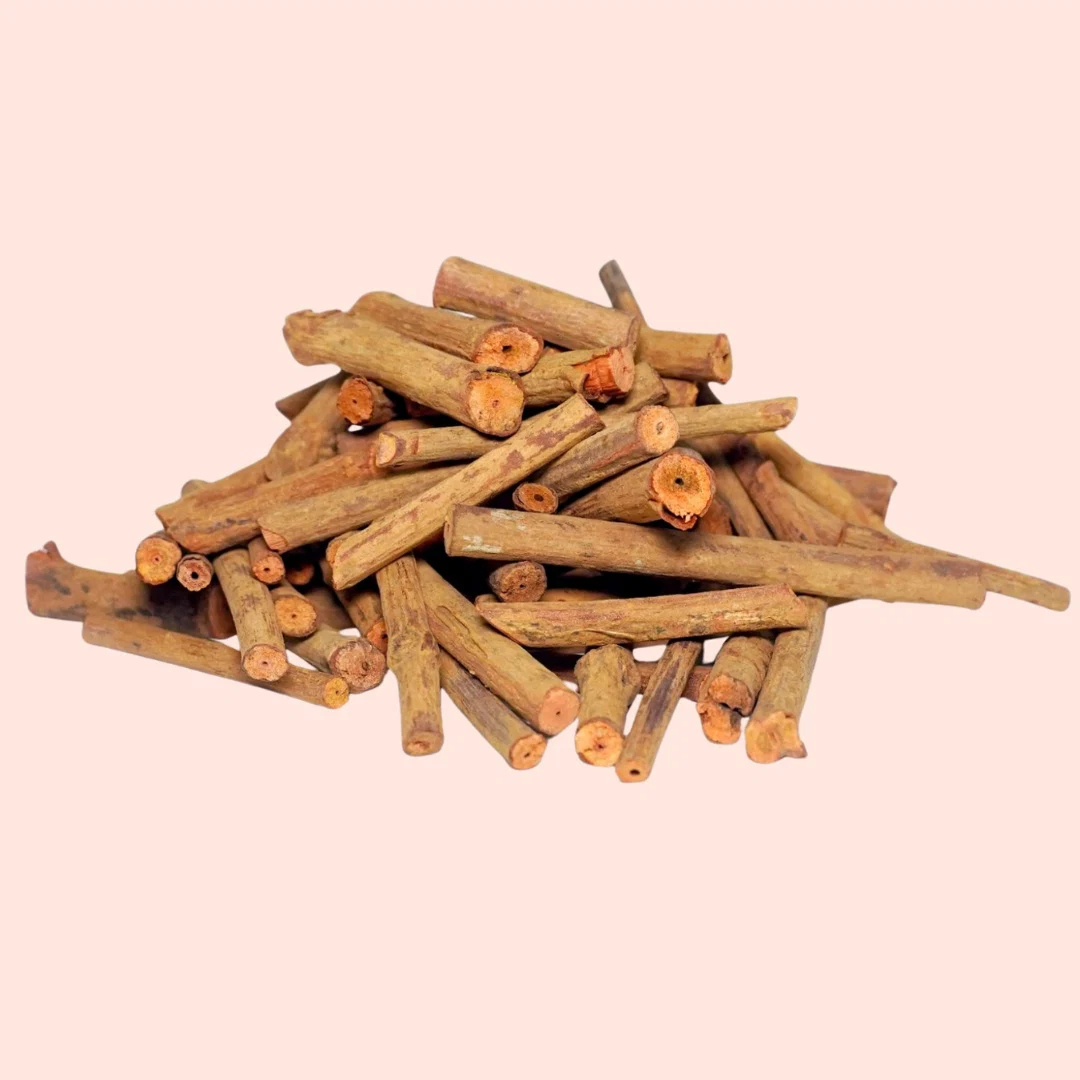
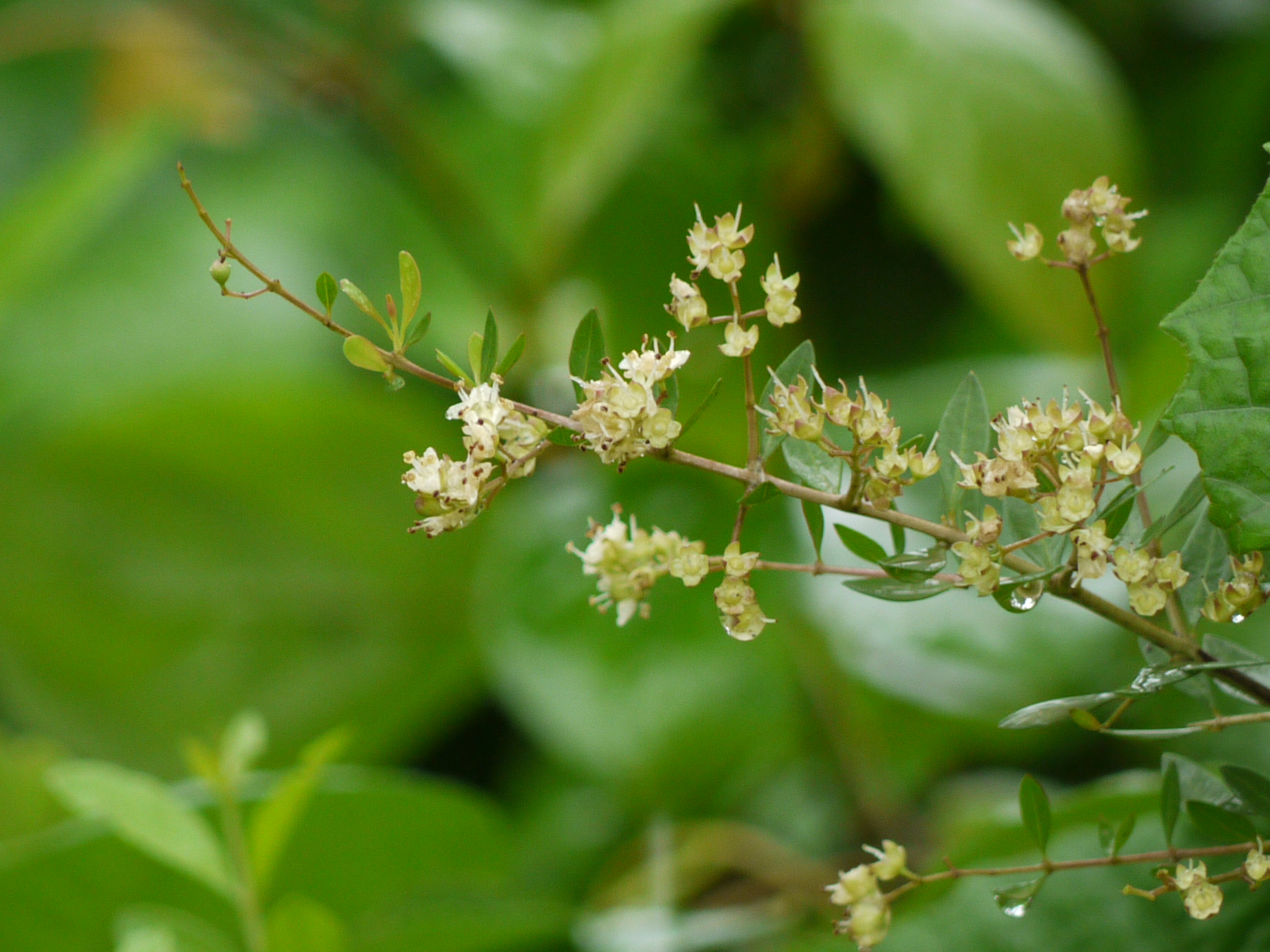

Cassia fistula, Caesalpiniaceae
Introduction
Cassia fistula, commonly known as Aragvadha, is one of the most important medicinal trees in Ayurveda traditionally valued for supporting digestion, detoxification, bowel regularity, skin health, and overall wellness naturally. The name Aragvadha means “disease remover” in Sanskrit, reflecting its long-standing reputation as a powerful cleansing and purifying herb in traditional Ayurvedic medicine.
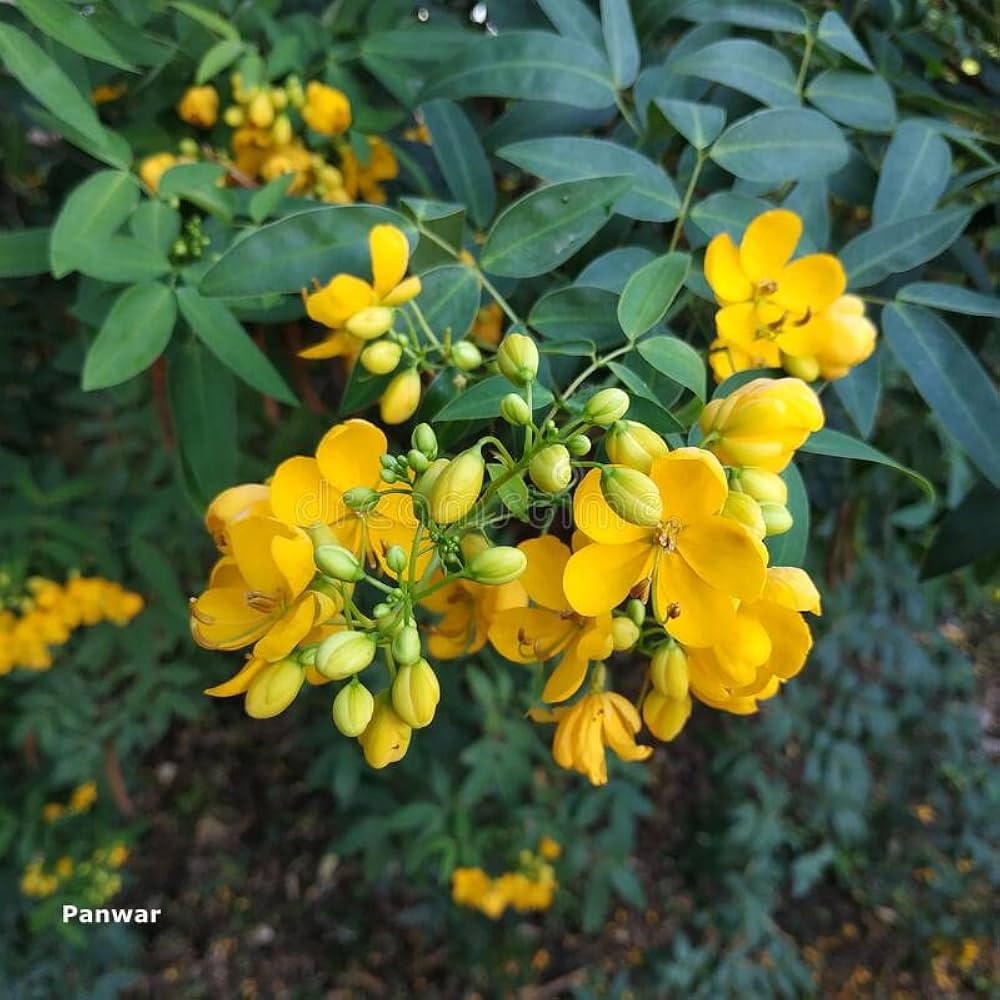
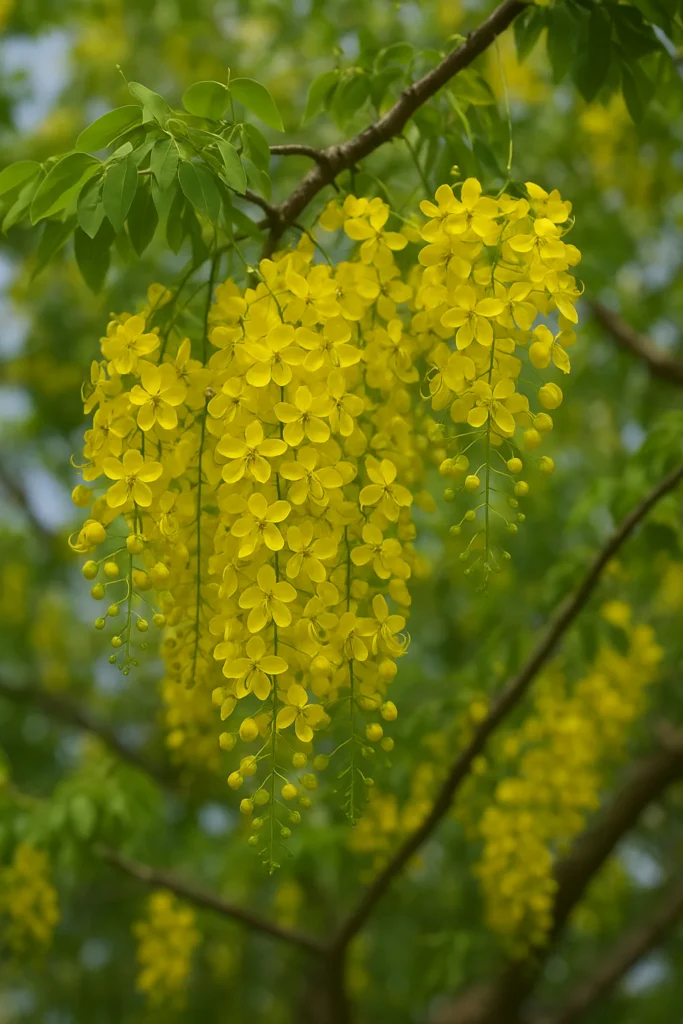
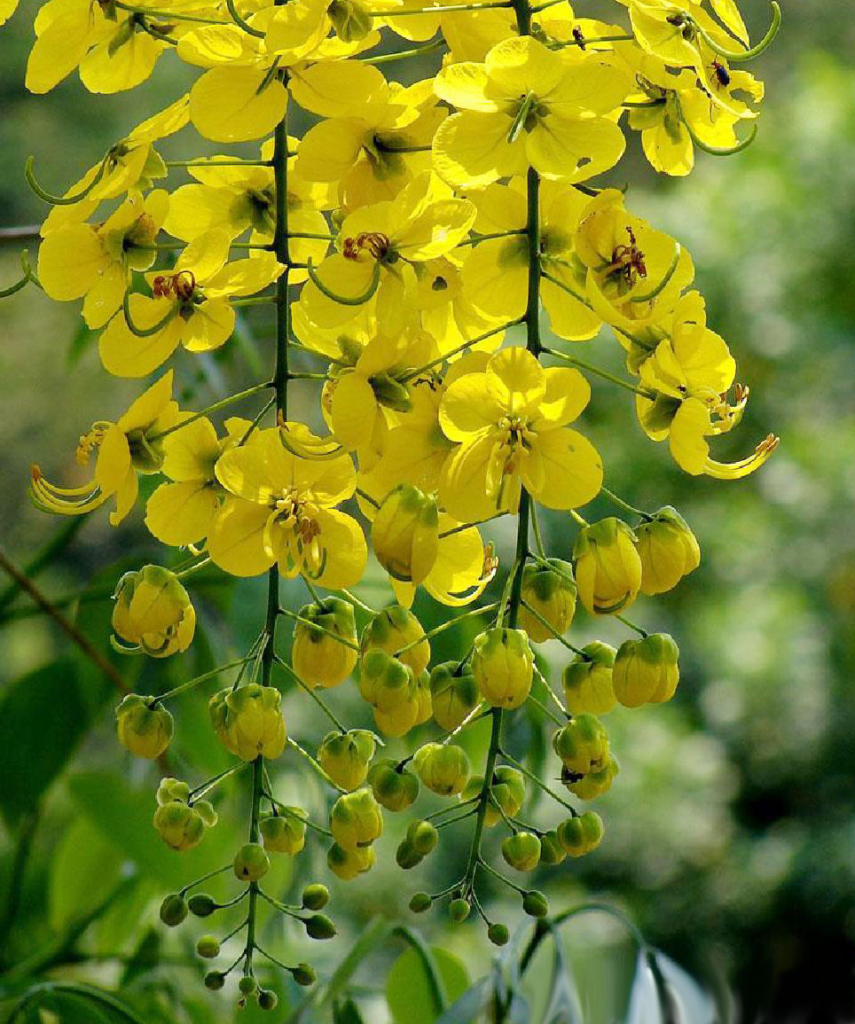
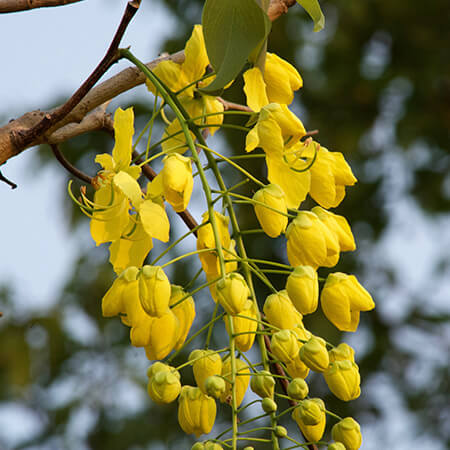
Aragvadha belongs to the Fabaceae family and is widely recognized for its beautiful golden-yellow flower clusters, earning it the common English name Golden Shower Tree. The tree is native to the Indian subcontinent and has been used for centuries in Ayurvedic formulations aimed at supporting healthy elimination, cleansing the body, balancing Pitta, and maintaining digestive harmony.
Ayurveda highly appreciates Aragvadha for its mild laxative, detoxifying, cooling, and blood-purifying properties. The fruit pulp is the most commonly used medicinal part and is traditionally employed to support healthy bowel movements and natural detoxification processes.
Aragvadha is traditionally associated with:
- Digestive wellness
- Natural detoxification
- Healthy bowel regularity
- Skin purification
- Blood cleansing
- Pitta balance
- Liver support
- Internal cleansing
Because of its gentle cleansing action and cooling nature, Aragvadha remains one of Ayurveda’s most trusted herbs for promoting digestive comfort and internal purification naturally.
Welcome to our deep dive into Aragwadhadi Kashayam – Benefits, Dose, Side Effects and Ingredients. If you’ve been scouring the web for an Ayurvedic herbal decoction that can bolster your gut health, improve immunity, and naturally manage infections, you’re in the right place. In this article, we’ll talk about Aragwadhadi Kashayam uses, share practical tips on how to prepare it at home, and highlight side effects you need to watch out for.
But more importantly, by the end of this introduction, you should know what this kashayam is all about, why it’s been trusted in Ayurveda for centuries, and whether it might be right for you.
Scientific Classification of Aragvadha
| Category | Details |
|---|---|
| Scientific Name | Cassia fistula |
| Family | Fabaceae |
| Common Names | Aragvadha, Golden Shower Tree, Indian Laburnum |
| Plant Type | Deciduous medicinal tree |
Vernacular Names of Aragvadha
| Language | Name |
|---|---|
| Sanskrit | Aragvadha |
| Hindi | Amaltas |
| English | Golden Shower Tree |
| Bengali | Sonalu |
| Gujarati | Garamalo |
| Tamil | Kondrai |
| Telugu | Rela |
| Malayalam | Kanikonna |
| Kannada | Kakke |
| Marathi | Bahava |
| Urdu | Amaltas |
Botanical Description of Aragvadha
Aragvadha is a medium-sized deciduous tree famous for its striking yellow flowers and medicinal fruit pods.
Root System
The tree possesses:
- Strong taproot system
- Extensive lateral roots
- Deep anchorage
Stem and Bark
The stem is:
- Erect and robust
- Covered with grayish-brown bark
- Moderately rough in texture
Leaves
The leaves are:
- Compound and pinnate
- Bright green
- Smooth and broad
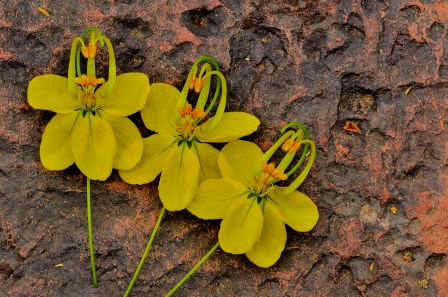
Flowers
The tree produces:
- Long hanging clusters
- Bright golden-yellow flowers
- Fragrant seasonal blooms
The flowering season creates spectacular ornamental displays.
Fruits
The fruits are:
- Long cylindrical pods
- Dark brown to black when mature
- Filled with sweet medicinal pulp
The fruit pulp is the primary medicinal part used in Ayurveda.
What is Aragwadhadi Kashayam?
Aragwadhadi Kashayam is a traditional Ayurvedic decoction (kashayam) combining several potent herbs. The star ingredient here is “Aragvadha” – known scientifically as Cassia fistula. Other complementary ingredients work in synergy to enhance digestion, clear toxins, and support respiratory health. This formula has its roots in classical Ayurvedic texts and is often prescribed for:
- Respiratory issues like sinusitis, cough, and cold
- Skin disorders – eczema, psoriasis, acne
- Constipation and digestive imbalances
- Detoxification and immune support
Why You Should Care about this Ayurvedic Decoction
In our modern world, where we tend to overuse antibiotics and chemical medicines, a gentle yet effective herbal remedy can be a lifesaver. Aragwadhadi Kashayam offers a holistic approach: it doesn’t just mask symptoms, it aims to get to the root cause. Plus, if you love a DIY project, making kashayam at home can be mindful and satisfying.
Ingredients and Their Roles
Below is a breakdown of each ingredient in the formula, so you know exactly what you’re sipping and why.
1. Aragvadha (Cassia fistula)
This is the marquee act. Aragvadha is renowned in Ayurveda for its:
- Deepana (digestive stimulant): revs up your digestive fire.
- Anulomana (laxative): gentle relief from constipation.
- Shodhana (detoxifier): clears ama (toxins) from the body.
Ever tried a Cassia coffee? No? Well, most folks haven’t, but trust me, its anti-inflammatory process is the real perk.
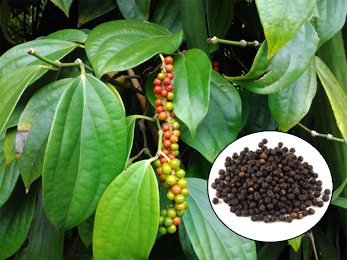
2. Trikatu (Black pepper, long pepper, ginger)
A fiery trio that adds punch. Trikatu increases bioavailability of the whole formula, so all herbs work better together.
How to Prepare Aragwadhadi Kashayam at Home
Making your own Ayurvedic decoction is surprisingly straightforward. A little early-morning kitchen chore that pays dividends in health. Here’s a simple method:
Step-by-Step Recipe
- Measure herbs: typically 5–10 g coarse powder of the combined ingredients.
- Add to water: use about 240–300 ml of clean water.
- Boil & reduce: gently simmer until volume reduces to half (stir occasionally, yeah, a bit tedious).
- Strain: cool slightly, then strain and discard residue.
- Optional sweetener: add jaggery or honey, especially if you can’t handle the slightly bitter taste.
Tips & Tricks
- Always use fresh water and ideally organic herbs.
- Store leftover kashayam in the fridge for up to 24 hours. Don’t rehear — fresh is best.
- Adjust consistency by adding hot water if it’s too thick for your liking.
Therapeutic Benefits of Aragwadhadi Kashayam
When you sip this herbal brew, you’re getting a powerhouse blend that acts on multiple fronts.
1. Digestive Health
Aragwadhadi Kashayam is a classic choice for persistent indigestion and constipation. For instance, my aunt used it during a month-long Ayurvedic cleanse. She reported smoother bowel movements within days — sometimes it’s that quick (though results do vary person to person).
2. Skin Conditions
Many people with eczema or acne-prone skin find relief. Cleansing the gut often shows up on the skin as reduced inflammation and fewer breakouts. Quick anecdote: a friend’s teenager friend (yes, friend squared) saw calmer skin in three weeks of daily kashayam intake.
Dosage Guidelines & Timing
Proper dosage ensures you get the benefits while staying safe. As with all Ayurvedic remedies, individual needs vary. Consulting an Ayurvedic practitioner is highly recommended, but here’s a general guideline:
Standard Dose
- Adults: 30–60 ml, once or twice daily, on an empty stomach.
- Children (above 6 years): 10–20 ml, once daily.
Timing & Combinations
Best taken in early morning and/or before bed. If your stomach is super sensitive, have a light snack first. Sometimes Ayurvedic practitioners also pair it with ghee or honey for specific conditions.
Potential Side Effects & Precautions
Nothing’s without risk, even herbal treatments. Here are some things to watch out for:
Mild Laxative Effect
Aragvadha can be a strong purgative for some. If you overshoot 60 ml, you might get more frequent stools than desired. Tread slowly if you’re new to it.
Allergic Reactions
- Rare, but if you’re allergic to Cassia species or pepper, skip it.
- Discontinue if you notice rashes, itching, or breathing issues.
Note: Pregnant and breastfeeding women should only use it under professional advice.
Comparisons & Real-life Scenarios
To really get a sense of Aragwadhadi Kashayam, let’s compare it to more familiar remedies:
Vs. Over-the-counter Laxatives
- OTC brands often cause cramping; this kashayam is gentler.
- Natural synergy vs. single active ingredient.
Vs. Antibiotics for Infections
- Antibiotics can mess up gut microbiome; herbs support overall balance.
- Better suited for mild infections or as supportive therapy.
Integrating Aragwadhadi Kashayam into Lifestyle
Consistency is key in Ayurveda. Here are fun, practical ways to add kashayam to your routine:
Morning Ritual
- Rise, sip warm water, then kashayam 30 minutes before breakfast.
- Follow with light yoga or pranayama – your digestive fire gets an extra boost!
Evening Wind-down
- Have kashayam an hour before bed to clear toxins and promote good sleep.
- Pair with a warm foot soak or abhyanga (self-massage) for ultimate relaxation.
FAQs
- Q: Can children take Aragwadhadi Kashayam?
A: Yes, but at a reduced dose (around 10–20 ml once daily), and preferably under a practitioner’s care. - Q: How long before I see results?
A: Some notice change in digestion within 3–5 days; skin improvements may take 2–4 weeks. - Q: Can I store kashayam?
A: Keep in the fridge up to 24 hours. Reheat gently or add warm water before sipping. - Q: Are there any drug interactions?
A: Generally safe, but if you’re on blood thinners or other potent meds, check with your doctor. - Q: What sweetener is best?
A: Jaggery or raw honey (added after cooling) complements the herbal taste without dampening efficacy.
Medicinal Uses
- Eczema: Leaves of aragavadha
fine paste applied over the skin
lesions once in a day is effective
in curing ring worm infection and
eczema.
- Worm infestation: 10ml of
aragavadha leaves juice is given
in empty stomach for 5-6 days
helps to relieve intestinal worms
effectively. - Constipation: 15-20gms of
aragavadha bark powder cooked
in 100ml of water till it reduced
to 1/4th. This decoction is orally
consumed daily once to relieve
constipation, distention of
abdomen and chronic diseases
due to vitiation of blood. - Purgative: 3-4 inches of the
mature fruit pulp de-seeded and soaked in water overnight . In the morning ,this water is taken with little jaggery. This relieves gaseous distention by 2-3 safe purging. - Jaundice: A fist full of tender leaf
buds yellow coloured flowers of
aragavadha are taken and soup
is made by adding salt, jaggery
and pepper. This soup is not only
whole some diet and also cures
jaundice. - Aguesia: Aragavadha pulp is
useful in loss of taste due to
excessive use of cocaine. 25gms
of fruit pulp is mixed with 250ml
of hot milk and used as a mouth
wash regularly is beneficial.
Conclusion
Aragwadhadi Kashayam is a time-tested Ayurvedic formula that ticks many boxes: digestive health, skin clarity, respiratory support, and more. The benefits are rooted in centuries of practice, but that doesn’t mean they’re outdated. On the contrary, modern life’s stresses make herbal solutions like this even more valuable.
Of course, Ayurveda is a holistic system. While kashayam can be a hero, always pair it with a balanced diet, proper sleep, and mindful living. If in doubt, get personalized guidance from a qualified Ayurvedic practitioner.
Cassia fistula, commonly known as Aragvadha or Amaltas, is one of Ayurveda’s most respected cleansing and detoxifying herbs. Traditionally valued for supporting digestion, bowel regularity, skin health, blood purification, and natural detoxification, Aragvadha plays an important role in maintaining internal balance and overall wellness.
Its gentle laxative, cooling, and purifying properties make it especially beneficial for digestive sluggishness, occasional constipation, heat-related imbalance, and cleansing therapies. For centuries, Aragvadha has remained a trusted Ayurvedic remedy for promoting healthy elimination, digestive harmony, and natural detoxification, helping support a cleaner, healthier, and more balanced body naturally.
