

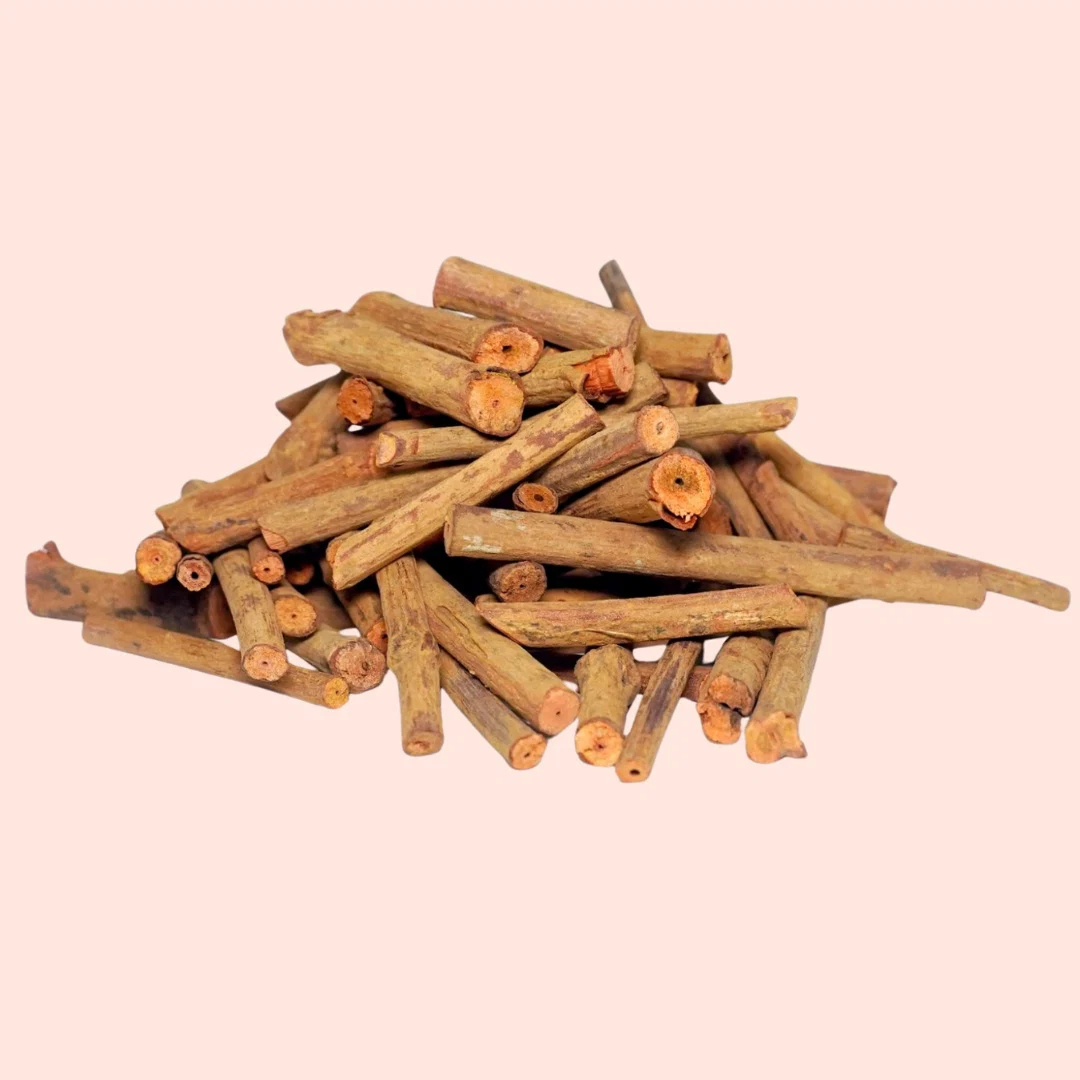
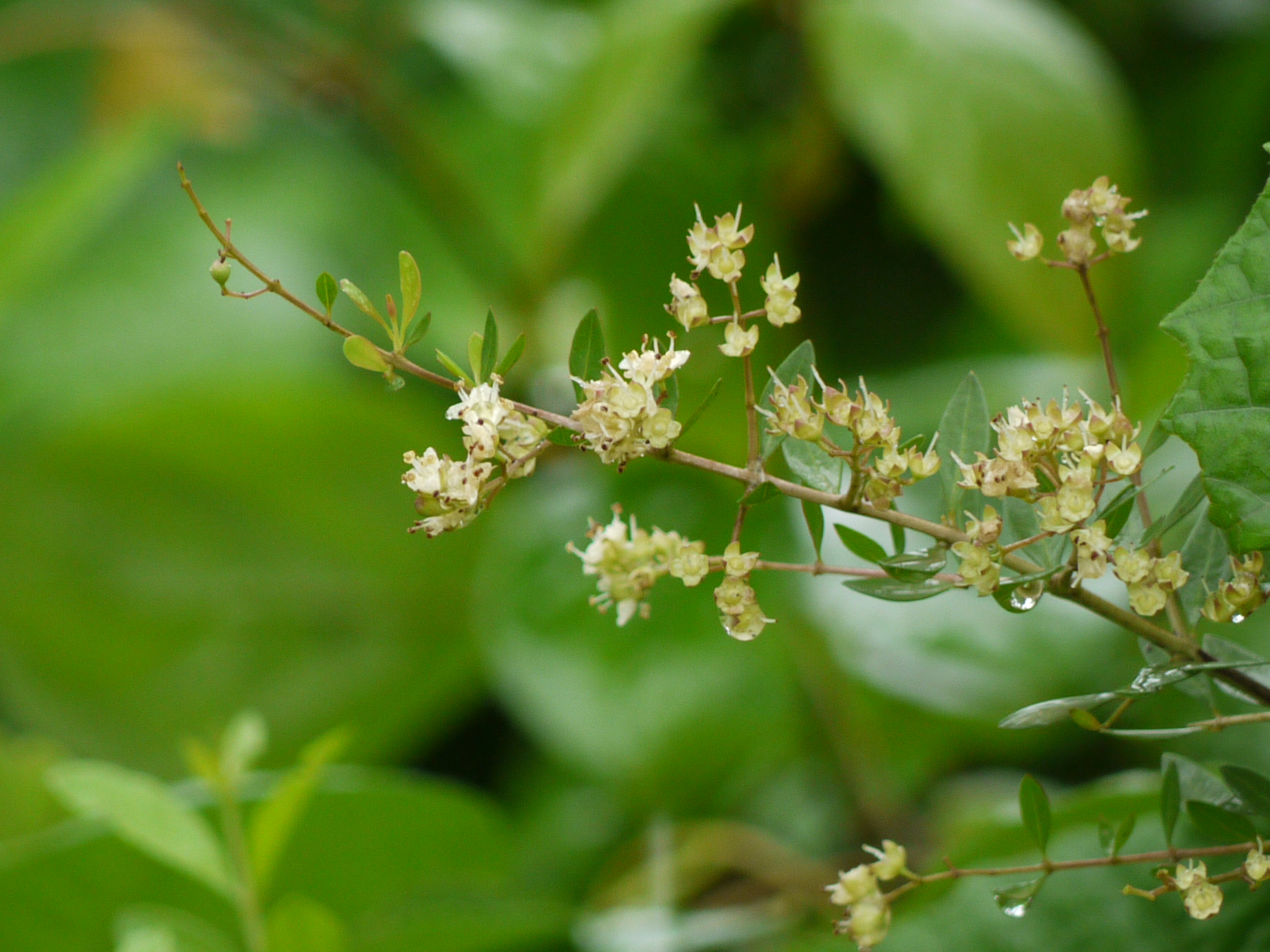

Sapindus mukorossi, Sapindaceae
Introduction
Arishtaka, scientifically known as Sapindus mukorossi, is a well-known Ayurvedic plant commonly referred to as Soapnut or Reetha. It is widely valued for its natural cleansing properties and medicinal benefits, especially for skin, hair, and respiratory health.
Arishtaka, scientifically known as Sapindus mukorossi, is a well-known herb in Ayurveda, commonly referred to as Reetha or Soapnut. It is widely valued for its natural cleansing properties and has been used for centuries as a herbal alternative to chemical-based soaps and shampoos.
In traditional Ayurvedic practice, Arishtaka is not only used for maintaining hair and skin health but also for its medicinal benefits. Its fruits contain natural saponins, which produce a gentle lather and effectively remove dirt, oil, and impurities without harming the skin or scalp.
Apart from its external uses, Arishtaka is also known for its antimicrobial and therapeutic properties, making it beneficial in managing certain skin conditions and respiratory issues. Its eco-friendly nature and wide range of applications make it an important herb in both traditional and modern natural care systems.
Botanical Description
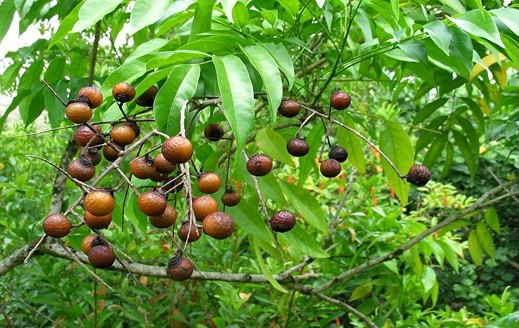
Arishtaka is a medium to large deciduous tree found in tropical and subtropical regions of India.
- Scientific Name: Sapindus mukorossi
- Family: Sapindaceae
- Common Names: Reetha, Soapnut, Soapberry
Key Features
- Height: 12–20 meters
- Leaves: Pinnate and compound
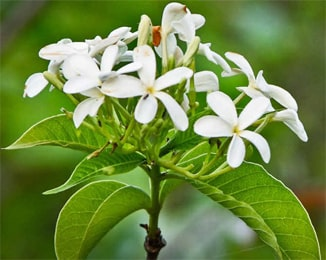
- Flowers: Small, greenish-white
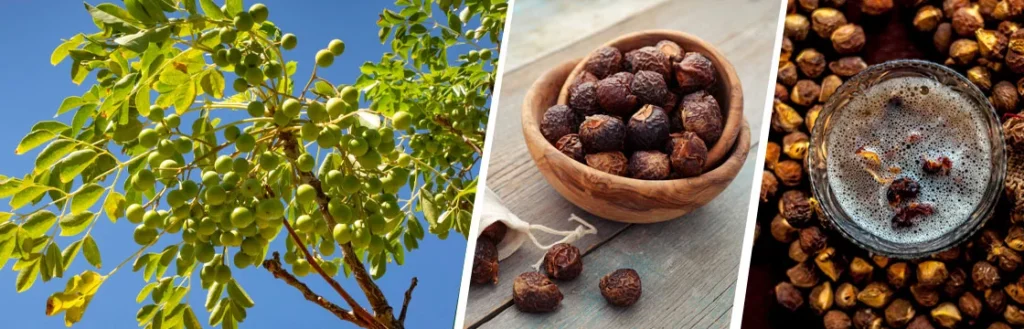
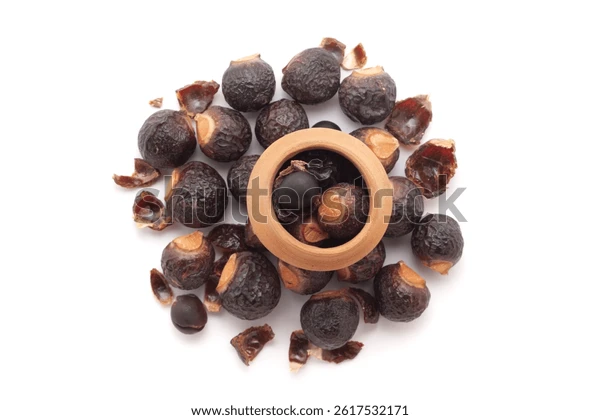
- Fruits: Round, brown, and sticky when wet (rich in saponins)
Ayurvedic Properties
- Rasa (Taste): Bitter, Astringent
- Guna (Qualities): Light, Dry
- Virya (Potency): Slightly heating
- Vipaka: Pungent
- Dosha Effect: Balances Kapha and Vata
Health Benefits
1. Natural Cleanser for Hair
Arishtaka is widely used as a natural shampoo that cleanses the scalp and promotes healthy hair.
2. Improves Skin Health
Its antibacterial properties help treat skin infections, acne, and itching.
3. Helps in Respiratory Disorders
Used in managing conditions like cough and asthma.
4. Anti-dandruff Action
Removes dandruff and keeps the scalp clean.
5. Antimicrobial Properties
Helps fight infections due to its natural saponins.
6. Eco-friendly Cleaning Agent
Used for washing clothes and utensils naturally.
Traditional Uses in Ayurveda
- Used as shampoo for hair care
- Decoction used for skin diseases
- Used in respiratory disorders
- Included in herbal cleansing preparations
Modern Scientific Insights
Arishtaka contains saponins, which give it natural cleansing, antifungal, and antibacterial properties. It is widely used in herbal cosmetics and eco-friendly products.
How to Use Arishtaka
1. Hair Wash (Reetha Water)
Soak and boil fruits, then use the liquid as shampoo.
2. Powder Form
Used for skin and hair cleansing.
3. Decoction
Used for medicinal purposes.
Precautions
- Avoid contact with eyes (may cause irritation)
- Use in proper dilution
- Not for excessive internal use
Conclusion
Arishtaka is a versatile Ayurvedic herb known for its natural cleansing and medicinal properties. Its benefits for hair, skin, and hygiene make it an essential and eco-friendly component of traditional and modern natural care.
Arishtaka (Sapindus mukorossi), commonly known as Reetha, is a highly versatile and valuable herb in Ayurveda, widely appreciated for its natural cleansing and therapeutic properties. Its rich content of saponins makes it an excellent eco-friendly alternative to chemical-based products, especially for maintaining healthy hair and skin.
Traditionally, Arishtaka has been used not only as a natural shampoo and cleanser but also for managing skin conditions, dandruff, and certain respiratory issues. Its antimicrobial and antifungal properties help protect the body from infections while maintaining hygiene in a gentle and natural way.
In addition to its external applications, Arishtaka also plays a role in promoting overall well-being through its detoxifying and purifying effects. Its ability to cleanse without causing harm makes it particularly suitable for long-term use in daily care routines.
However, due to its strong cleansing action, it should be used in proper dilution and with care, especially to avoid irritation in sensitive areas like the eyes. Internal use should be done only under expert guidance.
Incorporating Arishtaka into a natural lifestyle not only supports personal health but also contributes to environmental sustainability. Its traditional importance, combined with its modern relevance as a natural and eco-friendly solution, makes it a valuable herb for holistic care and wellness.
Medicinals Uses
- Menstrual pain (Dysmenorrhea):
The seed of arishtaka (soap nut)
has a small white or greenish
yellow marrow. 5 seeds marrow
paste is administered along with 2
teaspoonful of sesame oil in case
of abdominal pain and menstrual
pain.
- Food poisoning: 5 seeds are
crushed and soaked in 1 litre
of water. This water is given to
drink in the individuals who
are poisoned (internally). This
induces vomiting and hence the
poisonous effects are reduced. - Distention of abdomen: The
paste of soapnut seed marrow
500-600 mg of is mixed with
jaggery and administered
internally twice a day. - Wound: 20gms of fresh bark of
arishtaka is boiled with 200ml of
water till it reduced to 1/4th. This
decoction is used to wash the
wounds. The same decoction is
used for washing gangrene and
get rid of slough, which quickens
healing process. - Eczema: 50 grams of soapnut
fresh leaf paste cooked well
with 100 ml of sesame oil till
the evaporation of moisture.
This oil is used to apply over the
eczematous lesions. - Herpes: 100ml of Fresh Soapnut
juice in 200ml of ghee is cooked
well till complete evaporation
of water content. This ghee is
applied over the lesions of herpes
and chronic itch.
Key Aspects of Arishtaka
- Botanical Identity: Belongs to the Sapindaceae family, with S. mukorossi common in North India and S. trifoliatus in South India.
- Main Constituents: Rich in saponins, which give it its cleansing properties.
- Ayurvedic Uses:
- Cleansing: Natural shampoo, body wash, and detergent.
- Detoxification: Used in remedies for poison and to induce vomiting.
- Skin & Hair: Treats eczema, dandruff, and improves hair health.
- Internal: Can be used for digestive issues, cough, and certain ailments like migraine.
- Other Uses: Jewelers use its soapy water to clean ornaments.
- Caution: Should be used with care, especially by pregnant women or those with sensitive skin.
Common Names
- Hindi: Ritha
- English: Soapnut tree
- Kannada: Kukute kayi
- Telugu: Kunkudu Chettu
Vernacular names
Assamese : Aritha
English : Indian soapnut
Hindi : Risht,Rishtak
Marathi : Phenil,Rinthi,Ritha
Tamil : Punalai, Punthi, Puvanti
Urdu : Phenil
Malayalam : Cavakkaay,Pasakkottamaram,
uruvanchi
Telugu : Kunkuduchettu,Phenilam
Kannada : Amtalakaayi, Norekaayi,
togate mara
Bengali : Ritha
