


Terminalia arjuna, Combretaceae

Introduction
Arjuna, scientifically known as Terminalia arjuna, is one of the most important trees in Ayurveda, especially valued for its powerful effects on heart health. It has been used for centuries as a natural remedy to strengthen the heart and improve cardiovascular function.
Arjuna, scientifically known as Terminalia arjuna, is one of the most important medicinal trees in Ayurveda, especially renowned for its powerful benefits for heart health. For centuries, it has been widely used as a natural remedy to strengthen the heart, improve blood circulation, and maintain overall cardiovascular balance.
Named after the legendary warrior Arjuna from the Indian epic Mahabharata, this herb symbolizes strength and resilience. Its bark, which is the most commonly used part, is rich in therapeutic compounds that support heart function and protect against various cardiac disorders.
In Ayurveda, Arjuna is highly valued for its cooling and astringent properties, which help balance Pitta and Kapha doshas. Beyond heart health, it also offers benefits in wound healing, blood purification, and overall vitality, making it a versatile and essential herb in traditional medicine.
Botanical Description
Arjuna is a large deciduous tree commonly found along riverbanks in India.
- Scientific Name: Terminalia arjuna
- Family: Combretaceae
- Common Names: Arjun Tree, Arjuna Bark
Key Features
- Height: 20–30 meters
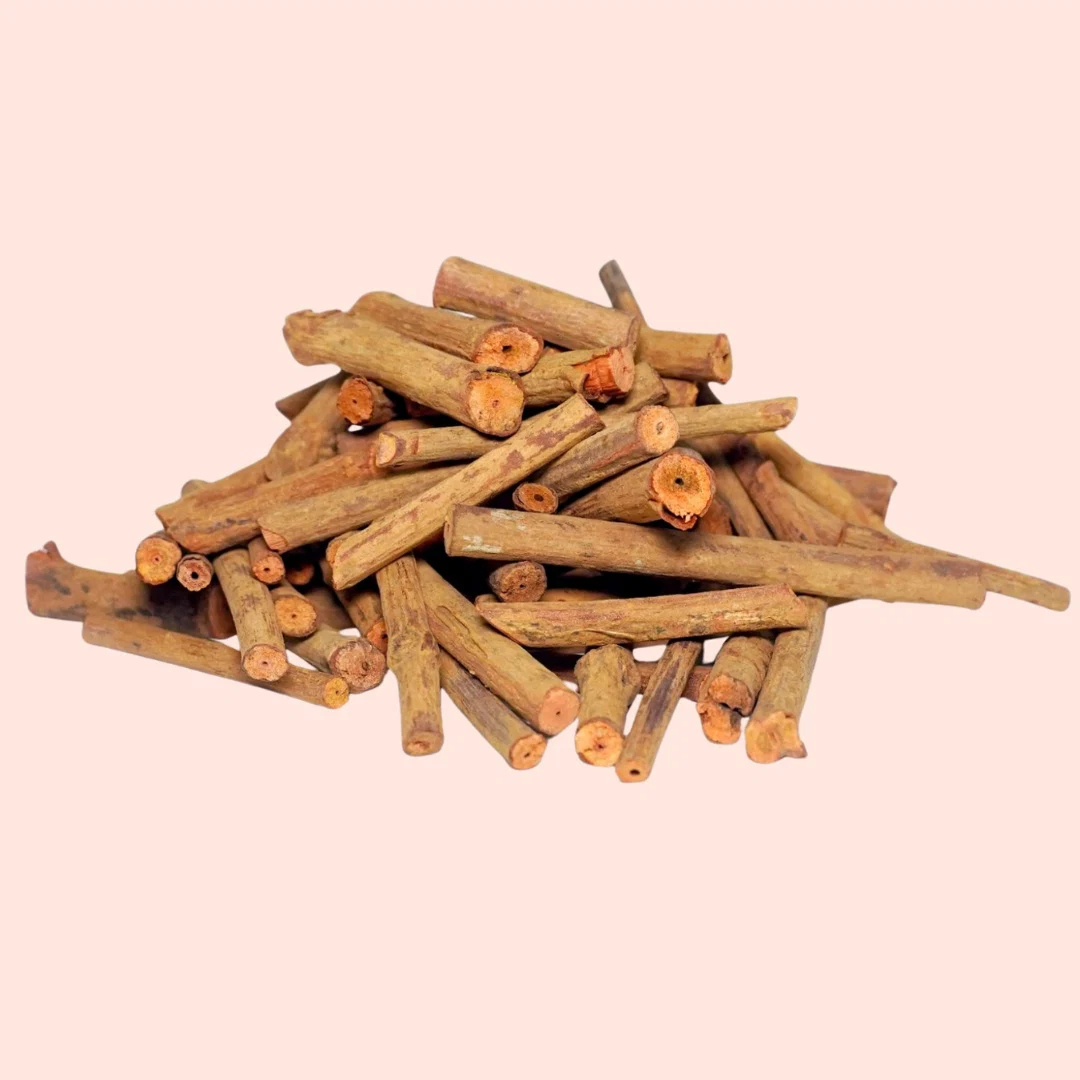
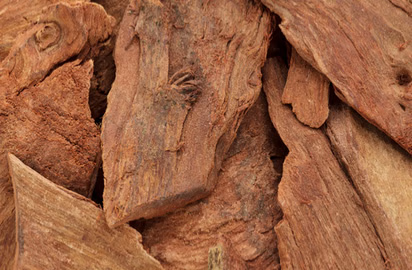
- Bark: Smooth, gray, and thick (medicinal part)
- Leaves: Oblong and shiny
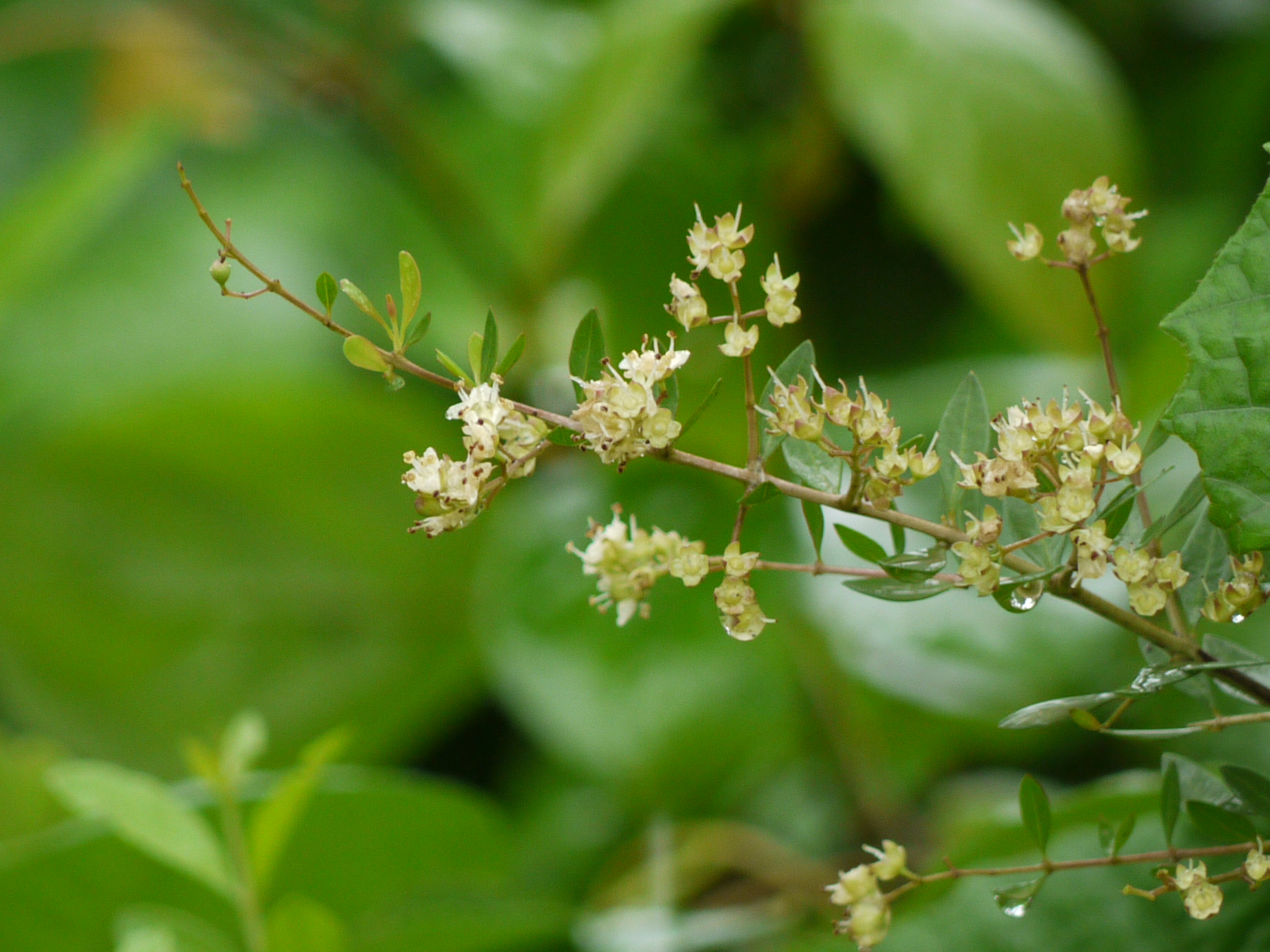
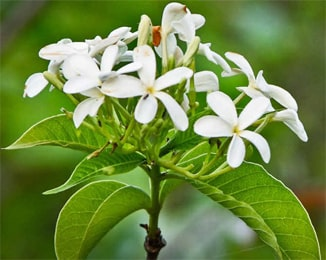
- Flowers: Small, white or yellowish
- Fruits: Winged, fibrous
Ayurvedic Properties
- Rasa (Taste): Astringent, Bitter
- Guna (Qualities): Light, Dry
- Virya (Potency): Cooling
- Vipaka: Pungent
- Dosha Effect: Balances Pitta and Kapha
Top 5 Arjuna Benefits for Heart Health
Here are 5 research-backed benefits of arjuna for heart health:
1. Promotes Healthy Heart Function
Arjuna has been valued for its ability to support the heart’s normal functions. The bark contains natural compounds like flavonoids and tannins that help strengthen heart muscles, improve blood flow, and support a steady heart rhythm.
Because of these properties, arjuna is often used to maintain overall cardiovascular wellness. It helps the heart work efficiently and supports long-term heart vitality.
2. Controls Blood Pressure
Research shows that arjuna plays a supportive role in maintaining healthy blood pressure levels. Its above-mentioned natural compounds help relax and strengthen blood vessels, allowing blood to flow more smoothly throughout the body. This reduces strain on the heart and supports stable pressure levels.2
Arjuna also promotes healthier circulation and may help the body respond better to physical and emotional stress, both of which can influence blood pressure.
3. Fights Inflammation
Inflammation inside the body can damage blood vessels and strain the heart. Arjuna’s natural plant compounds help in reducing internal inflammation.
By lowering inflammatory activity, arjuna supports healthier arteries and improves overall circulatory wellness. This creates a protective effect for the heart and blood vessels.
4. Manages Cholesterol Levels
High cholesterol is one of the major contributors to heart disease. Arjuna has shown potential in helping lower LDL (bad cholesterol) and triglycerides (a type of fat in the body that stores excess energy from the food) while supporting higher HDL (good cholesterol).2
Better cholesterol balance contributes to cleaner arteries and smoother blood circulation. Over time, this helps reduce the risk of blockages and supports better heart performance.
| Must Read: How to Lower Bad Cholesterol, Naturally?
5. Powerful Antioxidant
Arjuna is rich in antioxidants that protect the heart from oxidative stress – damage caused by unstable molecules in the body. These antioxidants help prevent the narrowing of blood vessels, support healthy cell function, and slow down the impact of stress on the heart.
Traditional Uses in Ayurveda
- Bark decoction used for heart diseases
- Powder taken with milk for strength
- Used in cardiac and रक्त (blood) disorders
- Applied externally for wounds
Modern Scientific Insights
Arjuna contains tannins, flavonoids, and coenzyme Q-like compounds that support heart function, reduce cholesterol, and improve blood circulation.
How to Use Arjuna
1. Bark Powder (Churna)
Taken with milk or water.
2. Decoction (Kadha)
Prepared by boiling bark in water.
3. Capsules/Tablets
Available as supplements.
How to use Arjuna
1. Arjuna Leaves or Bark Fresh Paste
a. Take ½ – 1 teaspoon of Arjuna leaves or fresh paste of Arjuna bark (Arjuna chaal).
b. Add honey to it and mix well.
c. Apply evenly on the face and neck.
d. Let it sit for 4-5 minutes.
e. Wash thoroughly with tap water.
f. Use this remedy 1-3 times a week to get rid of acne and pimples.
2. Arjuna Bark (Arjuna chaal) or Leaves Powder
a. Take ½ – 1 teaspoon of Arjuna leaves or fresh powder of Arjuna bark bark.
b. Add milk to it and mix well.
c. Apply evenly on the face and neck.
d. Let it sit for 4-5 minutes.
e. Wash thoroughly with tap water.
f. Use this remedy 1-3 times a week to get rid of hyperpigmentation.
Precautions
- Use under medical supervision
- Avoid excessive intake
- Consult a doctor if on heart medications
Medicinal Uses
- Heart tonic: 5gms of arjuna bark
powder boiled in 100ml of milk till
it reduce to 50ml . Taking orally
this Arjuna milk daily at bed time
is very useful in heart discases.
- Osteoporosis: 10 grams of
arjuna bark powder is boiled in
200ml of water till it reduced to
¼ th and filtered. This decoction
is consumed along with half
a teaspoonful of jaggery and
a teaspoonful of honey. This
is useful for the treatment of
osteoporosis and fatigue caused
during old age. - Hair fall: Mature green leaves of
Arjuna are soaked in water for 2-3
hours and macerated well with
hands. It yields a mucilagenous
mix. It is used for washing the
hairs. It is applied over scalp and
Arjuna Terminalia arjuna, Combretaceae
washed after 30 minutes. This
improves shining and quality of
hair. - Wound: Dusting the arjuna bark
powder over the wounds/ulcers,is
beneficial in fast healing. - Peripheral neuritis: Equal
quantity of Arjuna, Asana
(Pterocarpus marsupium) and
Bilva (bael tree) barks fine
powders mixed well. 3 gms of
this mixture is given in empty
stomach along with a cup of water
for the treatment of peripheral
neuritis or numbness.

Vernacular Names
Assamese : Arjun
Bengali : Arjuna
English : Arjun tree, Arjunolis myrobalan.
Gujrati : Sadad, Arjuna, Sajada
Hindi : Arjuna
Kannada : Matti, Bilimatti, Neermatti,
Mathichakke, Kudare Kivimase
Malayalam : Nirmasuthu, Vellamaruthi,
Kellemasuthu, Mattimora,
Torematti
Marathi : Arjuna, Sadada
Oriya : Arjuna
Punjabi : Arjon
Tamil : Marudam
Telugu : Maddi
Urdu : Arjun
Therapeutic uses
- The bark of Arjun is astringent, sweet, acrid, cooling, aphrodisiac, urinary astringent, and expectorant, but, chiefly used as cardio tonic as it improves blood supply to heart.
- It is also useful in ulcer treatment, fractures, cirrhosis of liver, ischaemic heart disease, and hypertension.
Morphological characteristics
- Arjuna is a large deciduous tree with spreading crown and drooping branches.
- It attains a height of up to 35 m.
- Its bark is thick, grey to pinkish green, smooth, thin, coming off in irregular sheets.
- Leaves are usually sub-opposite, 10–15 cm long, and 4–7 cm broad; base is rounded or heart shaped, often unequal sided; veins are reticulate.
Floral characteristics
- Flowers are sessile and occur in simple or panicled spikes.
- Calyx is glabrous and has five short triangular lobes.
- Fruit is a fibrous-woody drupe, about 2.5–5 cm in size.
- It is dark brown when mature and has five hard, projecting, veined wings.
- Flowering occurs from May to June, while fruits mature from January to March.
Distribution
- The species is common in mixed dry deciduous tropical forests throughout the greater part of India.
- It is often found along the water courses, cultivated elsewhere as avenue tree.
- It is a common avenue tree in many cities, such as Delhi.
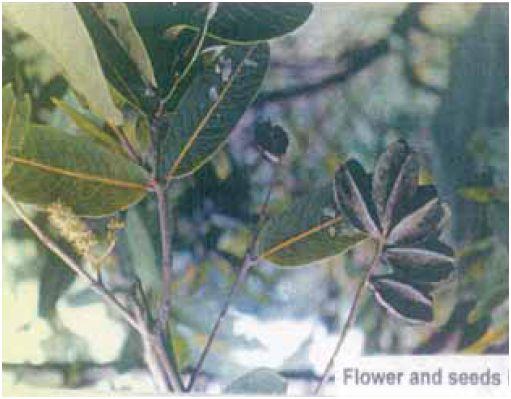
Terminalia arjuna – flowers and seeds
Climate and soil
- The plant naturally occurs in sub- tropical and tropical moist regions of the country.
- The tree prefers alluvial loamy or black cotton soils, which are loose, moist, fertile, and have good drainage and water holding capacity.
- River bank soils, streams, and ravines are its natural habitat.
- The plant also survives in open sunny and low rainfall areas.
Planting material
- Propagation gives best result when seeds are used. The seeds can be collected in early summer from trees that are more than six-year-old.
- Ripe fruits are collected in March either by lopping the branches or from the ground previously swept clean.
- The seeds are viable for at least one year when stored in sealed tins.
Agro-technique
Nursery technique
Raising propagules
- Seeds are sown in nursery beds in early summer, usually just after collection.
- Germination commences in 8–12 days, and is completed in seven to eight weeks. Germinated seeds may be transplanted in polybags with clay, manure, and sand in equal ratio.
- Alternatively, the pretreated fruits are directly put in polythene bags in April, with half of the fruit above the soil.
- Pre-germinated seeds are preferred to save time and ensure uniform germination.
- The seedlings are sensitive to drought during the germination stage as well as during the growth stage.
Propagule rate and pretreatment
- The number of fruits per kg varies from about 200 to 1200, depending on the size of the fruits.
- Hence, about 4–10 kg of seeds may be required for raising 1 hectare of plantation at a spacing of 6 m × 6 m.
- The seeds should be pretreated by soaking them in cool water for 48 hours.
- Alternatively, the seeds may be soaked in boiling water and allowed to cool.
- The seeds should remain soaked for 24 hours.
- The germination rate of pretreated seeds is up to 90%, while that of untreated seeds is 50%–60%.
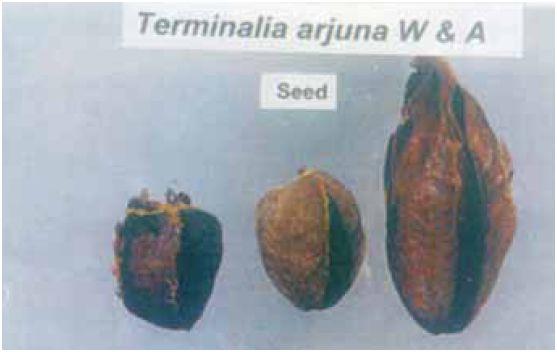
Terminalia arjuna – infestation by insect
Planting in the field
Land preparation and fertilizer application
- Preparatory tillage is done in the field, which should be levelled, and pits of size 45 cm × 45 cm × 45 cm are dug at a spacing of 6 m × 6 m.
- About 10 kg FYM (farmyard manure) and NPK (nitrogen, phosphorus, and potassium) @ 75:50:30 g are added per pit and thoroughly mixed with soil as basal dose.
Transplanting and optimum spacing
- About 10-month-old saplings are transplanted in the field in pits in July–August at a spacing of 6 m × 6 m.
- In all, about 280–300 saplings are required per hectare.
Intercropping system
- The crop can be grown as a sole plantation in early growth stage or as a border of other crops.
- Climbers like Tinospora cordifolia (Giloy), Marsdenia tenacissima (Moorva), Operculina turpethum (Trivrit), Opercullina petaloidea (Nishoth), and Celastrus paniculata (Malkangni) may be planted beneath the fully grown tree that serves as host for these climbers.
Interculture and maintenance practices
- About 10 kg FYM + 75:50:30 g NPK per plant are applied as a basal dose at the time of transplanting.
- Further top dressing is given with 50 g nitrogen per tree after three months.
- Field should be kept weed-free.
Irrigation practices
- Irrigation is recommended at 15-day intervals in the summer season for young plantations.
- Irrigation is generally not done during the winter season in the peninsular region.
Disease and pest control
- Aphids (Aphis sp.) attack tender leaves and form galls on it.
- Spraying of biopesticides like Azadirachtin controls this pest.
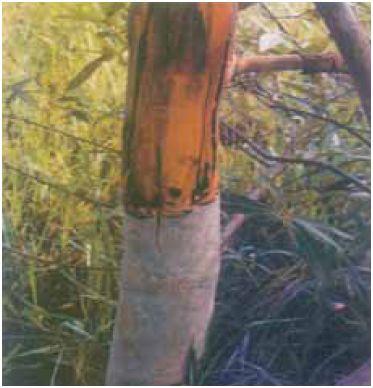
Terminalia arjuna – bark removal
Harvest management
Crop maturity and harvesting
- The Arjun tree starts flowering from sixth year onwards.
- Lifespan of the tree is 50 years and above.
- Bark is repeatedly scrapped in winter season.
- The bark is removed from well- grown trees, preferably 10th year onwards, in spiral or vertical strips of not more than 5 cm width and 25 cm length.
Post-harvest management
- The collected bark is dried in well-ventilated shade and stored in boxes or polybags in dry and airy locations.
Chemical constituents
- The tannin cardiac glycoside is reported from bark as well as fruit.
- The usual range is 20%–24% in stem bark and 7%–20% in fruit.
Yield
- About 500 kg dried bark can be obtained from 1 hectare of plantation every year from the 10th year.
Conclusion
Arjuna is a powerful Ayurvedic herb widely known for its heart-protective properties. Its ability to strengthen the cardiovascular system and promote overall health makes it an essential herb in traditional and modern natural medicine.
Arjuna (Terminalia arjuna) stands as one of the most powerful and trusted herbs in Ayurveda, particularly renowned for its exceptional benefits in supporting heart health. Its long history of traditional use highlights its importance as a natural remedy for strengthening the cardiovascular system and maintaining overall well-being.
Widely used in managing heart-related conditions such as high blood pressure, poor circulation, and elevated cholesterol levels, Arjuna plays a vital role in promoting healthy cardiac function. Its rich content of antioxidants, flavonoids, and tannins helps protect the heart from oxidative stress and supports the proper functioning of blood vessels.
In addition to its heart-protective properties, Arjuna also contributes to wound healing, reduces inflammation, and supports general vitality. Its cooling and astringent nature makes it effective in balancing Pitta and Kapha doshas, further enhancing its therapeutic value.
However, like all medicinal herbs, Arjuna should be used in appropriate doses and preferably under expert supervision, especially for individuals with existing heart conditions or those taking medications.
Incorporating Arjuna into a balanced lifestyle—along with a healthy diet, regular exercise, and stress management—can significantly contribute to long-term cardiovascular health and overall wellness. Its strong foundation in Ayurvedic tradition, combined with growing scientific validation, makes it a valuable herb for holistic healing and preventive healthcare.
