

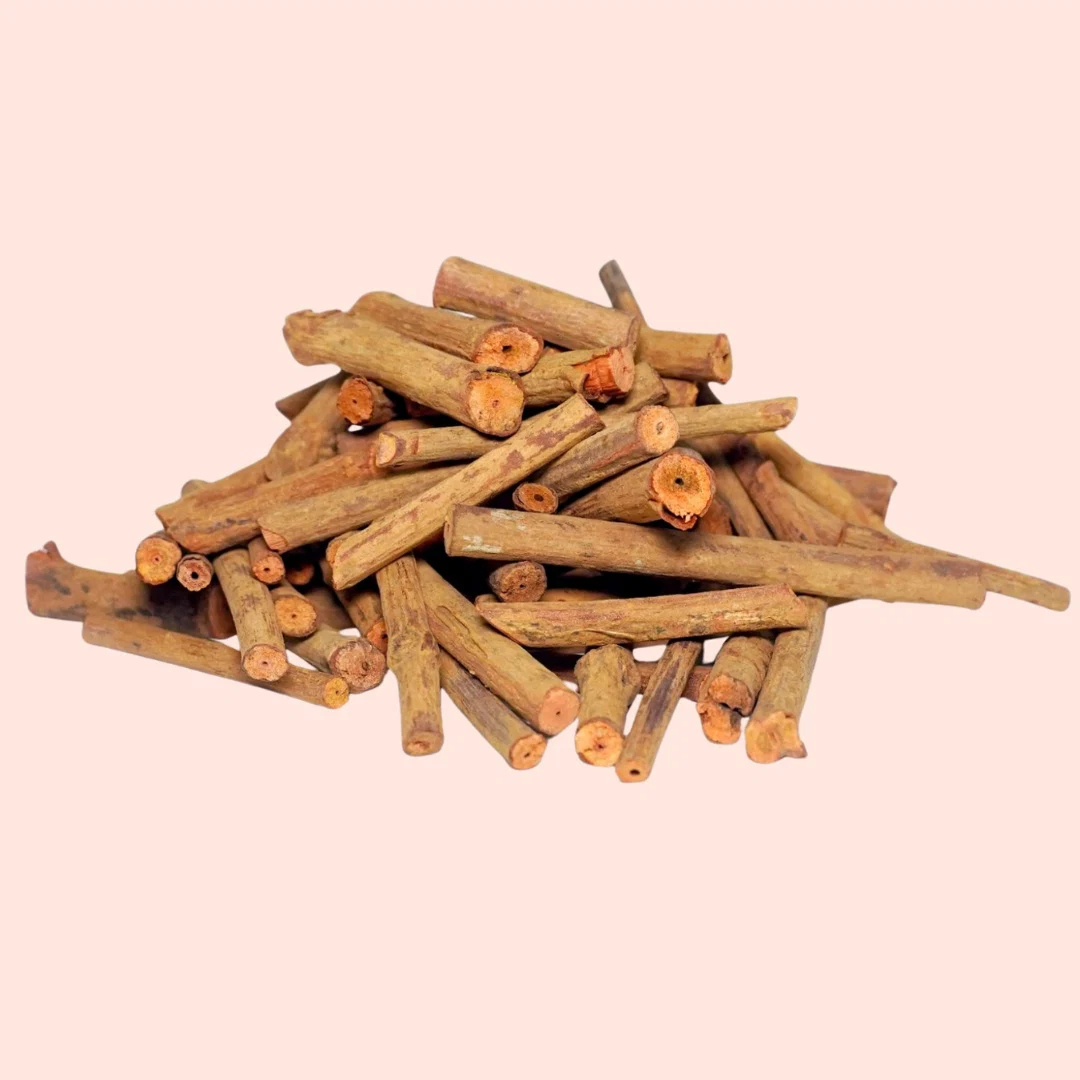
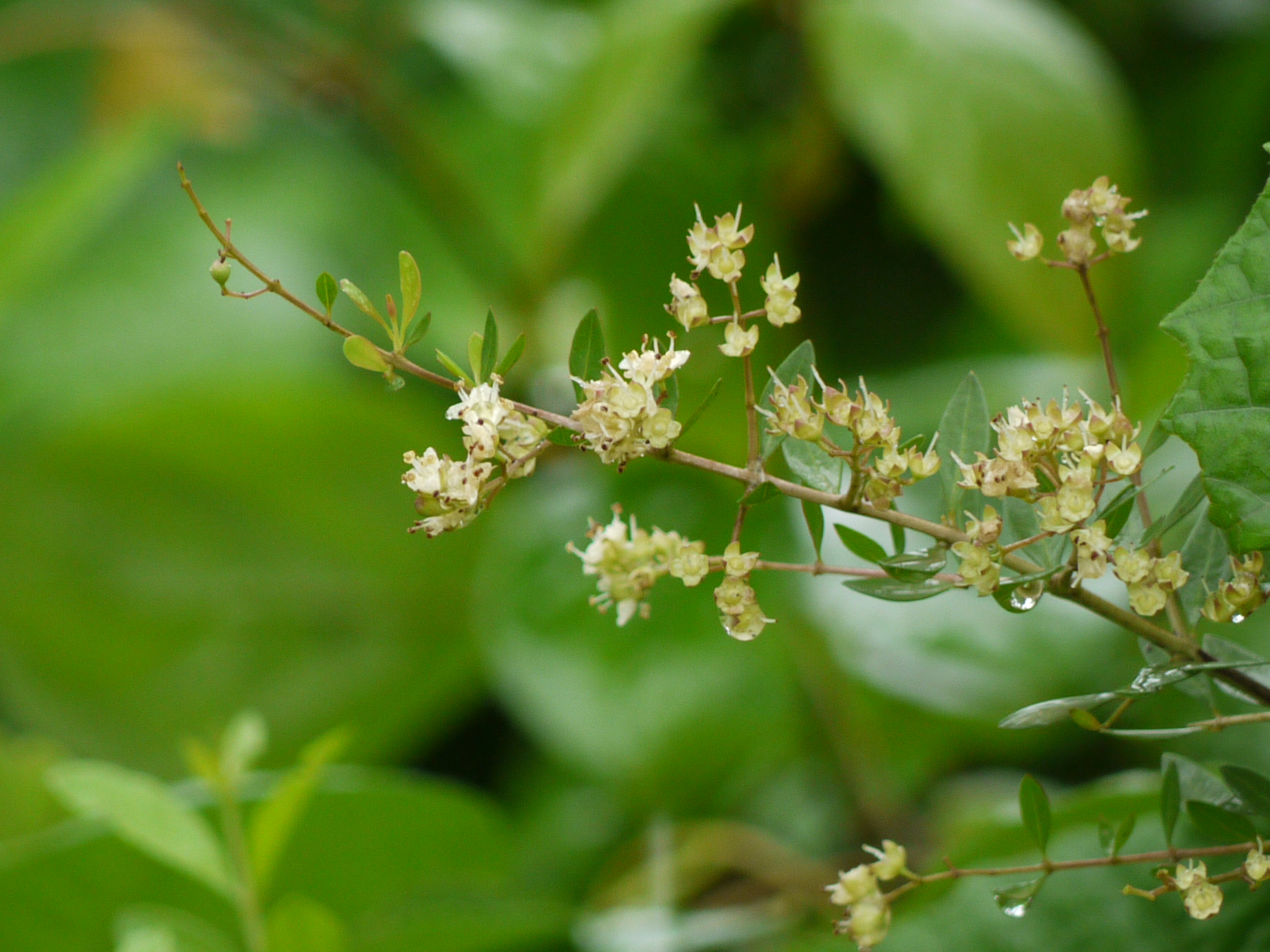
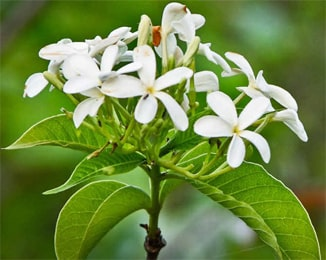

Saraca indica, Fabaceae
Introduction
Ashoka, scientifically known as Saraca asoca, is one of the most important and revered trees in Ayurveda, especially known for its powerful role in supporting women’s health. The name “Ashoka” means “remover of sorrow,” reflecting its traditional use in relieving pain and promoting physical and emotional well-being.
For centuries, Ashoka has been widely used in Ayurvedic medicine to manage menstrual disorders, strengthen the uterus, and maintain hormonal balance. Its bark, flowers, and other parts are valued for their therapeutic properties, particularly in treating conditions related to the female reproductive system.
In addition to its benefits for women’s health, Ashoka also possesses anti-inflammatory, antioxidant, and healing properties, making it useful in various other health conditions. Its deep-rooted significance in both traditional healing and cultural practices highlights its importance as a holistic medicinal plant.
Ayurveda highly appreciates Ashoka for its cooling, astringent, strengthening, and Pitta-balancing properties. It is traditionally used to support:
- Menstrual health
- Hormonal balance
- Uterine wellness
- Female reproductive health
- Excess menstrual bleeding management
- Emotional well-being
- General vitality and strength
Because of its balancing and nourishing nature, Ashoka remains one of the most trusted herbs for women’s wellness in Ayurvedic healthcare.
Core Benefits
- Cycle Regulation: Helps manage irregular, delayed, or excessively heavy periods.
- Cramp Relief: Contains natural anti-inflammatory and antispasmodic properties that soothe uterine muscles.
- Hormonal Equilibrium: Supports ovarian health and helps mitigate the symptoms of conditions like PCOS by potentially mimicking estrogen activity.
- Uterine Strength: Nourishes and tones the uterus, promoting long-term reproductive wellness.
Botanical Description of Ashoka
Ashoka is a medium-sized evergreen tree known for its dense foliage and attractive flowers.
Root System
The tree possesses:
- Strong taproot system
- Extensive lateral roots
- Excellent anchorage capability
Stem and Bark
The stem is:
- Erect and sturdy
- Covered with smooth grayish-brown bark
The bark is the primary medicinal part used in Ayurveda.
Leaves
Ashoka leaves are:
- Long and lance-shaped
- Dark green when mature
- Reddish when young
Flowers
The tree produces:
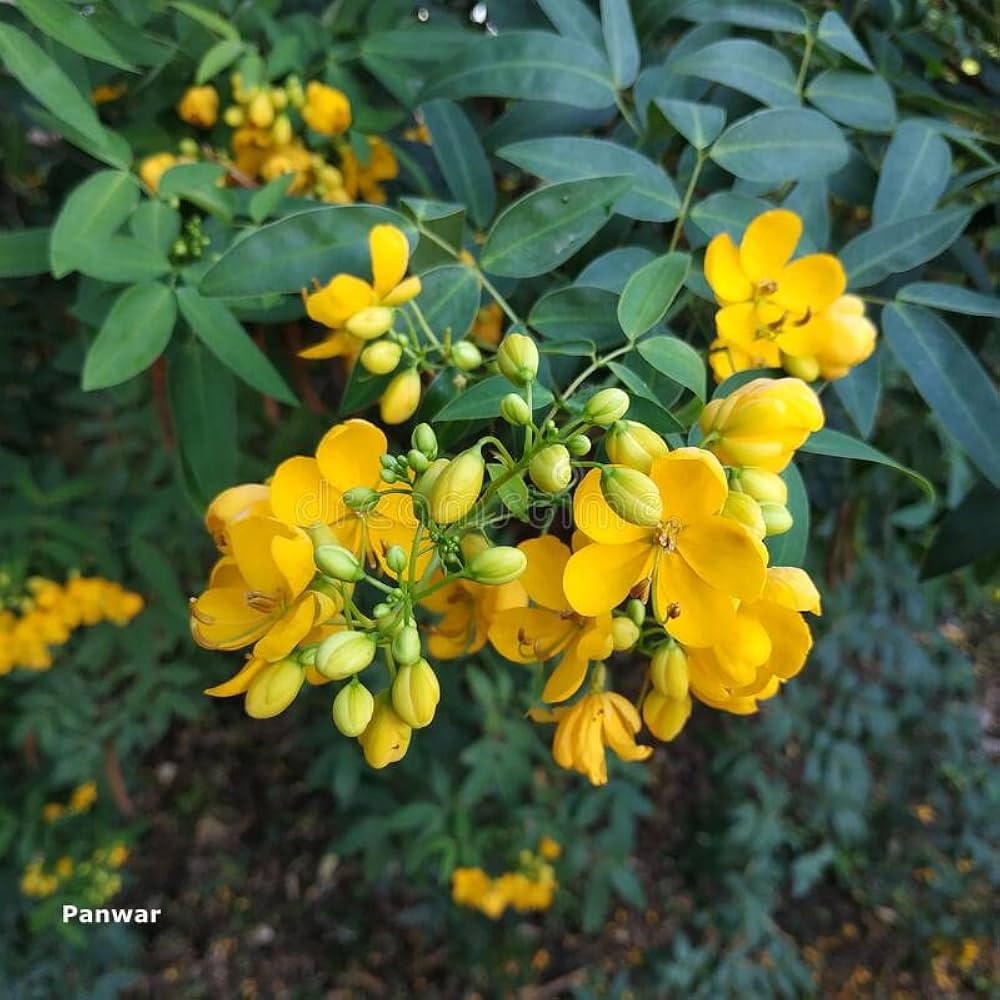
- Bright orange, red, or yellow flowers
- Fragrant flower clusters
- Attractive ornamental blooms
Flowering generally occurs during spring.
Fruits
The fruits are:
- Flat seed pods
- Green when young
- Brown when mature
Habitat and Distribution
Ashoka naturally grows in:
- India
- Sri Lanka
- Nepal
- Bangladesh
It commonly occurs in:
- Tropical forests
- Moist regions
- Gardens and parks
- Sacred groves
Key Features
- Height: 6–10 meters
- Leaves: Compound, lance-shaped, and glossy
- Flowers: Bright orange to red, fragrant, and clustered
- Fruits: Flat pods containing seeds
Ayurvedic Properties
Ashoka is known for its cooling and healing properties.
- Rasa (Taste): Astringent, Bitter
- Guna (Qualities): Light, Dry
- Virya (Potency): Cooling
- Vipaka: Pungent
- Dosha Effect: Balances Pitta and Kapha
Health Benefits
1. Supports Women’s Health
Ashoka is widely used to manage menstrual disorders and improve uterine health.
2. Helps in Menstrual Problems
It is beneficial in conditions like Menorrhagia and dysmenorrhea (painful periods).
3. Improves Uterine Strength
Strengthens the uterus and helps regulate the menstrual cycle.
4. Anti-inflammatory Properties
Reduces inflammation and supports healing.
5. Helps in Skin Disorders
Useful in treating skin problems due to its astringent nature.
6. Controls Bleeding
Helps reduce excessive bleeding due to its styptic properties.
Traditional Uses in Ayurveda
- Bark decoction used for menstrual disorders
- Included in formulations like Ashokarishta
- Used for uterine health and hormonal balance
- Applied in bleeding and inflammatory conditions
Modern Scientific Insights
Ashoka contains tannins, flavonoids, and glycosides, which contribute to its anti-inflammatory, antioxidant, and uterine tonic effects.
How to Use Ashoka
1. Bark Decoction
Used for menstrual and uterine issues.
2. Ashokarishta
A classical Ayurvedic formulation for women’s health.
3. Powder (Churna)
Used under expert guidance.
Precautions
- Use under medical supervision
- Avoid excessive intake
- Pregnant women should consult a doctor
Medicinal Uses

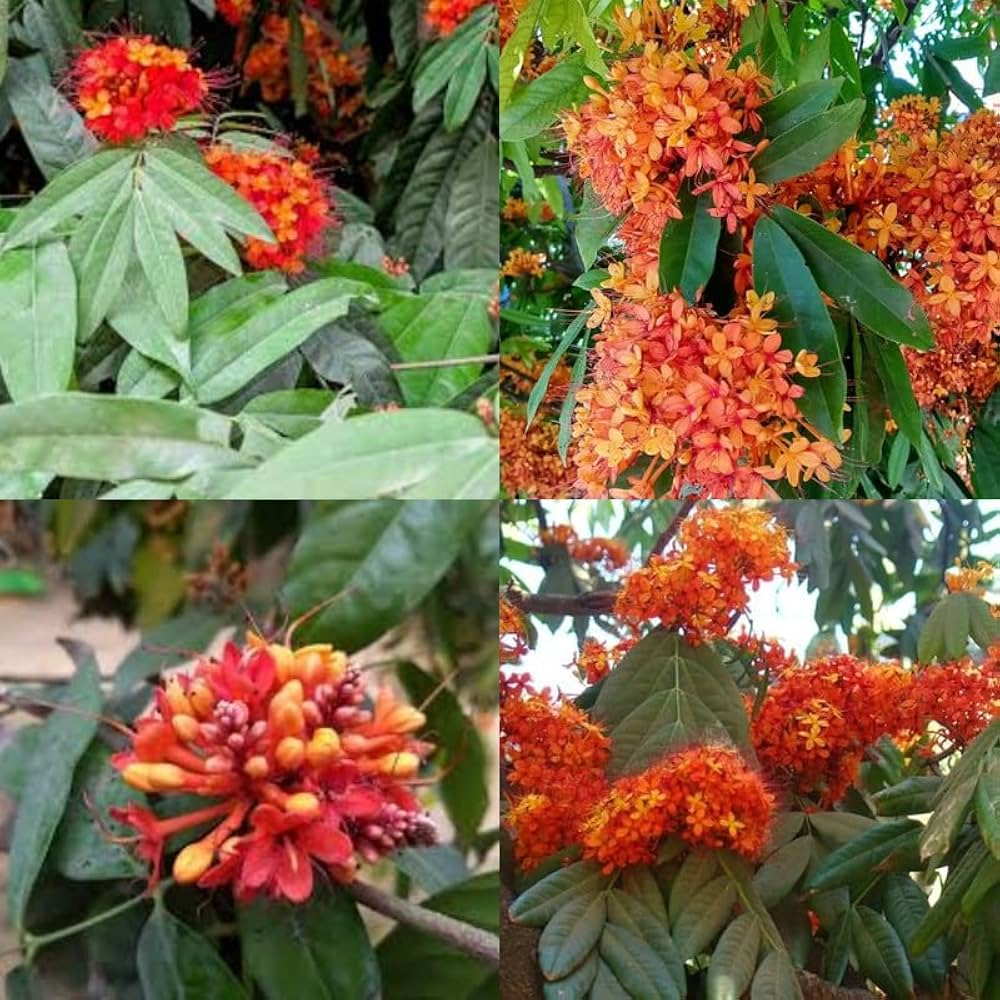
Saraca indica or Asoka Tree, is a tree prized for its large clusters of vibrant flowers. The colours of the flowers vary widely, ranging from orange-yellow to red. Found naturally in rainforests along streams and rivers, it thrives in cultivation when grown under full sunlight and fertile, well-drained soil.
Medicinal uses
- Menorrhagia: 10 grams of
Ashoka bark is boiled in 200ml of
water till it reduced nto ¼ th . This
filtered decoction is administered
orally twice daily before food. If
required, a teaspoon of honey
or jaggery can be added to this.
It subsides excessive bleeding
during menses.
- Irregular periods: Equal quantity
of Ashoka, Yashtimadhu, Lajjalu
powders are taken. 10gms of
this mixure boiled in 200ml of
water till it reduced to ¼ th . This
filtered decoction consumed 3-5
days prior to the date of periods
and continued till 10 days after
periods twice daily. - Wound: Ashoka bark decoction is
prepared and used for washing
the wounds and non healing
ulcers. - Mouth ulcers: One fistfull of
Ashoka flowers and half fist of
coconut pulp are taken and
churned well in mixer grinder.
To this, as per taste, salt, black
pepper, curry leaves and coriander
can be added. This recipe is very
useful in treating gastritis, mouth
ulcers, GERD. - Leucorrhoea: Equal quantity of
Ashoka bark, Amalaki fruit and
Nagakesar powders are mixed
well. 1-2 gram of this powder is
mixed with a cup of rice washed
with water or sweet buttermilk
and administered twice daily.
This pacifies leucorrhea very
effectively.

Description and Ethnobotany
| Growth Form | It is a tree, up to 24 m tall. The trunk can reach up to 34 cm in diameter. |
|---|---|
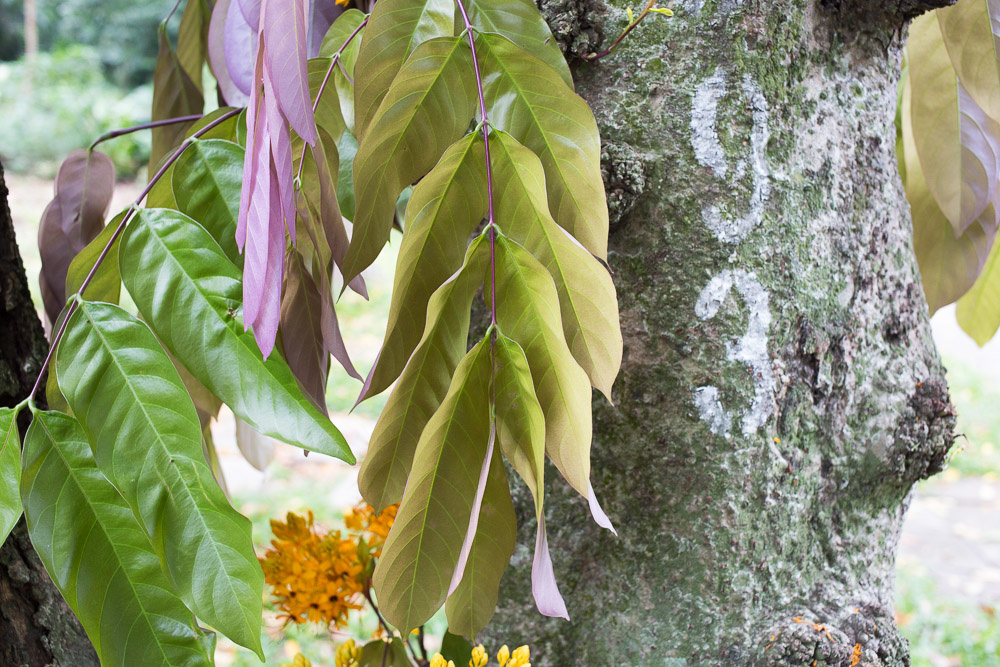
| Foliage | Leaves are compound and paripinnate. Each leaf has (1–) 2 – 4 (– 7) pairs of leaflets. Leaflet is elliptic-ovate to lanceolate, measuring (5–) 15 – 20 (– 30) long and (1.5–) 3.5 – 6 (– 11) cm wide. The leaflet tip is sharply pointed (acute) to obtuse while the base is rounded, cordate or wedged shaped. The pair of leaflets closed to the leaf stalk is usually smaller than the rest of the leaflets. Young leaves flush white, pink or purple and hang pendulously like a tassel. They gradually turn green as they mature. |
| Flowers | Inflorescence is branched (corymb), measuring 3 – 15 (– 20) cm wide, and usually comprises of a blend of various colours simultaneously. The flower’s colour is variable, ranging from orange-yellow, deep orange, purple and red, and may have a darker eye in the center. Each flower is accompanied by a slightly upright and spreading bracteole (0.3 – 0.8 cm long) which can persist or fall off during flower maturity. The flower stalk spans about (0.4 –) 1.2 – 2 (– 3.5) cm long. Each flower has (5 –) 6 – 8 (– 10) stamens. The filament, especially the basal parts, is often covered with fine hairs. The flowers may have a subtle fragrance. The tree is observed to bloom several times a year in Singapore. |
| Fruit | The woody fruit pod is oval or oblong-lanceolate (about 6 – 25 cm long and 2 – 6 cm wide) with a beaked tip (about 1 cm long). Fruit pods coil and split into two when ripe. |
| Habitat | It is found in tropical forests and swamp forests, often along streams and occasionally on limestone, up to 900 m altitude. |
| Associated Fauna | It is pollinated by insects. |
| Etymology | The genus epithet is derived from the Indian Sanskrit name Asoka. The specific epithet, in Latin, refers to India, one of the locations previously thought to be its place of origin. |
| Ethnobotanical Uses | Timber & Products: The wood is sometimes used to make small utensils, pallets, veneer and plywood. Others: It is commonly cultivated in Singapore for its ornamental flowers. In Thailand, the flowers are sometimes eaten by indigenous villagers and said to taste sourish. <2> |
Vernacular names
Assamese : Ashoka
Bengali : Ashoka
English : Asok Tree
Gujrati : Ashoka
Hindi : Ashoka
Kannada : Ashokadamara, Ashokamara,
Kankalimara
Kashmiri : Ashok
Malayalam : Asokam
Marathi : Ashok
Oriya : Ashoka
Punjabi : Asok
Tamil : Asogam, Asogu, Asokam
Telugu : Ashokapatta
Conclusion
Ashoka is a powerful Ayurvedic herb known for its significant role in women’s health and hormonal balance. Its traditional use and modern scientific support make it a valuable natural remedy for maintaining reproductive and overall well-being.
Ashoka (Saraca asoca) is one of the most valuable and widely used medicinal trees in Ayurveda, particularly renowned for its exceptional benefits in women’s health. Its natural ability to support the reproductive system, regulate menstrual cycles, and strengthen the uterus makes it a cornerstone herb in traditional Ayurvedic treatments.
For centuries, Ashoka has been trusted for managing conditions such as Menorrhagia, dysmenorrhea, and hormonal imbalances. Its astringent and cooling properties help control excessive bleeding, reduce inflammation, and promote overall reproductive wellness.
Beyond its role in women’s health, Ashoka also offers anti-inflammatory, antioxidant, and healing benefits that contribute to general well-being. Its bioactive compounds, including tannins and flavonoids, support its effectiveness in maintaining internal balance and protecting the body from oxidative stress.
However, like all medicinal herbs, Ashoka should be used in appropriate doses and preferably under expert guidance, especially for long-term use or in specific health conditions.
Incorporating Ashoka into a balanced Ayurvedic lifestyle—along with proper diet, regular exercise, and healthy habits—can significantly enhance overall health and vitality. Its deep-rooted traditional importance, combined with modern scientific validation, makes it a highly valuable natural remedy for holistic healing and long-term wellness.
