






Introduction
The science of India in Ayurveda represents one of the oldest and most advanced systems of natural medicine in the world. Rooted in ancient Indian wisdom, Ayurveda is not just a healing system but a complete science of life (Ayur = life, Veda = knowledge). It focuses on maintaining health, preventing diseases, and promoting longevity through a balanced lifestyle.
Originating thousands of years ago, Ayurveda is based on fundamental scientific principles such as the balance of the three doshas (Vata, Pitta, and Kapha), the concept of Agni (digestive fire), and the harmony of natural elements. It emphasizes prevention of disease through proper diet, lifestyle, and daily routines rather than only curing illnesses.
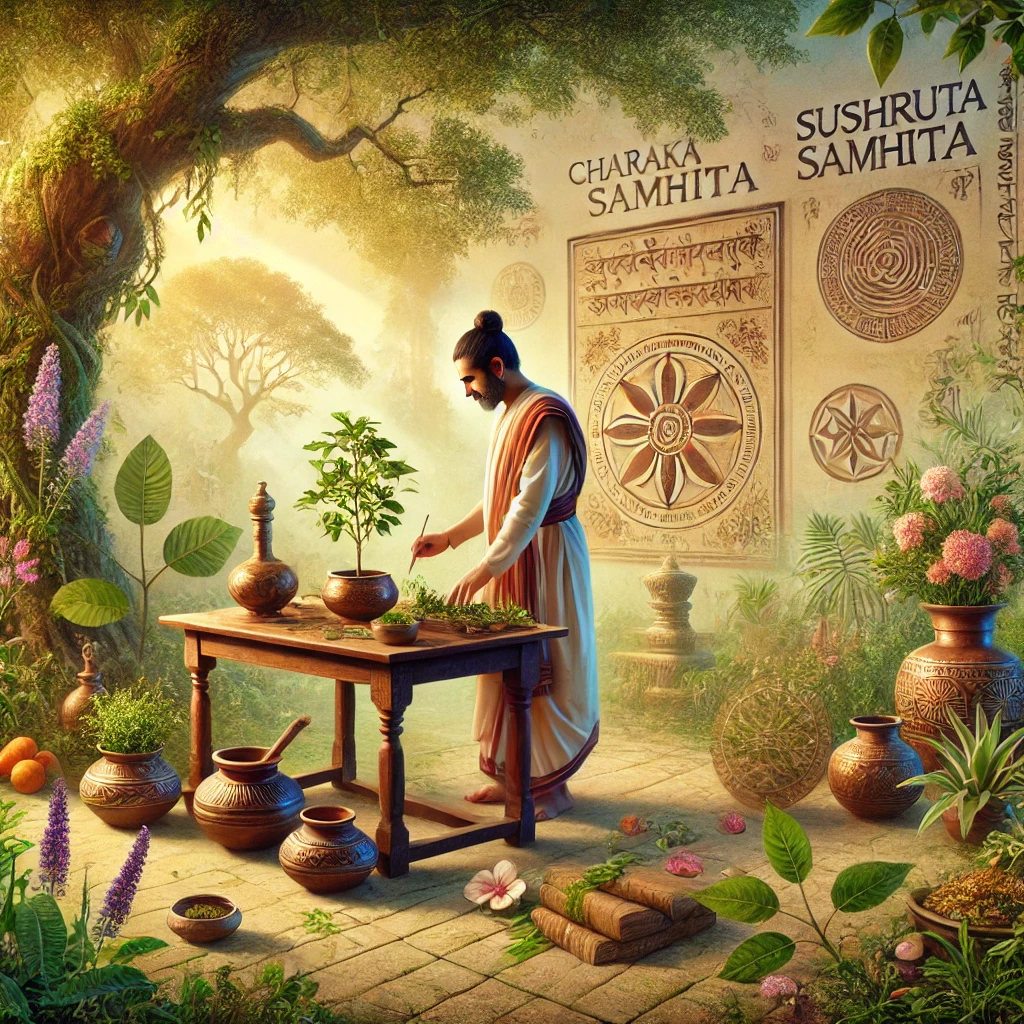
The contributions of ancient scholars like Charaka and Sushruta highlight the scientific depth of Ayurveda, covering areas such as medicine, surgery, and pharmacology. This rich heritage reflects the advanced understanding of human health in ancient India.
Today, Ayurveda continues to gain global importance as a natural and holistic healthcare system, demonstrating the enduring relevance of India’s scientific wisdom in promoting health, longevity, and overall well-being.
Scientific Foundations of Ayurveda
1. Panchamahabhuta Theory (Five Elements)
Ayurveda is based on the concept of five fundamental elements:
- Earth (Prithvi)
- Water (Jala)
- Fire (Agni)
- Air (Vayu)
- Ether (Akasha)
These elements form the basis of all matter and life processes in the body.
2. Tridosha Theory
The body is governed by three biological energies (Doshas):
- Vata (movement)
- Pitta (metabolism)
- Kapha (structure)
Health is maintained when these doshas are in balance.
3. Sapta Dhatu (Seven Tissues)
Ayurveda explains body structure through seven tissues:
- Rasa (plasma)
- Rakta (blood)
- Mamsa (muscle)
- Meda (fat)
- Asthi (bone)
- Majja (marrow)
- Shukra (reproductive tissue)
4. Agni (Digestive Fire)
Agni is considered the core of metabolism and digestion. Proper digestion leads to good health, while imbalance leads to disease.
5. Ojas (Vital Energy)
Ojas is the essence of all tissues and represents immunity, strength, and vitality.
Ancient Ayurvedic Scholars
The development of Ayurveda is credited to great scholars like:
- Charaka – Known for internal medicine (Charaka Samhita)
- Sushruta – Pioneer of surgery (Sushruta Samhita)
- Vagbhata – Author of Ashtanga Hridaya
Branches of Ayurveda (Ashtanga Ayurveda)
Ayurveda is divided into eight branches:
- Kaya Chikitsa (Internal medicine)
- Shalya Tantra (Surgery)
- Shalakya Tantra (ENT & eye care)
- Kaumarbhritya (Pediatrics)
- Agada Tantra (Toxicology)
- Bhuta Vidya (Psychiatry)
- Rasayana (Rejuvenation)
- Vajikarana (Reproductive health)
Scientific Aspects of Ayurveda
1. Preventive Healthcare
Ayurveda emphasizes prevention through:
- Daily routine (Dinacharya)
- Seasonal routine (Ritucharya)
- Balanced diet and lifestyle
2. Personalized Medicine
Treatment is based on individual constitution (Prakriti), making it a highly personalized medical system.
3. Herbal Medicine
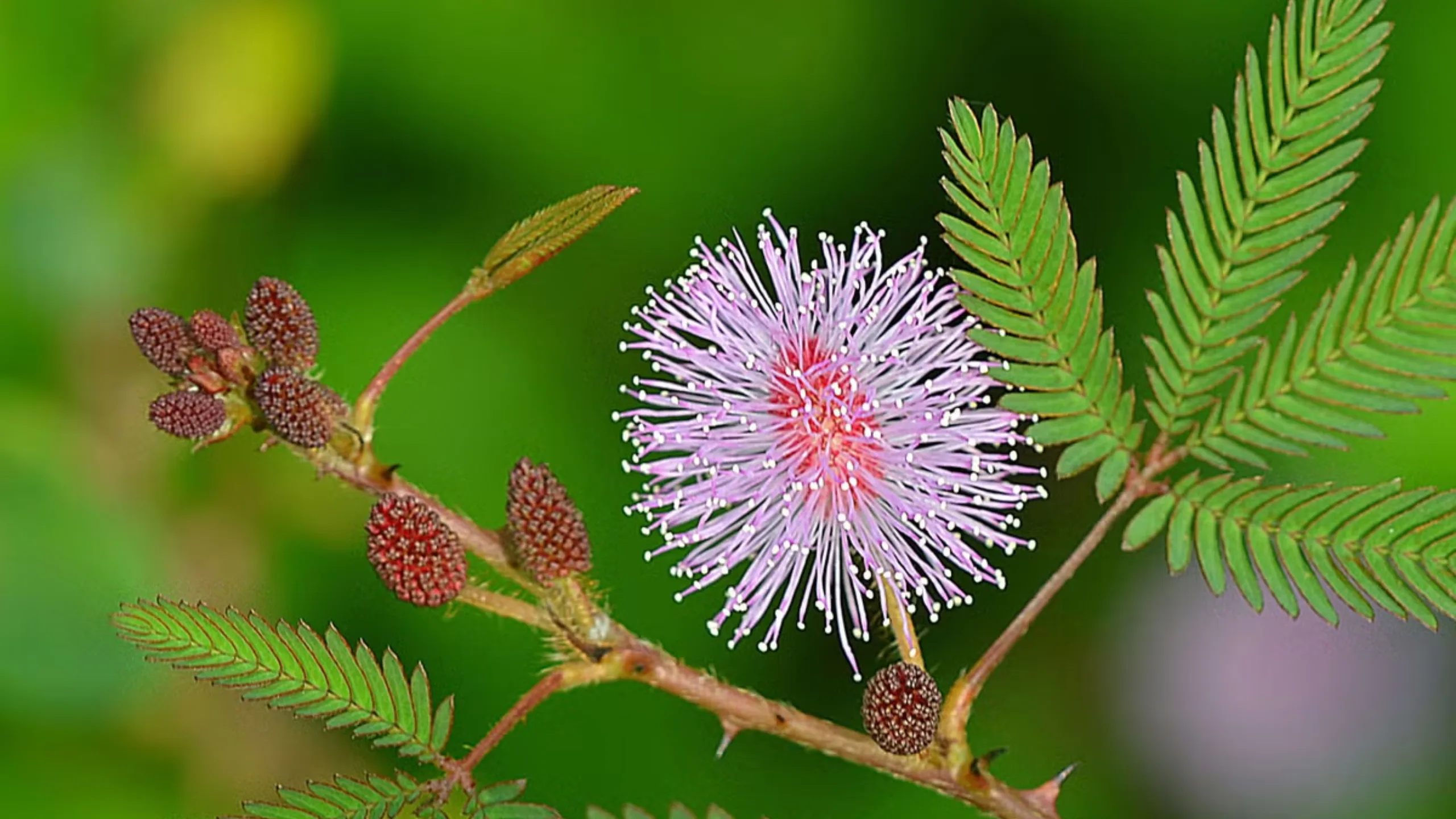
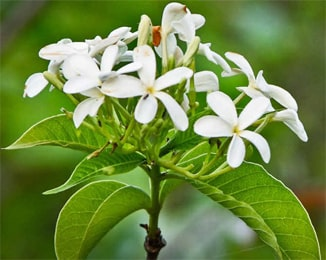
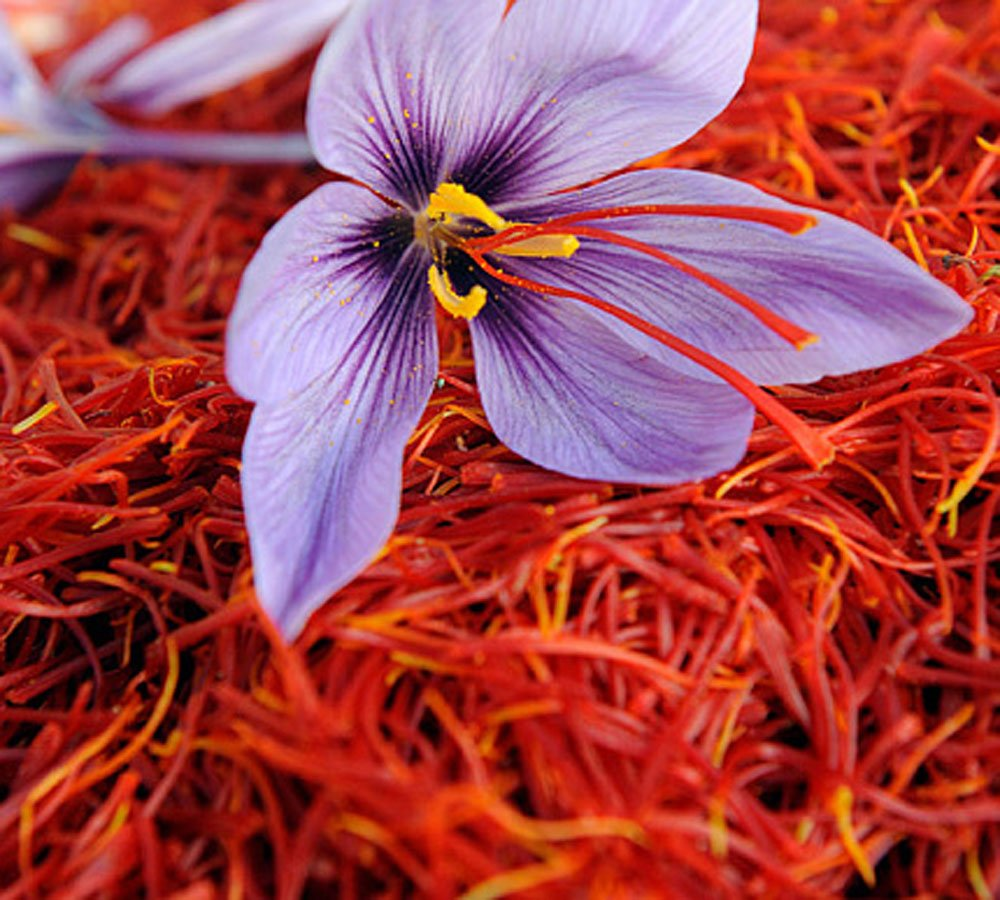
Ayurveda uses natural herbs like Ashwagandha, Amla, and Brahmi for treatment.
4. Detoxification (Panchakarma)
Special therapies are used to remove toxins (Ama) from the body.
Modern Relevance of Ayurvedic Science
Today, Ayurveda is gaining global recognition for:
- Holistic healing
- Minimal side effects
- Natural therapies
- Integration with modern medicine
Conclusion
The science of India in Ayurveda is a comprehensive and holistic system that combines philosophy, biology, and natural healing. Its principles of balance, prevention, and individualized care make it highly relevant even in modern times.
Ayurveda not only treats diseases but also teaches how to live a healthy, balanced, and harmonious life. Its timeless wisdom continues to guide people toward long-term health and well-being.
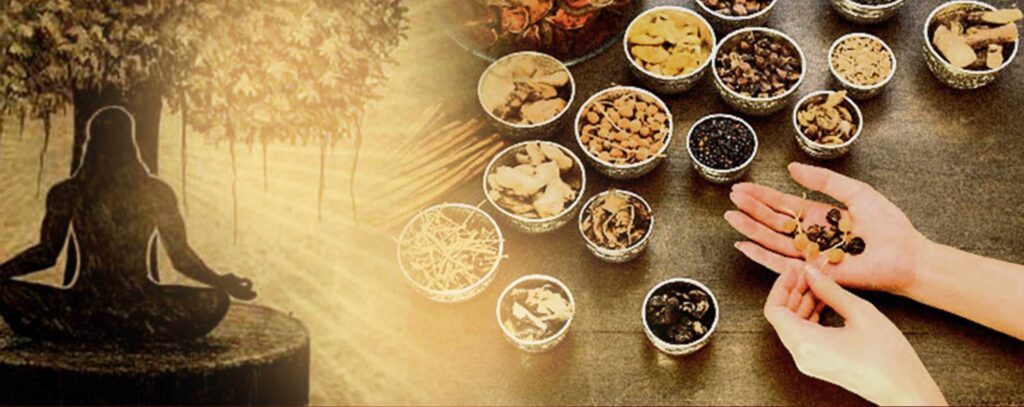
Ayurveda, an indigenous ancient medical science of India, is more than 5000 years old. It is considered to be an upveda of Atharva Veda. Mention of use of herbs for medicinal purpose is found in the oldest available written literature of world, Rigveda.Literally, the word Ayurveda is a combination of two words: Ayu + Veda. Ayu means life and Veda means the science. Thus Ayurveda is a science of life and not only science of diseases. The aim of Ayurveda is “Swasthasya Swasthya rakshnam, aturasya vikara prashaman” i.e. propagation of health and cure of diseases. The faith in the power of its principles alongwith the availability of a vast majority of herbs in India has always been a thrust behind survival of this scientific art of healing.It is a science of health based on universal principles and profound insights into the connection between mind and body and the laws of nature which structure all progress in life. It is promising to see that this ancient Vedic wisdom is now becoming more widely sought after.
Ashtanga Ayurveda –
To provide specialized healthcare and treatment options, Ayurveda had been divided into eight branches collectively known as Ashtanga Ayurveda. These branches deal with internal medicine, gynaecology, obstetrics and paediatrics, psychiatry, ENT, surgery, toxicology, geriatrics and sexual disorders.
Texts of Ayurveda:
Though the use of herbs as medicines started as early as the Vedic period, it was not until 3000 years ago that specailized treatises named Samhita were written on Ayurveda. This period may be termed the golden period of Ayurveda. The following treatises known as Brihattrayee and Laghutrayee provide insights to Ayurveda clinicians:
| Charaka Samhita | Written by Acharya Agnivesha, Charaka and Dridbala in different historic periods, it is most revered samhita of Ayurveda dealing predominantly wihkayachikitsa i.e. internal medicine. Here one can find description of all guiding principles of ayurveda for diagnosis and tratment of diseases. |
| Sushruta Samhita | Sushruta is considered to be father of surgery due to the details of surgery found in this text. This samhita mainly deals with surgery. It amazes the readers with its description of layers of skin, cosmetic surgery, grafting etc. In 184 chapters with description of more than 1000 diseases including those of eyes, ear, nose, throat, it has become one of the most important treatise of medicine. |
| Vagbhata Samhita | Written by Vagbhata, it is a combination of both Charak and Sushruta Samhita with valuable additions by the author himself making it a concise treatise used by all physicians which covers all subjects. |
| Madhava Nidana | This book may be termed as the treatise on pathology of diseases. Causative factors, signs and symptoms, and pathogenesis of the diseases in general and for specific diseases have been dealt with in great extent. |
| Sharangdhara Samhita | This book describes various single and compound drug formulations and their method of preparation classified on the basis of dosage forms such as powder, decoction, tablet, medicated ghee and oil etc. It is very handy book for the selection of drug in the management of various diseases. |
| Bhavaprakasha Nighantu | This may be termed as materia medica of Ayurveda where one can find description of more than one hundred herbs in terms of their rasa, guna, veerya, vipaka and Prabhava (specific actions). It describes principles and pharmacodynamics of single drugs. |
Vedic Science: Knowledge, Principles, and Contributions
Introduction
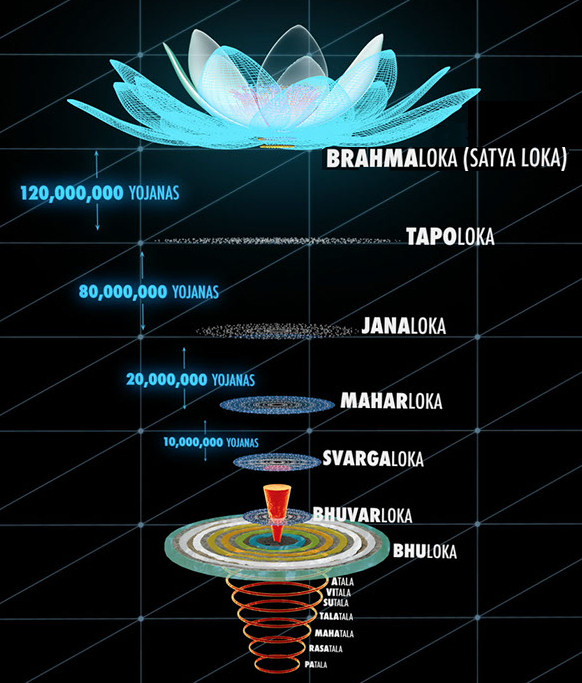
Vedic Science refers to the body of knowledge found in the ancient Indian texts known as the Vedas. These texts are among the oldest sources of knowledge in the world and cover a wide range of subjects, including philosophy, medicine, mathematics, astronomy, and spirituality. Vedic Science represents a holistic understanding of life and the universe.
Meaning of Vedic Science
The term “Vedic” comes from the word Veda, meaning “knowledge.” Vedic Science is not limited to rituals or religion; it includes systematic observations and principles about nature, health, and the cosmos.
Main Components of Vedic Science
1. Ayurveda (Medical Science)
Ayurveda is a major branch of Vedic Science that deals with health, disease prevention, and longevity.
2. Astronomy and Astrology
Vedic texts contain knowledge of planetary movements and time calculation, forming the basis of ancient Indian astronomy.
3. Mathematics
Concepts like zero, decimal system, and geometry have roots in ancient Indian knowledge systems.
4. Yoga and Meditation
Yoga is an important part of Vedic Science that focuses on physical, mental, and spiritual well-being.
5. Philosophy and Ethics
Vedic Science includes deep philosophical ideas about life, consciousness, and the universe.
Scientific Principles in Vedic Science
1. Harmony with Nature
Vedic Science emphasizes living in balance with natural laws.
2. Holistic Approach
It considers the body, mind, and soul as interconnected.
3. Preventive Approach
Focuses on preventing diseases through lifestyle and discipline.
4. Universal Laws
Explains natural phenomena through fundamental principles of existence.
Contributions of Vedic Science
- Development of Ayurveda and herbal medicine
- Early understanding of astronomy and time
- Mathematical concepts like zero
- Promotion of yoga and meditation
- Philosophical insights into life and consciousness
Modern Relevance
Today, Vedic Science is gaining global attention for:
- Natural healing systems
- Stress management through yoga
- Sustainable living principles
- Holistic health approaches
Conclusion
Vedic Science is a vast and profound system of knowledge that combines scientific observation with spiritual wisdom. It provides valuable insights into health, nature, and the universe, making it highly relevant even in modern times. Its holistic and preventive approach continues to guide people toward a balanced and healthy life.
