

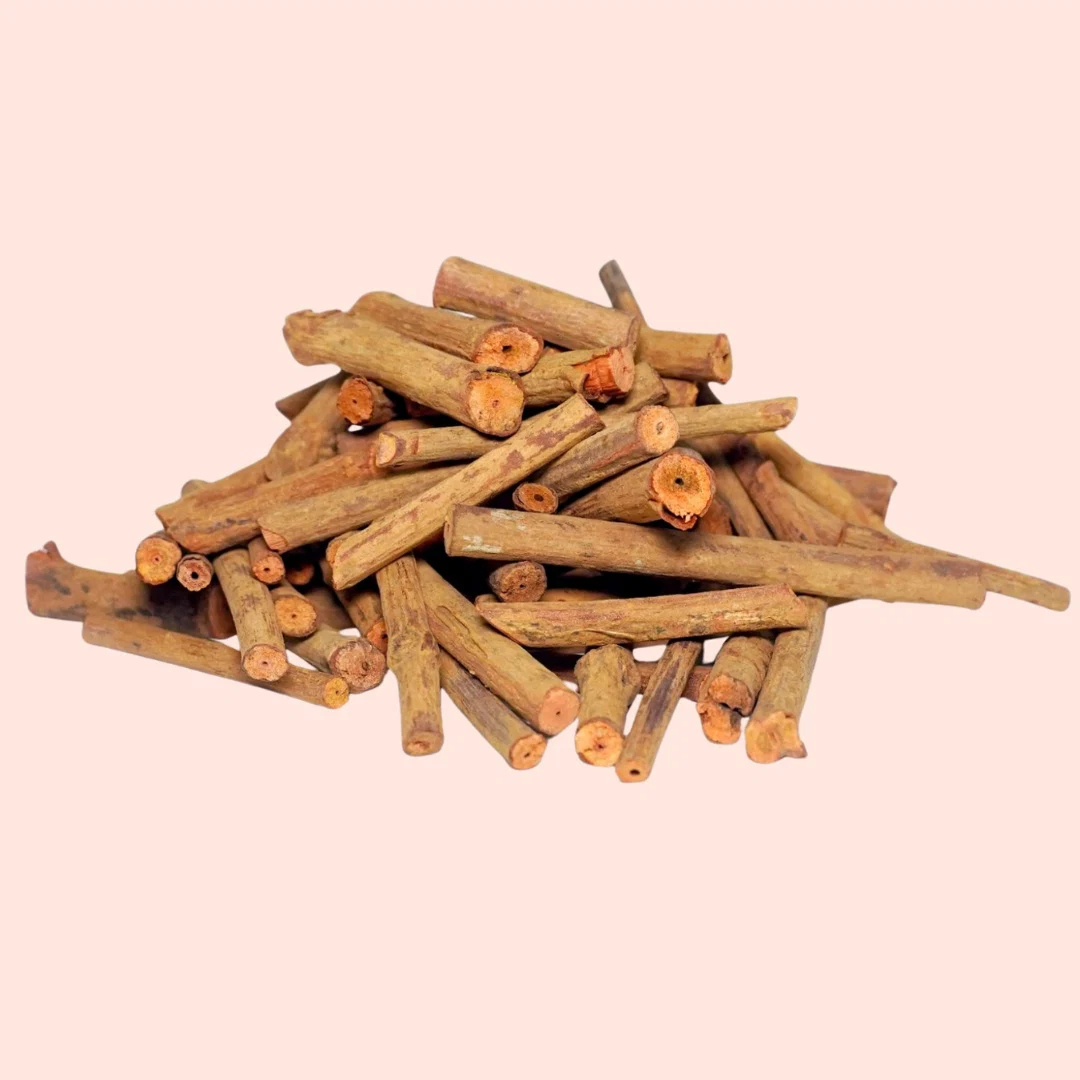
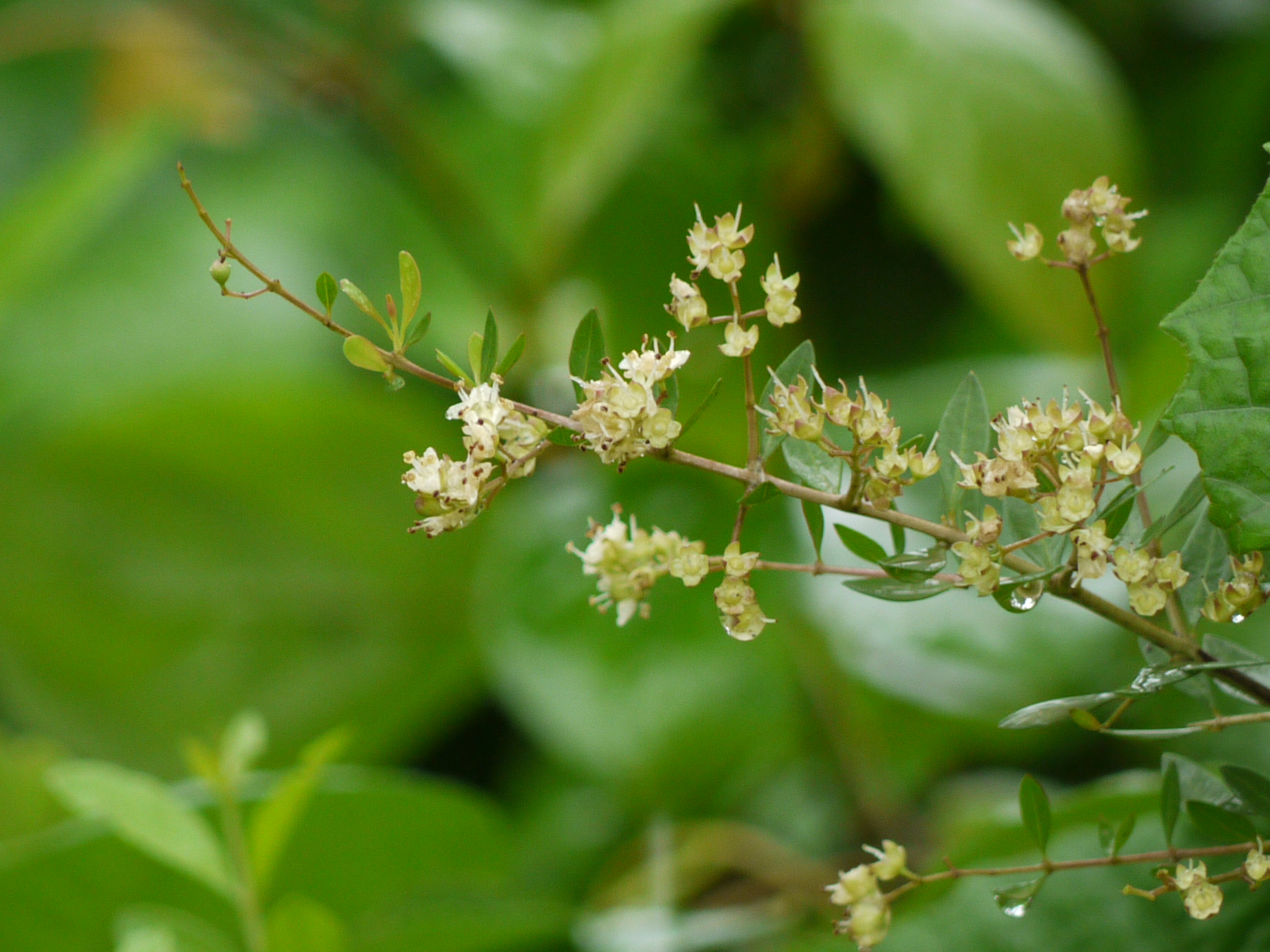

Phyllanthus niruri, Euphorbiaceae
Introduction
Bhumyamalaki, scientifically known as Phyllanthus niruri, is a well-known Ayurvedic herb valued for its powerful effects on liver health and detoxification. It is commonly called “Stonebreaker” due to its traditional use in managing kidney stones and urinary disorders.
Phyllanthus niruri, commonly known as Bhumyamalaki, is a highly respected medicinal herb in Ayurveda traditionally valued for supporting liver health, digestion, detoxification, urinary wellness, and overall metabolic balance naturally. This small annual herb is widely found across India and tropical regions and has been used for centuries in traditional herbal medicine because of its cooling, cleansing, and rejuvenating properties.
The name “Bhumyamalaki” means “small amla growing close to the earth,” referring to its resemblance to the Indian gooseberry plant and its low-growing habit. Ayurveda highly appreciates this herb for balancing Pitta Dosha, supporting liver function, reducing excess heat, and promoting natural detoxification.
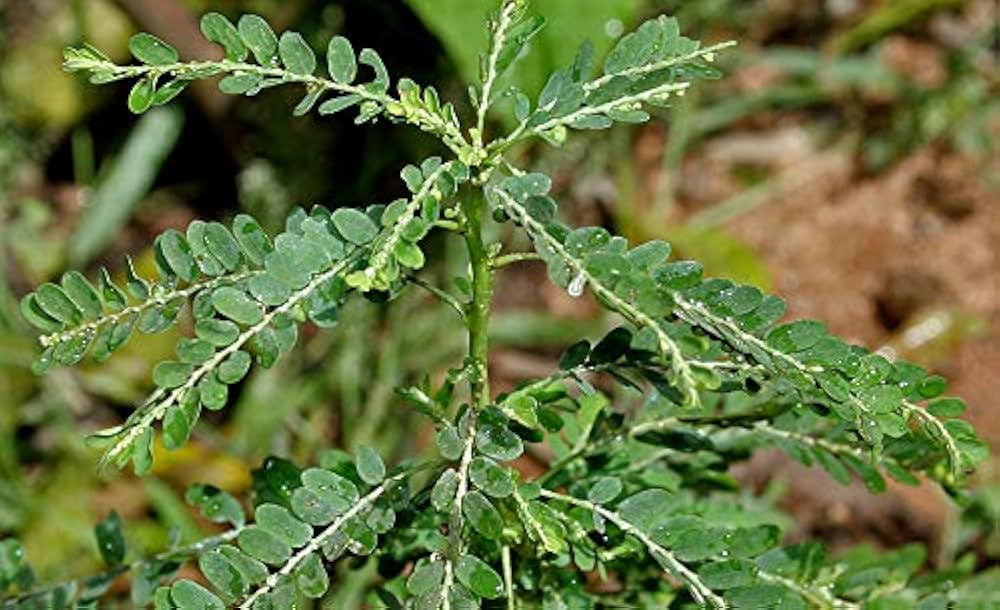
Bhumyamalaki belongs to the Phyllanthaceae family and is commonly recognized by its slender stems, small green leaves, and tiny fruits arranged beneath the branches. The whole plant is considered medicinal and is widely used in Ayurvedic formulations for liver support, urinary balance, digestive wellness, and internal cleansing.
Because of its cooling and detoxifying nature, Bhumyamalaki is also traditionally associated with skin wellness, appetite balance, and healthy metabolism naturally.
Bhumyamalaki (Phyllanthus niruri or Phyllanthus amarus) is a significant Ayurvedic herb, also known as “gale of the wind,” renowned for its liver-protective (hepatoprotective) properties, particularly in treating jaundice, hepatitis, and fatty liver disease, acting as a powerful antioxidant and helping with digestion, inflammation, and detoxification. It’s used in various forms (juice, powder, paste) for ailments like fever, skin issues, diabetes, and kidney stones, containing compounds like flavonoids and lignans, but requires consultation with an Ayurvedic practitioner for proper use.
Key Uses & Benefits
- Liver Health: Protects against liver toxicity, helps with fatty liver, and treats jaundice and hepatitis.
- Antioxidant: Fights free radicals, protecting cells from damage.
- Digestive Aid: Helps with indigestion, hyperacidity, and improving overall digestion.
- Anti-inflammatory: Used topically for pain, swelling, fractures, and skin infections.
- Kidney Support: May help inhibit kidney stone formation.
- Other Uses: Treats fever, anemia, diabetes, cough, asthma, and urinary issues.
How It’s Used (Traditional Methods)
- Juice: Fresh leaf/whole plant juice (15-20 ml) on an empty stomach for jaundice, fever.
- Paste: Applied to skin for infections, or with rock salt for fractures.
- Powder (Churnam): Mixed with buttermilk for anemia, or used in decoctions.
Important Considerations
- Ayurvedic Properties: It’s bitter/astringent (Tikta, Kashaya), light (Laghu), drying (Ruksha), and cooling (Sheeta).
- Professional Advice: Always consult an Ayurvedic doctor before use, as it’s a potent herb.
Scientific Classification of Bhumyamalaki
| Category | Details |
|---|---|
| Scientific Name | Phyllanthus niruri |
| Family | Phyllanthaceae |
| Common Names | Bhumyamalaki, Stonebreaker, Gale of the Wind |
| Plant Type | Small annual medicinal herb |
Vernacular Names of Bhumyamalaki
| Language | Name |
|---|---|
| Sanskrit | Bhumyamalaki |
| Hindi | Bhui Amla |
| English | Stonebreaker |
| Bengali | Bhui Amla |
| Gujarati | Bhonyamli |
| Tamil | Keezhanelli |
| Telugu | Nela Usiri |
| Malayalam | Kizhukanelli |
| Kannada | Nelanelli |
| Marathi | Bhui Aavla |
| Urdu | Bhui Amla |

Botanical Description of Bhumyamalaki
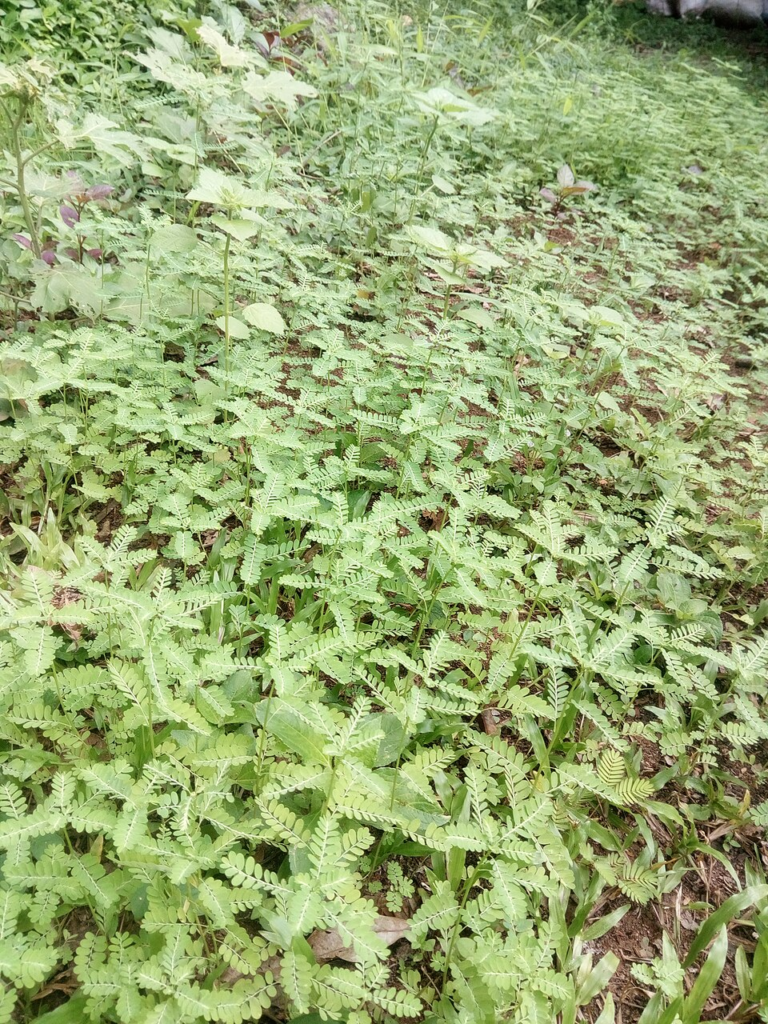
Bhumyamalaki is a delicate low-growing herb commonly found during rainy seasons.
Root System
The plant possesses:
- Thin fibrous roots
- Shallow root growth
- Soft underground structure
The roots help rapid seasonal growth.
Stem
The stems are:
- Thin and erect
- Green and smooth
- Delicately branched
The branches often spread evenly on both sides.
Leaves
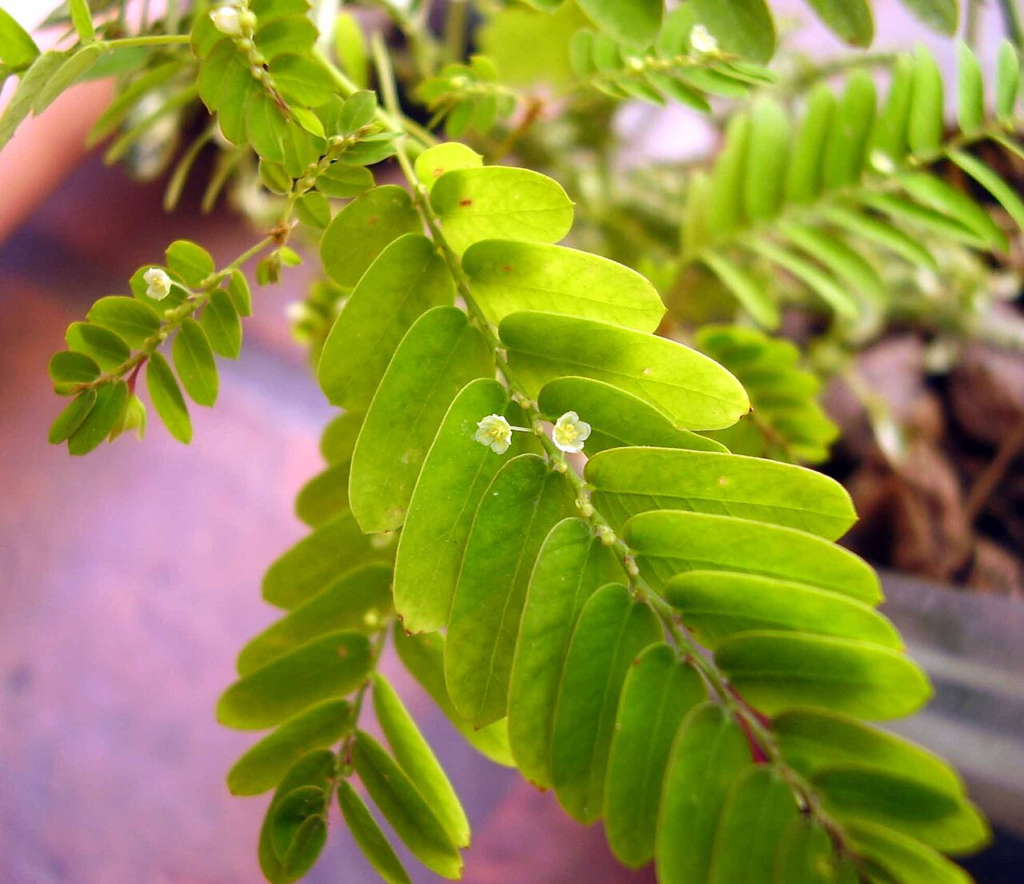
Bhumyamalaki leaves are:
- Small and oblong
- Light green
- Alternately arranged
- Resembling tamarind leaflets
The plant appears feathery because of its leaf arrangement.
Fruits
The tiny fruits:
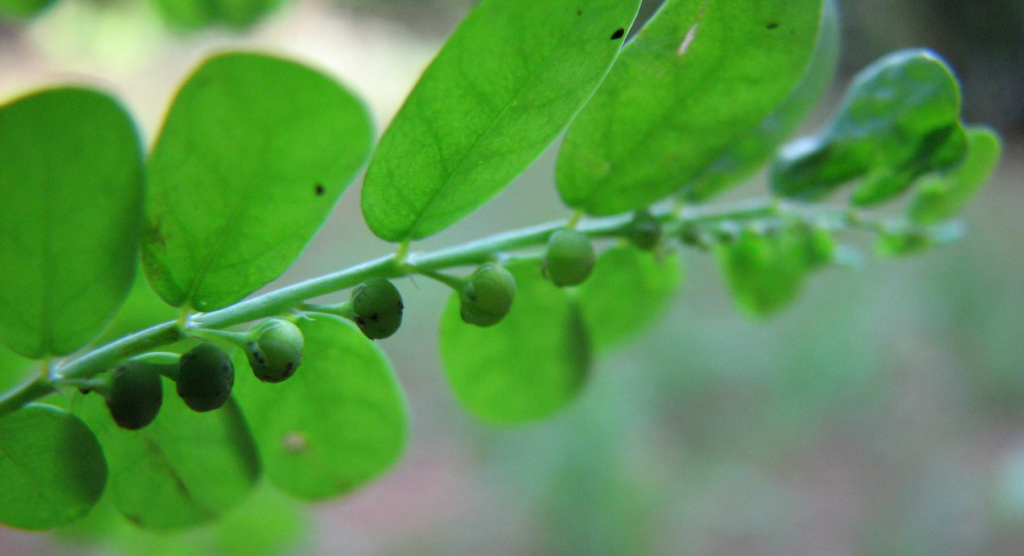
- Grow beneath the branches
- Are round and green
- Contain small seeds
These fruits are one of the plant’s identifying features.
Habitat and Distribution
Bhumyamalaki naturally grows in:
- India
- Sri Lanka
- Tropical Asia
- South America
It commonly appears in:
- Moist open fields
- Roadsides
- Agricultural lands
- Gardens
- Rainy-season vegetation
Ayurvedic Properties of Bhumyamalaki
Ayurveda highly values Bhumyamalaki for its cooling, detoxifying, liver-supportive, and Pitta-balancing properties.
Rasa (Taste)
Bhumyamalaki possesses:
- Tikta (Bitter)
- Kashaya (Astringent)
Benefits:
- Supports detoxification
- Reduces excess heat
- Helps digestion
- Maintains liver balance
Guna (Qualities)
The herb contains:
- Laghu (Light)
- Ruksha (Dry)
Ayurvedic Effects:
- Supports metabolism
- Helps remove toxins
- Reduces heaviness
Virya (Potency)
Bhumyamalaki has:
- Shita Virya (Cooling potency)
Cooling Benefits:
- Reduces body heat
- Supports liver cooling
- Calms Pitta imbalance
- Helps burning sensation
Vipaka (Post-Digestive Effect)
Bhumyamalaki possesses:
- Madhura Vipaka
This helps:
- Tissue nourishment
- Balanced metabolism
- Internal harmony
Dosha Effect
Bhumyamalaki helps balance:
- Pitta Dosha
- Kapha Dosha
Excessive use may aggravate Vata due to its cooling and drying qualities.
Health Benefits of Bhumyamalaki
1. Supports Liver Health
Bhumyamalaki is one of Ayurveda’s most respected herbs for supporting healthy liver function naturally.
Traditionally Helpful For:
- Liver wellness
- Excess body heat
- Pitta imbalance
- Metabolic cleansing
Ayurveda widely uses this herb in liver-supportive formulations.
2. Natural Detoxifying Herb
The herb is traditionally valued for supporting internal cleansing and toxin removal.
Detoxifying Benefits:
- Helps remove Ama (toxins)
- Supports liver detoxification
- Promotes healthy elimination
- Maintains metabolic purity
3. Supports Healthy Digestion
Bhumyamalaki helps maintain digestive balance and appetite naturally.
Benefits:
- Supports digestion
- Helps appetite balance
- Reduces digestive heat
- Maintains bowel harmony
4. Supports Urinary Wellness
Ayurveda traditionally uses Bhumyamalaki for maintaining urinary tract balance and comfort naturally.
Traditionally Helpful In:
- Urinary discomfort
- Burning urination
- Excess heat-related urinary imbalance
5. Helps Balance Pitta
Its cooling potency makes Bhumyamalaki especially useful in conditions involving excess Pitta.
Helpful For:
- Burning sensation
- Excess body heat
- Heat-related digestive imbalance
- Irritation associated with Pitta aggravation
6. Supports Skin Wellness
Because of its detoxifying and blood-purifying nature, Bhumyamalaki is traditionally associated with healthy skin naturally.
7. Traditionally Used for Kidney Support
The herb is popularly known as “Stonebreaker” in traditional herbal systems and is associated with urinary and kidney wellness support.
Traditional Ayurvedic Uses of Bhumyamalaki
Bhumyamalaki is traditionally used for:
- Liver imbalance
- Digestive weakness
- Urinary discomfort
- Excess body heat
- Detoxification
- Pitta aggravation
- Metabolic balance
Effect on Agni (Digestive Fire)
Bhumyamalaki supports balanced digestion without aggravating heat.
It traditionally helps:
- Maintain digestive comfort
- Support appetite
- Reduce digestive irritation
- Promote healthy metabolism
Effect on Dhatus (Body Tissues)
Bhumyamalaki traditionally supports:
Rasa Dhatu
Supports nutritive fluid balance.
Rakta Dhatu
Helps maintain healthy blood tissues.
Yakrit (Liver Tissue Support)
Traditionally associated with liver nourishment and detoxification.
Effect on Srotas (Body Channels)
Bhumyamalaki mainly acts on:
- Annavaha Srotas (digestive channels)
- Mutravaha Srotas (urinary channels)
- Raktavaha Srotas (blood channels)
It helps maintain detoxification and metabolic harmony naturally.
Growing Conditions of Bhumyamalaki
Climate
- Tropical and subtropical climate
- Warm humid conditions preferred
Soil
- Moist fertile soil
- Well-drained land suitable
Sunlight
- Partial to full sunlight
The herb grows abundantly during rainy seasons.
Special Botanical Features
Bhumyamalaki is easily recognized by:
- Tiny leaves resembling tamarind leaflets
- Fruits growing beneath branches
- Delicate green stems
- Small feathery appearance
Precautions
Although traditionally beneficial, excessive use of Bhumyamalaki may:
- Increase dryness
- Aggravate Vata
- Cause excessive cooling in sensitive individuals
Use cautiously in:
- Severe Vata disorders
- Very weak digestion
- Excess cold constitution
Professional Ayurvedic guidance is recommended before medicinal use.
Medicinal Uses
- Jaundice: The juice of whole
plant of bhumyamlaki is given in
the dose of 10-20ml three times
daily. It cures inflammation of
the liver. The extract of the whole
plant is used to cure Hepatitis A,
Hepatitis B, and Hepatitis C.
- Leucorrhoea: The juice of
whole plant of bhumyamlaki
in the dose of 20-30ml in early
morning should be administered
once daily in case of leucorrhoa,
menorrhagia, and other urinary
disorders. - Diabetes: 10gms of whole plant
of bhumyamlaki paste boiled
in 100 ml of water till it reduced
to 25ml. Administration of this
decoction orally twice a day is
very effective in diabetes. - Mouth Ulcers: The decoction
prepared from leaves and roots of
bhumyamlaki is used for gargling
for aphthous ulcers. - Renal calculi: Regular intake of
20ml of bhumyamlaki whole
plant juice daily once is very
effective in breaking the stones. - Wound: The whole plant paste
of bhumyamlaki prepared along
with rice gruel should be applied
locally for healing of ulcers and
wounds.
Conclusion
Bhumyamalaki is a powerful Ayurvedic herb known for its liver-protecting, detoxifying, and kidney-supporting properties. Its natural healing benefits make it an important herb in traditional medicine.
Bhumyamalaki (Phyllanthus niruri) stands out as one of the most effective herbs in Ayurveda for supporting liver health, detoxification, and urinary wellness. Its unique combination of bitter and astringent properties, along with its cooling potency, makes it especially beneficial for balancing Pitta and Kapha doshas.
Traditionally valued for its role in managing conditions like Jaundice and kidney stones, Bhumyamalaki continues to gain recognition in modern herbal science for its hepatoprotective, antiviral, and anti-inflammatory effects. The presence of bioactive compounds such as lignans and flavonoids further enhances its therapeutic potential.
Regular and mindful use of Bhumyamalaki can help improve digestion, cleanse the liver, support kidney function, and boost overall vitality. However, like all potent herbs, it should be used in appropriate doses and preferably under expert guidance to ensure safety and effectiveness.
Incorporating Bhumyamalaki into a balanced lifestyle, along with proper diet and healthy habits, can contribute significantly to long-term wellness. Its time-tested benefits and growing scientific validation make it a valuable addition to both traditional and modern approaches to natural healthcare.
