

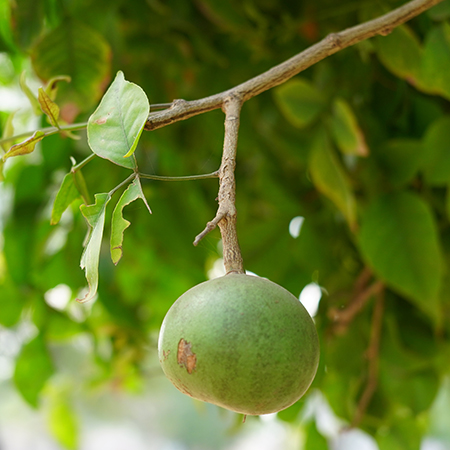
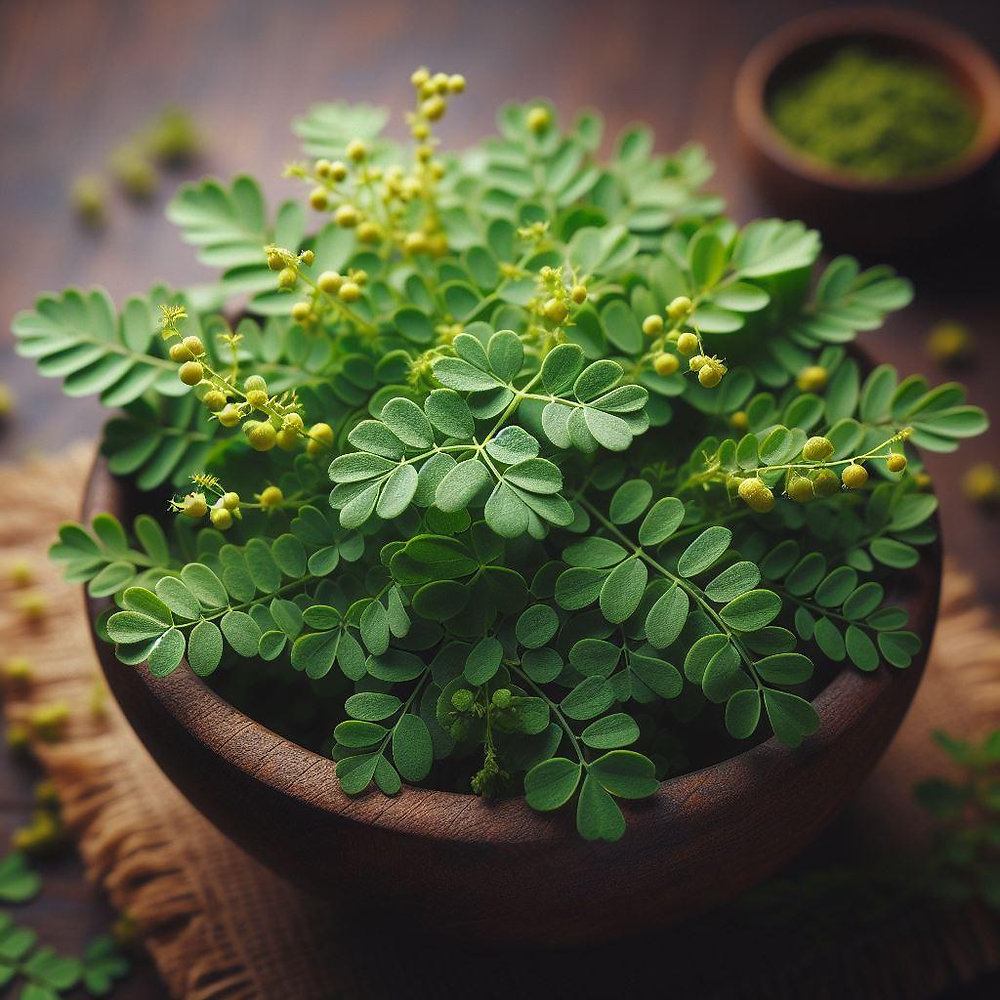


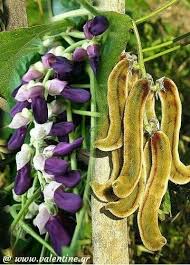

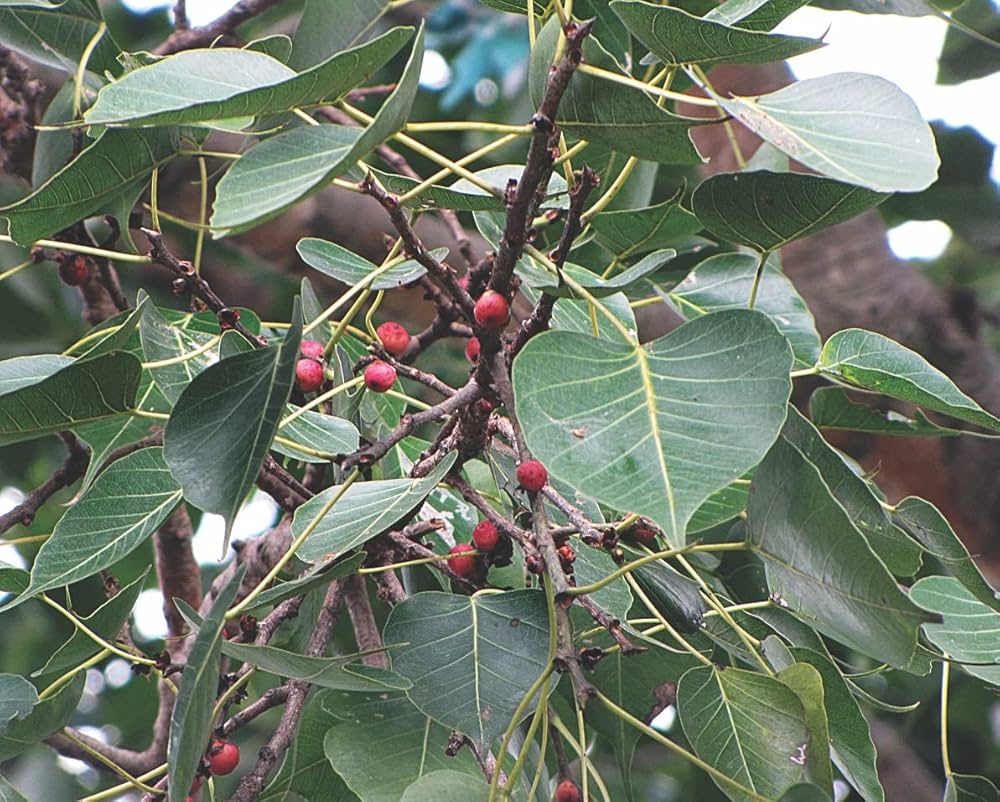
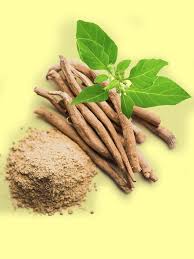
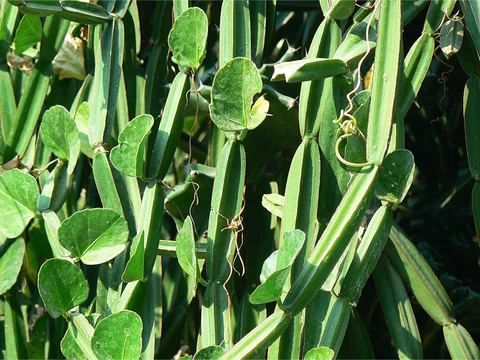

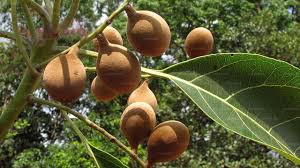
Terminalia belerica,
Combretaceae
Medicinal Uses
- Mouth ulcers: 10 gms coarse
powder of Bibhitaka stem bark
in one cup of water made a
decoction is used for gargling in
case of mouth ulcers.
- Bleeding wound: The fruit rind is
made into fine paste and applied
over the bleeding spots. This
helps to arrest bleeding in wound
instantly. - Grey hair: The seed marrow into
fine paste 50 gram, 200 ml sesame
oil is added and exposure to
sunshine for 10-12 days. Later it is
filtered and stored in glass bottle.
This oil is applied to the base of
the scalp in case of premature
graying of hairs . - Cough: 10gms vibithaki powder
with honey taken after meals
alleviates cough and dyspnoea. - Urinary calculus: 5gms of seed
powder of bibhitaki taken with
cup of radish juice removes
defects of urine and eliminates
calculus.
Vernacular names
Assamese : Bhomora, Bhomra, Bhaira
Bengali : Bayada, Baheda
English : Beleric Myrobalan
Gujrati : Bahedan
Hindi : Bahera
Kannada : Tare kai, Shanti Kayi
Kashmiri : Babelo, Balali
Malayalam : Tannikka
Marathi : Baheda
Oriya : Baheda
Punjabi : Bahera
Tamil : Thanrikkai
Telugu : Thanikkaya
Urdu : Bahera

Bibhitaka (Terminalia bellirica), or Baheda, is a crucial Ayurvedic herb and a key component of Triphala, known for its, astringent, laxative, and rejuvenating properties. It is widely used to manage respiratory issues (coughs, asthma), digestive disorders, and to promote hair health. This potent herb helps in detoxifying the body, balancing Kapha and Vata doshas, and supports liver health.
Key Aspects of Bibhitaka:
- Botanical Name & Family: Terminalia bellirica (Gaertn.) Roxb., belonging to the Combretaceae family.
- Common Names: Baheda (Hindi), Beleric Myrobalan (English), Aksha (Sanskrit).
- Medicinal Uses:
- Respiratory: Effective for treating coughs, sore throat, and asthma due to its anti-asthmatic and bronchodilatory properties.
- Digestive: Used to improve digestion, treat indigestion, and alleviate constipation.
- Hair & Skin: Helps in strengthening hair roots, reducing dandruff, and treating various skin disorders.
- Health Promotion: Acts as a rejuvenator, detoxifier, and has anti-inflammatory, antimicrobial, and antioxidant properties.
- Usage in Ayurveda: It is one of the three components of the famous “Triphala” formula.
- Ayurvedic Properties:
- Rasa (Taste): Kashaya (Astringent).
- Dosha Karma: Balances Kapha and Vata.
- Part Used: Primarily the fruit rind (dried).
Common Formulations:
It is native to Southeast Asia, including India, Sri Lanka, and Thailand.
