

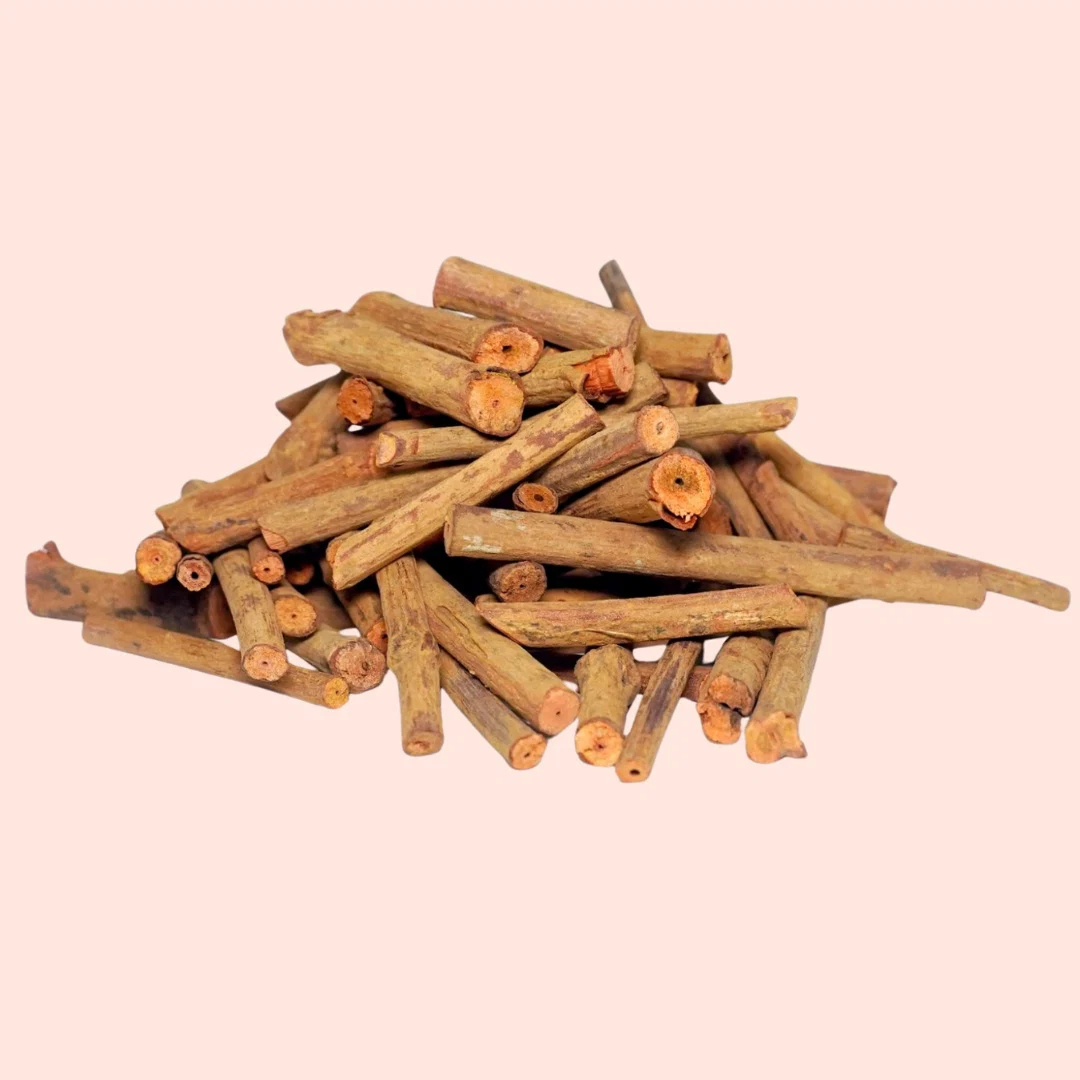
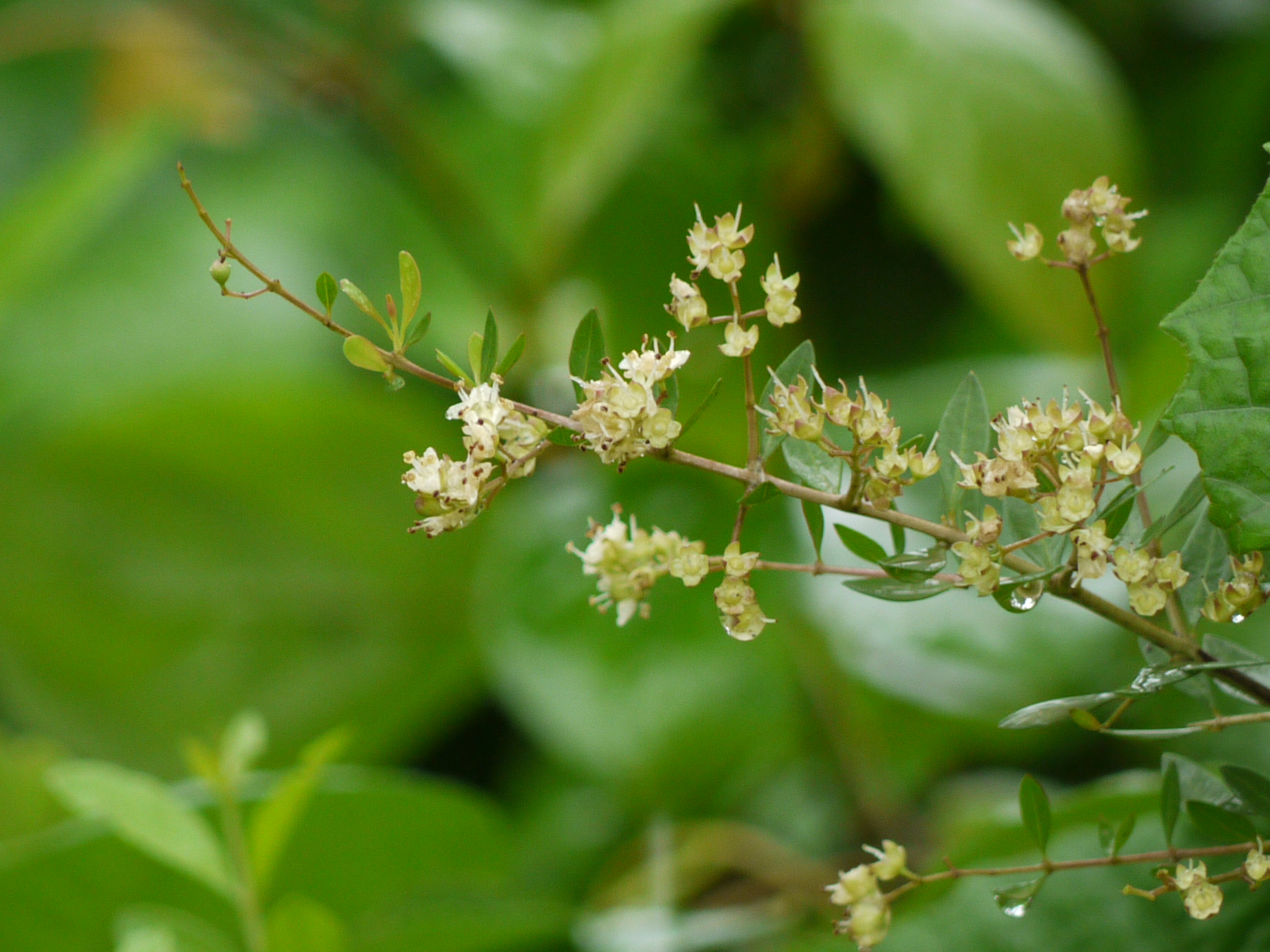

Aegle marmelos, Rutaceae
Introduction
Bilva, scientifically known as Aegle marmelos, is a sacred and highly valued plant in Ayurveda. Commonly known as Bael, Bilva is widely used for its powerful digestive, antimicrobial, and healing properties. It is also considered spiritually significant and is often associated with Lord Shiva.
Aegle marmelos, commonly known as Bilva or Bael, is one of the most sacred and therapeutically important medicinal plants in Ayurveda. Revered for centuries in traditional Indian medicine and spiritual practices, Bilva is widely valued for supporting digestion, bowel health, immunity, detoxification, and overall wellness naturally.
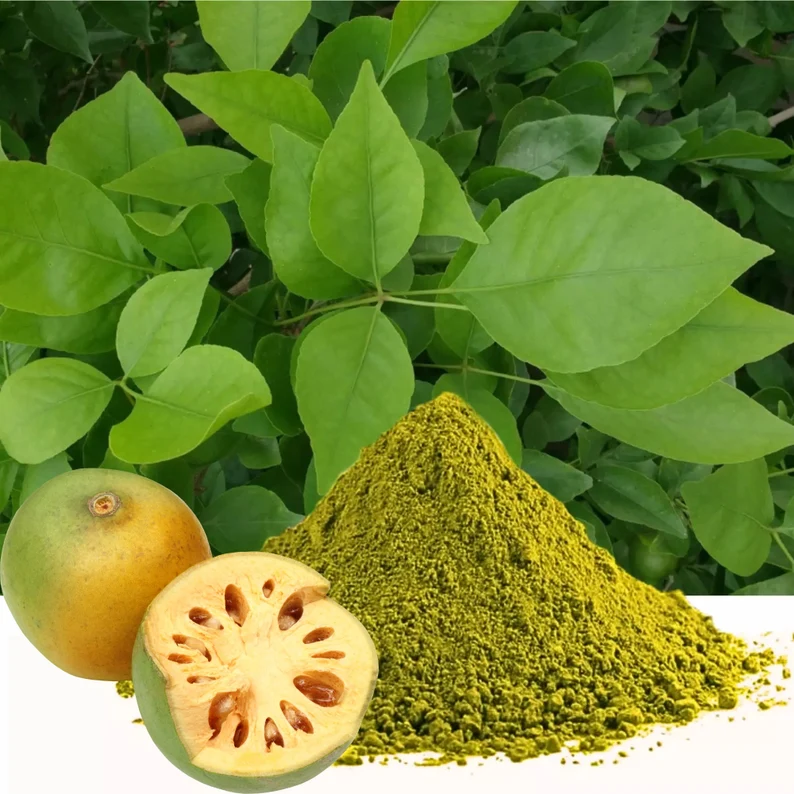
Bilva belongs to the Rutaceae family and grows as a medium-sized deciduous tree across India and other tropical regions. The tree is easily recognized by its trifoliate leaves, aromatic fruits, thorny branches, and strong medicinal properties. Different parts of the plant including fruits, leaves, roots, bark, and flowers are traditionally used in Ayurvedic formulations.
Ayurveda highly appreciates Bilva for its digestive-supportive, absorbent, rejuvenating, anti-inflammatory, and balancing properties. It is especially beneficial in conditions related to weak digestion, diarrhea, bloating, excess mucus, bowel irregularity, and Vata-Kapha imbalance.
Because of its sacred association with Shiva, Bilva leaves are also widely used in religious worship and spiritual rituals throughout India.
Vernacular Names of Bilva
| Language | Name |
|---|---|
| Sanskrit | Bilva |
| Hindi | Bael |
| English | Bael Fruit, Bengal Quince |
| Bengali | Bel |
| Gujarati | Bili |
| Tamil | Vilvam |
| Telugu | Maredu |
| Malayalam | Koovalam |
| Kannada | Bilpatre |
| Marathi | Bel |
| Urdu | Bael |
Botanical Description of Bilva
Bilva is a slow-growing medicinal tree known for its aromatic fruits and sacred leaves.
Root System
The tree possesses:
- Deep taproot system
- Strong branching roots
- Excellent drought tolerance
Its roots are also used in traditional Ayurvedic preparations.
Trunk and Bark
The trunk is:
- Rough and greyish
- Moderately thick
- Aromatic in nature
Young branches may contain sharp thorns.
Leaves
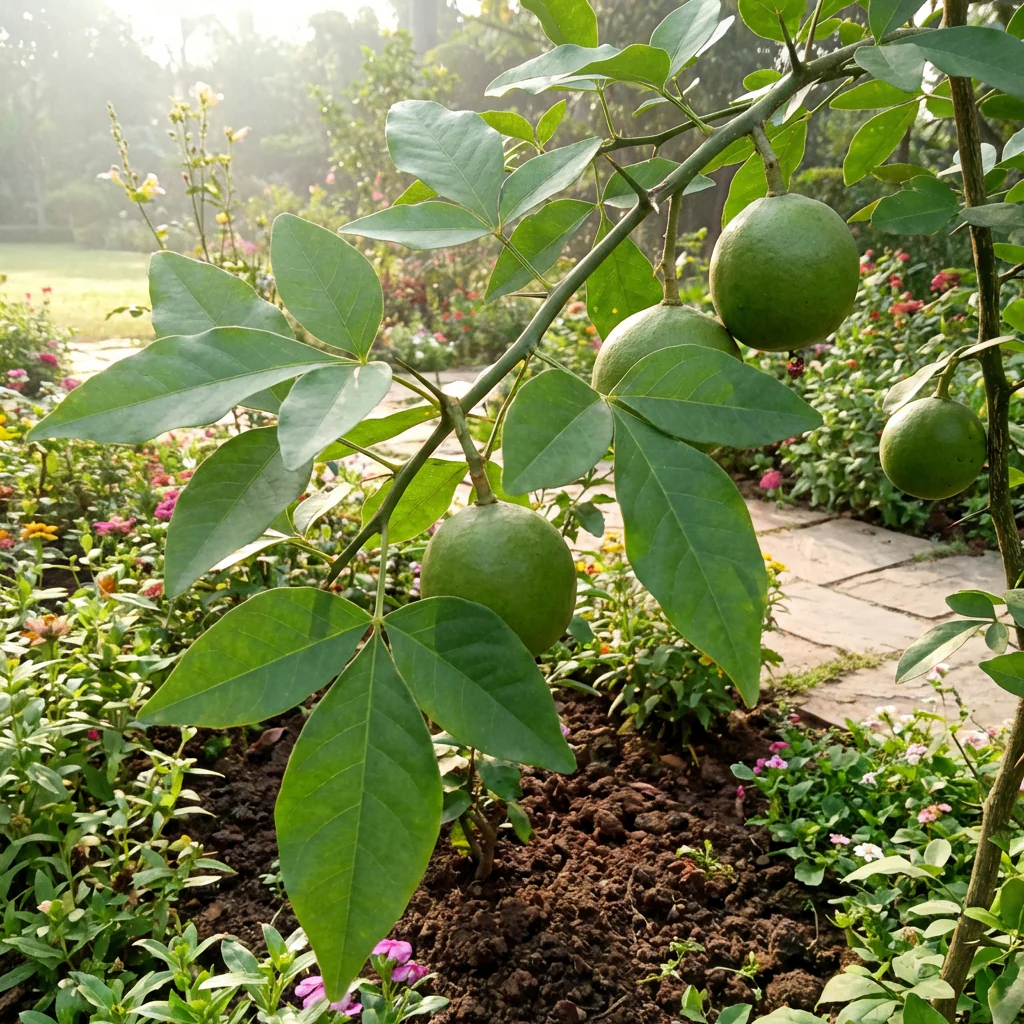
Bilva leaves are:
- Trifoliate (three leaflets)
- Aromatic
- Smooth-textured
- Green in color
These leaves hold both medicinal and spiritual significance.
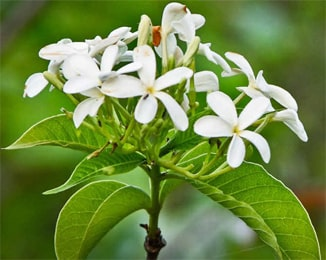
Flowers
The tree produces:
- Small greenish-white flowers
- Sweet fragrance
- Clustered flowering pattern
Flowering generally occurs during spring.
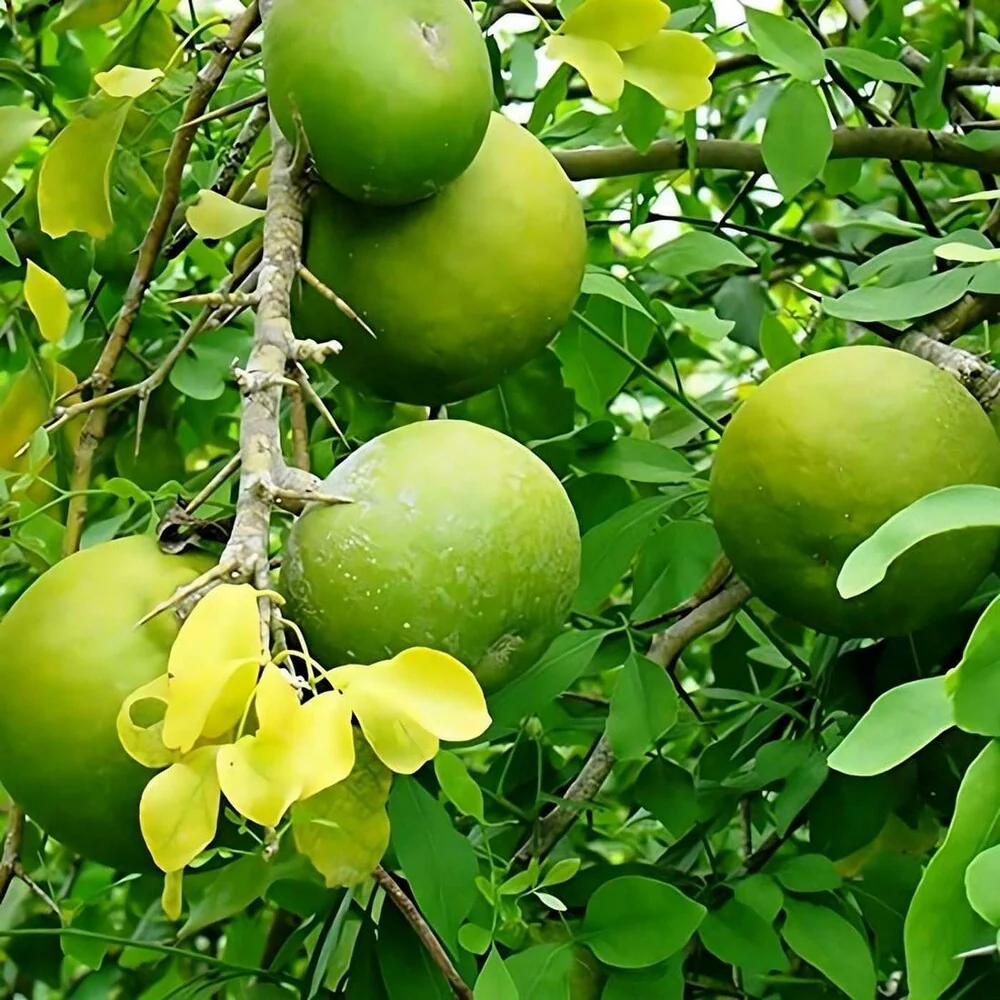
Fruits
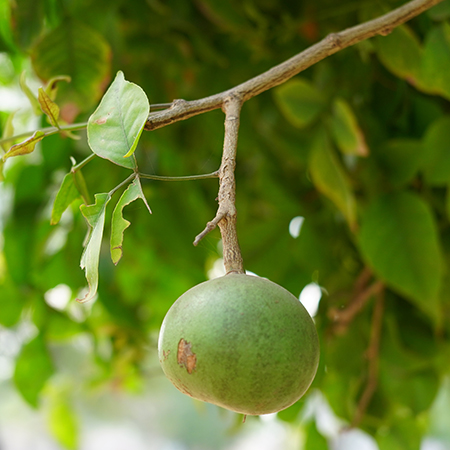
Bilva fruits are:
- Round or oval-shaped
- Hard-shelled
- Yellowish-green when ripe
- Sweet aromatic pulp inside
The fruit pulp is highly valued in Ayurvedic medicine and traditional nutrition.
Habitat and Distribution
Bilva naturally grows in:
- India
- Nepal
- Sri Lanka
- Southeast Asia
It commonly appears in:
- Forest regions
- Dry plains
- Temple surroundings
- Tropical gardens
The tree tolerates hot and dry climates well.
Habit and habitat
.jpg)
Aegle marmelos is native across the Indian subcontinent and Southeast Asia, and is cultivated throughout Sri Lanka, Tamilnadu, Thailand, and Malesia. Studies indicate the origin of the bael fruit in India, in the Eastern Ghats and in the central to northern parts of the country. In this country, states where the bael fruit is grown include Uttar Pradesh, states in Eastern India (Bihar, West Bengal, Madhya Pradesh, Jharkhand, and Orissa), as well as in the Himalayan foothills, the Deccan plateau and the Indo-Gangetic plains.
It occurs in dry, open forests on hills and plains at altitudes from 0–1,200 m (0–3,937 ft) with mean annual rainfall of 570–2,000 mm (22–79 in). It has a reputation in India for being able to grow in places that other trees cannot. It copes with a wide range of soil conditions (pH range 5–10), is tolerant of waterlogging and has an unusually wide temperature tolerance from −7–48 °C (19–118 °F). It requires a pronounced dry season to give fruit.
Ayurvedic Properties of Bilva
Ayurveda considers Bilva one of the best herbs for digestive and bowel wellness.
Rasa (Taste)
Bilva possesses:
- Kashaya (Astringent)
- Tikta (Bitter)
- Madhura (Sweet)
Benefits:
- Supports digestion
- Helps bowel balance
- Reduces excess mucus
- Maintains appetite
Guna (Qualities)
The herb contains:
- Laghu (Light)
- Ruksha (Dry)
Ayurvedic Effects:
- Reduces sluggishness
- Supports metabolism
- Helps absorb excess moisture
Virya (Potency)
Bilva has:
- Ushna Virya (Warming potency)
Benefits:
- Improves digestion
- Supports bowel function
- Helps reduce Vata and Kapha imbalance
Vipaka (Post-Digestive Effect)
Bilva possesses:
- Katu Vipaka
This supports:
- Digestive stimulation
- Healthy metabolism
- Reduction of excessive Kapha
Dosha Effect
Bilva helps balance:
- Vata Dosha
- Kapha Dosha
Excessive use may aggravate Pitta in sensitive individuals.
Health Benefits of Bilva
1. Supports Healthy Digestion
Bilva is one of Ayurveda’s most respected herbs for supporting digestion and gut health naturally.
Benefits:
- Improves digestive fire (Agni)
- Supports appetite
- Helps reduce indigestion
- Maintains digestive balance
Bilva fruit pulp is traditionally consumed for digestive wellness.
2. Helps Maintain Bowel Health
Bilva is especially valued for maintaining healthy bowel function.
Traditionally Helpful For:
- Mild diarrhea
- Loose stools
- Bowel irregularity
- Excess intestinal moisture
Its absorbent and astringent nature supports stool consistency naturally.
3. Reduces Bloating and Gas
Bilva helps calm Vata imbalance in the digestive system.
Benefits Include:
- Reduction of bloating
- Relief from abdominal discomfort
- Reduced gas accumulation
- Improved digestive comfort
4. Supports Gut Strength
Ayurveda traditionally uses Bilva to strengthen intestinal function and maintain gut stability naturally.
5. Natural Detoxifying Herb
Bilva supports internal cleansing and digestive detoxification.
Traditional Detoxifying Benefits:
- Helps remove Ama (toxins)
- Supports healthy elimination
- Maintains digestive purity
- Promotes metabolic balance
6. Supports Immunity
Bilva is traditionally associated with supporting natural body resistance and overall wellness.
Benefits:
- Tissue nourishment
- Metabolic balance
- Gut-related immune support
- Rejuvenation
7. Helps Balance Kapha
Bilva’s warming and drying qualities help reduce excess Kapha.
Helpful In:
- Sluggish digestion
- Excess mucus
- Heaviness
- Low digestive fire
Bilva in Ayurveda
Different parts of the Bilva tree are traditionally used:
| Part | Traditional Use |
|---|---|
| Fruit | Digestion and bowel support |
| Leaves | Detoxification and spiritual rituals |
| Roots | Ayurvedic formulations |
| Bark | Traditional wellness preparations |
Bilva is also included in several classical Ayurvedic formulations.
Traditional Ayurvedic Uses of Bilva
Bilva is traditionally used for:
- Weak digestion
- Diarrhea
- Bloating
- Gas accumulation
- Excess Kapha
- Gut imbalance
- Digestive weakness
Effect on Agni (Digestive Fire)
Bilva strongly supports digestive fire and metabolic activity naturally.
It traditionally helps:
- Stimulate digestion
- Improve appetite
- Reduce sluggish metabolism
- Maintain bowel balance
Effect on Dhatus (Body Tissues)
Bilva traditionally supports:
Rasa Dhatu
Supports nutritive fluid balance.
Rakta Dhatu
Helps maintain healthy circulation.
Mamsa Dhatu
Supports tissue nourishment.
Effect on Srotas (Body Channels)
Bilva mainly acts on:
- Annavaha Srotas (digestive channels)
- Purishavaha Srotas (excretory channels)
It helps maintain digestive and bowel harmony naturally.
Growing Conditions of Bilva
Climate
- Tropical and subtropical climate
- Hot dry conditions tolerated
Soil
- Well-drained fertile soil
- Sandy loam preferred
Sunlight
- Full sunlight ideal
The tree grows slowly but survives well in harsh climates.
Spiritual Importance of Bilva
Bilva leaves are considered sacred in Hindu tradition and are especially offered to Shiva during worship rituals.
The trifoliate leaf structure is symbolically associated with spiritual purity and divine balance.
Special Botanical Features
Bilva is easily recognized by:
- Trifoliate aromatic leaves
- Hard-shelled fruits
- Thorny branches
- Fragrant flowers
- Medicinal fruit pulp

Benefits of Bilva
1. Supports Digestive Health
- Aids in digestion, relieves bloating, and balances stomach acids.
- Effective in diarrhea, constipation, dysentery, and IBS.
- Improves gut flora and prevents gastric disorders.
2. Boosts Immunity
- Acts as a natural detoxifier, supporting liver function.
- Rich in antioxidants that help protect the body from infections.
3. Enhances Respiratory Health
- Reduces symptoms of asthma, bronchitis, and seasonal allergies.
- Clears excess mucus and relieves congestion.
4. Regulates Blood Sugar
- Helps manage diabetes by stabilizing blood sugar levels.
- Improves insulin sensitivity and reduces sugar spikes.
5. Promotes Skin Health
- Has anti-inflammatory and antimicrobial properties.
- Treats acne, eczema, and skin irritations.
- Speeds up wound healing when applied as a paste.
6. Supports Detoxification
- Purifies blood, liver, and kidneys, helping to remove toxins.
- Reduces body heat and inflammation.
7. Relieves Stress and Anxiety
- Acts as an adaptogen, helping the body manage stress.
- Promotes mental clarity and relaxation.
- Useful for insomnia and nervous system balance.
8. Anti-inflammatory and Antioxidant Properties
- Beneficial in reducing joint pain and chronic inflammation.
- Helps manage conditions like arthritis and inflammatory disorders.
How to Use Bilva?
1. Bilva Fruit
- Juice: 20-30 ml mixed with water or honey, once daily.
- Pulp: 1-2 tablespoons of ripe fruit pulp, taken before meals.
- Powder: 1-3 grams, consumed with warm water or milk.
2. Bilva Leaves
- Decoction: 10-15 ml twice daily for fever and inflammation.
- Fresh Paste: Applied externally for skin infections and wounds.
3. Bilva Bark
- Powder: 1-3 grams daily for digestive issues.
- Decoction: Used for diabetes and respiratory problems.
4. Bilva Tea
- Dried leaves or powder brewed in hot water for immunity and stress relief.
Recommended Dosage of Bilva
| Form | Dosage |
| Powder (Churna) | ¼ to ½ teaspoon twice a day |
| Decoction (Kashayam) | 1-2 cups per day |
| Paste (Lepa) | Applied externally on skin/hair |
| Oil (Taila) | Used for massage & scalp care |
Precautions
- Constipation: Overuse of unripe Bilva fruit can lead to hard stools.
- Low Blood Sugar: Diabetics should monitor sugar levels when using Bilva.
- Pregnancy & Breastfeeding: Consult an Ayurvedic practitioner before use.
- Allergic Reactions: Rare but possible in sensitive individuals.
Medicinal Uses
- Prameha(Diabetes): Take 15ml
of leaf juice once in a day before
food to manage diabetes and
reduce excess urination.
- Intestinal worms: 5 grams of
dried and powdered pulp of the
bilva fruit with butter milk should
be administered twice a day
for one week for elimination of
intestinal worms - Piles: Crush an unripe bilva fruit,
3gms of dried ginger and 3gms of
fennel soak this mixture in 200ml
of Hot water over night. Consume
this water in dose of 50ml 3 to 4
times a day to heal piles. - Constipation: Intake of 5gms of
bilva fruit pulp mixed in a glass of
butter milk or warm water twice
a day to get relief from irritable
bowel syndrome, constipation
and indigestion. - Chronic diarrhea: Dry the slices
of an unripe bilva fruit in sun and
grind them into powder. intake
of 5gms of this powder along
with warm water 2 times a day is
useful. - Jaundice: Administration
of 3gms of black pepper in a 15ml
of bilva leaves juice followed by
butter milk twice or thrice a day
in beneficial in Jaundice. - Mouth ulcers: Consume the
mixture of a 20ml of bilva fruit
pulp and a teaspoon of sugar
in the morning on an empty
stomach for 3 days. It heals
stomach and mouth ulcers.
Frequently Asked Questions FAQs
1. Can Bilva be consumed daily?
Yes, Bilva fruit or powder can be consumed daily in moderation for digestive health and immunity.
2. Is Bilva good for weight loss?
Yes, Bilva improves digestion, metabolism, and detoxification, aiding in weight management.
3. How does Bilva help in diabetes?
Bilva helps regulate insulin levels and glucose metabolism, making it beneficial for diabetes management.
4. Can Bilva be applied to the skin?
Yes, Bilva leaf paste helps treat acne, wounds, and skin irritations due to its antimicrobial properties.
5. Is Bilva safe for children?
Yes, Bilva fruit and juice are generally safe for children in small amounts. However, excess consumption should be avoided.
Conclusion
Aegle marmelos, commonly known as Bilva or Bael, is one of the most sacred and therapeutically important medicinal trees in Ayurveda traditionally valued for supporting digestion, bowel health, detoxification, immunity, and overall wellness naturally. For centuries, Bilva has remained an essential part of Ayurvedic healthcare because of its remarkable digestive-supportive, absorbent, balancing, and rejuvenating properties.
Ayurveda especially appreciates Bilva for its ability to strengthen digestive fire (Agni), maintain healthy bowel function, reduce excessive moisture in the intestines, and support proper metabolism naturally. Its astringent, warming, and light qualities make it highly beneficial in conditions associated with weak digestion, diarrhea, bloating, gas accumulation, sluggish metabolism, and Kapha-Vata imbalance.
Bilva fruit is traditionally regarded as one of the most effective natural remedies for supporting gut stability and intestinal balance. At the same time, its detoxifying and cleansing nature helps remove accumulated toxins (Ama), promote healthy elimination, and maintain internal harmony within the digestive system. Because digestive wellness is considered central to overall health in Ayurveda, Bilva holds a very important place in traditional herbal medicine.
Beyond digestive support, Bilva is also associated with immunity, tissue nourishment, metabolic balance, and natural rejuvenation. Different parts of the tree — including fruits, leaves, roots, bark, and flowers — are traditionally used in Ayurvedic formulations designed for promoting holistic wellness and strengthening body functions naturally.
Bilva also carries deep spiritual significance in Indian culture due to its sacred association with Shiva. Its trifoliate leaves are widely used in worship rituals and symbolize purity, balance, and spiritual harmony. This unique combination of medicinal and spiritual importance makes Bilva one of the most respected trees in both Ayurveda and traditional Indian traditions.
Despite being a hardy tree commonly found in tropical regions, Bilva continues to remain highly valued because of its broad range of traditional health-supportive properties. When properly used under Ayurvedic guidance, Bilva may help support healthy digestion, bowel regularity, detoxification, appetite, gut strength, immune balance, and overall vitality naturally.
Its long-standing reputation in Ayurveda and holistic wellness continues to make Bilva one of the most trusted medicinal trees for maintaining digestive harmony, internal balance, and natural well-being.
