









Introduction
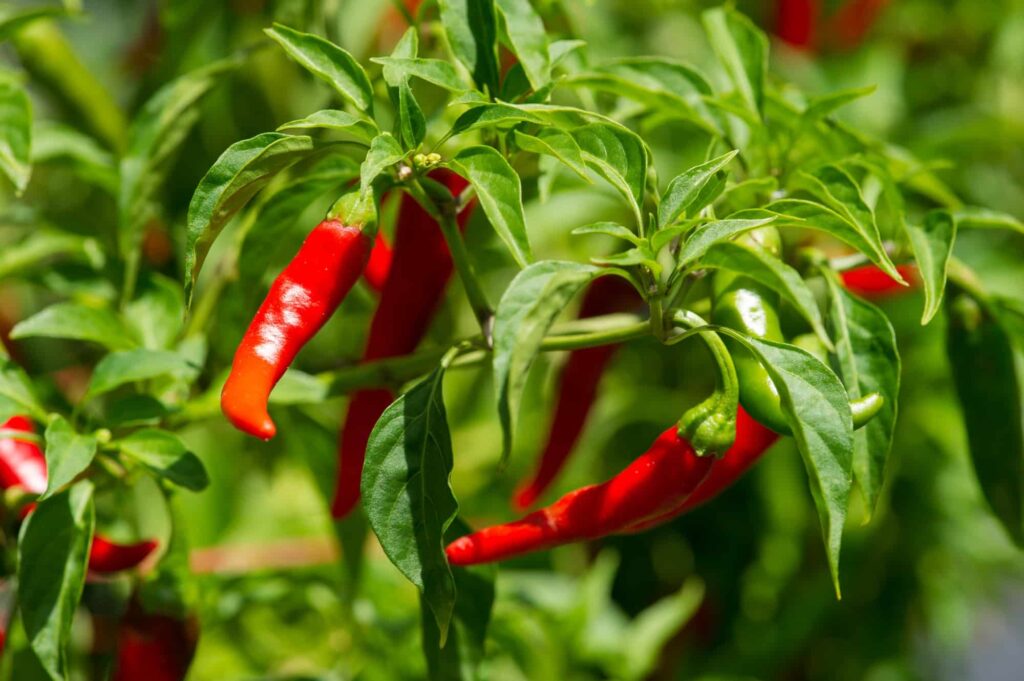
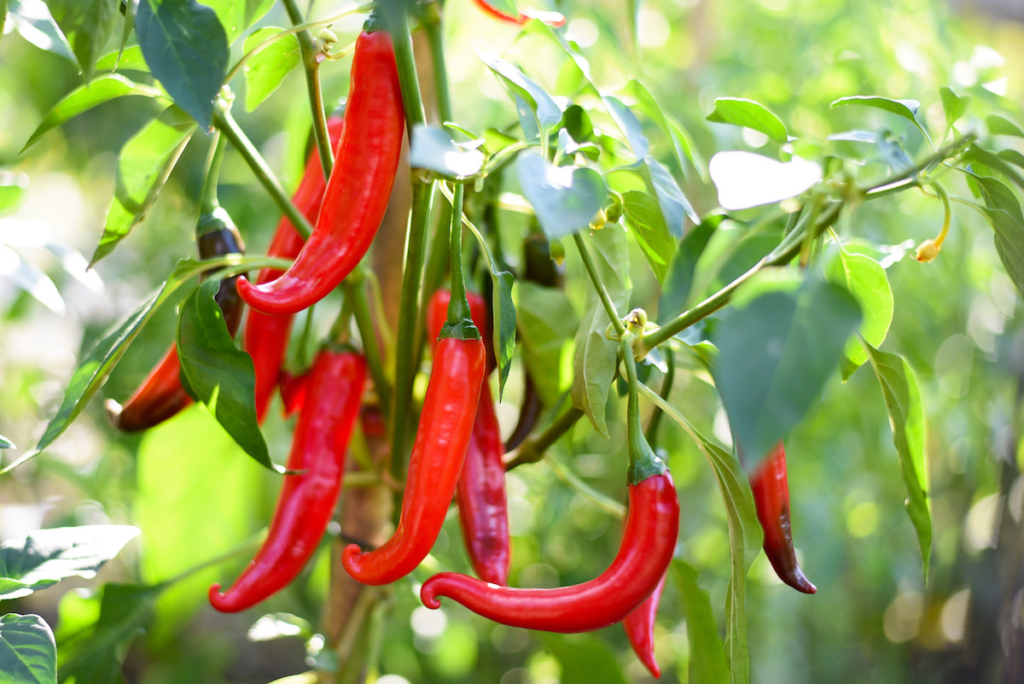
Cayenne is a popular medicinal and culinary herb known for its hot, spicy taste and powerful healing properties. It is derived from chili peppers and has been used for centuries in traditional medicine systems such as Ayurveda and Native American medicine. Cayenne is especially valued for improving circulation, boosting metabolism, and supporting digestion.
Cayenne is a well-known medicinal and culinary herb derived from hot chili peppers, valued for its strong spicy taste and powerful healing properties. It has been used for centuries in traditional medicine systems such as Ayurveda and Native American medicine, especially for improving circulation and supporting digestion.
The main active compound in cayenne is capsaicin, which gives it its heat and contributes to its therapeutic effects. Cayenne is commonly used to stimulate metabolism, enhance blood flow, relieve pain, and support overall health.
With its wide range of benefits and long history of use, cayenne continues to be an important natural remedy, both as a spice in daily cooking and as a medicinal herb for promoting overall well-being.
Botanical Description
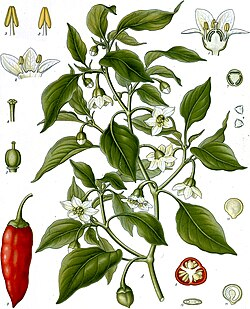
- Scientific Name: Capsicum annuum
- Family: Solanaceae
- Plant Type: Annual plant
- Part Used: Fruit (pepper)
- Taste: Very pungent and hot
- Nature: Hot
Common Names
- English: Cayenne Pepper
- Hindi: Lal Mirch
- Other Names: Red Pepper
Active Compounds
- Capsaicin (main active compound)
- Vitamins A, C, and E
- Flavonoids
Capsaicin is responsible for cayenne’s heat and many of its medicinal benefits.
Traditional Uses
1. Circulation Improvement
Cayenne helps:
- Improve blood circulation
- Strengthen heart function
- Support cardiovascular health
2. Digestive Health
It is used to:
- Stimulate digestion
- Reduce gas and bloating
- Improve appetite
3. Pain Relief
Cayenne is applied externally to:
- Relieve muscle and joint pain
- Reduce nerve pain
4. Metabolism Boost
It helps:
- Increase metabolism
- Support weight management
5. Cold and Congestion Relief
Traditionally used to:
- Clear nasal congestion
- Reduce cold symptoms
6. Detoxification
Cayenne supports:
- Removal of toxins
- Improved circulation for cleansing
Ayurvedic Perspective
In Ayurveda, cayenne is considered:
- Rasa (Taste): Pungent
- Virya (Nature): Hot
- Effect: Reduces Kapha, increases Pitta
Methods of Use
- Powder: Added to food
- Capsules: For medicinal use
- Topical Cream: For pain relief
- Tea/Drink: Mixed with warm water and honey
Precautions
- Avoid excessive use
- May cause irritation in sensitive individuals
- Not suitable for ulcers or severe acidity
- Use carefully during pregnancy
Side Effects
- Burning sensation
- Stomach irritation
- Skin irritation (external use)
Conclusion
Cayenne is a powerful and versatile herb known for its ability to improve circulation, boost metabolism, and relieve pain. Its active compound capsaicin makes it an effective natural remedy for various health conditions. When used properly, cayenne can be a valuable addition to both diet and herbal medicine.
Cayenne is a powerful medicinal herb known for its strong stimulating and healing properties. It is especially effective in improving blood circulation, boosting metabolism, aiding digestion, and relieving pain. Its active compound, capsaicin, plays a key role in providing these health benefits.
With its wide range of uses in both traditional medicine and daily cooking, cayenne remains a valuable natural remedy. However, it should be used in proper amounts, as excessive use may cause irritation or discomfort.
Overall, cayenne stands out as a potent and versatile herb that supports overall health and vitality when used responsibly.
What is Cayenne?
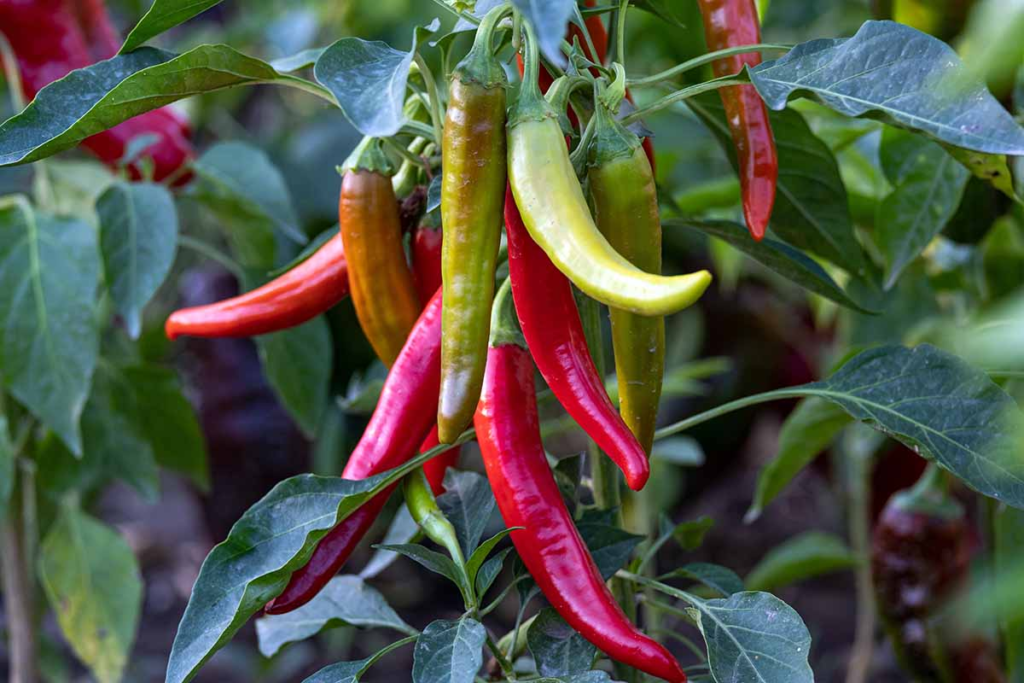
Active Compound: Capsaicin – responsible for the heat and medicinal effects
Common Name: Cayenne Pepper
Botanical Name: Capsicum annuum or Capsicum frutescens
Part Used: Fruit (usually dried and powdered)
In cuisine
.jpg)
Cayenne powder may be a blend of different types of chili peppers. It is used in its fresh form, or as dried powder on seafood, all types of egg dishes (devilled eggs, omelettes, soufflés), meats and stews, casseroles, cheese dishes, hot sauces, and curries. In North America, the primary cultivar in crushed red pepper is cayenne. It is also used in some varieties of hot sauce in North America, such as Frank’s RedHot, Texas Pete and Crystal.
