

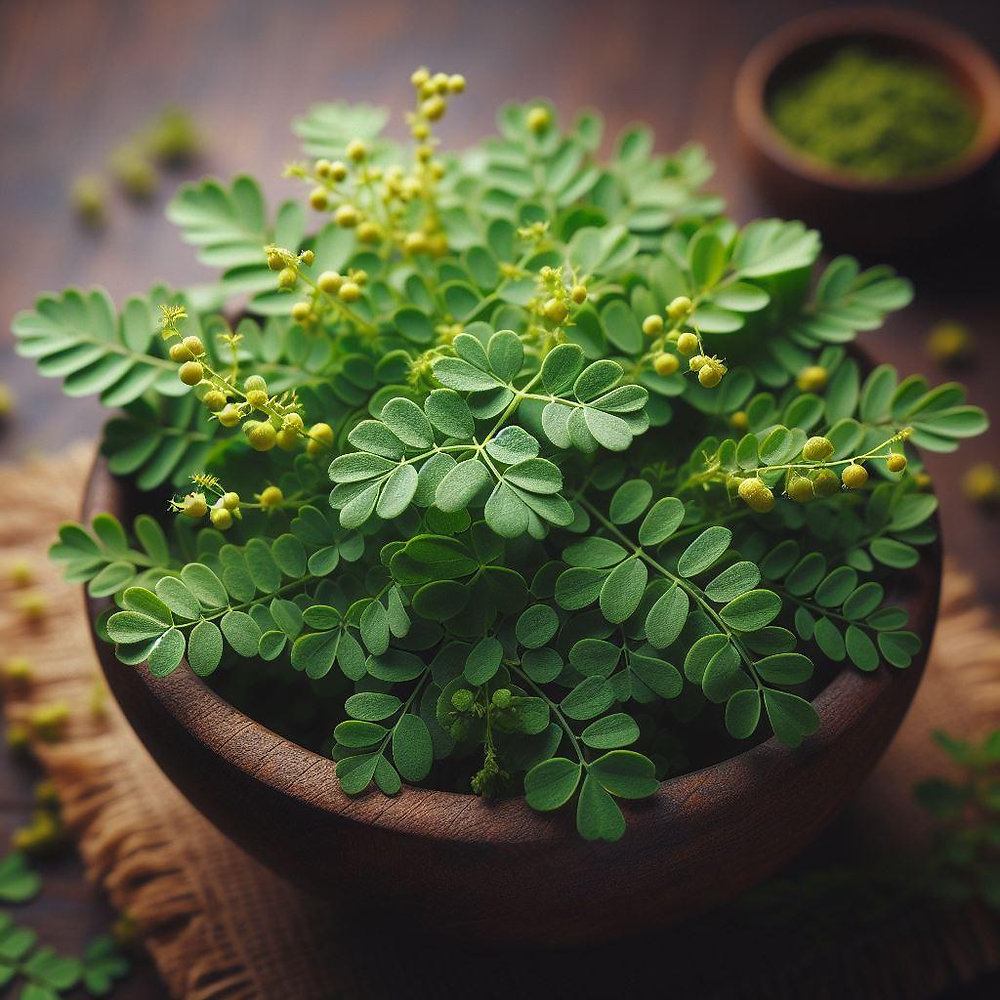
![Bacopa monnieri, also known as water hyssop,[1] brahmi,[2] thyme-leafed gratiola, herb of grace,[2] and Indian pennywort, is a perennial, creeping herb native to wetland areas globally.[](https://knowledgeaayurveda.com/wp-content/uploads/2026/02/brahmi.avif)




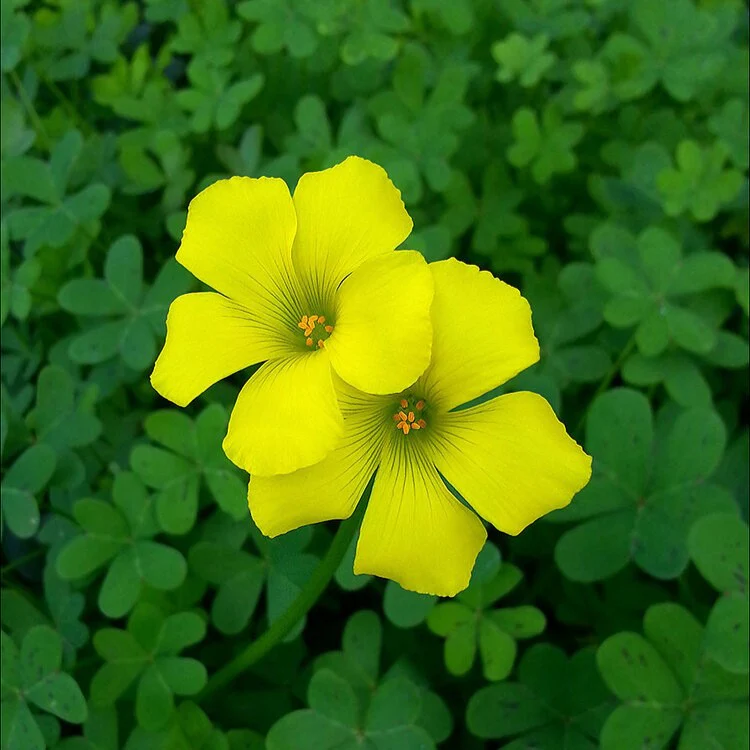
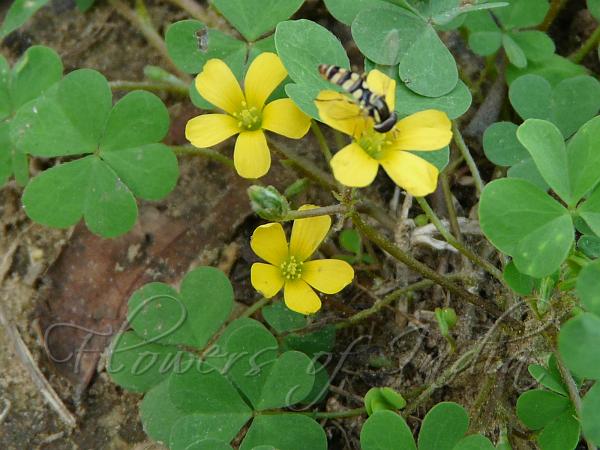
Oxalis corniculata,
Oxalidaceae
Medicinal Uses
- Diarrhoea: 15-25ml of leaves
juice of changeri is administered
twice daily bloody diarrhoea,
prolapse of rectum etc. It can
also be administered along with
butter milk for better results.
- Painful swelling: Luke warm
leaves paste of changeri used
as an external application in
the painful swelling or any
inflammation. This will provide a
cooling effect to these areas and
reduce the symptoms. - Fever: 10gms of changeri whole
plant paste boiled in 100ml of
water till it reduced to 25ml.
The decoction is taken internally
twice daily in case of fever. - Warts: Equal quantity of changeri
leaves juice and onion juice
is mixed and applied in the
areas of wart and molluscum
contagiosum. The daily use of this
will show good results. - Headache: Fine leaves paste of
changeri is applied externally over
forehead is useful in headache. - Hyperemesis gravidarum:
External application of chutney
prepared from the changeri
leaves, ground coconut, salt and
lemon juice can give relief this
condition.
Vernacular names
Assamese : Chengeritenga
Bengali : Amrul
English : Indian Sorrel
Gujarati : Ambolee, Changeri, Teen
Panaki, Rukhadi
Hindi : Tinpatiya, Changeri, Ambilosa
Kannada : Pullamouradi, Sivargee,
Purachi Soppu
Malayalam : Pulliparel
Marati : Ambutee, Ambatee, Ambti,
Bhui Sarpati
Punjabi : Khatkal, Khattibootee,
Khatmittha
Tamil : Puliyarai
Telugu : Pulichinta
Urdu : Changeri, Teen Patiya
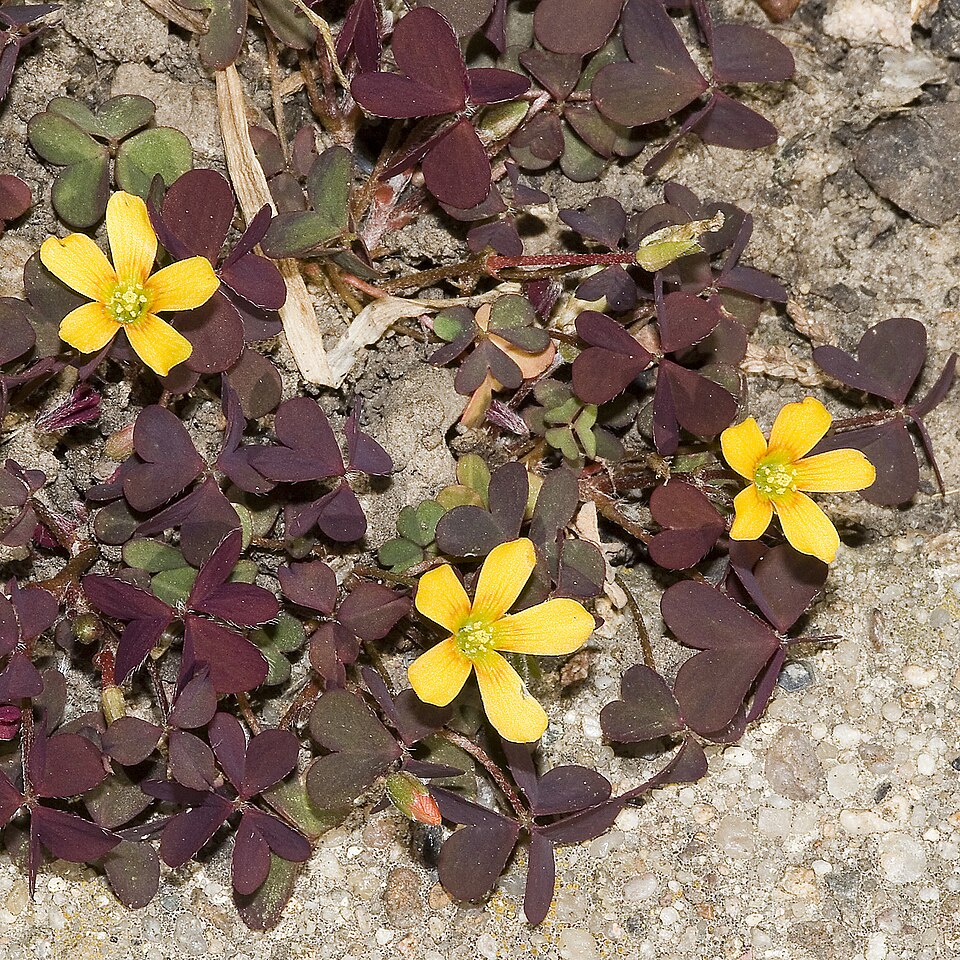
Oxalis corniculata, the creeping woodsorrel, procumbent yellow sorrel[2] or sleeping beauty, is a somewhat delicate-appearing, low-growing herbaceous plant in the family Oxalidaceae.
Oxalis corniculata is a small creeping type of woodsorrel that tends to grow well in moist climates.[3] It resembles the common yellow woodsorrel, Oxalis stricta.
Distribution
This species probably comes from southeastern Asia.[5] It was first described by Linnaeus in 1753[6] using specimens from Italy, and it seems to have been introduced to Italy from the east before 1500.[5] It is now cosmopolitan in its distribution and is often regarded as a weed in gardens,[7] agricultural fields, and lawns.[
