


Introduction
Comfrey is a traditional medicinal herb widely known for its powerful healing properties, especially for bones, joints, and skin. Native to Europe and parts of Asia, it has been used for centuries in herbal medicine to treat wounds, fractures, and inflammation. The roots and leaves of the plant are mainly used for medicinal purposes.
Comfrey is a traditional medicinal herb widely known for its powerful healing properties, particularly for bones, joints, and skin. Native to Europe and parts of Asia, it has been used for centuries in herbal medicine to treat fractures, wounds, and inflammation. The roots and leaves of the plant are mainly used for medicinal purposes.
This herb contains active compounds such as allantoin, which helps promote cell growth and tissue repair, making it highly effective for healing injuries. Comfrey is especially valued for reducing swelling, relieving pain, and supporting faster recovery of damaged tissues.
Due to its strong healing abilities, Comfrey continues to be an important herb in natural medicine, although it is mainly recommended for external use because of potential internal toxicity.
Botanical Description
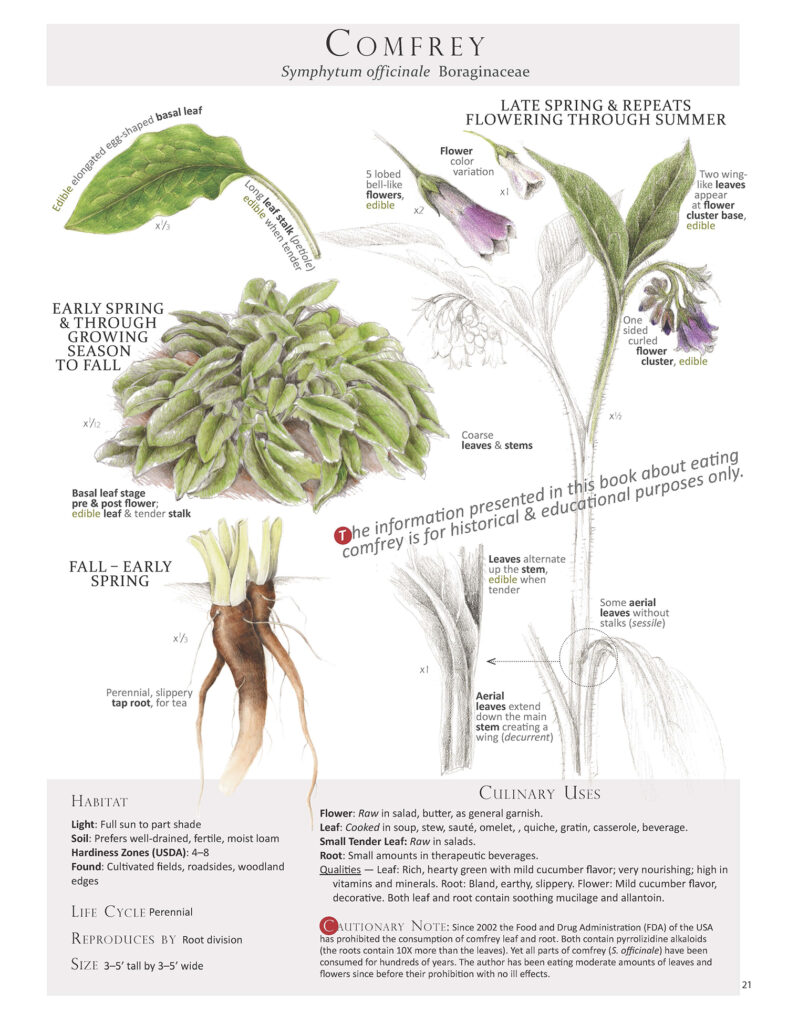
- Scientific Name: Symphytum officinale
- Family: Boraginaceae
- Plant Type: Perennial herb
- Parts Used: Roots and leaves
- Taste: Slightly bitter
- Nature: Cooling
Common Names
- English: Comfrey
- Other Names: Knitbone
Active Compounds
- Allantoin
- Rosmarinic acid
- Tannins
These compounds support tissue repair and reduce inflammation.
Traditional Uses
1. Bone and Joint Health
Comfrey is widely used to:
- Heal fractures
- Strengthen bones
- Reduce joint pain
2. Wound Healing
It helps:
- Heal cuts and wounds
- Promote skin regeneration
3. Anti-inflammatory Effects
Comfrey reduces:
- Swelling
- Muscle pain
4. Skin Health
Traditionally used to:
- Treat burns and rashes
- Soothe irritated skin
5. Sprains and Injuries
It helps:
- Relieve sprains
- Speed up recovery
Methods of Use
- Ointment/Cream: Applied externally
- Poultice: Fresh leaves applied to skin
- Oil: Used for massage
Precautions
- For external use only
- Contains compounds that may harm the liver if taken internally
- Avoid use on open wounds
- Not recommended during pregnancy
Side Effects
- Skin irritation (rare)
- Toxic if used internally
Conclusion
Comfrey is a powerful herbal remedy known for its ability to promote healing of bones, joints, and skin. Its natural compounds help reduce inflammation and support tissue repair. However, it should only be used externally and with caution due to potential toxicity.
Comfrey is a powerful medicinal herb well known for its ability to support healing of bones, joints, and skin. Its natural compounds promote tissue repair, reduce inflammation, and help relieve pain, making it especially useful for injuries such as sprains and bruises.
However, due to the presence of certain toxic compounds, comfrey should be used with caution and is recommended only for external application. Proper use ensures its effectiveness while avoiding potential risks.
Overall, comfrey remains a valuable herbal remedy for external healing, offering strong support for recovery and overall physical well-being when used responsibly.
How Comfrey Herb Affects the Skin
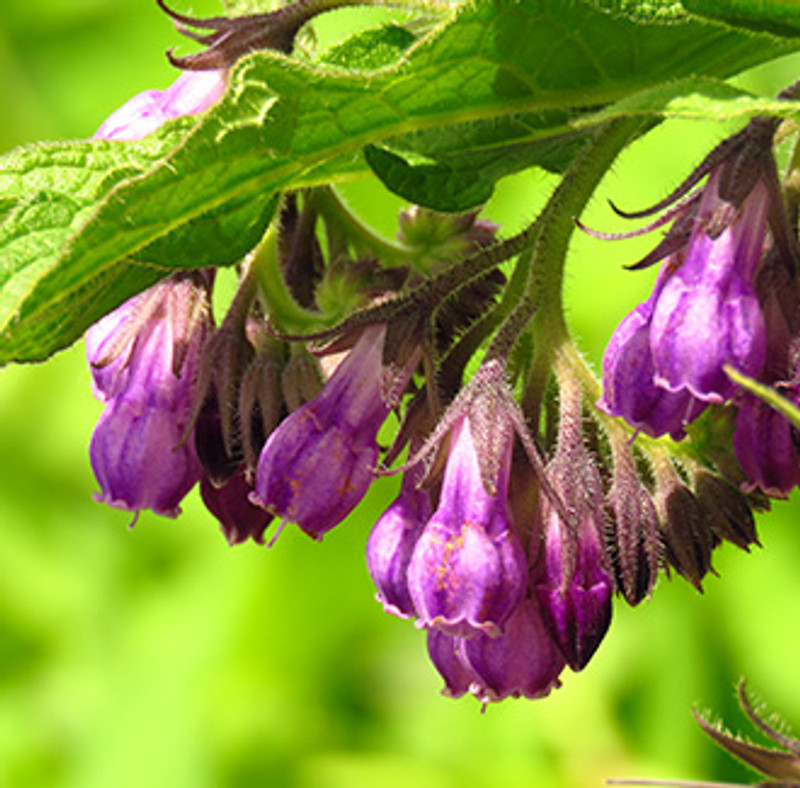
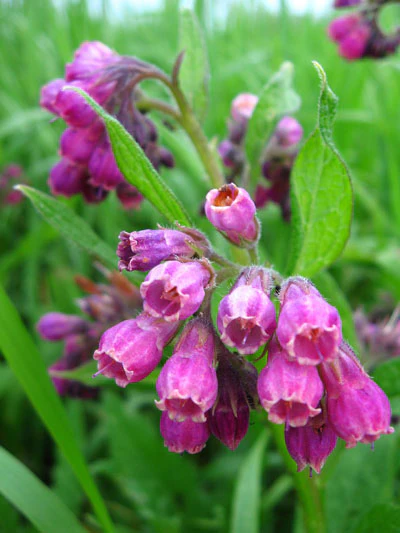
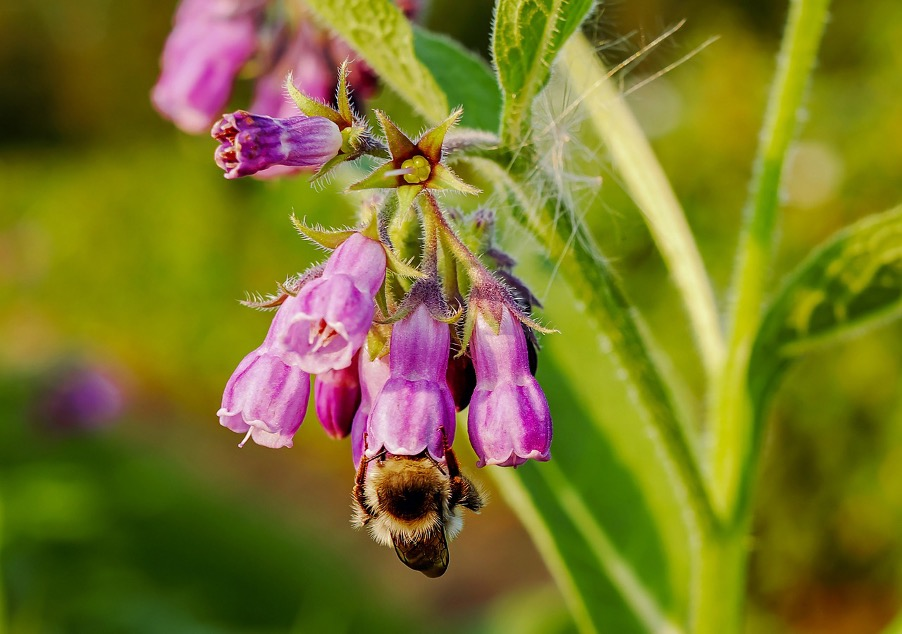
Comfrey is a plant with fuzzy leaves and purple or white flowers, growing in damp places like Europe and North America. Its root and leaves are used in herbal ways, often turned into oil, salve, or a paste. It’s famous for fixing skin fast. Here’s how it helps:
- Heals Wounds Quick:
- Comfrey has something called allantoin that makes new skin grow faster. It’s great for cuts, scrapes, or burns that aren’t too deep.
- How to Use: Rub comfrey salve (leaves or root in oil and wax) on the spot.
- Soothes Sore Skin:
- It calms down red, itchy stuff like rashes or bug bites with its anti-swelling power. It feels cool and soft on angry skin.
- How to Use: Put a comfrey paste (crushed leaves or root) or cold tea on irritated areas.
- Fixes Bruises and Bumps:
- It helps blood move better under the skin, so bruises fade quicker. It’s like a helper for banged-up spots.
- How to Use: Dab comfrey oil or a wet cloth soaked in comfrey tea on bruises.
- Softens Rough Skin:
- Comfrey’s gooey mucilage keeps dry or cracked skin moist, making it smooth again, like on hands or heels.
- How to Use: Massage comfrey cream or oil into dry patches.
Why It Works
Comfrey’s got allantoin and tannins—stuff that fixes skin cells and tightens them up—plus mucilage to keep things soft. It’s called “knitbone” because it mends so well, almost like magic for skin and even bones (but only outside!).
Simple Tips
- Outside Only: Don’t eat it or put it on big, open cuts—it has chemicals (pyrrolizidine alkaloids) that can hurt your liver if used wrong.
- Test First: Some skin might itch if allergic—try a little spot.
- Short Use: Don’t use it too long (a few weeks max) to stay safe
