

![Oxalis corniculata, the creeping woodsorrel, procumbent yellow sorrel[2] or sleeping beauty, is a somewhat delicate-appearing, low-growing herbaceous plant in the family Oxalidaceae. Oxalis corniculata is a small creeping type of woodsorrel that tends to grow well in moist climates.[3] It resembles the common yellow woodsorrel, Oxalis stricta.](https://knowledgeaayurveda.com/wp-content/uploads/2026/02/chengeri.webp)
![Bacopa monnieri, also known as water hyssop,[1] brahmi,[2] thyme-leafed gratiola, herb of grace,[2] and Indian pennywort, is a perennial, creeping herb native to wetland areas globally.[](https://knowledgeaayurveda.com/wp-content/uploads/2026/02/brahmi.avif)

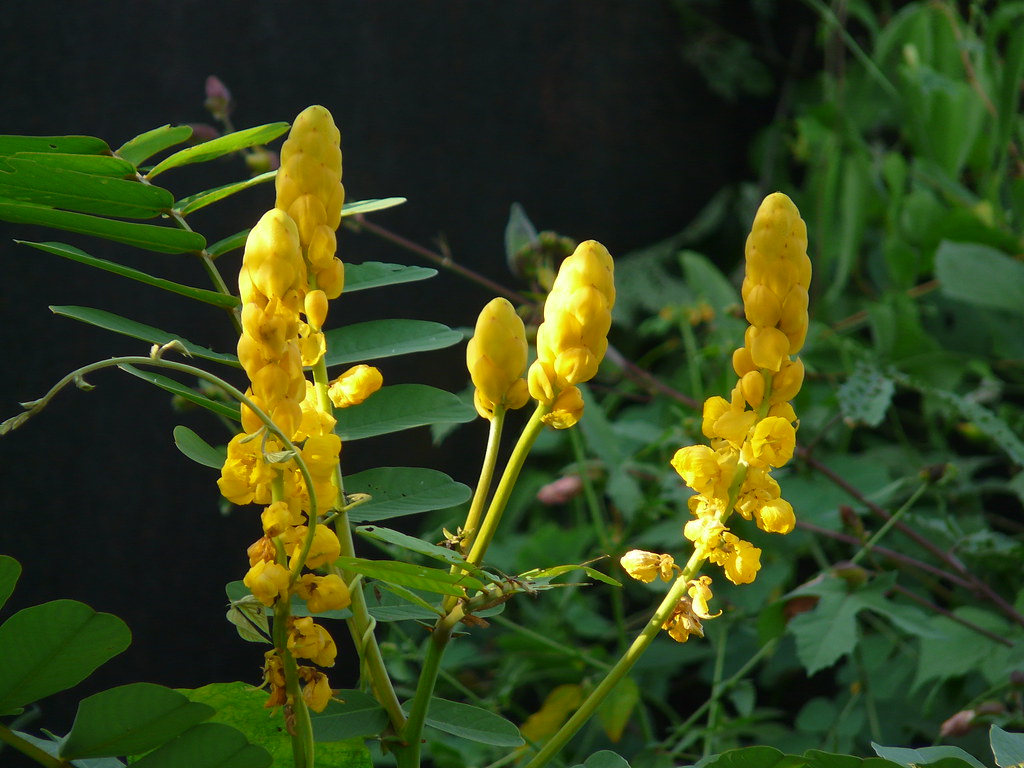
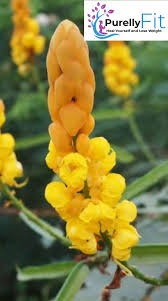
Cassia alata,
Caesalpiniaceae
Introduction
Edagaja, also known as Elephant Creeper, is a powerful medicinal climber used in Ayurveda and traditional medicine. Its botanical name is Argyreia nervosa (also known as Argyreia speciosa).
In Ayurveda, Edagaja is mainly valued for its strength-giving, nerve-tonic, aphrodisiac, and rejuvenating properties. It is commonly used in weakness, joint pain, nervous disorders, and reproductive health problems.
Botanical Information
| Feature | Details |
|---|---|
| Scientific Name | Argyreia nervosa |
| Family | Convolvulaceae |
| Common Names | Edagaja, Elephant Creeper, Samudra Shosha |
| Plant Type | Perennial Climber |
| Habitat | Tropical India, Forest Edges, Gardens |
This plant has large heart-shaped leaves and beautiful purple flowers.
Ayurvedic Properties of Edagaja
| Property | Description |
|---|---|
| Rasa (Taste) | Sweet, Bitter |
| Guna (Quality) | Heavy, Oily |
| Virya (Potency) | Hot |
| Vipaka | Sweet |
| Dosha Effect | Balances Vata & Kapha |
These properties make Edagaja very useful in weakness and nerve-related problems.
Health Benefits of Edagaja
1. Increases Strength and Energy
Edagaja works as a natural tonic. It helps in:
- Physical weakness
- Fatigue
- Low stamina
- Post-illness recovery
It is often used in Rasayana (rejuvenation) therapy.
2. Improves Nerve and Brain Health
This herb supports:
- Nervous system strength
- Memory
- Mental focus
- Stress reduction
It is useful in anxiety, insomnia, and nervous weakness.
3. Supports Male and Female Reproductive Health
Edagaja is traditionally used as a natural aphrodisiac.
Helpful in:
- Low libido
- Low sperm count
- General sexual weakness
- Menstrual weakness
4. Reduces Joint and Muscle Pain
Due to its warming nature, Edagaja helps in:
- Arthritis
- Back pain
- Muscle stiffness
- Joint swelling
It reduces Vata-related disorders.
5. Improves Digestion
Edagaja helps in:
- Poor appetite
- Gas and bloating
- Weak digestion
- Constipation (mild)
6. Boosts Immunity
Regular use strengthens the immune system and improves disease resistance.
7. Supports Heart Health
Traditional use suggests that Edagaja helps improve circulation and heart strength.
Uses of Edagaja in Ayurveda
1. Root Powder (Churna)
Most commonly used part.
Used for:
- Weakness
- Sexual health
- Nerve disorders
2. Decoction (Kadha)
Prepared from roots.
Used for:
- Joint pain
- Fatigue
- Digestive problems
3. Herbal Paste
Used externally for swelling and pain.
4. Medicated Oils
Roots are used in Ayurvedic oils for massage in arthritis and paralysis.
Dosage of Edagaja
| Form | Dosage |
|---|---|
| Powder | 3–5 grams daily |
| Decoction | 20–40 ml |
| Extract/Capsule | As prescribed |
| Paste | External use |
Always consult an Ayurvedic doctor before long-term use.
Side Effects of Edagaja
When used properly, Edagaja is generally safe. However, excess use may cause:
- Body heat
- Acidity
- Headache
- Restlessness
People with high Pitta should use carefully.
Precautions
- Avoid during pregnancy and breastfeeding
- Do not use in high fever or heat conditions
- Use carefully if you have acidity
- Not recommended for children without guidance
How to Identify Edagaja Plant
- Large heart-shaped leaves
- Silvery underside of leaves
- Purple trumpet-shaped flowers
- Climbing vine
- Thick woody roots
Very easy to identify due to its large leaves.
Active Compounds (Phytochemicals)
Edagaja contains:
- Alkaloids
- Flavonoids
- Glycosides
- Sterols
- Phenolic compounds
These provide strength, anti-inflammatory, and antioxidant effects.
Home Remedies Using Edagaja
For Weakness
Mix 1 teaspoon root powder with warm milk and honey. Take at night.
For Joint Pain
Massage with Edagaja oil daily.
For Low Energy
Take powder with ghee in the morning.
For Stress
Use under expert guidance with milk.
Traditional and Cultural Importance
In some regions, Edagaja is considered a rejuvenating herb and is used in traditional vitality formulas.
It symbolizes:
- Strength
- Stability
- Vitality
Conclusion
Edagaja (Argyreia nervosa) is a powerful Ayurvedic herb known for improving strength, nerve health, reproductive wellness, and immunity. It is especially useful in weakness, arthritis, and stress-related disorders.
When used in proper dosage and under guidance, it provides safe and long-lasting health benefits.
If you want, I can next prepare full knowledge articles for more medicinal plants.
Just send the next name.
Vernacular names
English : Candle bush, Ringworm shrub,
Hindi : Dadmurdan , Prapunnad
Tamil : Seemaiagathi
Malayalam : Simayakatti , Malamtakara,
Aanattakara
Kannada : Sime Agase
Marathi : Shimai Agase
Telugu : Avicicettu, Metta-tamara, Siima
Avise
Urdu : Ergaj
