


Introduction
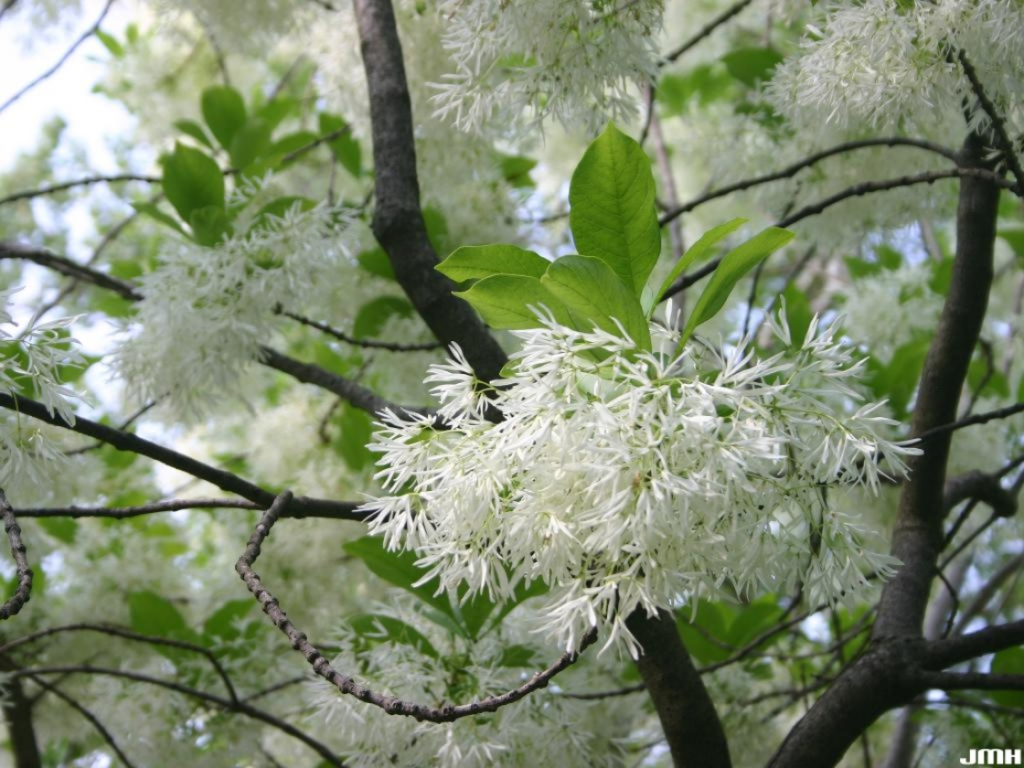
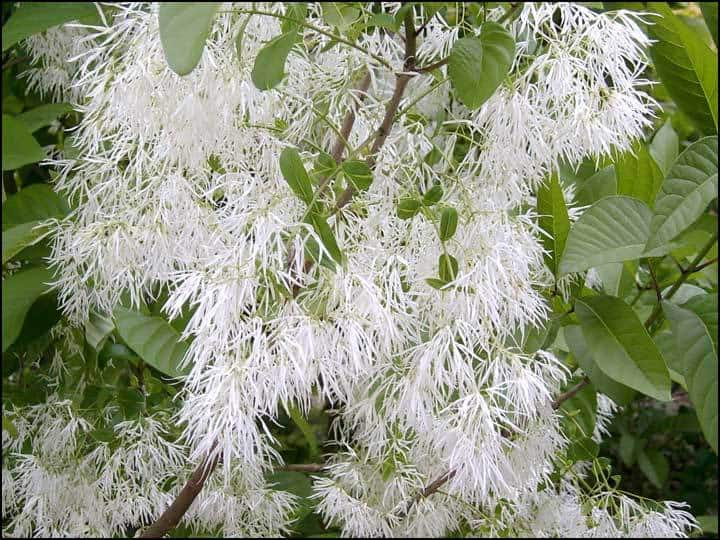
Fringe Tree, scientifically known as Chionanthus virginicus, is a small deciduous tree valued for its ornamental beauty and medicinal properties. It is commonly known for its delicate, fringe-like white flowers and has been traditionally used in herbal medicine, especially for liver and digestive health.
Fringe Tree, scientifically known as Chionanthus virginicus, is a small deciduous tree admired for its delicate, fringe-like white flowers and notable medicinal properties. Native to North America, it is widely appreciated both as an ornamental plant and as a traditional herbal remedy.
In herbal medicine, the Fringe Tree is primarily valued for its beneficial effects on the liver and digestive system. Its bark has been traditionally used to support liver function, stimulate bile flow, and aid in detoxification of the body.
Rich in natural compounds such as flavonoids and lignans, the Fringe Tree plays an important role in promoting overall wellness. Its combination of aesthetic beauty and therapeutic value makes it a unique and useful plant in natural medicine practices.
Botanical Description
Fringe Tree is a slow-growing ornamental tree native to North America.
- Scientific Name: Chionanthus virginicus
- Family: Oleaceae
- Common Names: Old Man’s Beard, Grancy Greybeard
Key Features
- Height: 6–10 meters
- Leaves: Broad, oval, and dark green
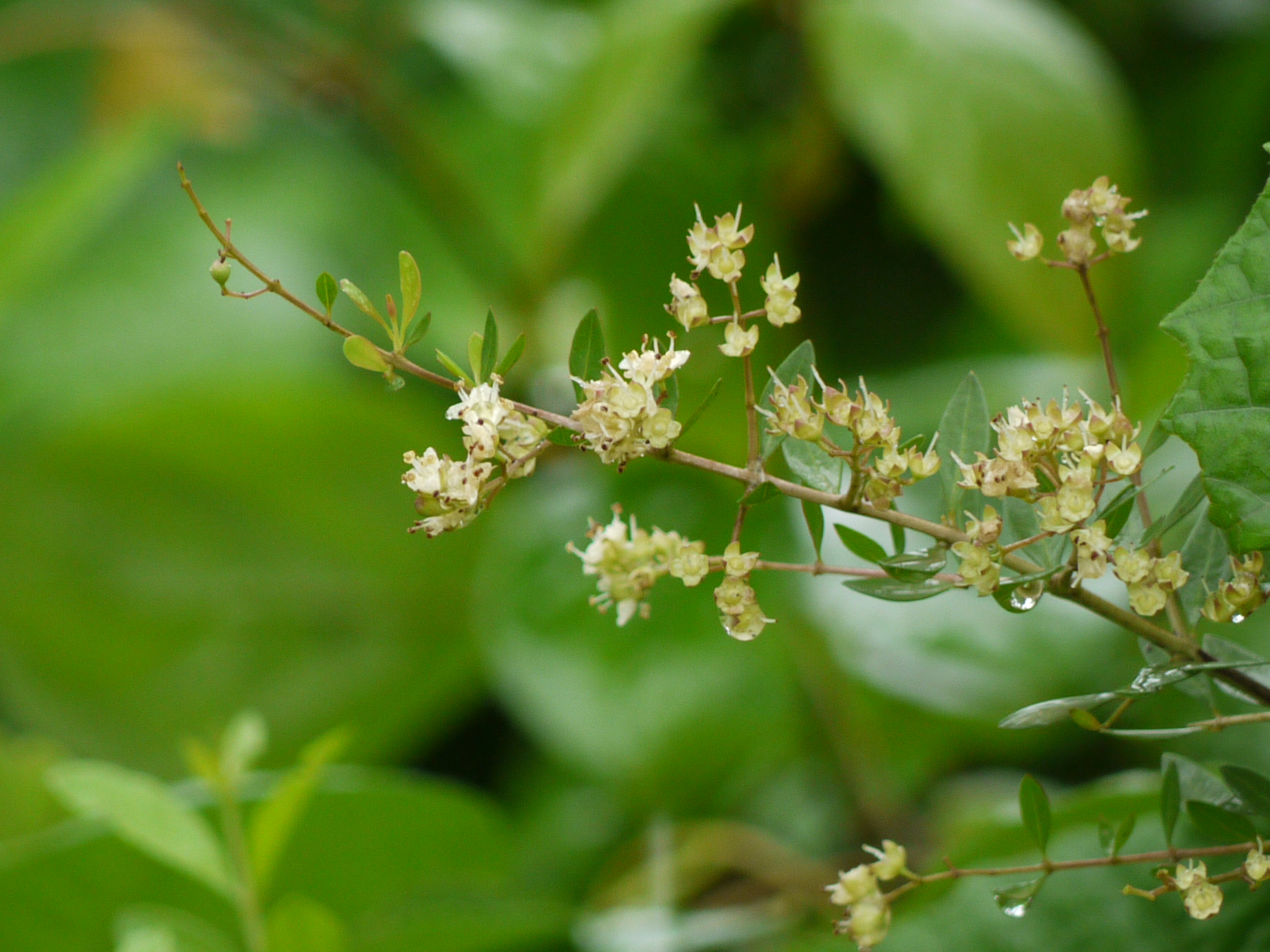
- Flowers: White, fragrant, with long, fringe-like petals
- Fruits: Small, dark blue drupes
Medicinal Properties
- Bitter tonic
- Mild laxative
- Liver stimulant
- Anti-inflammatory
Health Benefits
1. Supports Liver Health
Fringe Tree is traditionally used to stimulate liver function and promote bile flow.
2. Improves Digestion
Helps relieve indigestion, constipation, and digestive discomfort.
3. Detoxifies the Body
Aids in removing toxins and cleansing the system.
4. Reduces Inflammation
Its anti-inflammatory properties help reduce swelling and irritation.
5. Supports Gallbladder Function
Used in traditional herbal medicine to manage gallbladder issues.
Traditional Uses
- Used as a tonic for liver and gallbladder disorders
- Taken as decoction or extract
- Used in herbal formulations for digestive support
Active Compounds
Fringe Tree contains:
- Lignans
- Flavonoids
- Bitter compounds
How to Use Fringe Tree
1. Decoction
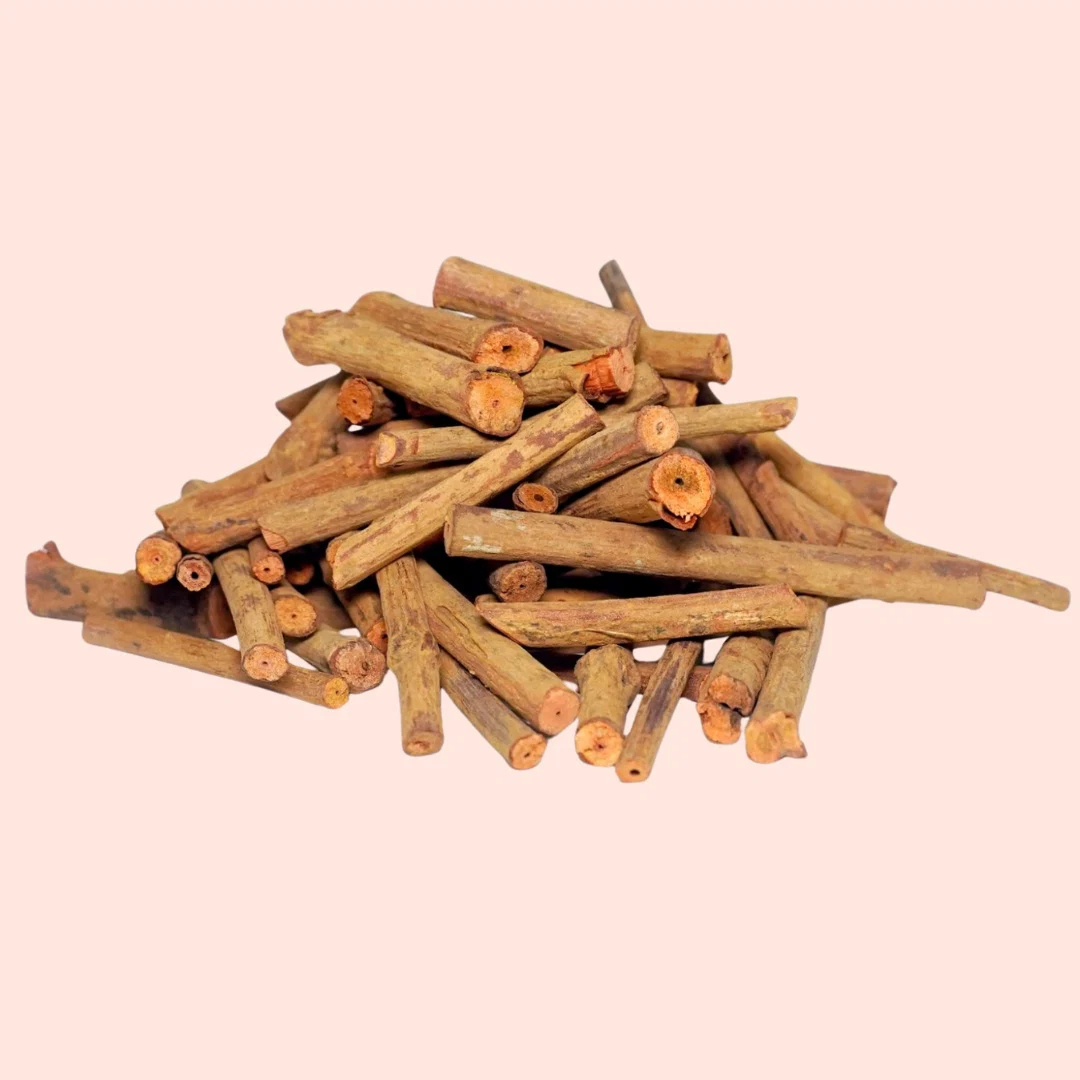
Prepared from bark for medicinal use.
2. Herbal Extract
Used under professional guidance.
Precautions
- Use only under expert supervision
- Avoid during pregnancy
- Not for excessive use
Conclusion
Fringe Tree is a valuable medicinal plant known for its beneficial effects on liver and digestive health. Its traditional use as a natural detoxifier and tonic makes it an important herb in herbal medicine.
Fringe Tree (Chionanthus virginicus) is a unique and valuable plant that combines ornamental beauty with important medicinal benefits. Traditionally recognized for its positive effects on liver and digestive health, it has been used as a natural remedy to support detoxification and improve overall bodily function.
Its rich content of bioactive compounds, such as flavonoids and lignans, contributes to its anti-inflammatory and therapeutic properties. These qualities make the Fringe Tree beneficial in maintaining internal balance and promoting general well-being.
Although it is not as widely known as other medicinal herbs, its role in supporting liver function and digestion highlights its significance in herbal medicine. With proper and guided use, it can be an effective natural aid for maintaining health.
Incorporating knowledge of plants like Fringe Tree into modern wellness practices reflects the growing interest in natural and holistic healing. Its traditional importance and medicinal potential make it a noteworthy addition to the world of herbal remedies.
