

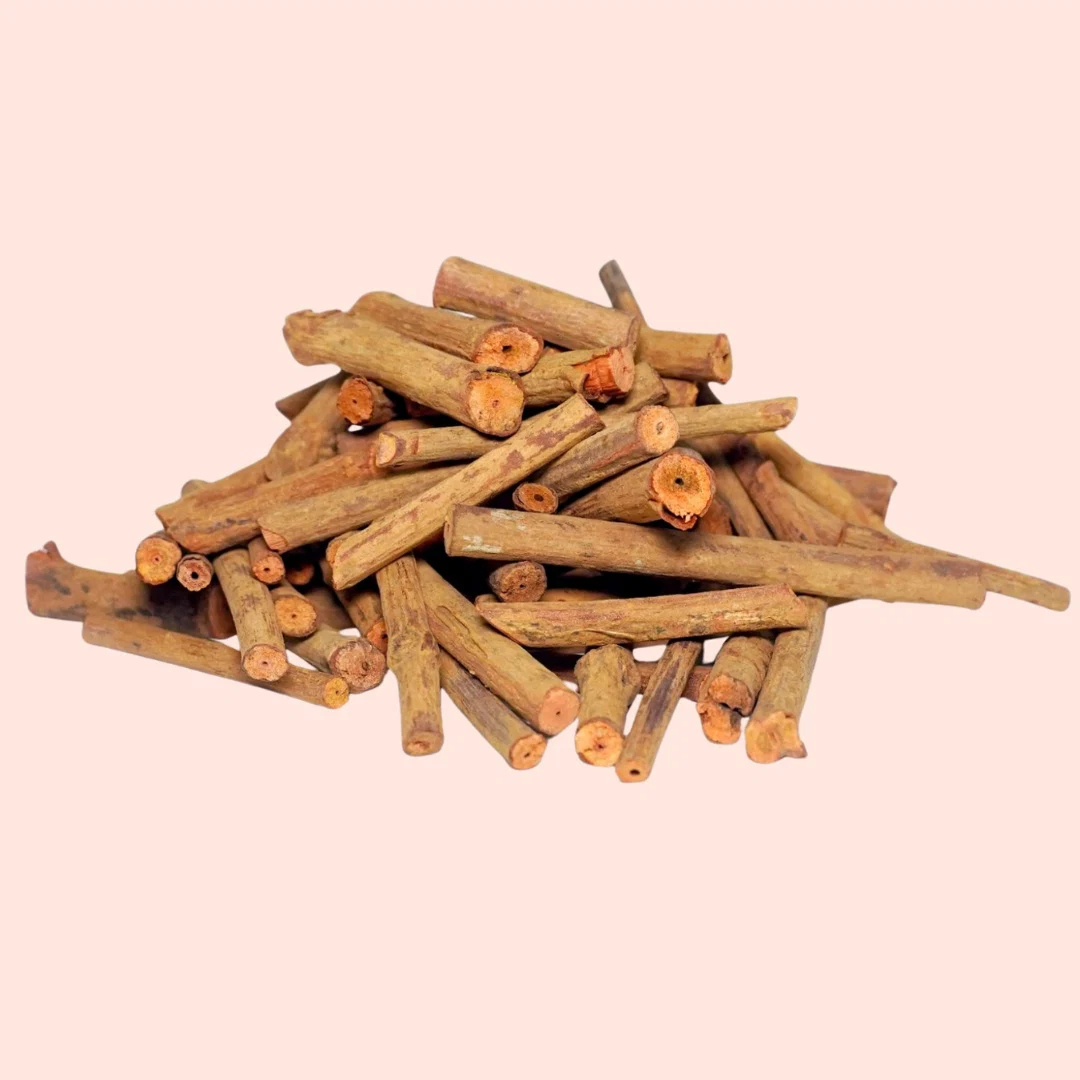
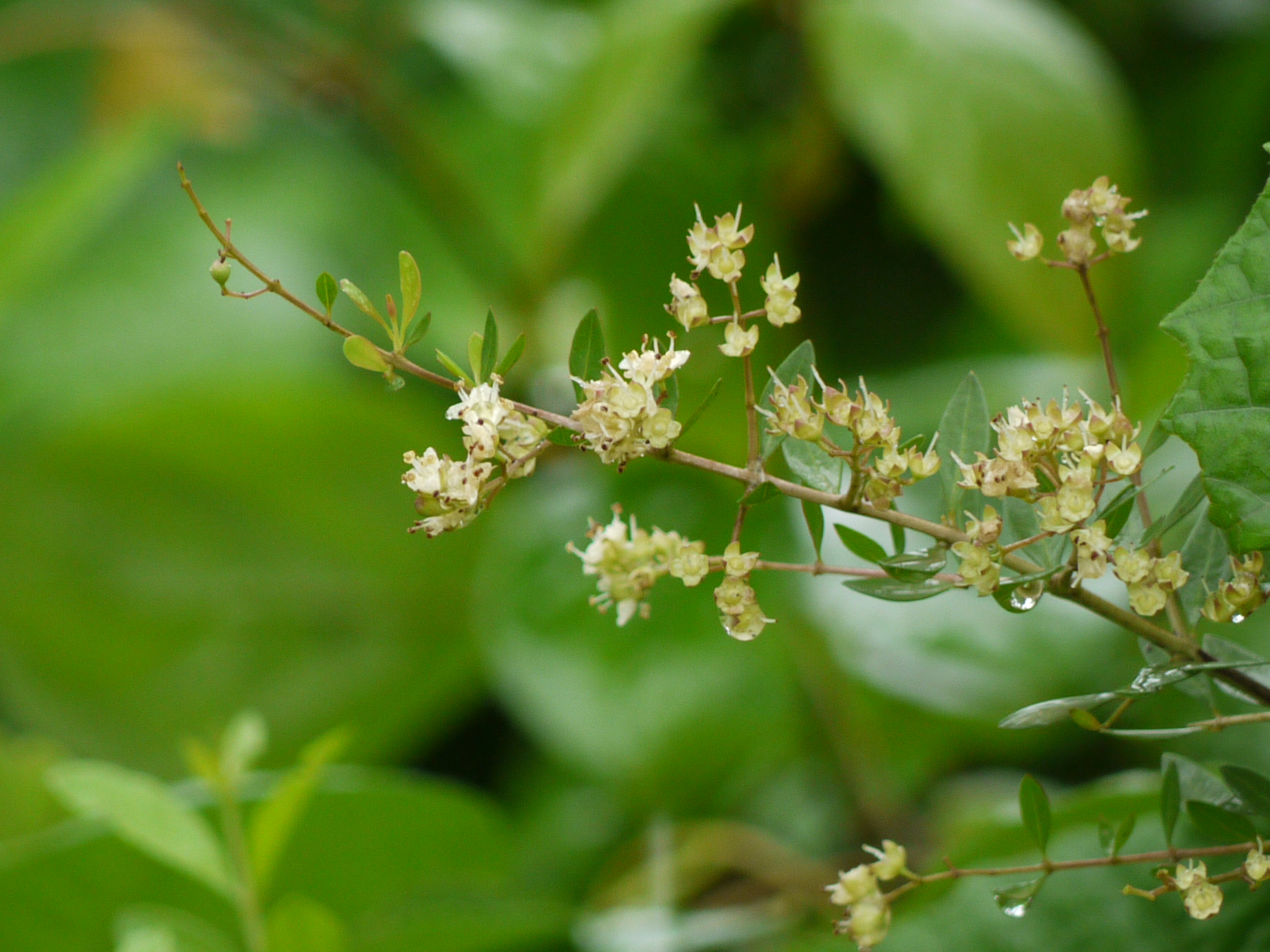

Tinospora cordifolia, Menispermaceae
Introduction
Guduchi, commonly known as Giloy, is one of the most valuable medicinal plants in Ayurveda. It is called “Amrita”, meaning nectar of immortality, because of its extraordinary healing power and ability to rejuvenate the human body.
For thousands of years, Guduchi has been mentioned in classical Ayurvedic texts such as Charaka Samhita and Sushruta Samhita as a powerful Rasayana (rejuvenating herb). Ancient physicians used it to treat fever, weakness, infections, digestive disorders, and chronic diseases.
In modern times, Guduchi has gained worldwide popularity as a natural immunity booster and detoxifying herb. Today, it is widely used in herbal juices, powders, tablets, and wellness products.
Guduchi is one of the most highly respected rejuvenating herbs in Ayurveda, traditionally known for supporting immunity, detoxification, digestion, vitality, and overall wellness. Scientifically identified as Tinospora cordifolia, Guduchi is commonly called Giloy and has been used for centuries in Ayurvedic medicine as a powerful Rasayana (rejuvenative herb).
Ayurveda considers Guduchi a natural protector that helps strengthen the body’s defense mechanisms, balance the doshas, and improve resistance against illness. It is especially valued for balancing Pitta and Vata doshas while gently supporting Kapha balance.
Guduchi is traditionally used for:
- Immunity support
- Fever management
- Detoxification
- Liver support
- Digestive wellness
- Respiratory health
- Joint comfort
- General weakness and fatigue
Due to its rejuvenating and adaptogenic nature, Guduchi is often recommended in Ayurvedic wellness programs for improving vitality, promoting healthy metabolism, and supporting long-term health naturally.
Modern research also suggests that Tinospora cordifolia possesses antioxidant, immune-supportive, anti-inflammatory, antimicrobial, and hepatoprotective properties, supporting many traditional Ayurvedic uses.
Botanical Description of Guduchi
🔹 Scientific Classification
- Scientific Name: Tinospora cordifolia
- Family: Menispermaceae
- Common Names: Guduchi, Giloy, Amrita, Heart-leaved Moonseed
- Plant Type: Perennial climbing shrub/vine
General Habit of the Plant
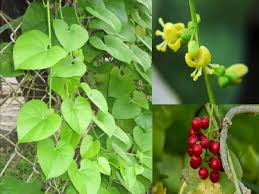
Guduchi is a large deciduous climbing vine widely found in tropical regions. It grows by climbing over trees and shrubs with the help of aerial roots and long twining stems.
The plant is known for:
- Thick succulent stems
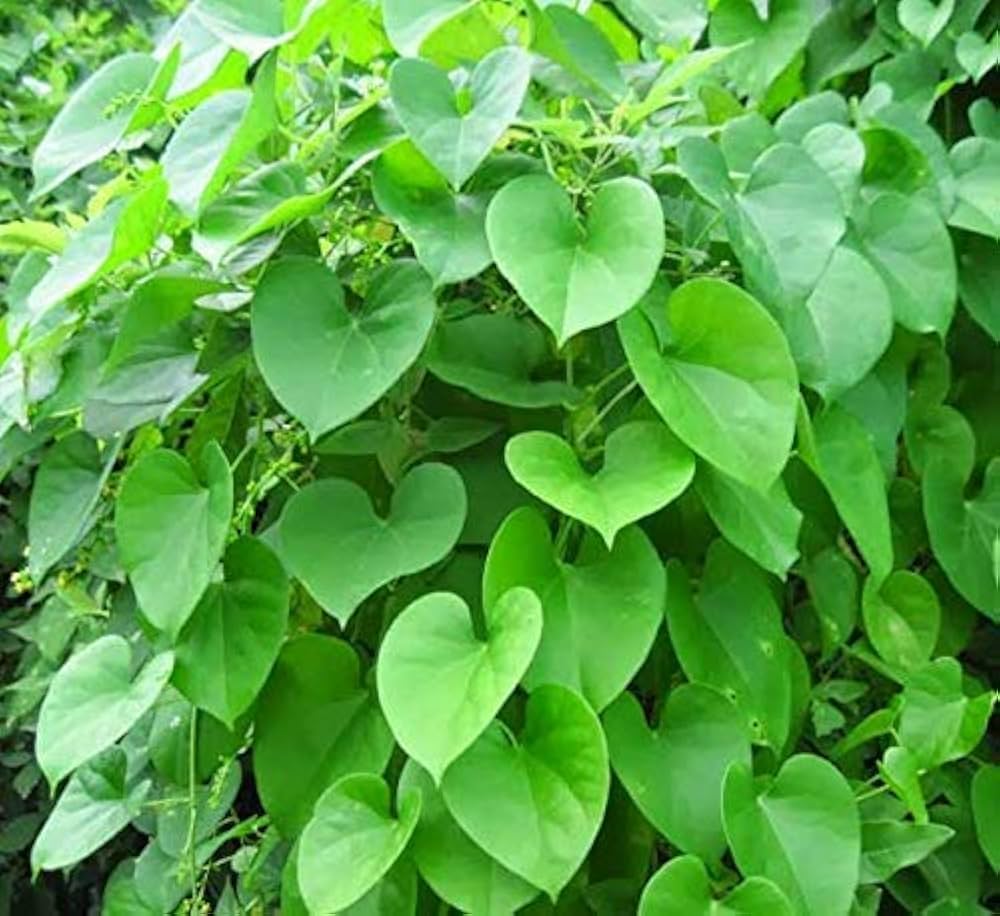
- Heart-shaped leaves
- Extensive climbing habit
- High medicinal value in Ayurveda
Guduchi is considered one of the most important rejuvenating medicinal climbers in traditional Ayurvedic medicine.
Root System
- Fibrous underground root system
- Produces aerial roots from mature stems
- Strong attachment to supporting trees
Aerial roots help the plant absorb moisture and nutrients efficiently.
Stem
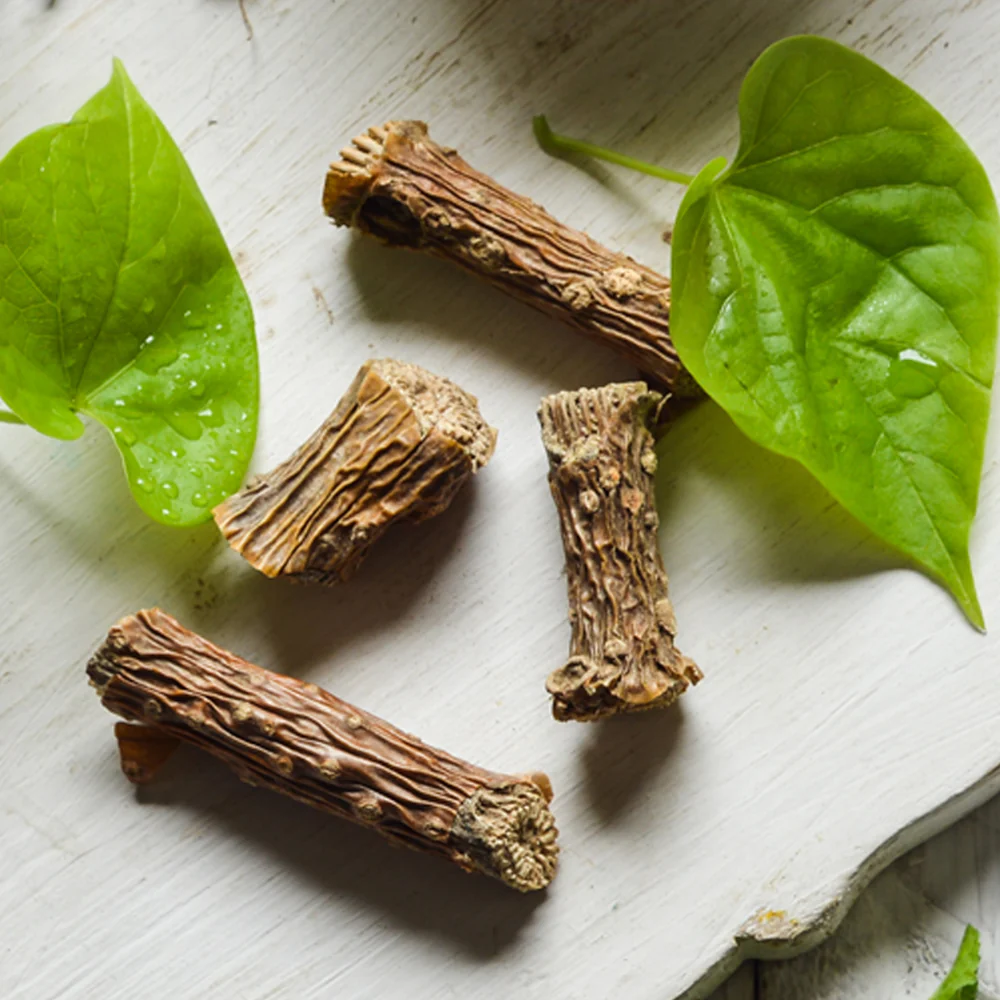
The stem is the most commonly used medicinal part.
🔸 Stem Characteristics
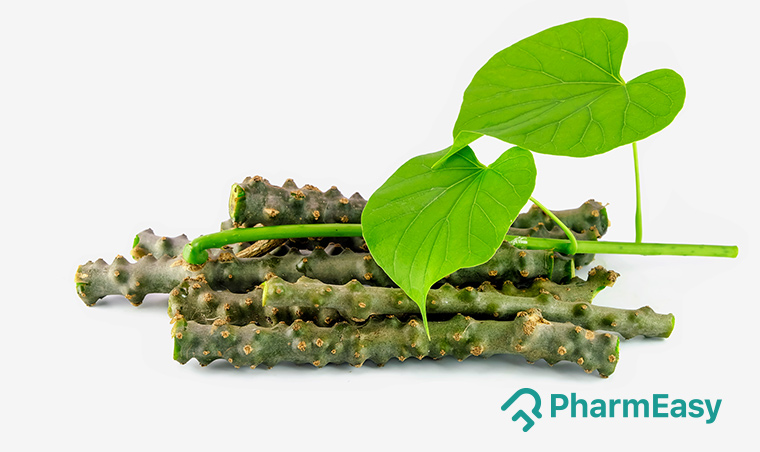
- Thick, fleshy, and succulent
- Green to grayish-green in color
- Covered with wart-like spots
- Soft when young and woody with age
Mature stems contain abundant medicinal compounds and are widely used in Ayurvedic formulations.
Leaves of Guduchi
- Broad heart-shaped leaves
- Smooth green surface
- Long leaf stalks (petioles)
- Alternate leaf arrangement
Leaf Characteristics:
- 6–12 cm wide
- Thin but soft texture
- Prominent veins visible
The heart-shaped leaves are a major identifying feature of Guduchi.
Flowers of Guduchi
- Small greenish-yellow flowers
- Unisexual flowers on separate plants
- Appear in small clusters
Flowering Season:
- Spring and summer seasons
Flowers are relatively small and less noticeable.
Fruits of Guduchi
🔸 Fruit Characteristics
- Small round or oval fruits
- Bright red or orange-red when ripe
- Fleshy appearance
Fruiting Season:
- Late summer to winter
Fruits contain seeds used for natural propagation.
Seeds
- Curved or crescent-shaped seeds
- Hard outer covering
- Found inside fleshy fruits
Seeds help reproduction of the plant in natural environments.
Habitat & Distribution
Guduchi naturally grows in:
- India
- Nepal
- Sri Lanka
- Myanmar
- Tropical Asian regions
Preferred Growing Conditions
🔹 Climate
- Tropical and subtropical climates
- Warm and humid conditions preferred
🔹 Soil
- Well-drained fertile soil
- Can tolerate moderately dry conditions
🔹 Sunlight
- Partial to full sunlight
Often found growing naturally in forests and rural areas.
Growth & Lifecycle
- Plant Type: Perennial climber
- Growth Rate: Fast-growing
- Propagation: Stem cuttings and seeds
- Lifespan: Long-living medicinal vine
The plant can spread extensively when proper support is available.
Special Botanical Features
- Thick medicinal stems
- Heart-shaped leaves
- Aerial roots from mature branches
- Climbing vine with rejuvenating medicinal value
Identification in Nature
Guduchi can generally be identified by:
- Thick succulent climbing stems
- Heart-shaped green leaves
- Wart-like stem surface
- Aerial hanging roots
The fleshy stem and heart-shaped leaves are the easiest identifying characteristics.
Important Botanical Note
In Ayurveda, the stem of Tinospora cordifolia is considered the most therapeutically important part and is widely used in decoctions, juices, powders, and Rasayana formulations.
Summary
Guduchi (Tinospora cordifolia) is a powerful perennial medicinal climber recognized for its thick succulent stems, heart-shaped leaves, and rejuvenating Ayurvedic value. Traditionally known as “Amrita” or the “nectar of immortality,” Guduchi is widely used for supporting immunity, detoxification, digestion, vitality, and overall wellness naturally.
Ayurvedic Properties of Guduchi
Overview in Ayurveda
Tinospora cordifolia, commonly known as Guduchi or Giloy, is one of the most highly valued Rasayana (rejuvenating) herbs in Ayurveda. Traditionally called “Amrita”, meaning “nectar of immortality,” Guduchi is respected for supporting immunity, vitality, detoxification, digestion, longevity, and overall balance.
Ayurveda considers Guduchi a tridosha-balancing herb, especially effective for calming Pitta and Vata doshas while gently reducing excess Kapha. It is widely used in Ayurvedic formulations for fever, weakness, toxin accumulation (Ama), respiratory imbalance, and chronic inflammatory conditions.
🔹 Rasa (Taste)
Guduchi possesses:
- Tikta (Bitter)
- Kashaya (Astringent)
Ayurvedic Significance:
These tastes help:
- Reduce toxins (Ama)
- Purify blood and tissues
- Improve digestion
- Support liver function
Bitter taste is especially valued for detoxification and metabolic balance.
🔹 Guna (Qualities)
- Laghu (Light)
- Snigdha (Slightly unctuous)
Ayurvedic Significance:
These qualities help:
- Improve metabolism
- Support nourishment without heaviness
- Maintain tissue balance
Guduchi nourishes while simultaneously cleansing the body.
🔹 Virya (Potency)
- Ushna Virya (Warm Potency)
Helps:
- Stimulate digestion
- Improve circulation
- Reduce Vata and Kapha stagnation
Although warming in action, Guduchi is also traditionally considered soothing for excess Pitta due to its balancing nature.
🔹 Vipaka (Post-Digestive Effect)
- Madhura Vipaka (Sweet post-digestive effect)
Benefits of Madhura Vipaka:
- Supports tissue nourishment
- Promotes strength and rejuvenation
- Helps maintain vitality
Contributes to Guduchi’s Rasayana effect.
🔹 Dosha Effect
Balances:
- Vata
- Pitta
- Kapha
Particularly beneficial for:
- Pitta-related disorders
- Fever and inflammation
- Weak immunity
- Digestive imbalance
Guduchi is considered one of Ayurveda’s best tridosha-balancing herbs.
Main Ayurvedic Actions of Guduchi
🔸 Rasayana
Supports:
- Longevity
- Vitality
- Tissue rejuvenation
- Healthy aging
One of the most important rejuvenating herbs in Ayurveda.
🔸 Jwaraghna
Traditionally used for:
- Fever support
- Seasonal illness
- Recovery and weakness
🔸 Deepana
Helps:
- Stimulate digestive fire (Agni)
- Improve appetite and metabolism
🔸 Pachana
Supports digestion of:
- Ama (toxins)
- Metabolic waste accumulation
🔸 Balya
Traditionally supports:
- Physical strength
- Recovery from fatigue
- Energy and stamina
🔸 Tridoshahara
Supports overall dosha balance throughout the body.
Effect on Agni (Digestive Fire)
Guduchi helps:
- Improve weak digestion
- Support healthy metabolism
- Reduce toxin formation
Especially useful in chronic low digestive fire conditions.
Role in Detoxification
Guduchi is traditionally used to:
- Eliminate Ama (toxins)
- Support liver function
- Purify blood and tissues
Commonly included in detox and rejuvenation therapies.
Role in Immunity & Vitality
Ayurveda values Guduchi for:
- Strengthening natural defense mechanisms
- Supporting resilience during seasonal changes
- Improving overall vitality and endurance
Frequently used in Rasayana formulations.
Effect on Respiratory System
Guduchi traditionally supports:
- Respiratory comfort
- Reduction of mucus imbalance
- Balanced breathing function
Helpful in Kapha-related respiratory conditions.
Effect on Dhatus (Body Tissues)
Guduchi nourishes:
- Rasa Dhatu (nutritive fluids)
- Rakta Dhatu (blood tissue)
- Mamsa Dhatu (muscle tissue)
- Majja Dhatu (nervous tissue)
Supports healthy tissue nourishment and rejuvenation.
Effect on Srotas (Body Channels)
Guduchi supports:
- Annavaha Srotas (digestive channels)
- Raktavaha Srotas (blood channels)
- Pranavaha Srotas (respiratory channels)
Helps maintain proper circulation and detoxification.
Traditional Ayurvedic Uses
Guduchi is traditionally used for:
- Fever
- Weak immunity
- Fatigue
- Digestive weakness
- Respiratory imbalance
- Joint discomfort
- Chronic inflammatory conditions
Ayurvedic Precautions
Guduchi is generally considered safe when used properly.
Use cautiously in:
- Autoimmune conditions without guidance
- Pregnancy and breastfeeding
- Excessive self-medication for long durations
Professional Ayurvedic guidance is recommended for therapeutic use.
Important Ayurvedic Preparations
Guduchi is commonly used in:
- Guduchi Satva
- Giloy juice
- Decoctions (Kwatha)
- Rasayana formulations
- Immunity-supportive preparations
Summary
Tinospora cordifolia is one of Ayurveda’s most powerful rejuvenating herbs, traditionally valued for supporting immunity, detoxification, digestion, vitality, respiratory wellness, and overall balance.
Its bitter cleansing action, nourishing post-digestive effect, and tridosha-balancing nature make Guduchi especially beneficial for maintaining healthy metabolism, natural resistance, tissue rejuvenation, and long-term wellness naturally.
Major Health Benefits of Guduchi
Benefits of Guduchi
In ancient Ayurveda classical textbooks, it is mentioned to be useful in the treatment of leprosy, fever, jaundice, asthma, gout etc. This herb holds a special place for tribals across India. They used Guduchi for managing various diseases ranging from ear pain, dysentery, and cough to bone fractures, skin disease, and women’s issues1. Some of the benefits of Guduchi are described as follows:
1. Powerful Immunity Booster
Guduchi enhances the body’s natural defense mechanism. It increases the production of white blood cells and strengthens resistance against viruses, bacteria, and fungi.
Regular consumption helps prevent:
- Common cold
- Flu
- Seasonal infections
- Recurrent fever
2. Effective in Fever Management
Guduchi is highly beneficial in chronic and recurrent fever such as:
- Viral fever
- Dengue fever
- Malaria
- Typhoid
It helps detoxify the body and reduces body temperature naturally.
3. Benefits of Guduchi for Digestion

Guduchi is useful for managing various bowel issues. One study1,3 has specifically shown that it is effective against amoebic infection of the digestive system. The consumption of powdered Guduchi mixed with amla or jaggery is an effective remedy for constipation. ‘Guduchi Satva’ the starch obtained from the stem of Guduchi, is especially beneficial for the digestive system.
4. Supports Diabetes Management

Guduchi has been shown to reduce blood sugar levels, especially during fasting levels. The anti-diabetic effect is attributed to the various phytochemicals present in it. It regulates the blood sugar level by reducing oxidative stress, enhancing insulin release, and reducing the production and breakdown of glucose in the body. Guduchi is especially useful for type 2 diabetes1,3.
Guduchi helps regulate blood sugar levels by improving insulin sensitivity.
Benefits for diabetics include:
- Reduced glucose levels
- Increased energy
- Prevention of complications
However, it should be taken under medical supervision.
5. Purifies Blood and Improves Skin
Guduchi acts as a natural blood purifier. It removes toxins and balances Pitta dosha.
It is useful in treating:
- Acne
- Pimples
- Eczema
- Psoriasis
- Allergic rashes
Regular intake gives clear, glowing skin.
6. Promotes Liver Health
Guduchi protects the liver from toxins, alcohol damage, and infections.
It helps in:
- Fatty liver
- Jaundice
- Hepatitis
- Poor digestion due to liver weakness
It improves liver enzyme balance and detoxification.
7. Reduces Stress and Anxiety
Guduchi works as an adaptogen, helping the body cope with physical and mental stress.
It helps in:
- Anxiety
- Depression
- Fatigue
- Mental exhaustion
- Poor sleep
It improves concentration and mental clarity.
8. Strengthens Respiratory System
Guduchi is beneficial in respiratory disorders such as:
- Asthma
- Bronchitis
- Chronic cough
- Sinusitis
- Allergies
It clears mucus and strengthens lung function.
9. Enhances Heart Health
Guduchi supports cardiovascular health by:
- Reducing bad cholesterol
- Improving blood circulation
- Strengthening heart muscles
- Preventing oxidative damage
This reduces the risk of heart diseases.
10. Delays Aging and Increases Longevity
As a Rasayana herb, Guduchi slows down aging by nourishing body tissues.
Benefits include:
- Increased stamina
- Youthful skin
- Strong immunity
- Better memory
- Healthy metabolism
11. Benefits of Guduchi for Arthritis

The stem of Guduchi helps in inflammation and arthritis. It also helps in alleviating joint pain and many other symptoms associated with arthritis. Rheumatoid arthritis can be managed by consuming powdered Guduchi stem mixed with ginger.
Recommended Dosage of Guduchi
| Form | Daily Dose |
|---|---|
| Powder | 1–2 grams |
| Juice | 10–20 ml |
| Tablet | 1–2 tablets (twice daily) |
| Kadha | 20–30 ml |
Long-term use should be guided by an Ayurvedic physician.
How to Prepare Guduchi Kadha at Home
Ingredients
- Fresh Guduchi stem (5–6 inches)
- 2 cups water
- Tulsi leaves (optional)
- Ginger (optional)
Method
- Wash and cut the stem into pieces
- Boil in water for 15–20 minutes
- Reduce to half
- Filter and drink warm
Best Time
Morning on empty stomach or evening.
Guduchi for Specific Health Problems
For Immunity
Drink Guduchi juice daily in the morning.
For Diabetes
Take powder with warm water before breakfast.
For Fever
Consume Kadha twice daily.
For Arthritis
Use tablets with warm water regularly.
For Skin Disorders
Internal use + external paste application.
For Weakness
Take Guduchi with honey and milk.
Vernacular names
Assamese : Siddhilata, Amarlata
Bengali : Gulancha
English : Indian Tinospora, Heartleaved
moonseed
Gujrati : Galac, Garo
Hindi : Giloe, Gurcha
Kannada : Amrutaballi
Kashmiri : Amrita, Gilo
Malayalam : Chittamrutu
Marathi : Gulvel
Oriya : Guluchi
Punjabi : Gilo
Tamil : Seendal, Seendil kodi
Telugu : Thippateega
Urdu : Gilo
conclusion
Guduchi (Giloy) is truly a priceless gift of Ayurveda. From boosting immunity to improving digestion, liver health, skin quality, and mental strength, it supports almost every system of the body.
When used regularly in proper dosage, Guduchi promotes longevity, vitality, and disease resistance. It is a perfect example of how nature provides powerful solutions for human health.
For best results, combine Guduchi with a healthy lifestyle, balanced diet, and regular exercise.
