

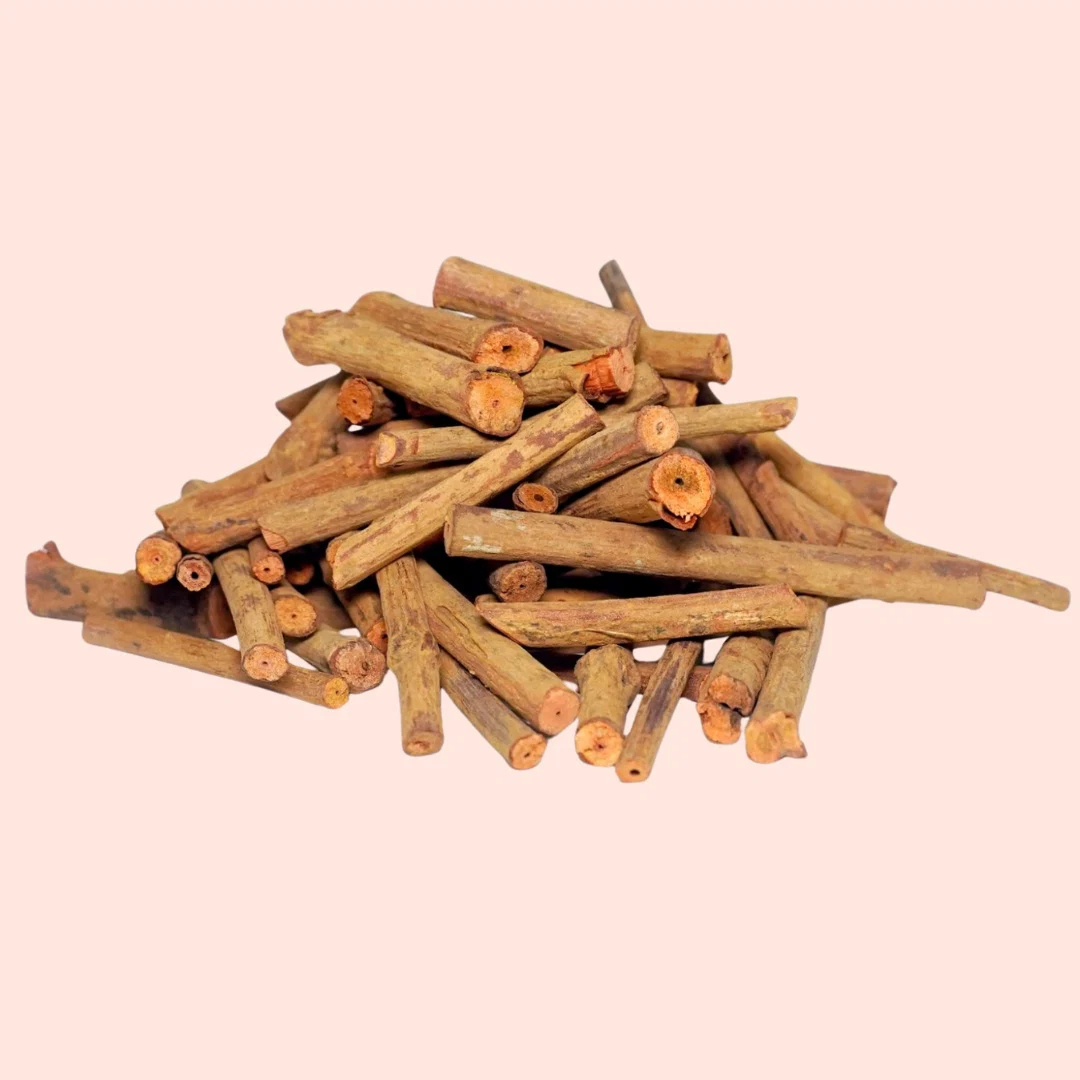
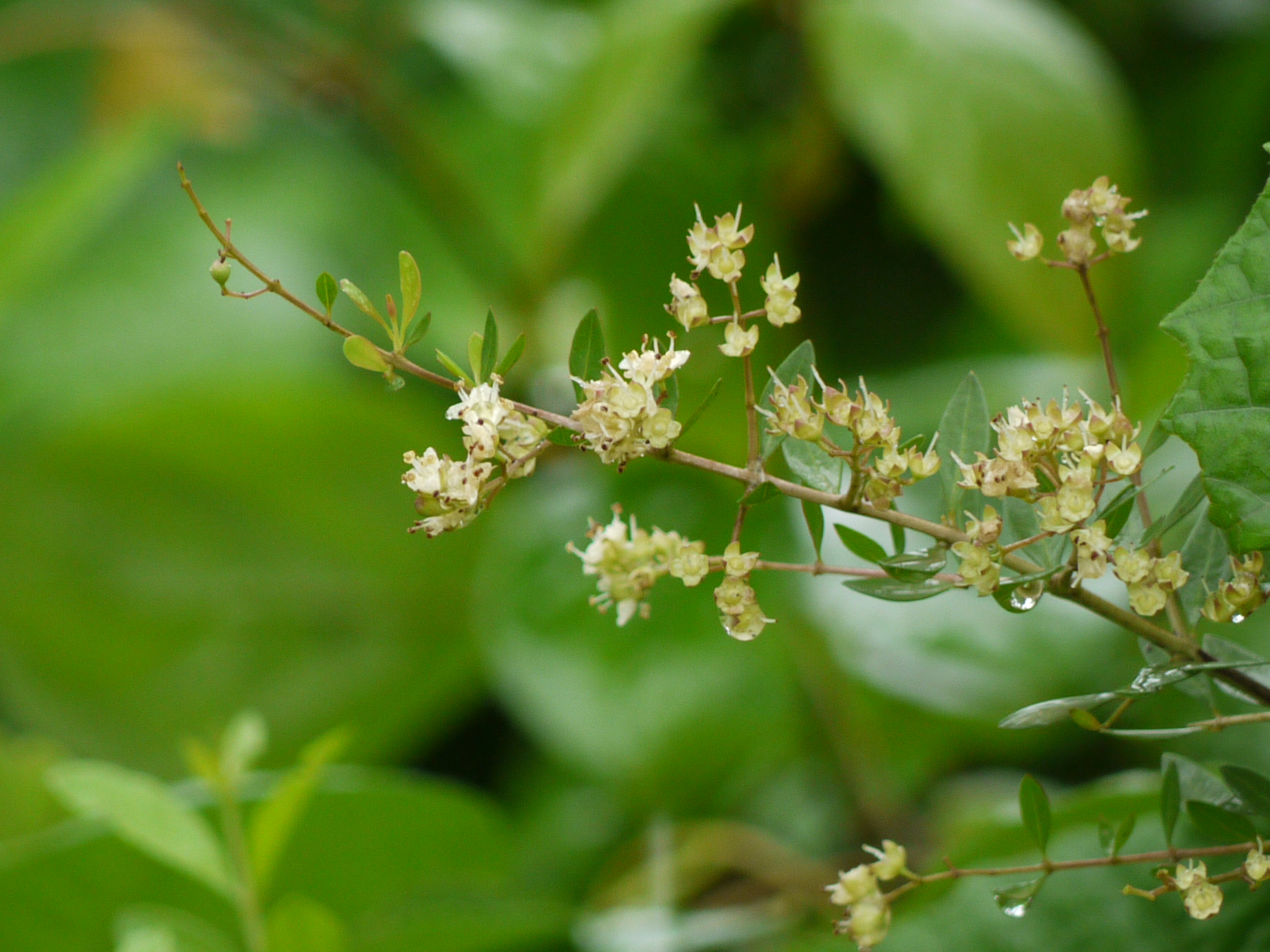
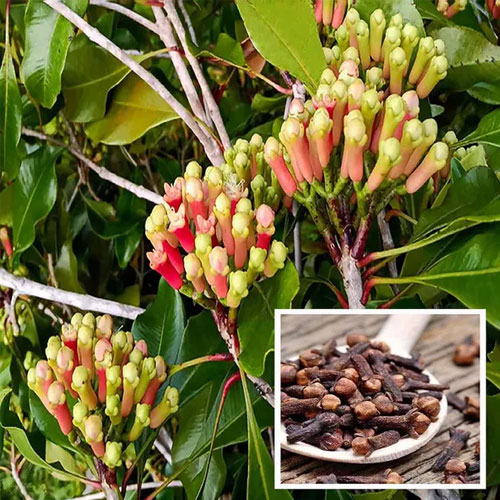
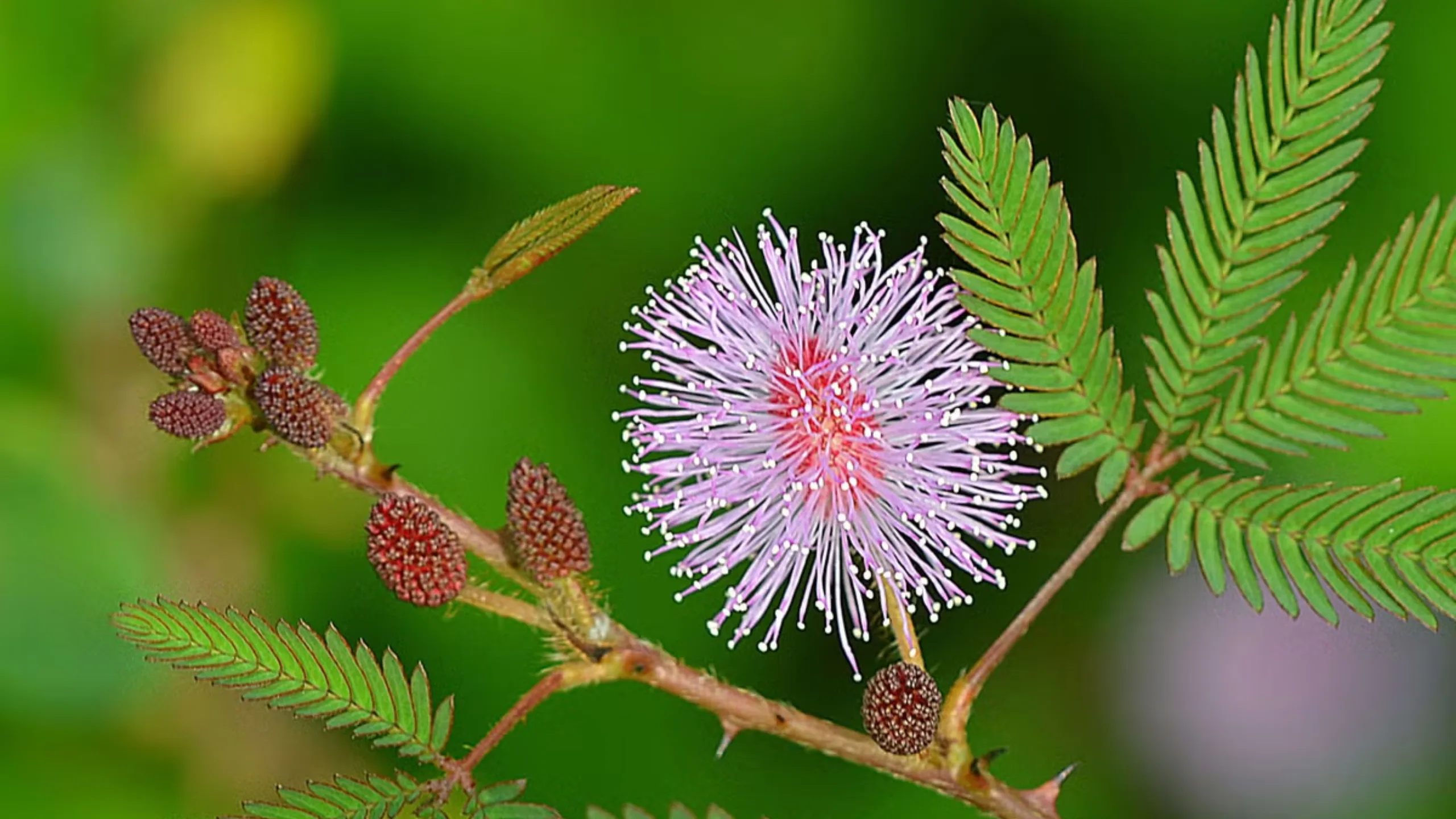
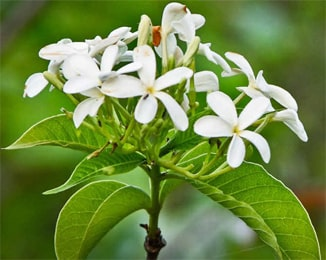

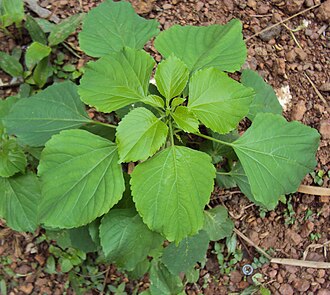
Acalypha indica, Euphorbiaceae
Introduction to Harita Manjari
Harita Manjari is an important classical book of Ayurveda that focuses mainly on medicinal plants, herbs, and their therapeutic uses. It is considered a type of Nighantu (Ayurvedic glossary or materia medica), where different herbs are described with their properties and healing benefits.
This text plays a vital role in understanding traditional herbal medicine and is still referred to by Ayurvedic scholars and practitioners today.
Harita Manjari is a traditionally valued Ayurvedic herb known for its benefits in supporting immunity, respiratory health, digestion, and overall wellness. In Ayurveda, herbs referred to as Harita Manjari are often appreciated for their aromatic, cleansing, and Kapha-balancing properties that help maintain healthy body function naturally.
Traditionally, Harita Manjari has been used in herbal preparations for managing cough, cold, throat irritation, indigestion, bloating, and weakened immunity. Its warming and digestive-stimulating nature helps improve metabolism, clear respiratory congestion, and support the body’s natural defense mechanisms.
The herb is also valued for its antioxidant and rejuvenating actions, which may help protect the body from seasonal illnesses and environmental stress. Due to its balancing effects on Kapha and Vata doshas, Harita Manjari is commonly included in Ayurvedic respiratory and digestive formulations.
Modern herbal understanding suggests that plants associated with Harita Manjari may possess antioxidant, antimicrobial, anti-inflammatory, digestive, and immune-supportive properties, supporting many traditional Ayurvedic applications.
Meaning of Harita Manjari
The name Harita Manjari is made of two Sanskrit words:
- Harita – Green, fresh, or related to plants
- Manjari – Cluster, collection, or bouquet
So, Harita Manjari means:
“A beautiful collection of green medicinal herbs.”
Botanical Description (Detailed)
Harita Manjari is a traditionally recognized Ayurvedic medicinal herb valued for supporting immunity, respiratory wellness, digestion, and overall health. In classical and regional Ayurvedic traditions, the name “Harita Manjari” may refer to aromatic medicinal herbs known for their cleansing, warming, and Kapha-balancing properties.
🔹 Scientific Classification
The exact botanical identity of Harita Manjari may vary regionally according to traditional herbal practices. It is generally associated with aromatic medicinal herbs used for respiratory and digestive support.
General Habit
Harita Manjari is commonly described as an aromatic herb or small medicinal shrub with branching stems and fragrant leaves. The flowering tops (“manjari”) are often considered therapeutically valuable in Ayurvedic preparations.
🔸 Root System
- Fibrous root system
- Moderately developed underground roots
- Supports seasonal regrowth
Roots help absorb nutrients efficiently in tropical climates.
🔸 Stem
- Soft green branching stems
- Aromatic when crushed
- Upright or semi-spreading growth habit
Young stems are tender and medicinally useful in some traditional applications.
🔸 Leaves
- Green aromatic leaves
- Soft texture with medicinal fragrance
- Oval or elongated leaf shape depending on regional variety
Leaves are commonly used in teas, decoctions, and herbal remedies.
🔸 Flowers (Manjari)
- Small clustered flowers arranged in spikes or flowering tops
- White, purple, or pale-colored depending on species
- Aromatic flowering structures
The “manjari” or flowering tops are often considered especially medicinal.
🔸 Seeds
- Small seeds produced after flowering
- Help natural propagation of the herb
Seeds are less commonly used therapeutically compared to leaves and flowering tops.
Habitat & Distribution
Harita Manjari-associated plants are commonly found in:
- India
- Tropical and subtropical regions
- Herbal gardens and forest areas
Frequently cultivated near homes for medicinal and spiritual purposes.
Growth Conditions
- Soil: Fertile, well-drained soil
- Water: Moderate watering requirement
- Sunlight: Partial to full sunlight
- Climate: Warm tropical climate
Thrives best in humid and moderately warm conditions.
Growth & Lifecycle
- Type: Annual or perennial herb/shrub depending on species
- Growth Rate: Moderate
- Flowering Season: Warm and rainy seasons
- Propagation: Mainly through seeds
Special Botanical Features
- Aromatic medicinal leaves
- Flowering tops with therapeutic value
- Warm and cleansing herbal nature
- Traditionally used in respiratory and digestive care
Identification in Nature
Harita Manjari can generally be identified by:
- Fragrant green leaves
- Small clustered flowering spikes
- Soft branching stems
- Aromatic herbal smell when crushed
Important Note
Since “Harita Manjari” may represent different regional medicinal herbs in Ayurveda, accurate botanical identification by a qualified herbal expert is important before medicinal use.
Summary
Harita Manjari is traditionally recognized as an aromatic medicinal herb used in Ayurveda for supporting immunity, respiratory health, digestion, and overall wellness. Its fragrant leaves, medicinal flowering tops, and warming properties make it valuable in herbal preparations designed to balance Kapha and Vata doshas, especially in conditions involving congestion, sluggish digestion, and seasonal weakness.
Ayurvedic Properties (Detailed)
Harita Manjari is a traditionally valued Ayurvedic herb known for supporting immunity, respiratory wellness, digestion, detoxification, and overall vitality. Its aromatic, warming, and cleansing nature helps balance Kapha and Vata doshas, making it especially useful in conditions involving cough, congestion, sluggish digestion, and seasonal weakness.
🔹 Rasa (Taste)
- Katu (Pungent)
- Tikta (Bitter)
These tastes help:
- Stimulate digestive fire (Agni)
- Reduce mucus accumulation
- Digest toxins (Ama)
- Improve metabolism and circulation
🔹 Guna (Qualities)
- Laghu (Light)
- Ruksha (Dry)
These qualities support:
- Reduction of heaviness and congestion
- Drying excessive Kapha
- Better respiratory and digestive function
🔹 Virya (Potency)
- Ushna (Hot/Warming)
Heating potency helps:
- Improve circulation
- Relieve cold-type respiratory congestion
- Support digestion and metabolism
🔹 Vipaka (Post-digestive Effect)
- Katu (Pungent Vipaka)
This contributes to:
- Kapha reduction
- Enhanced digestion
- Reduced toxin accumulation
🔹 Dosha Effect (Doshic Action)
- Pacifies Kapha and Vata
- May increase Pitta if used excessively
Particularly beneficial in:
- Cough and mucus
- Weak digestion
- Cold digestive conditions
- Seasonal congestion
Functional Ayurvedic Actions
Harita Manjari possesses several important Ayurvedic actions:
🔹 Kasahara
Traditionally used for:
- Cough
- Throat irritation
- Mucus accumulation
🔹 Shwasahara
Helps support:
- Healthy breathing
- Respiratory comfort
- Lung function
🔹 Deepana
Stimulates:
- Digestive fire (Agni)
- Appetite
- Metabolism
🔹 Pachana
Helps digest:
- Ama (toxins)
- Undigested food accumulation
🔹 Rasayana
Supports:
- Immunity
- Strength and vitality
- General wellness
🔹 Krimighna
Helps combat:
- Harmful microbes
- Seasonal infections
Effect on Agni (Digestive Fire)
Harita Manjari:
- Improves weak digestion
- Enhances metabolic activity
- Helps reduce bloating and heaviness
Especially useful in Kapha-related sluggish digestion.
Effect on Dhatus (Body Tissues)
Harita Manjari mainly acts on:
- Pranavaha system (Respiratory tissues): Supports breathing and clears congestion
- Annavaha system (Digestive tissues): Improves digestion and absorption
- Rasa Dhatu (Plasma/Nutrition): Supports nourishment and immunity
Strongest action is on the respiratory and digestive systems.
Role in Immunity & Seasonal Wellness
Traditionally used to:
- Improve natural resistance
- Support recovery during seasonal illness
- Promote vitality and strength
Often included in herbal teas and immune-supportive formulations.
Role in Respiratory Health
Its warming and aromatic properties help:
- Reduce mucus
- Relieve cough and congestion
- Support easier breathing
Useful in Kapha-related respiratory disorders.
Effect on Srotas (Body Channels)
Harita Manjari supports:
- Pranavaha Srotas (respiratory channels)
- Annavaha Srotas (digestive channels)
Helps clear stagnation and improve natural flow.
Dosha-Specific Benefits
🔹 For Kapha
- Reduces congestion and heaviness
- Clears mucus accumulation
🔹 For Vata
- Supports circulation and warmth
- Helps improve weak digestion
🔹 For Pitta
- Use moderately in heat-related conditions
- Excess may increase irritation or body heat
Practical Ayurvedic Insight
- Commonly used:
- During seasonal changes
- In respiratory discomfort
- For weak digestion and immunity support
- Often combined with:
- Tulsi (respiratory support)
- Ginger (warming digestion)
- Pippali (lung rejuvenation)
Combination enhances respiratory and immune-supportive effects.
Ayurvedic Precautions
- Excessive use may:
- Increase body heat
- Cause dryness in sensitive individuals
Use cautiously in:
- Severe Pitta imbalance
- Gastric irritation conditions
Moderate and balanced use is preferred.
Summary
Harita Manjari is a warming, aromatic, and cleansing Ayurvedic herb traditionally used for supporting immunity, respiratory wellness, digestion, and detoxification. Its ability to balance Kapha and Vata doshas makes it especially beneficial in conditions involving cough, congestion, weak digestion, mucus accumulation, and seasonal weakness.
When used properly as part of Ayurvedic care, Harita Manjari may help maintain healthy breathing, stronger immunity, improved digestion, and overall wellness naturally.
Structure and Organization
Harita Manjari is well-organized and systematic.
It usually includes:
1. Classification of Herbs
Plants are grouped based on:
- Taste (Rasa)
- Effect on Doshas
- Therapeutic action
2. Synonyms of Plants
Each herb has many names in Sanskrit and local languages.
Example:
- Haritaki – Abhaya, Pathya, Kayastha
- Guduchi – Amrita, Giloy
This helps in correct identification.
3. Pharmacological Properties
For every herb, the following are explained:
| Property | Meaning |
|---|---|
| Rasa | Taste |
| Guna | Quality |
| Virya | Potency |
| Vipaka | Post-digestive effect |
| Prabhava | Special action |
These determine how a medicine works in the body.
4. Therapeutic Uses
Harita Manjari describes how herbs help in treating:
- Digestive disorders
- Respiratory diseases
- Skin problems
- Fever
- Joint pain
- Urinary diseases
- Weak immunity
Each plant is linked with specific diseases.
Importance of Harita Manjari in Ayurveda
1. Authentic Source of Herbal Knowledge
Harita Manjari is considered a reliable source for:
- Classical references
- Traditional formulations
- Genuine plant identification
It protects Ayurveda from misinformation.
2. Support for Ayurvedic Education
This book is widely used by:
- Ayurveda students
- Researchers
- Practitioners
It helps in learning Dravyaguna (Ayurvedic Pharmacology).
3. Practical Value in Treatment
Doctors use Harita Manjari to:
- Select correct herbs
- Decide dosage
- Prepare medicines
- Avoid harmful combinations
This improves treatment quality.
4. Preservation of Indigenous Knowledge
Many herbs mentioned in Harita Manjari are rare today.
The book helps in:
- Conserving biodiversity
- Promoting herbal farming
- Protecting traditional medicine
Important Topics Covered in Harita Manjari
Some major themes include:
Medicinal Plants
- Roots (Mula)
- Leaves (Patra)
- Fruits (Phala)
- Bark (Twak)
- Seeds (Beeja)
Herbal Formulations
- Churna (Powder)
- Kashaya (Decoction)
- Avaleha (Herbal Jam)
- Taila (Oil)
- Ghrita (Ghee)
Disease Management
- Jwara (Fever)
- Kasa (Cough)
- Prameha (Diabetes)
- Kushtha (Skin disease)
- Vata disorders
Limitations and Precautions
Although Harita Manjari is highly valuable:
- Some plant names may be confusing today.
- Regional variations exist.
- Modern dosage standards differ.
So, practical use should be done under expert guidance.
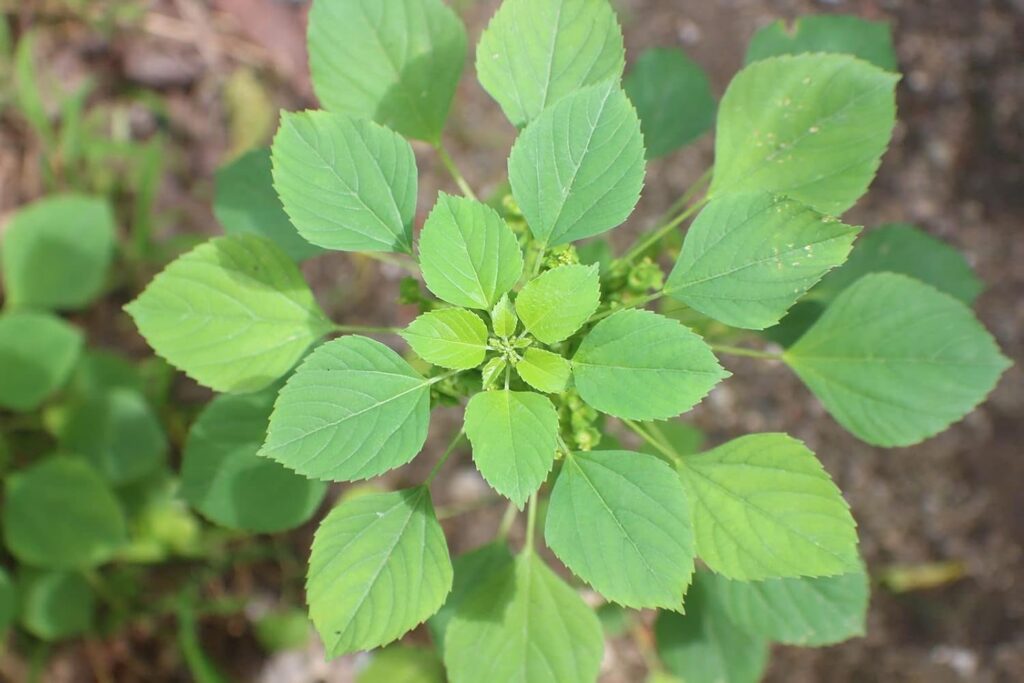
Vernacular names
Assamese : Patrasaki, Mukuta manjari
Bengali : Muktajhuri
English : Indian Acalypha
Gujarati : Vanchi Kanto
Hinndi : Kuppi, Aamaabhaaji
Kannada : Kuppigida
Malayalam : Kuppameni
Marati : Khokli, Khajoti
Oriya : Indramaris, Nakachana
Punjabi : Kuppi
Tamil : Kupaaimeni
Telugu : Kuppichettu, Kuppinta,
Muripindi
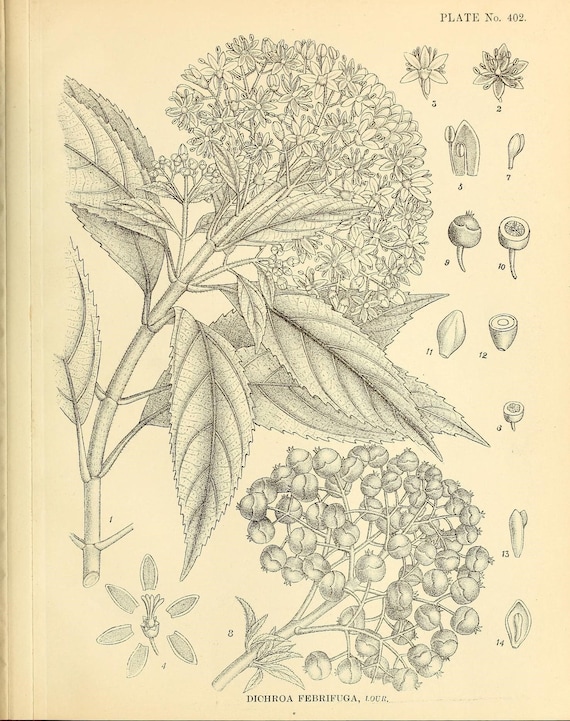
Conclusion
Harita Manjari is a priceless treasure of Ayurvedic herbal knowledge. It systematically explains medicinal plants, their properties, and therapeutic uses. Even in modern times, it remains an important guide for researchers, doctors, and herbal practitioners.
By studying Harita Manjari, we can understand how ancient sages used nature for healing and how this wisdom can still help us live healthier lives today.
Harita Manjari is a traditionally important Ayurvedic herb valued for its ability to support immunity, respiratory wellness, digestion, and overall vitality. Its warming, aromatic, and cleansing properties help balance Kapha and Vata doshas, making it especially beneficial in conditions associated with cough, mucus accumulation, sluggish digestion, and seasonal weakness.
Traditionally used in Ayurvedic herbal preparations, teas, and wellness formulations, Harita Manjari helps stimulate digestive fire (Agni), clear respiratory congestion, and support the body’s natural defense mechanisms. Its antioxidant and detoxifying qualities may further contribute to maintaining healthy tissues, improved metabolism, and overall balance.
When used appropriately as part of a healthy lifestyle and Ayurvedic care, Harita Manjari can provide a natural and holistic approach to maintaining healthy breathing, stronger immunity, better digestion, and long-term wellness naturally.
