

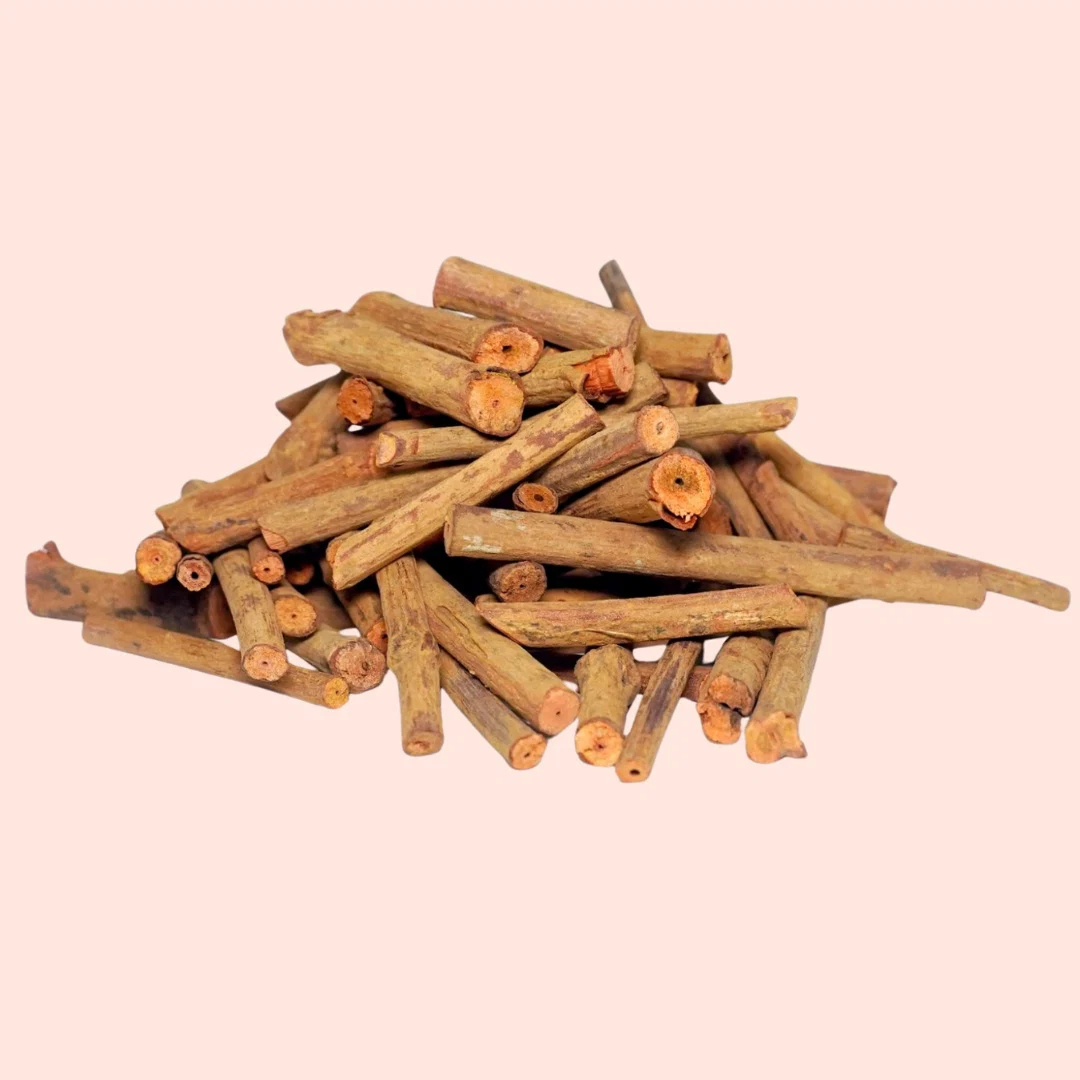
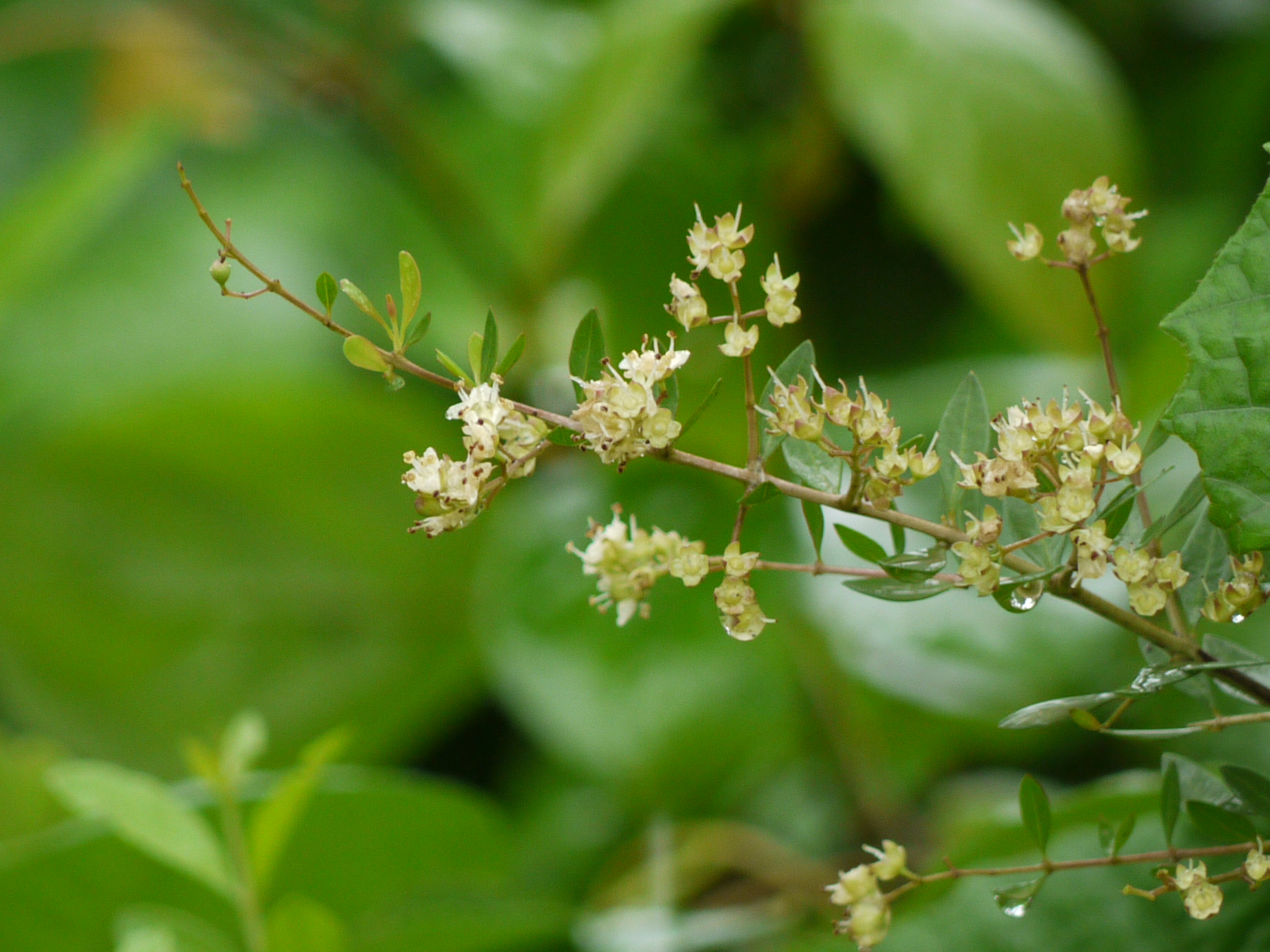
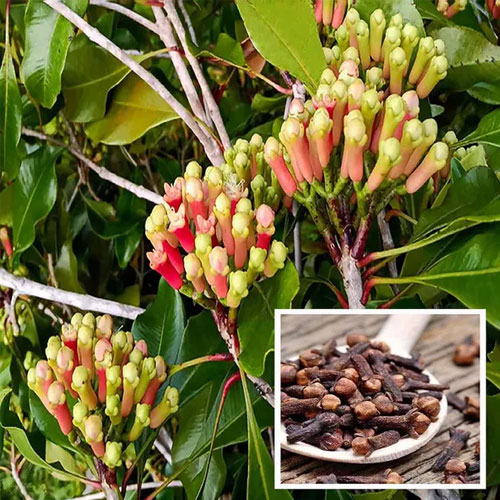
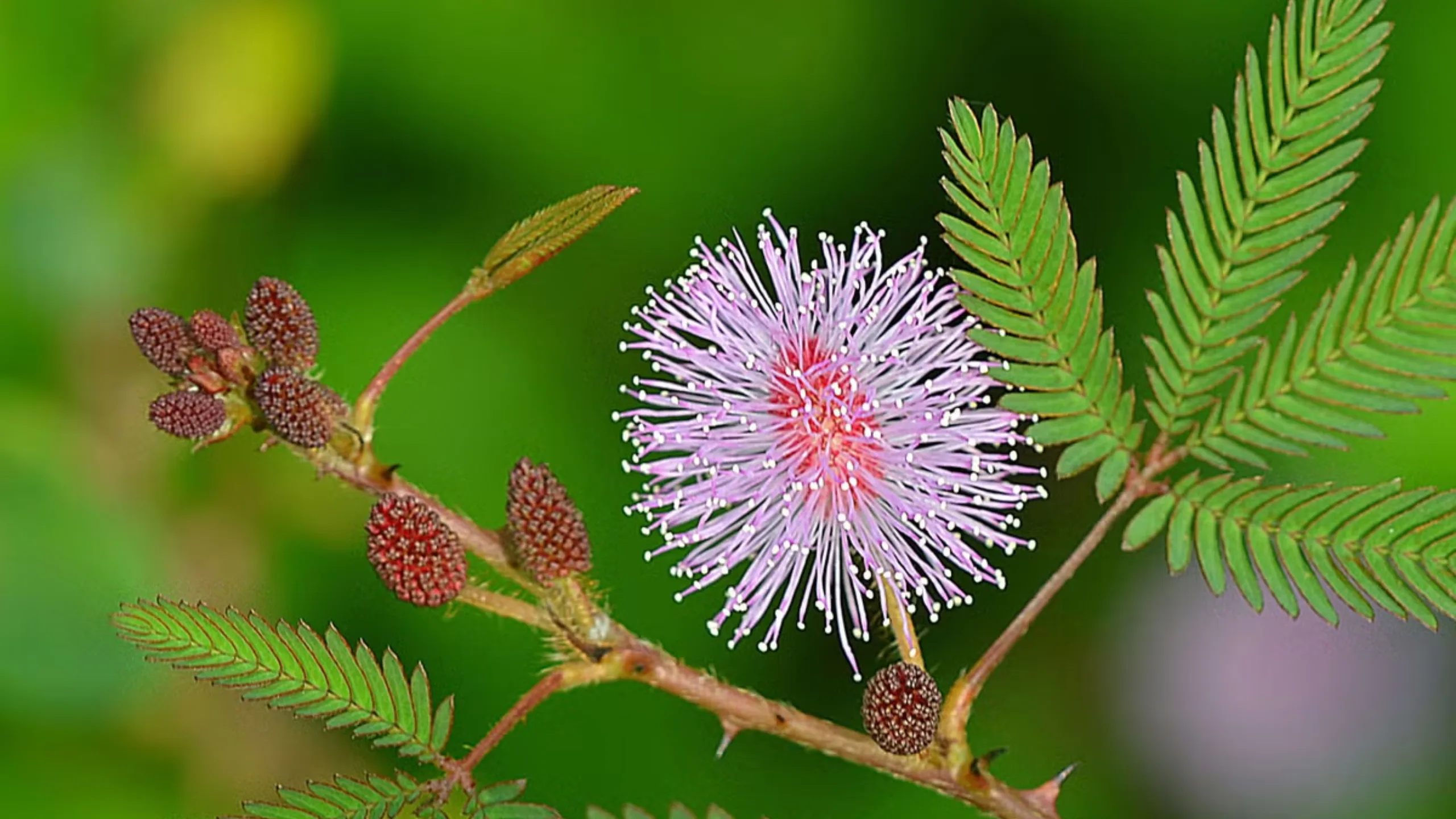
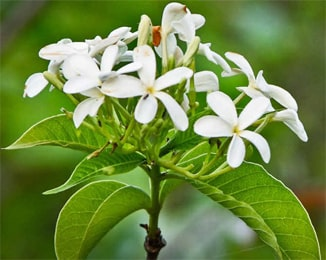

Terminalia chebula, Combretaceae
Introduction
Haritaki is one of the most revered herbs in Ayurveda, traditionally known as the “King of Medicines” for its remarkable benefits in supporting digestion, detoxification, longevity, and overall wellness. Scientifically identified as Terminalia chebula, Haritaki has been used for centuries in Ayurvedic medicine for balancing the body, cleansing toxins, and promoting healthy aging.
Haritaki is especially valued for its ability to support the digestive system by improving bowel regularity, enhancing metabolism, and helping eliminate accumulated toxins (Ama). It is one of the three important fruits used in the famous Ayurvedic formulation Triphala, alongside Bibhitaki and Amalaki.
In Ayurveda, Haritaki is considered a powerful Rasayana (rejuvenative herb) that helps balance all three doshas — Vata, Pitta, and Kapha — with a particularly strong effect on Vata disorders. It is traditionally used for constipation, bloating, sluggish digestion, detoxification, respiratory health, immunity support, and tissue rejuvenation.
Modern research suggests that Haritaki possesses antioxidant, antimicrobial, mild laxative, anti-inflammatory, digestive-supportive, and rejuvenating properties, supporting many of its traditional Ayurvedic applications.
What is haritaki?
Technically, the fruit of the deciduous myrobalan plum tree, haritaki, is considered an important herb in Ayurveda and Siddha medicine, both indigenous systems of medicine in India.
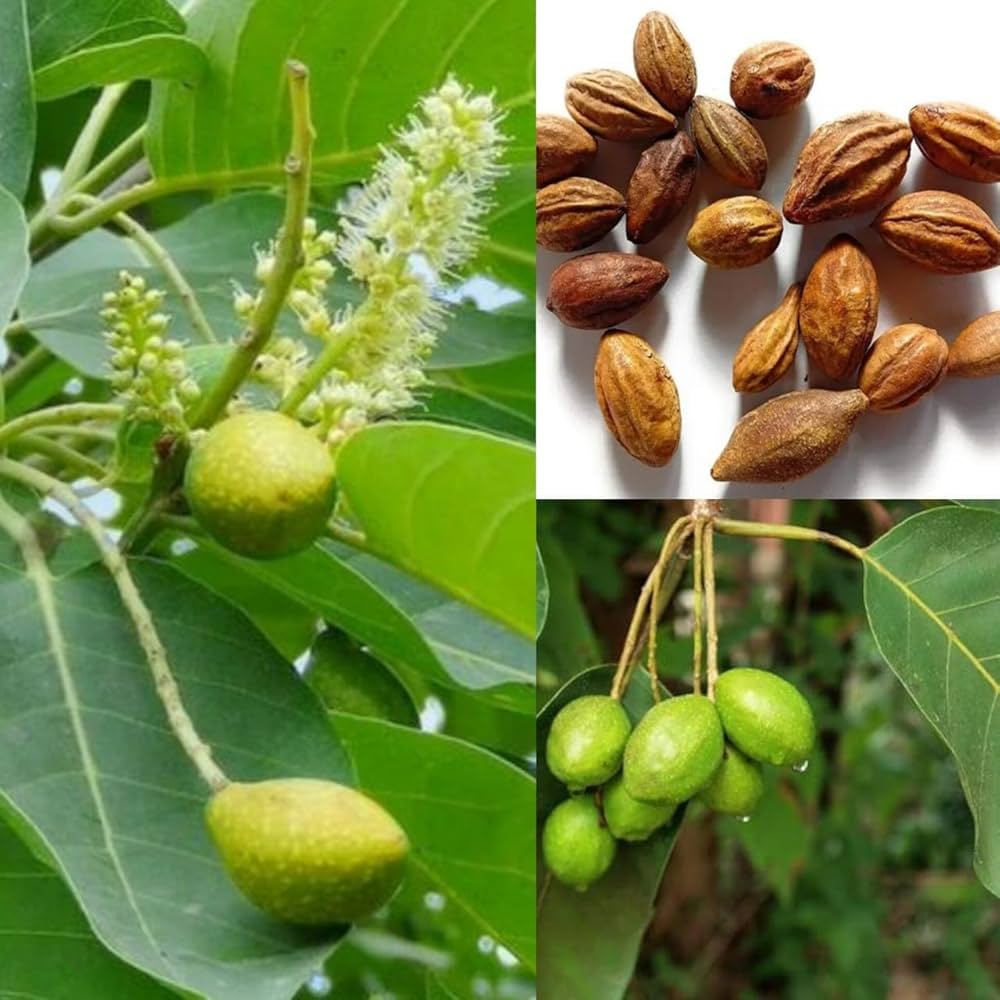
The fruit itself is small, oblong, and less than an inch in size.
The fruits are often collected when they’re still green and raw and then dried until golden brown or black. They’re then powdered and made into Ayurvedic remedies. The fruit’s potency depends on where it was collected, its color, and its shape.
Haritaki is also known as:
- harad
- haradey
- kaddukki (in South Asia)
- kayakalpa
In Tamil, it’s called “kayakalpa,” a rejuvenator of the body that balances all the doshas, or humors. It’s often referred to as a “life-giving” herb.
Haritaki health benefits
Haritaki is prized in Ayurveda for its versatile health applications.
Vrinda Devani, OB-GYN and Ayurvedic practitioner of Banyan Botanicals and Ayurprana, says that haritaki balances all the elements, especially ether and air. The combination of ether and air is known as Vata dosha, which is said to cause 80 percent of all diseases in Ayurveda.
Devani notes that haritaki is also high in:
Practitioners of Ayurveda include it as part of treatment for a host of ailments, including both short-term and chronic health concerns.
Haritaki is one part of the Ayurvedic trifecta, known as triphala, which includes:
- haritaki
- bibhitaki
- amla (Indian gooseberry)
“To pacify the air element (Vata), take it with ghee, or clarified butter,” says Devani. “To pacify fire and heat (Pitta), you can take it with a little sugar. To pacify water and earth (Kapha), you can take it with a little rock salt.”
It’s important to always consult a qualified herbalist before you add any herb, including haritaki, to your health regimen.
According to Devani, haritaki is beneficial for:
- cough
- constipation, gas, and bloating
- indigestion
- detoxification
- weight loss
- skin disease
- metabolism
- immunity
- fertility
- libido
- cleansing
- supporting regular bowel movements
- nourishing and rejuvenating the tissues
“Haritaki is beneficial for a number of illnesses,” says Devani. “One of the unique things about haritaki is that as […] an herb that rejuvenates and nourishes all organs and tissues, it also supports immunity. It can support reproductive challenges like libido and fertility.”
Haritaki beauty benefits for skin, hair, and nails
As a rejuvenating and regenerative herb with antioxidant properties, haritaki is believed to have the potential to improve the health of the skin, hair, and nails.
Skin
According to 2019 research, haritaki may help address a variety of skin concerns recognized in Ayurveda, where it has long been used to support balanced, clear skin. Some of its key benefits include:
- removing excess oil
- cleansing pores
- reduce buildup of dead skin cells and impurities
Devani recommends using it specifically as a gentle skin cleanser or clarifying mask.
“Use it externally by making a paste with some water or rose water,” she says. “If it’s a little drying, add a few drops of oil.”
Hair
In Ayurveda, haritaki is sometimes used in hair care as a natural cleanser and scalp tonic that may help support hair strength and shine.
Nails
Haritaki is also sometimes used in Ayurveda to support nail health by helping keep nails clean and resilient.
Its natural astringent (a plant-based property that helps tighten and tone tissues) and antimicrobial properties are believed to help reduce buildup around the nail bed while supporting overall nail strength.
Botanical Description of Haritaki
🔹 Scientific Classification
- Scientific Name: Terminalia chebula
- Family: Combretaceae
- Common Names: Haritaki, Harad, Chebulic Myrobalan
- Plant Type: Deciduous medicinal tree
General Habit of the Plant
Haritaki is a medium to large deciduous tree widely found in tropical and subtropical regions. It is highly valued in Ayurveda for its medicinal fruits, which are used in digestive and rejuvenating formulations.
The tree is known for:
- Broad spreading crown
- Strong trunk
- Dense foliage
- Long lifespan
Mature trees can grow up to 15–30 meters in height.
Root System
- Strong and deeply penetrating roots
- Well-developed root network
- Helps the tree survive in dry conditions
The robust root system supports long-term growth and stability.
Stem & Bark
🔸 Stem
- Thick and erect trunk
- Strong woody structure
- Brownish-gray outer surface
🔸 Bark
- Dark brown to blackish bark
- Long vertical cracks in mature trees
- Slightly rough texture
Bark is sometimes used in traditional herbal preparations.
Leaves of Haritaki
- Simple oval-shaped leaves
- Smooth and glossy green surface
- Opposite or sub-opposite arrangement
- Broad leaf structure with pointed tips
Leaf Characteristics:
- Length: 7–15 cm
- Thick and leathery texture
- Prominent veins visible
Leaves remain green for most of the growing season.
Flowers of Haritaki
- Small yellowish-white flowers
- Mild but characteristic odor
- Grow in terminal spikes or clusters
Flowering Season:
- Spring to early summer
Flowers are less medicinally important than fruits.
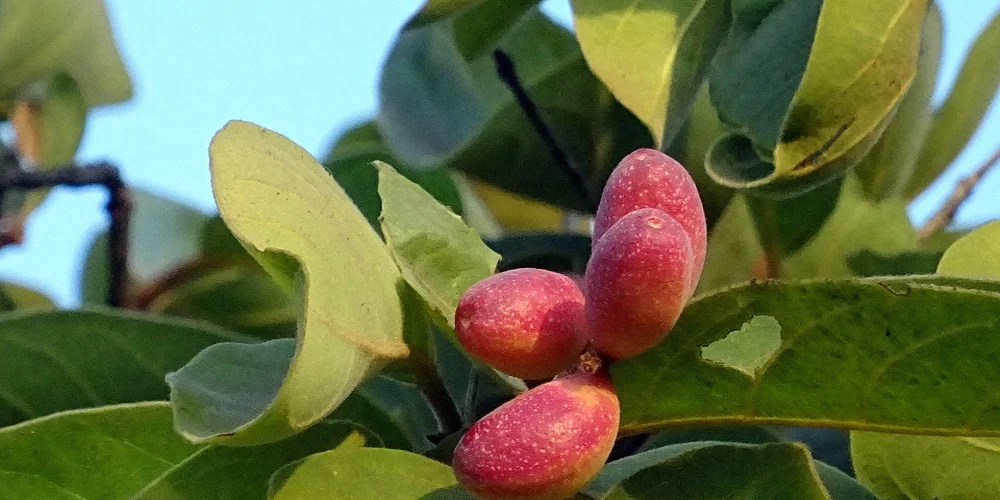
Fruits of Haritaki
The fruit is the primary medicinal part used in Ayurveda.
🔸 Fruit Characteristics
- Oval or egg-shaped
- Green when unripe
- Yellow-brown after drying
- Hard outer covering
- Distinct longitudinal ridges
Size:
- Usually 2–5 cm long
Dried mature fruits are used in:
- Triphala
- Digestive powders
- Detox formulations
Seeds
- Single hard seed inside the fruit
- Brownish appearance
- Helps natural propagation
Habitat & Distribution
Haritaki naturally grows in:
- India
- Nepal
- Sri Lanka
- Myanmar
- Southeast Asia
Preferred Growing Conditions
🔹 Climate
- Tropical and subtropical climate
- Warm temperatures preferred
🔹 Soil
- Well-drained fertile soil
- Can tolerate slightly dry conditions
🔹 Sunlight
- Full sunlight for healthy growth
Growth & Lifecycle
- Plant Type: Perennial deciduous tree
- Growth Rate: Moderate to fast
- Propagation: Mainly through seeds
- Fruit Harvesting Season: Autumn and winter
Fruits are collected after maturity and dried for medicinal use.
Special Botanical Features
✅ Long-living medicinal tree
✅ Ribbed medicinal fruits
✅ Broad spreading canopy
✅ Highly valued in Ayurvedic medicine
Identification in Nature
Haritaki can generally be identified by:
- Tall deciduous tree structure
- Oval glossy leaves
- Yellowish clustered flowers
- Ribbed oval fruits
Mature dried fruits are easily recognized by their hard ridged surface.
Important Note
The dried fruit of Terminalia chebula is the most important medicinal part traditionally used in Ayurveda for digestion, detoxification, and rejuvenation.
Summary
Haritaki (Terminalia chebula) is a large medicinal deciduous tree known for its ribbed therapeutic fruits widely used in Ayurveda. Its strong trunk, glossy leaves, clustered flowers, and detoxifying fruits make it one of the most important herbs for supporting digestion, bowel health, detoxification, immunity, and overall wellness naturally.
Ayurvedic Properties of Haritaki
Overview in Ayurveda
Terminalia chebula, commonly known as Haritaki, is considered one of the most important herbs in Ayurveda for supporting digestion, detoxification, rejuvenation, bowel health, immunity, and longevity.
It is traditionally called:
- “Abhaya” – meaning “fearless,” because it is believed to protect the body from many disorders.
- One of the best Rasayana (rejuvenating) herbs in Ayurvedic medicine.
Haritaki is especially valued for balancing Vata dosha, while also supporting healthy balance of Pitta and Kapha.
🔹 Rasa (Taste)
Haritaki is unique because it possesses five tastes except salty taste:
- Kashaya (Astringent) – dominant
- Madhura (Sweet)
- Amla (Sour)
- Katu (Pungent)
- Tikta (Bitter)
This multi-taste profile contributes to its broad therapeutic effects.
🔹 Guna (Qualities)
- Laghu (Light)
- Ruksha (Dry)
Ayurvedic Significance:
These qualities help:
- Improve digestion
- Reduce heaviness
- Remove excess Kapha
- Support detoxification
🔹 Virya (Potency)
- Ushna (Warm Potency)
Warming action helps:
- Stimulate digestive fire (Agni)
- Improve metabolism
- Reduce Vata-related sluggishness
🔹 Vipaka (Post-Digestive Effect)
- Madhura Vipaka (Sweet post-digestive effect)
Supports:
- Nourishment of tissues
- Strength and rejuvenation
- Balanced elimination
🔹Dosha Effect
Balances:
- Vata
- Pitta
- Kapha
Particularly effective for:
- Vata imbalance
- Digestive weakness
- Constipation and dryness
Main Ayurvedic Actions of Haritaki
🔸 Deepana
Helps:
- Stimulate appetite
- Improve digestive fire (Agni)
🔸 Pachana
Supports digestion of:
- Ama (toxins)
- Undigested metabolic waste
🔸 Anulomana
Traditionally helps:
- Promote proper bowel movement
- Relieve constipation
- Support colon cleansing
🔸 Rasayana
Supports:
- Longevity
- Vitality
- Tissue rejuvenation
- Healthy aging
🔸 Medhya
Traditionally believed to support:
- Mental clarity
- Cognitive balance
- Nervous system wellness
🔸 Hridya
May help support:
- Heart wellness
- Circulation and nourishment
Effect on Agni (Digestive Fire)
Haritaki:
- Strengthens weak digestion
- Improves metabolism
- Helps prevent toxin accumulation
Considered highly beneficial in sluggish digestion.
Role in Detoxification
Haritaki is traditionally used to:
- Eliminate Ama (toxins)
- Cleanse the intestines
- Improve natural detox pathways
One of Ayurveda’s most respected detox herbs.
Effect on Vata Dosha
Haritaki is especially valued for balancing Vata by helping:
- Improve bowel regularity
- Reduce dryness
- Support nervous system balance
Frequently used in chronic Vata disorders.
Effect on Kapha & Pitta
🔹 For Kapha
Helps:
- Reduce heaviness
- Improve sluggish digestion
- Remove mucus accumulation
🔹 For Pitta
Supports:
- Balanced metabolism
- Healthy elimination when used properly
Excessive use may aggravate dryness in some individuals.
Effect on Dhatus (Body Tissues)
Haritaki mainly supports:
- Rasa Dhatu (nutritive fluids)
- Rakta Dhatu (blood tissue)
- Mamsa Dhatu (muscle tissue)
- Majja Dhatu (nervous tissue)
Helps maintain nourishment and tissue balance.
Effect on Srotas (Body Channels)
Supports healthy function of:
- Annavaha Srotas (digestive channels)
- Purishavaha Srotas (colon and elimination channels)
- Pranavaha Srotas (respiratory channels)
Helps maintain proper flow and cleansing.
Traditional Ayurvedic Uses
Haritaki is traditionally used for:
- Constipation
- Indigestion
- Bloating
- Detoxification
- Respiratory imbalance
- Weak immunity
- Rejuvenation therapies
Ayurvedic Precautions
Excessive use may:
- Increase dryness
- Cause dehydration
- Lead to loose stools in sensitive individuals
Use cautiously in:
- Severe weakness
- Pregnancy without guidance
- Extreme dehydration conditions
Balanced and guided use is preferred.
Summary
Terminalia chebula is one of Ayurveda’s most respected rejuvenating herbs, traditionally used for supporting digestion, detoxification, bowel health, immunity, longevity, and overall balance.
Its unique combination of tastes, warming potency, and rejuvenating actions make Haritaki especially beneficial for balancing Vata dosha, improving digestion, removing toxins, and promoting healthy aging naturally.
Vernacular names
Assamese : Shilikha
Bengali : Haritaki
English : Myrobalan
Gujrati : Hirdo, Himaja, Pulo-harda
Hindi : Harre, Harad, Harar
Kannada : Alalekai
Kashmiri : Halela
Malayalam : Katukka
Marathi : Hirda, Haritaki, Harda, Hireda
Oriya : Harida
Punjabi : Halela, Harar
Tamil : Kadukkai
Telugu : Karaka, Karakkaya
Urdu : Halela
Conclusion
Haritaki, scientifically known as Terminalia chebula, is one of the most treasured herbs in Ayurveda for promoting digestion, detoxification, bowel regularity, immunity, rejuvenation, and overall wellness. Revered as a powerful Rasayana (rejuvenating herb), Haritaki has been traditionally used for centuries to support healthy metabolism, eliminate toxins (Ama), and maintain balance among the three doshas — especially Vata dosha.
Its gentle cleansing action, combined with its nourishing and restorative qualities, makes Haritaki highly valuable in Ayurvedic therapies for constipation, sluggish digestion, bloating, respiratory imbalance, and long-term vitality. As an important ingredient in the famous Ayurvedic formulation Triphala, it continues to play a central role in natural detoxification and digestive health practices.
When used properly and in moderation as part of a balanced lifestyle, Haritaki offers a natural and holistic approach to maintaining healthy digestion, improved elimination, enhanced immunity, rejuvenation, and long-term wellness naturally.
