


Equisetum arvense
Introduction
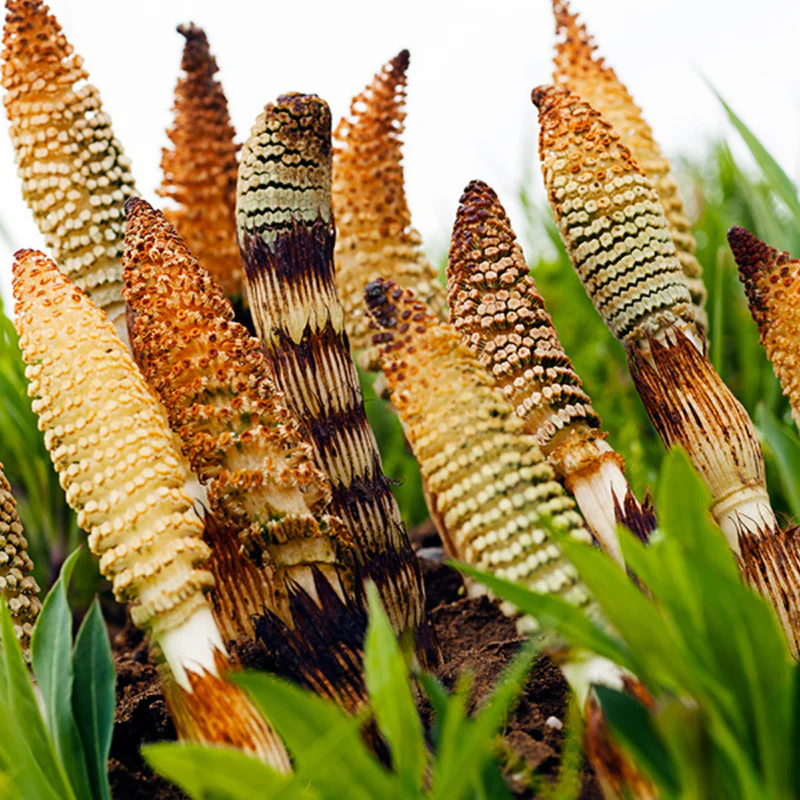
Horsetail is a unique, ancient medicinal plant that has been used for thousands of years in traditional herbal medicine. It is named for its resemblance to a horse’s tail and is known for its high mineral content, especially silica. Horsetail has been widely used for supporting bone health, hair growth, and urinary system function.
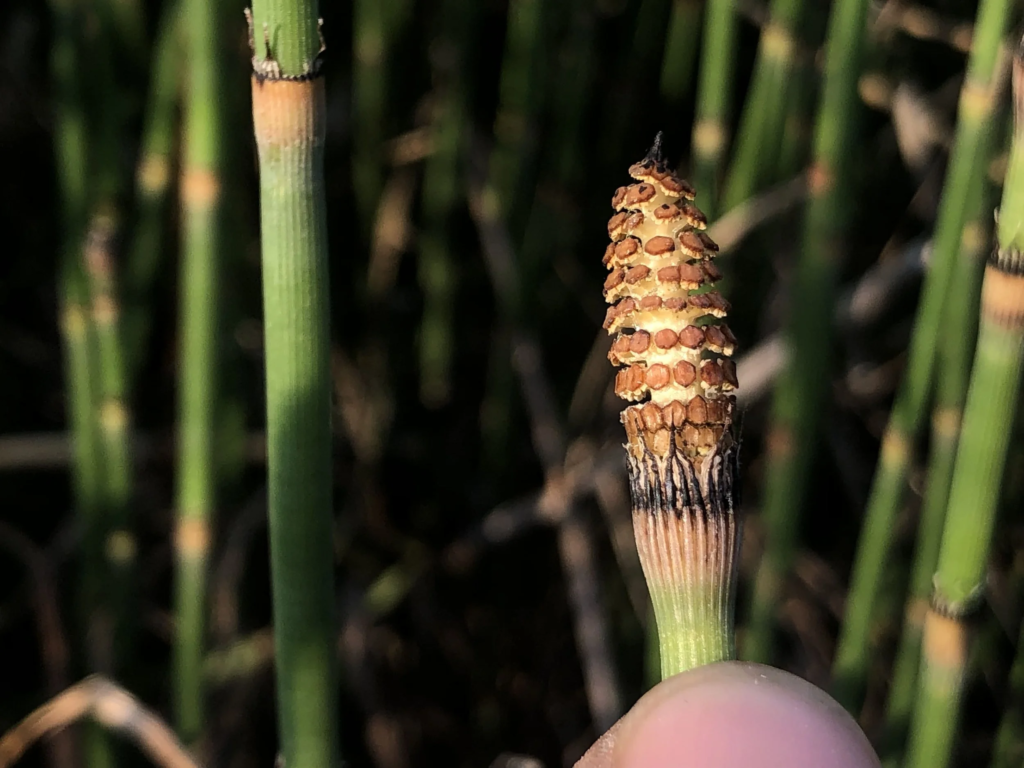
Horsetail is an ancient medicinal plant that has been used for thousands of years in traditional herbal medicine. It is easily recognized by its thin, jointed stems that resemble a horse’s tail. This plant is especially valued for its high content of silica, a natural compound that plays an important role in strengthening bones, hair, skin, and nails.
Traditionally, horsetail has been used for supporting urinary health, promoting wound healing, and reducing inflammation. Its natural diuretic properties help increase urine flow and assist in detoxification. Because of its rich mineral content and healing benefits, it has been widely used in both traditional and modern herbal practices.
With its unique composition and long history of use, horsetail continues to be an important herb for maintaining overall health and supporting the body’s natural healing processes.
Botanical Description
- Scientific Name: Equisetum arvense
- Family: Equisetaceae
- Plant Type: Perennial herb
- Part Used: Aerial parts (green stems)
- Taste: Slightly bitter
- Nature: Cooling
Common Names
- English: Horsetail
- Other Names: Shavegrass, Field Horsetail
Active Compounds
- Silica (main component)
- Flavonoids
- Alkaloids
- Minerals (calcium, potassium)
These compounds give horsetail its strengthening and healing properties.
Traditional Uses
1. Bone Health
Horsetail is rich in silica, which helps:
- Strengthen bones
- Improve bone density
- Support healing of fractures
2. Hair, Skin, and Nails
It is commonly used for:
- Promoting hair growth
- Strengthening nails
- Improving skin health
3. Urinary Health
Horsetail acts as a natural diuretic:
- Increases urine flow
- Supports kidney function
- Helps treat urinary infections
4. Wound Healing
Applied externally, it helps:
- Heal wounds
- Stop minor bleeding
- Reduce inflammation
5. Anti-inflammatory Effects
It helps in:
- Reducing swelling
- Relieving joint pain
6. Detoxification
Horsetail supports:
- Removal of toxins
- Fluid balance in the body
Ayurvedic Perspective
Horsetail is not a classical Ayurvedic herb but is used in modern herbal practice.
- Taste (Rasa): Bitter
- Nature (Virya): Cooling
- Effect: Supports Pitta balance and detoxification
Methods of Use
- Herbal Tea: Made from dried stems
- Powder: Taken with water
- Capsules/Extracts: Available as supplements
- External Use: Applied to wounds
Precautions
- Avoid long-term use
- Not recommended during pregnancy
- May reduce vitamin B1 levels if overused
- Consult a doctor before use
Side Effects
- Digestive discomfort (rare)
- Possible vitamin deficiency (long-term use)
Conclusion
Horsetail is a mineral-rich medicinal herb known for its benefits in strengthening bones, improving hair and skin health, and supporting the urinary system. Its long history of traditional use highlights its effectiveness as a natural remedy. However, it should be used carefully and in proper amounts to ensure safety.
Horsetail is a valuable medicinal herb known for its high silica content and wide range of health benefits. It has been traditionally used to strengthen bones, improve hair, skin, and nail health, and support the urinary system. Its natural diuretic and healing properties make it useful for detoxification and wound care.
While horsetail offers many benefits, it should be used in proper amounts and not for long periods, as excessive use may lead to certain side effects. Careful and informed use ensures its safety and effectiveness.
Overall, horsetail remains an important herbal remedy in traditional medicine, valued for its ability to support structural health and promote overall well-being.
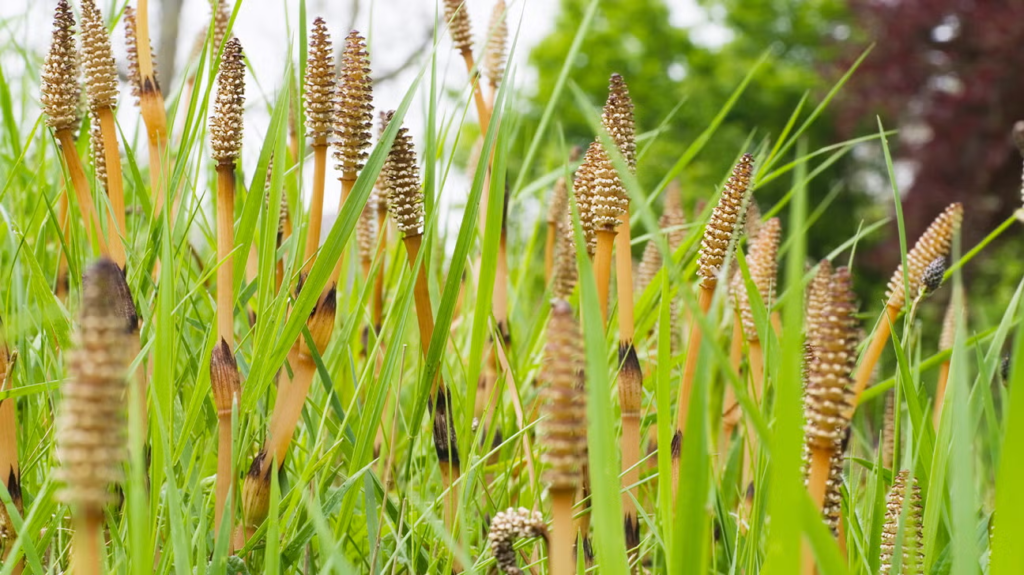
Horsetail is an ancient medicinal herb known for its high silica content, making it incredibly valuable for strengthening bones, improving skin health, and supporting the urinary system. It has been used traditionally for everything from wound healing to promoting hair and nail growth.
Key Uses & Benefits of Horsetail:
Bone, Hair & Nail Strength
- Rich in silica, which supports the formation of collagen—essential for healthy bones, skin, nails, and hair.
- Helps in the remineralization of bones, useful for osteoporosis and bone healing.
- Encourages strong, shiny hair and prevents brittle nails.
Urinary Tract Support
- A natural diuretic, helping to flush excess fluids and cleanse the urinary system.
- Traditionally used to treat bladder infections, kidney stones, and urinary incontinence.
- Reduces inflammation in the urinary tract and promotes tissue healing.
Skin & Wound Healing
- Supports skin regeneration and is used in creams for wounds, burns, and acne.
- Its astringent properties help tighten skin and reduce oiliness.
Anti-inflammatory & Antioxidant
- Contains flavonoids and other antioxidants that help reduce inflammation and fight oxidative stress.
- May support joint and connective tissue health.
How to Use Horsetail:
- Horsetail Tea – A common and gentle form for bone and urinary support.
- Capsules & Extracts – For concentrated benefits.
- Topical Creams or Washes – For skin healing and wound care.
Precautions:
- Not recommended for long-term use due to possible loss of potassium.
- Avoid if you have kidney issues or are on diuretics.
- Consult a healthcare provider before using during pregnancy or breastfeeding.
Horsetail is a time-tested herbal ally for strong bones, healthy skin, and a clean urinary system—nature’s mineral-rich multitasker
