

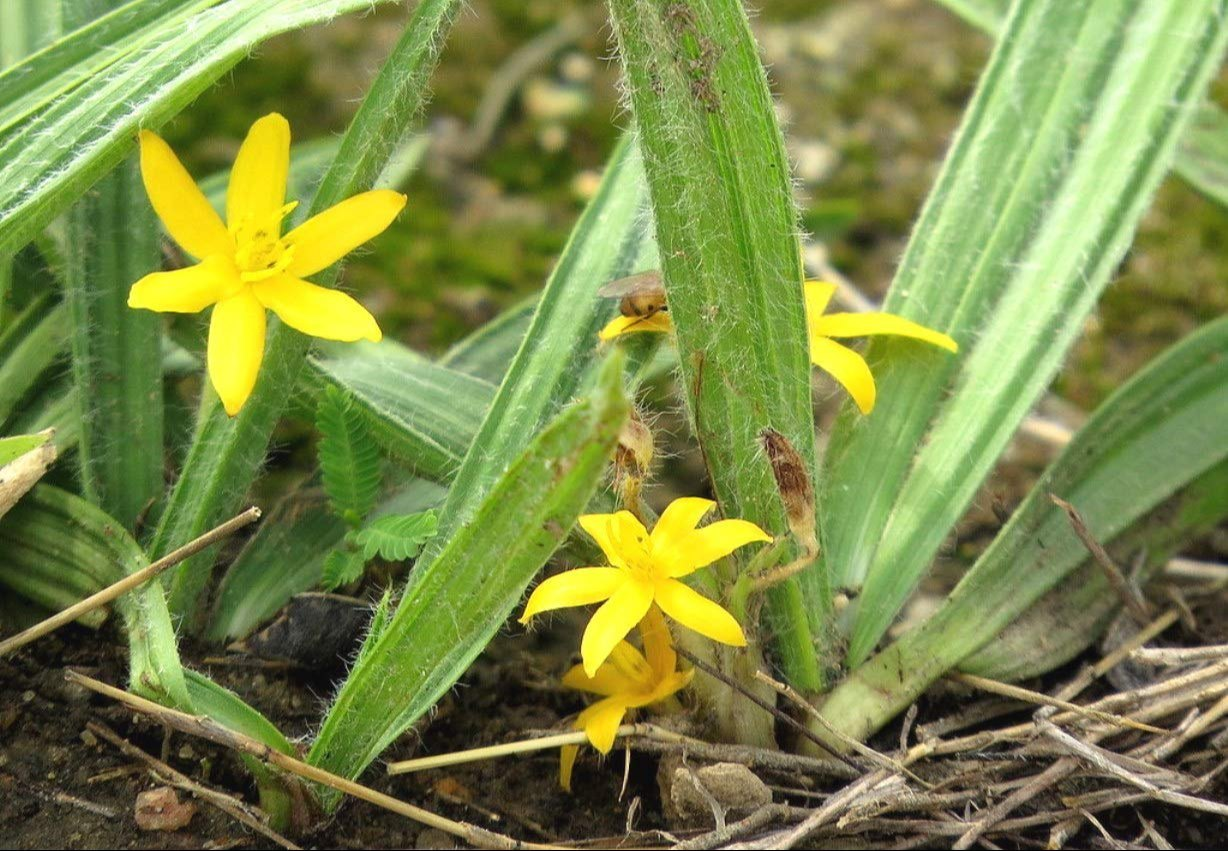
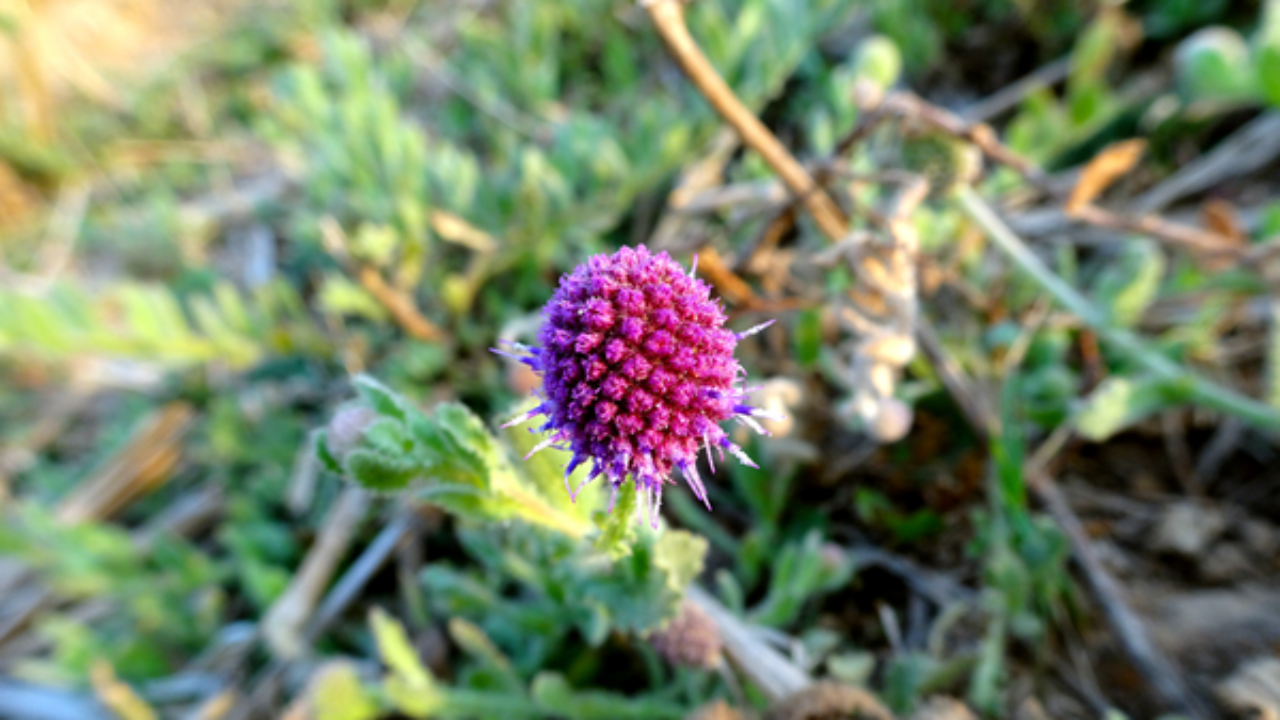
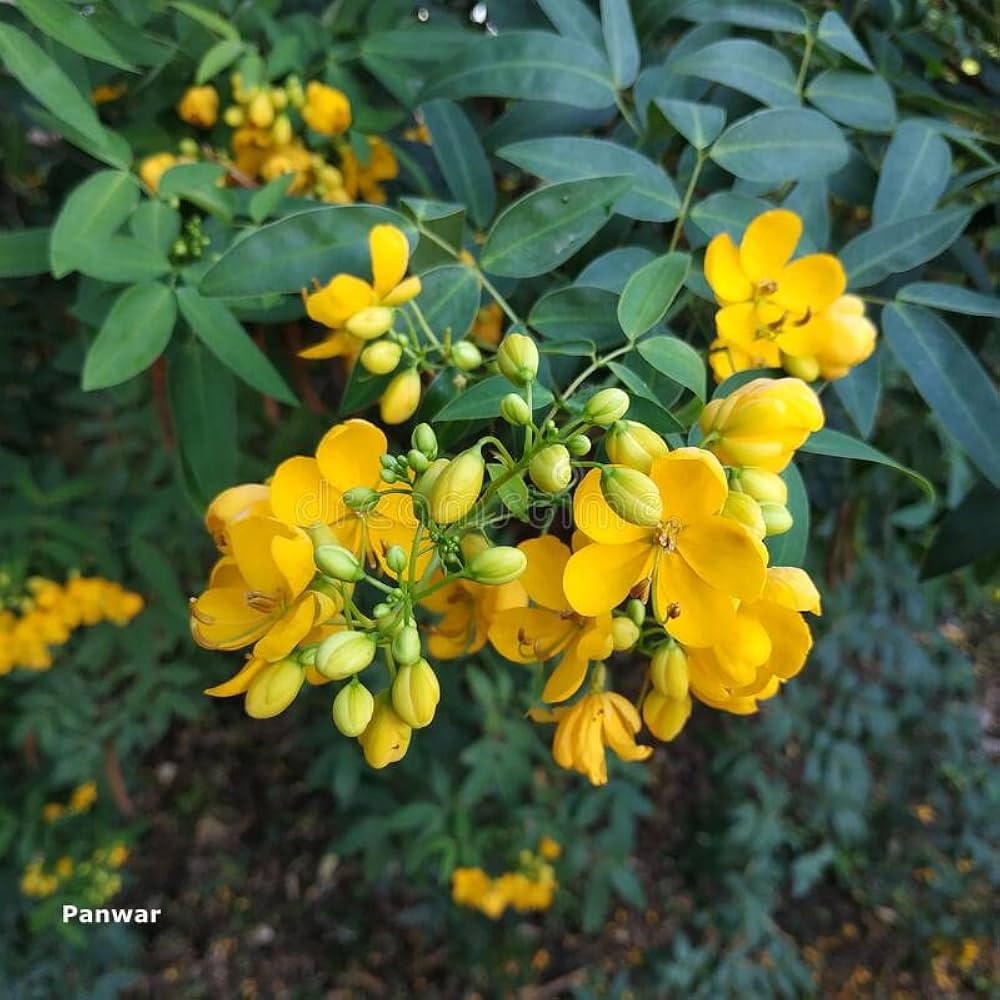
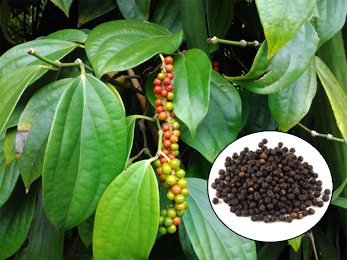
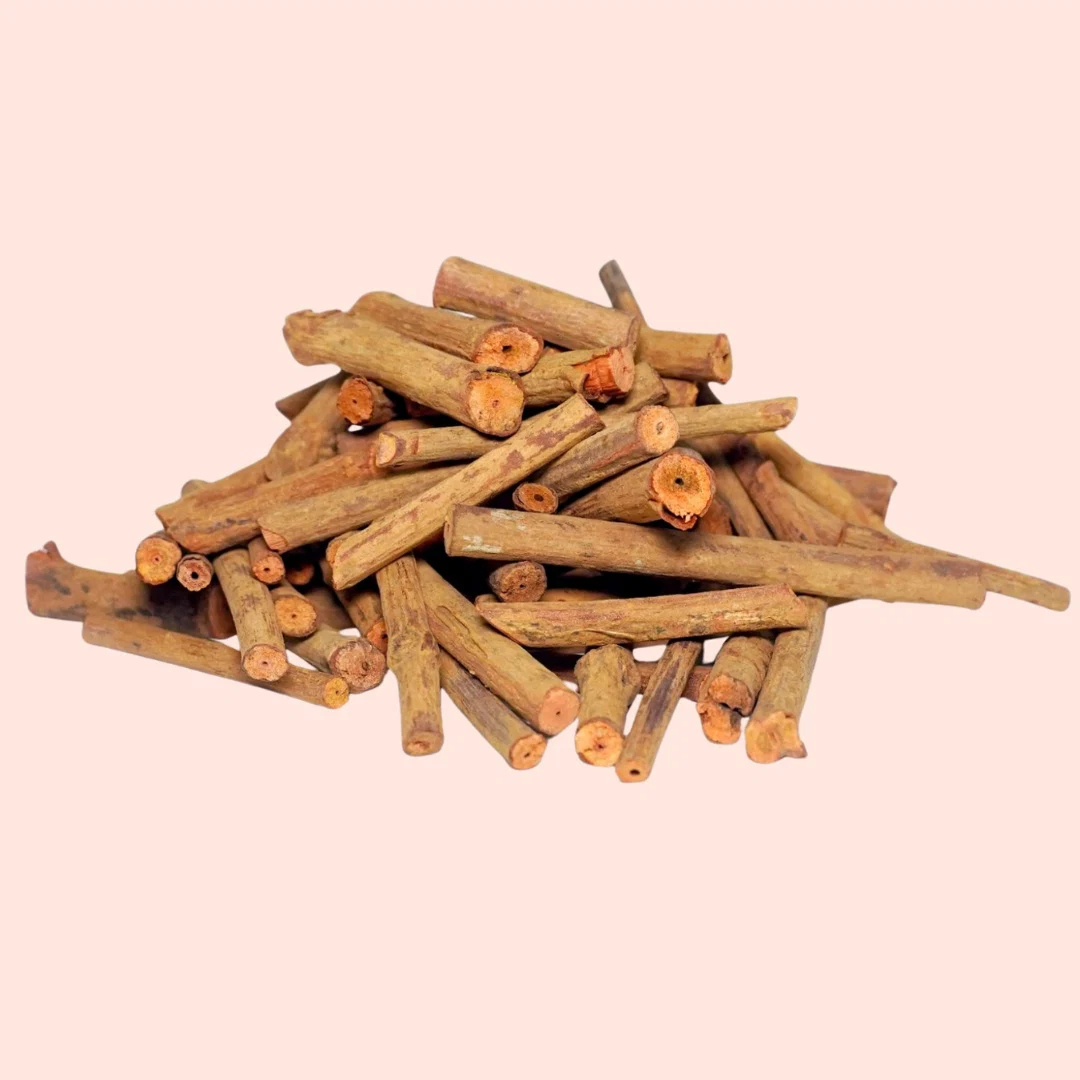
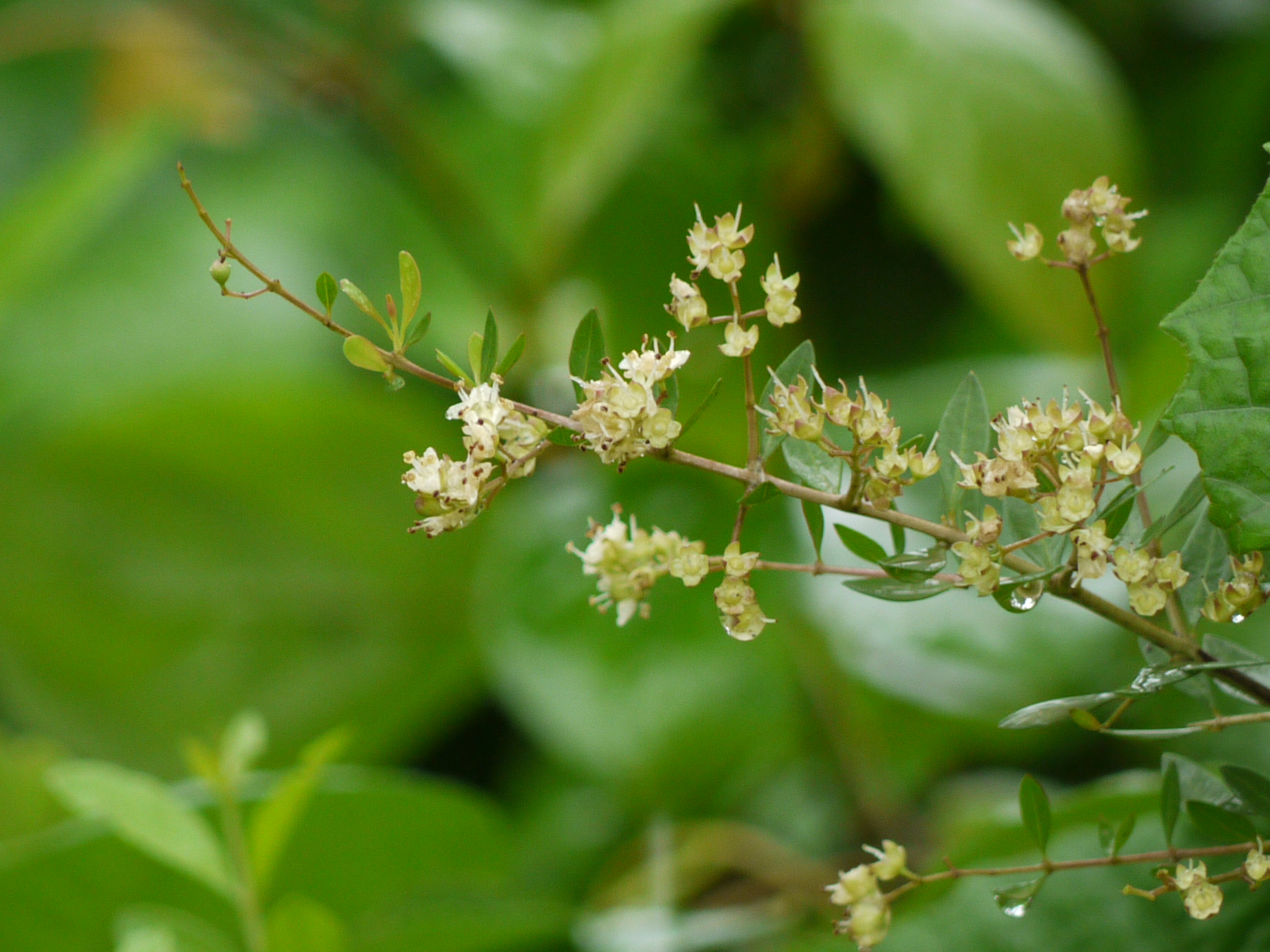
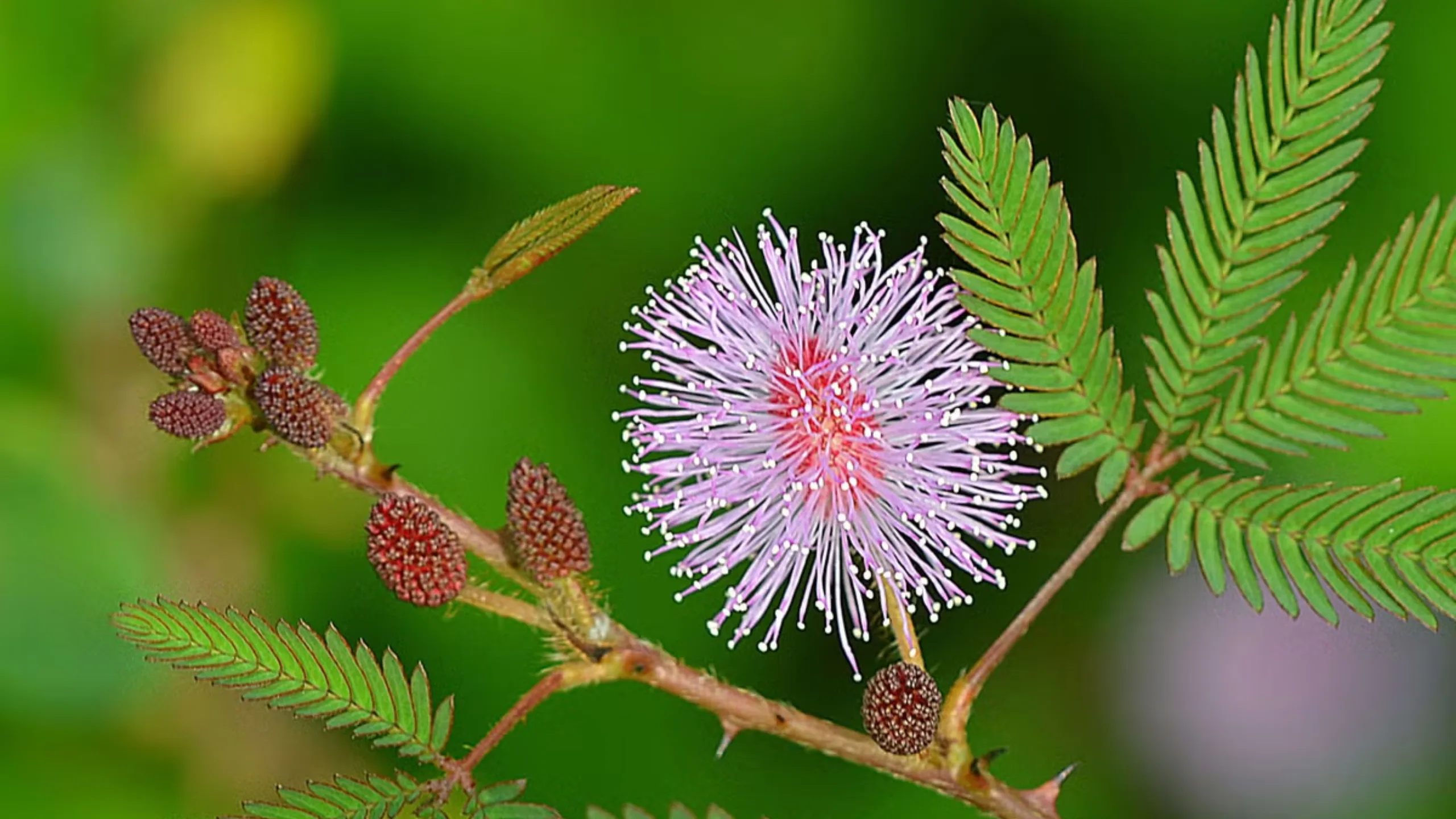
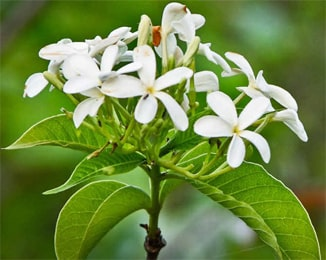
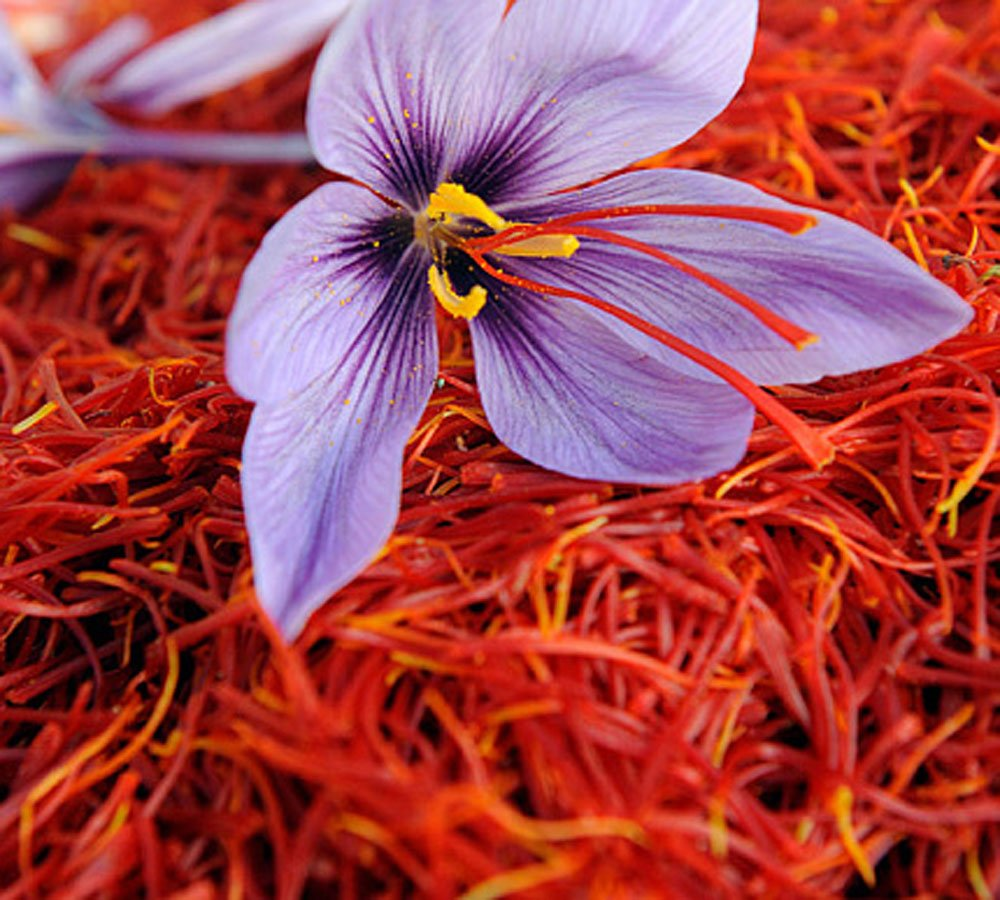

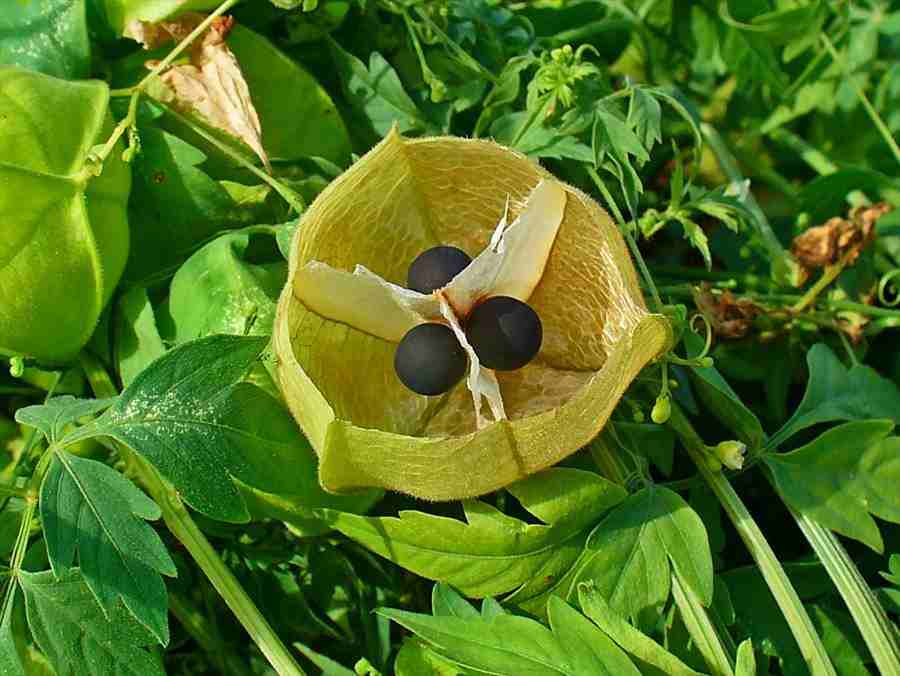
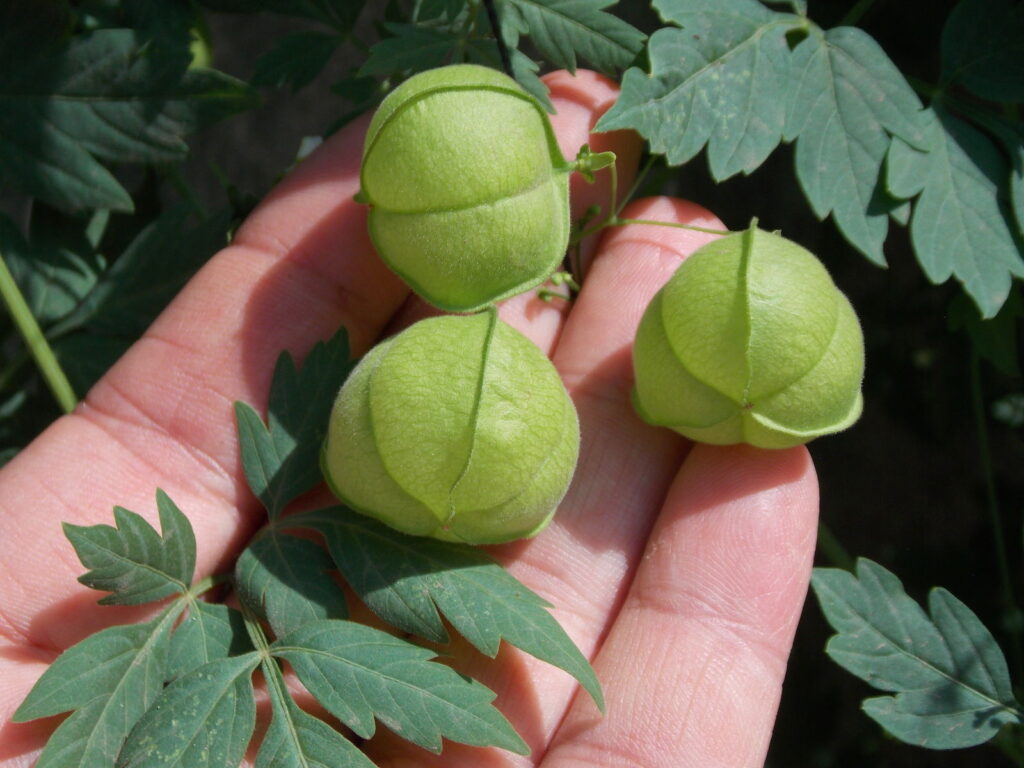
Cardiospermum halicacabum, Sapindaceae
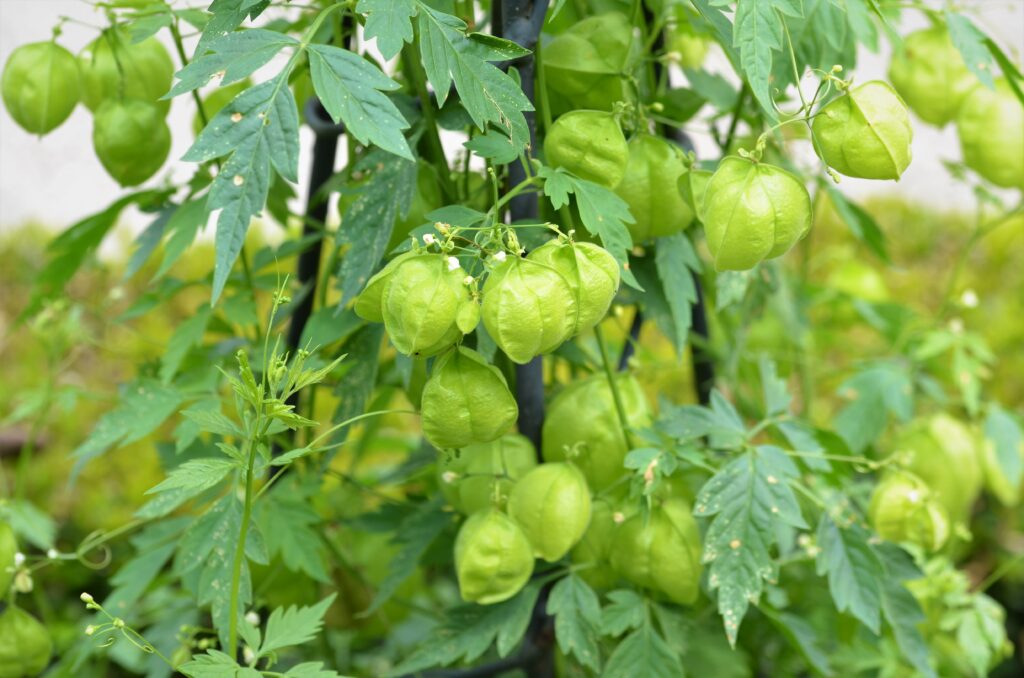
Introduction to Indravalli
Indravalli is a highly respected medicinal plant in Ayurveda. It is more popularly known as Guduchi or Giloy and is famous for boosting immunity, purifying blood, and increasing strength.
In classical Ayurvedic texts such as Bhavaprakasha Nighantu, Indravalli is described as “Amrita” (nectar of immortality) because of its powerful rejuvenating and disease-fighting properties.
Due to its wide health benefits, Indravalli is called the “Divine Climber” in traditional medicine.
Indravalli is a traditional Ayurvedic medicinal herb valued for its benefits in supporting joint health, detoxification, pain relief, and skin wellness. In Ayurveda, it is commonly associated with herbs that possess strong cleansing, anti-inflammatory, and Kapha-reducing properties. Traditionally, Indravalli has been used in remedies for arthritis, joint stiffness, swelling, skin disorders, and toxin accumulation.
The herb is appreciated for its ability to help balance Vata and Kapha doshas, which are often involved in conditions related to pain, stiffness, poor circulation, and chronic skin irritation. Its warming and detoxifying nature supports the removal of accumulated Ama (toxins) from the body while improving mobility and tissue health.
Indravalli is also traditionally used in external herbal applications such as oils, pastes, and poultices for soothing joint discomfort and improving skin conditions. In Ayurvedic detox therapies, it may be combined with other herbs to support circulation, purification, and overall wellness.
Modern herbal understanding suggests that herbs identified with Indravalli may contain anti-inflammatory, antioxidant, analgesic, and antimicrobial compounds, supporting many of their classical Ayurvedic uses.
Botanical Information
Indravalli is a traditional Ayurvedic medicinal climber associated with herbs used for joint disorders, detoxification, inflammatory conditions, and skin problems. In various regional Ayurvedic traditions, the name “Indravalli” may refer to different medicinal creeping or climbing plants, but it is generally recognized for its strong cleansing and Vata-Kapha balancing properties.
🔹 General Botanical Features
- Climbing or creeping growth habit
- Green branching stems
- Broad medicinal leaves
- Roots and leaves commonly used in traditional medicine
The plant is primarily valued for its detoxifying and pain-relieving properties.
- Botanical Name: Tinospora cordifolia
- Family: Menispermaceae
- Common Names:
- Sanskrit: Indravalli, Guduchi, Amrita
- Hindi: Giloy, Gurch
- English: Heart-leaved Moonseed
🔹 Scientific Classification
The botanical identity of Indravalli may vary regionally in traditional medicine systems. It is often associated with medicinal climbers used in Ayurvedic detox and anti-inflammatory therapies.
General Habit
Indravalli is generally described as a perennial creeping or climbing herb with spreading stems that grow over nearby vegetation or along the ground. The plant is known for its medicinal leaves, roots, and detox-supportive properties.
🔸 Root System
- Fibrous or tuberous medicinal roots
- Well-developed underground structure
- Traditionally valued in herbal preparations
Roots are often used in detoxifying and pain-supportive formulations.
🔸 Stem
- Slender, branching climbing stems
- Flexible and spreading growth habit
- Green and soft when young
Stems help the plant climb and spread efficiently.
🔸 Leaves
- Broad green leaves
- Simple leaf arrangement
- Soft texture with medicinal value
Leaves are commonly used in external applications and herbal preparations.
🔸 Flowers
- Small seasonal flowers
- Usually pale green, yellowish, or whitish depending on regional species
- Mild fragrance in some varieties
Flowers are less commonly used medicinally.
🔸 Fruits & Seeds
- Small fruits or capsules depending on species identification
- Seeds help natural propagation
Medicinal use mainly focuses on roots and leaves.
Habitat & Distribution
Indravalli-associated plants are commonly found in:
- India
- Tropical forest regions
- Semi-humid environments
Frequently grows in:
- Forest edges
- Shrublands
- Moist tropical regions
Growth Conditions
- Soil: Fertile, well-drained soil
- Water: Moderate moisture
- Sunlight: Partial sunlight to semi-shade
- Climate: Tropical and subtropical climate
Thrives best in warm and humid conditions.
Growth & Lifecycle
- Type: Perennial climber or creeper
- Growth Rate: Moderate
- Flowering Season: Warm and rainy seasons
- Propagation: Through seeds and stem growth
Identification in Nature
Indravalli can generally be identified by:
- Spreading climbing stems
- Broad medicinal leaves
- Creeping growth pattern
- Presence in tropical forested regions
Important Note
Since “Indravalli” may refer to different regional medicinal plants in Ayurveda, correct botanical identification by a qualified herbal expert is important before medicinal use.
Summary
Indravalli is traditionally recognized as a medicinal climbing herb used in Ayurveda for supporting joint health, detoxification, pain relief, and skin wellness. Its creeping habit, medicinal roots, and detoxifying nature make it an important herb in traditional therapies aimed at balancing Vata and Kapha disorders, especially those involving inflammation, stiffness, and toxin accumulation.
Ayurvedic Properties (Detailed)
Indravalli is a traditionally valued Ayurvedic medicinal herb known for its role in supporting joint health, pain relief, detoxification, circulation, and skin wellness. It is especially useful in balancing Vata and Kapha doshas, which are commonly associated with arthritis, stiffness, swelling, toxin accumulation, and chronic skin disorders.
🔹 Rasa (Taste)
- Tikta (Bitter)
- Katu (Pungent)
These tastes help:
- Digest toxins (Ama)
- Reduce Kapha accumulation
- Improve metabolism and circulation
- Support skin purification
🔹 Guna (Qualities)
- Laghu (Light)
- Tikshna (Sharp/Penetrating)
These qualities support:
- Removal of blockages
- Better circulation through channels
- Reduction of heaviness and stiffness
🔹 Virya (Potency)
- Ushna (Hot/Warming)
Heating potency helps:
- Relieve cold-type joint pain
- Improve circulation
- Reduce stiffness and sluggishness
🔹 Vipaka (Post-digestive Effect)
- Katu (Pungent Vipaka)
This contributes to:
- Kapha reduction
- Enhanced metabolism
- Improved detoxification
🔹 Dosha Effect (Doshic Action)
- Pacifies Vata and Kapha
- May aggravate Pitta if overused
Particularly beneficial in:
- Arthritis
- Joint stiffness
- Toxin accumulation
- Kapha-related skin problems
Functional Ayurvedic Actions
Indravalli possesses several important Ayurvedic actions:
🔹 Vatahara
Helps reduce:
- Joint pain
- Stiffness
- Restricted movement
🔹 Shothahara (Anti-inflammatory)
Traditionally used to reduce:
- Swelling
- Fluid accumulation
- Inflammatory discomfort
🔹 Amapachana (Detoxifying)
Helps digest and eliminate:
- Ama (toxins)
- Metabolic waste accumulation
🔹 Vedanasthapana (Pain Supportive)
Helps relieve:
- Muscular discomfort
- Joint pain
- Body aches
🔹 Kushtaghna (Supports Skin Health)
Traditionally beneficial in:
- Skin irritation
- Itching
- Chronic skin disorders
Effect on Agni (Digestive Fire)
Indravalli:
- Stimulates digestion
- Improves metabolic activity
- Helps reduce toxin formation
Useful in Ama-related Vata disorders.
Effect on Dhatus (Body Tissues)
Indravalli mainly acts on:
- Asthi Dhatu (Bone tissue): Supports joints and mobility
- Mamsa Dhatu (Muscle tissue): Helps reduce stiffness
- Rakta Dhatu (Blood): Supports detoxification and circulation
Strongest effect is on joints, muscles, and circulation.
Role in Arthritis & Joint Disorders
Indravalli is traditionally used for:
- Arthritis
- Rheumatic pain
- Joint swelling
- Vata-Kapha stiffness
Warming and detoxifying action supports mobility.
Role in Skin & Detoxification
Its bitter and cleansing nature helps:
- Support healthy skin
- Reduce itching and irritation
- Improve toxin elimination
Often used in detox-supportive therapies.
Effect on Srotas (Body Channels)
Indravalli supports:
- Asthivaha Srotas (bone and joint channels)
- Raktavaha Srotas (blood channels)
- Swedavaha Srotas (sweat channels)
Helps clear stagnation and improve circulation.
Dosha-Specific Benefits
🔹 For Vata
- Helps reduce pain and stiffness
- Supports movement and flexibility
🔹 For Kapha
- Reduces heaviness and swelling
- Clears stagnation and toxins
🔹 For Pitta
- Use moderately in high heat conditions
- Excess use may increase irritation
Practical Ayurvedic Insight
- Best used:
- In chronic joint stiffness
- During detoxification therapies
- Often combined with:
- Guggulu (joint support)
- Nirgundi (pain relief)
- Shallaki (anti-inflammatory support)
Combination enhances arthritis-supportive benefits.
Ayurvedic Precautions
- Excessive use may:
- Increase body heat
- Cause gastric irritation in sensitive individuals
Avoid excessive use in:
- Pregnancy
- Active ulcers
- Severe Pitta imbalance
Use under Ayurvedic supervision for long-term therapies.
Summary
Indravalli is a warming, bitter, and detoxifying Ayurvedic herb traditionally used for supporting joint health, pain relief, circulation, detoxification, and skin wellness. Its ability to balance Vata and Kapha doshas makes it especially useful in conditions involving arthritis, stiffness, swelling, Ama accumulation, and inflammatory skin disorders.
When used properly as part of Ayurvedic care, Indravalli may help maintain healthy joints, improved mobility, toxin balance, and overall wellness naturally.
Health Benefits of Indravalli
1. Boosts Immunity
Indravalli is best known for improving immunity.
Benefits:
- Increases disease resistance
- Protects from infections
- Reduces weakness
- Improves recovery
It is widely used during seasonal illnesses.
2. Controls Fever (Jwaraghna)
Indravalli is very effective in fever.
- Useful in viral fever
- Helps in dengue and malaria (supportive)
- Reduces body heat
- Improves strength after illness
It works as a natural antipyretic.
3. Purifies Blood
Indravalli cleanses blood naturally.
- Removes toxins
- Improves skin health
- Prevents infections
- Reduces pimples and boils
That is why it is used in skin disorders.
4. Helps in Diabetes Control
Indravalli supports blood sugar management.
- Improves insulin activity
- Reduces glucose level
- Prevents complications
(Should be taken under medical guidance)
5. Improves Digestive System
Indravalli strengthens digestion.
- Reduces acidity
- Improves appetite
- Treats constipation
- Reduces gas
It improves Agni (digestive fire).
6. Supports Liver Health
Indravalli protects the liver.
- Detoxifies liver
- Improves bile secretion
- Prevents fatty liver
- Supports metabolism
It is useful in jaundice and liver weakness.
7. Enhances Skin Glow
Indravalli improves skin naturally.
- Reduces acne
- Improves complexion
- Delays aging
- Heals wounds
Its antioxidant property protects skin cells.
8. Strengthens Bones and Joints
Indravalli is helpful in joint problems.
- Reduces arthritis pain
- Improves flexibility
- Strengthens bones
- Reduces inflammation
It is useful in Vata disorders.
Uses of Indravalli in Ayurveda
Indravalli is used in many famous Ayurvedic medicines such as:
- Guduchi Satva
- Amritarishta
- Sanshamani Vati
- Chyawanprash
It is also used alone in home remedies.
Forms of Indravalli Available
1. Giloy Juice
Most popular form.
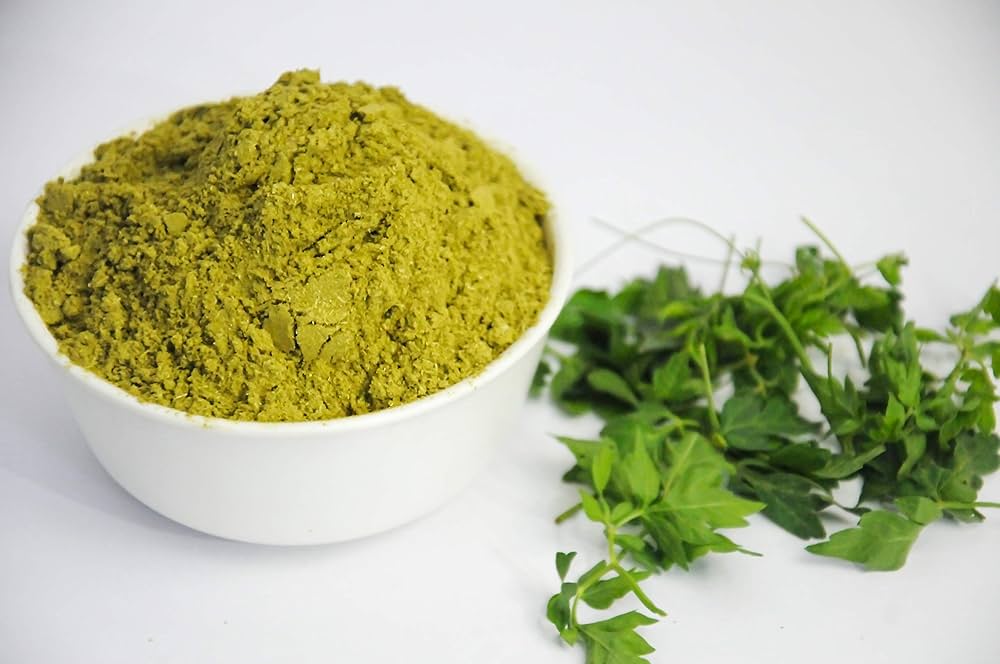
2. Giloy Powder (Churna)
Easy to store and use.
3. Tablets / Capsules
Convenient for daily use.
4. Decoction (Kadha)
Prepared by boiling stem pieces.
Dosage of Indravalli
Always consult an Ayurvedic doctor before long-term use.
General Dosage
| Form | Quantity |
|---|---|
| Juice | 15–30 ml daily |
| Powder | 3–6 g |
| Tablet | 1–2 tablets |
| Decoction | 20–40 ml |
Home Remedies Using Indravalli
For Immunity Booster
Mix:
- Giloy juice + Honey
Take every morning.
For Fever
Boil:
- Giloy stem in water
Drink as kadha.
For Skin Problems
Mix:
- Giloy powder + Rose water
Apply as face pack.
For Joint Pain
Take:
- Giloy powder with warm milk.
Side Effects of Indravalli
When used in excess, it may cause:
- Low blood sugar
- Constipation
- Dry mouth
- Weakness
Avoid overdose.
Precautions
- Avoid during pregnancy
- Consult doctor if diabetic
- Do not use in autoimmune diseases
- Use pure herbal product
- Maintain proper dosage
Indravalli in Modern Research
Modern studies show that Indravalli has:
- Immunomodulatory effects
- Anti-inflammatory properties
- Antioxidant activity
- Anti-diabetic potential
- Liver-protective effects
This proves its scientific value.
Importance of Indravalli in Daily Life
Regular use of Indravalli helps in:
- Strong immunity
- Clean blood
- Healthy digestion
- Glowing skin
- Active lifestyle
That is why it is called “Amrita” in Ayurveda.
Vernacular names
Bengali : Jyotishmati
English : Ballon Vine, Heart’s Pea
Gujrati : Bodha, Kapaalphodi, Shivajaala,
Nayaphataki
Hindi : Kaanphuti, Lataaphataki
Kannada : Kanakayya
Malayalam : Ulinna
Marathi : Fatphati
Tamil : Modikkottan,
Mudakkarutana(Siddha),
Mudukkottan
Telugu : Vekkudutiga
Medicinal Uses
- Arthritis: The tila oil cooked
with the leaves of indravalli acts
as a very effective on external
application for arthritis . - Ear ache: 2 to 3 drops of juice
of the indravalli leaves can be
used as a ear drops for ear ache,
purulent discharge from ears. - Piles: The decoction prepared
from the roots or Whole plant
of indravalli (20gms of paste is
boiled in 200ml of water and till it
reduced to 50ml) twice daily can
be given for piles. - Postpartum care: Indravalli
leaves paste applied and tied
over the lower abdomen of
the delivered woman for one
week after delivery. This helps in
expulsion of waste products out
of the uterus. - Dandruff: The leaves are soaked
in hot water for 3-4 hours and
then crushed well. This water is
used in cleaning the hairs. The
oil prepared from the paste of
the leaves and gingerly oil can be
used as a hair tonic and cure for
dandruff. - Cold & Cough: Soup prepared
with fistful of indravalli (ballon
vine) leaves, pepper, cumin
seeds, salt (as per taste) cooked
in 100ml of water for 5-10 min.
This soup is perfect for cold and
cough in children.
Conclusion
Indravalli is a traditionally important Ayurvedic herb valued for its benefits in supporting joint health, pain relief, detoxification, circulation, and skin wellness. Its bitter, pungent, and warming properties help balance Vata and Kapha doshas, making it especially useful in conditions such as arthritis, stiffness, swelling, toxin accumulation, and chronic skin disorders.
For centuries, Ayurvedic practitioners have used Indravalli in herbal oils, decoctions, and detox-supportive formulations to help improve mobility, reduce inflammation, and promote natural cleansing of the body. Its detoxifying and circulation-enhancing actions may also support healthier tissues and overall vitality.
When used properly and under appropriate Ayurvedic guidance, Indravalli can serve as a natural and holistic remedy for maintaining healthy joints, better flexibility, improved detoxification, and balanced wellness. Combined with supportive herbs, healthy lifestyle practices, and proper diet, it continues to hold an important place in traditional Ayurvedic healthcare.
