

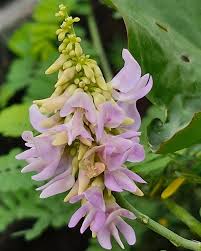

Syzygium cuminii, Myrtaceae
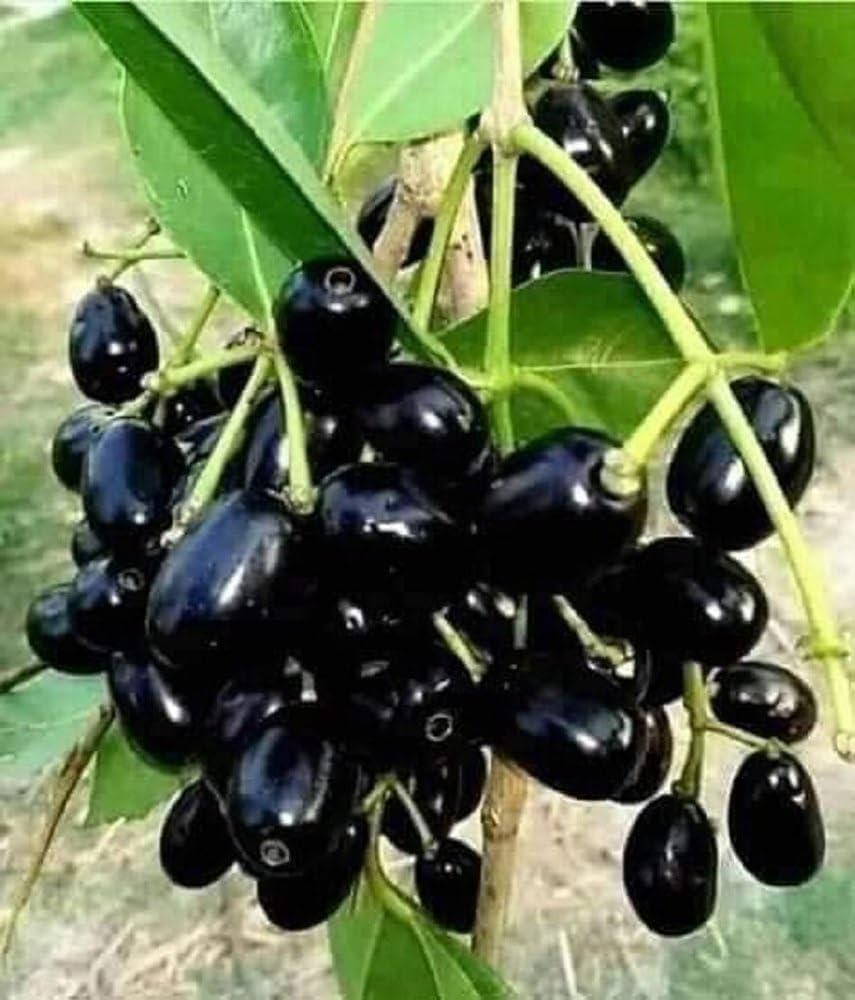
Introduction to Jambu
Jambu, commonly known as Jamun, is a well-known medicinal fruit in Ayurveda. It is especially famous for its role in diabetes control, digestive health, blood purification, and skin care.
In classical Ayurvedic texts such as Bhavaprakasha Nighantu, Jambu is described as a valuable fruit for balancing doshas and strengthening body systems.
Because of its powerful medicinal and nutritional properties, Jambu is considered a natural tonic for metabolic and digestive health.
Botanical Information
- Botanical Name: Syzygium cumini
- Family: Myrtaceae
- Common Names:
- Sanskrit: Jambu
- Hindi: Jamun
- English: Black Plum / Java Plum
Plant Description
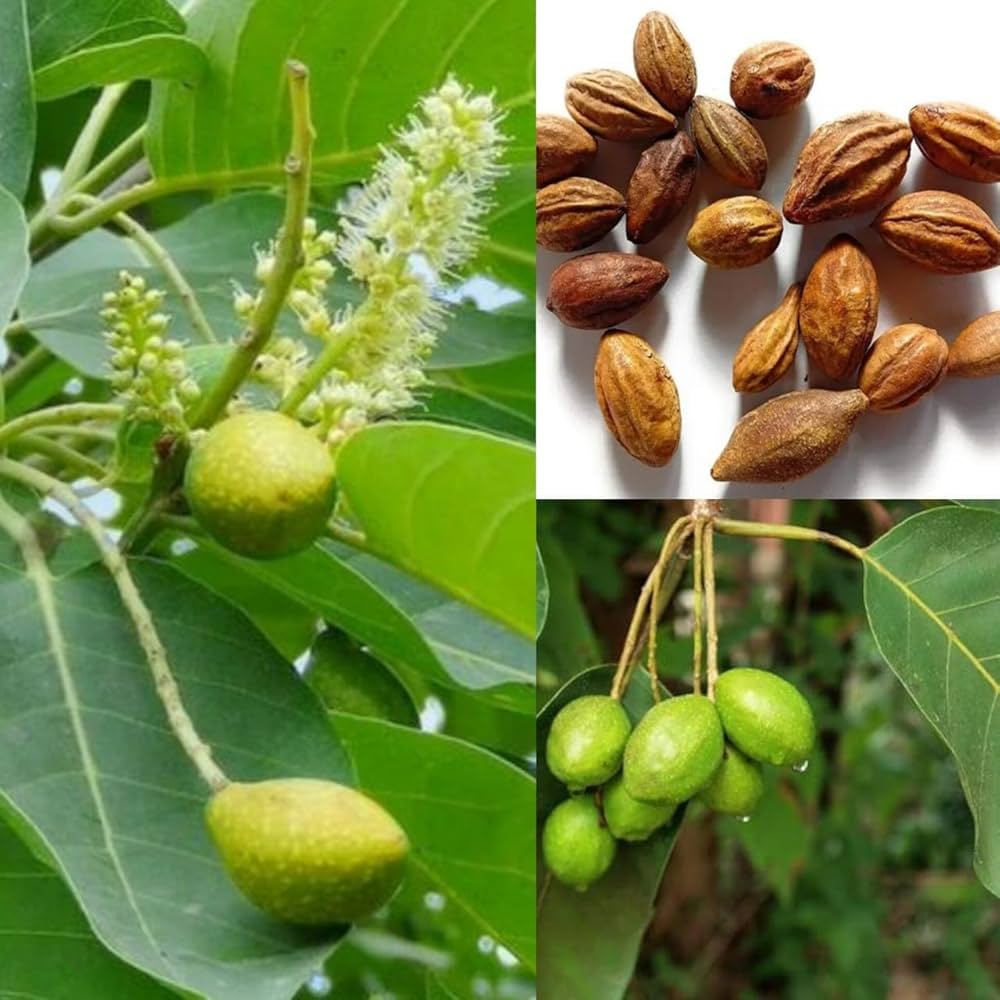
Jambu is a large evergreen tree found widely in India and tropical regions. It has:
- Dark green shiny leaves
- Small white flowers
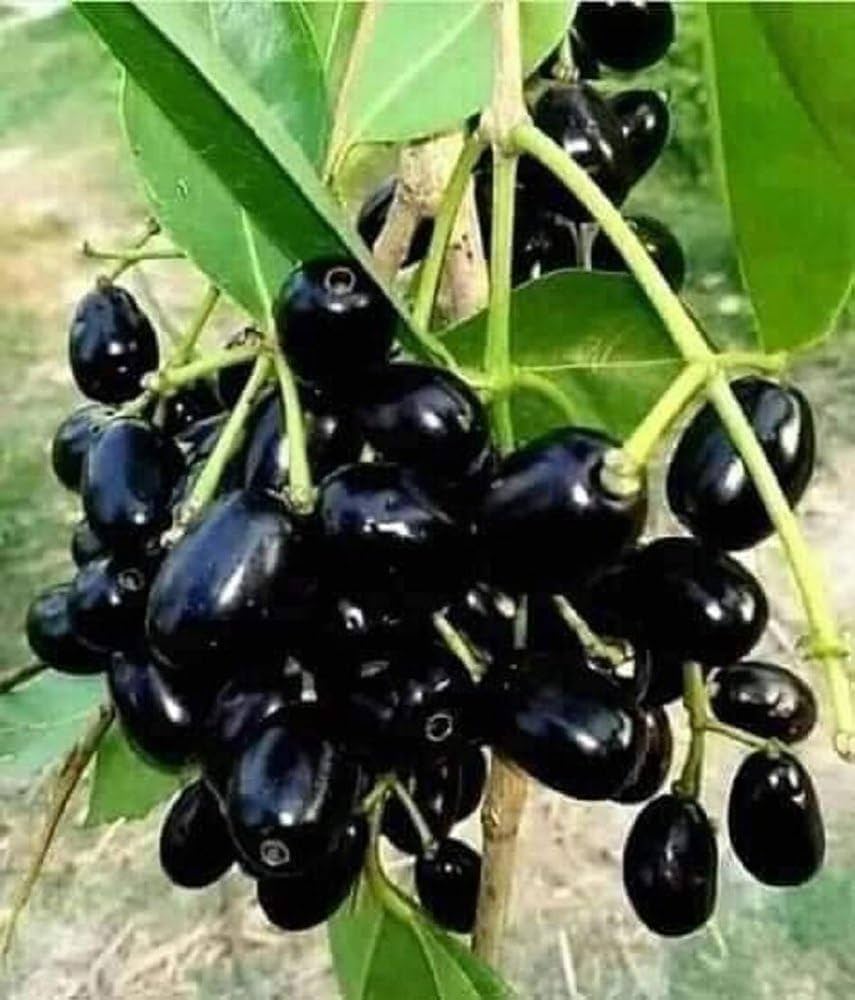
- Purple-black juicy fruits
- Strong woody trunk
Almost every part of the plant (fruit, seed, bark, leaves) is used in medicine.
Ayurvedic Properties of Jambu
According to Ayurveda, Jambu has cooling and strengthening qualities.
Rasa (Taste)
- Kashaya (Astringent)
- Madhura (Sweet)
- Amla (Sour – mild)
Guna (Quality)
- Laghu (Light)
- Ruksha (Dry)
Virya (Potency)
- Sheeta (Cold)
Vipaka (Post-digestive Effect)
- Katu (Pungent)
Dosha Effect
Jambu balances:
✔️ Pitta
✔️ Kapha
❌ May increase Vata if overused
So, it is mainly useful in Pitta-Kapha disorders.
Active Chemical Components
Jambu contains many health-supporting compounds such as:
- Jamboline
- Ellagic acid
- Flavonoids
- Tannins
- Anthocyanins
- Vitamin C
- Iron
- Antioxidants
These give Jamun its anti-diabetic and protective properties.
Health Benefits of Jambu
1. Controls Blood Sugar (Best for Diabetes)
Jambu is most famous for diabetes management.
Benefits:
- Regulates blood glucose
- Improves insulin function
- Reduces sugar cravings
- Prevents complications
Jamun seed powder is especially useful for diabetics.
2. Improves Digestive System
Jambu strengthens digestion.
- Treats diarrhea
- Reduces acidity
- Improves appetite
- Controls loose motion
Its astringent nature helps in bowel regulation.
3. Purifies Blood
Jambu helps in blood cleansing.
- Removes toxins
- Improves skin health
- Reduces boils and acne
- Enhances circulation
It is useful in skin disorders.
4. Supports Heart Health
Jambu supports cardiovascular health.
- Reduces cholesterol
- Improves blood flow
- Strengthens heart muscles
- Controls blood pressure
Its antioxidants protect heart cells.
5. Enhances Skin Glow
Jambu improves skin naturally.
- Reduces pimples
- Prevents premature aging
- Improves complexion
- Heals wounds
Jamun paste is used in face packs.
6. Strengthens Teeth and Gums
Jambu bark and leaves are good for oral health.
- Prevents gum bleeding
- Reduces bad breath
- Strengthens teeth
- Controls infections
Used in herbal tooth powders.
7. Helps in Anemia
Jambu contains iron and vitamin C.
- Improves hemoglobin
- Reduces weakness
- Increases energy
- Supports blood formation
Useful in general fatigue.
8. Supports Weight Management
Jambu helps in weight control.
- Improves metabolism
- Reduces fat storage
- Controls appetite
- Detoxifies body
It supports healthy weight loss.
Uses of Jambu in Ayurveda
Jambu is used in many classical medicines such as:
- Jambavasava
- Jamun Beej Churna
- Madhumehari formulations
- Blood-purifying yogas
It is widely used in diabetic medicines.
Medicinal Parts of Jambu
| Part | Uses |
|---|---|
| Fruit | Diabetes, digestion |
| Seeds | Blood sugar control |
| Bark | Diarrhea, oral care |
| Leaves | Wound healing |
| Juice | Blood purifier |
Forms of Jambu Available
1. Fresh Fruit
Most natural and nutritious.
2. Seed Powder (Beej Churna)
Best for diabetes.
3. Juice
Useful for blood purification.
4. Tablets / Capsules
Convenient for daily use.
Dosage of Jambu
⚠️ Always consult an Ayurvedic doctor before long-term use.
General Dosage
| Form | Quantity |
|---|---|
| Seed Powder | 2–5 g daily |
| Juice | 15–25 ml |
| Fruit | 100–150 g |
| Tablet | 1–2 tablets |
Best Time to Take Jambu
- For diabetes → Morning empty stomach
- For digestion → After meals
- For anemia → With meals
- For skin → Regular consumption
Home Remedies Using Jambu
For Diabetes
Mix:
- Jamun seed powder + Warm water
Take daily in morning.
For Diarrhea
Mix:
- Bark powder + Honey
Take once or twice.
For Glowing Skin
Apply:
- Jamun pulp paste on face.
For Mouth Ulcers
Gargle:
- Jamun leaf decoction.
Side Effects of Jambu
Excess use may cause:
⚠️ Constipation
⚠️ Dry mouth
⚠️ Increased Vata
⚠️ Low blood sugar
Avoid overdose.
Precautions
✔️ Diabetics should monitor sugar level
✔️ Avoid on empty stomach in excess
✔️ Do not combine with milk immediately
✔️ Use ripe fruit only
✔️ Consult doctor if on medicine
Jambu in Modern Research
Modern studies show that Jambu has:
- Anti-diabetic activity
- Antioxidant properties
- Anti-inflammatory effects
- Antimicrobial action
- Heart-protective potential
These confirm its traditional Ayurvedic use.
Importance of Jambu in Daily Life
Regular use of Jambu helps in:
- Balanced blood sugar
- Strong digestion
- Clean blood
- Healthy skin
- Better energy
That is why Jamun is called “Fruit of Metabolic Health” in Ayurveda.
Conclusion
Jambu (Jamun) is one of the most valuable medicinal fruits in Ayurveda. It plays a major role in diabetes control, digestive health, blood purification, and skin care. When used properly and regularly, it supports long-term wellness and disease prevention.
From ancient Ayurvedic texts to modern science, Jambu continues to prove its healing power.
Vernacular names
Bengali : Badjam, Kalajam
English : Jambul tree
Gujrati : Gambu, Jamun
Hindi : Jamuna
Kannada : Nerale Beeja, Jambu Nerale
Malayalam : Njaval
Marathi : Jambul
Oriya : Jam Kol, Jamu Kol
Punjabi : Jaamun
Tamil : Naval
Telugu : Alla Nereduchettu, Neredu
chettu
Urdu : Jamun
