


Introduction
Marshmallow is a traditional medicinal herb well known for its soothing and healing properties, especially for the digestive and respiratory systems. Native to Europe and parts of Asia, it has been used for centuries in herbal medicine to relieve irritation, cough, and inflammation. The root and leaves of the plant are mainly used for medicinal purposes.
Marshmallow is a traditional medicinal herb widely known for its soothing and protective properties, especially for the respiratory and digestive systems. Native to Europe and parts of Asia, it has been used for centuries in herbal medicine to relieve cough, sore throat, and irritation. The root and leaves of the plant are mainly used for their therapeutic benefits.
This herb contains a high amount of mucilage, a gel-like substance that coats and soothes irritated tissues, helping to reduce inflammation and discomfort. Marshmallow is especially effective in calming dry coughs, protecting the stomach lining, and easing digestive issues.
With its gentle nature and long history of use, Marshmallow continues to be a popular natural remedy for supporting internal healing and maintaining overall health and well-being.
Botanical Description
- Scientific Name: Althaea officinalis
- Family: Malvaceae
- Plant Type: Perennial herb
- Parts Used: Root and leaves
- Taste: Mild and slightly sweet
- Nature: Cooling
Common Names
- English: Marshmallow
- Other Names: White Mallow
Active Compounds
- Mucilage (main compound)
- Flavonoids
- Pectin
These compounds provide soothing and protective effects on tissues.
Traditional Uses
1. Respiratory Health
Marshmallow is widely used to:
- Relieve cough
- Soothe sore throat
- Reduce irritation in airways
2. Digestive Health
It helps:
- Protect the stomach lining
- Reduce acidity
- Ease indigestion
3. Anti-inflammatory Effects
It helps:
- Reduce inflammation
- Calm irritated tissues
4. Urinary Health
Traditionally used to:
- Soothe urinary tract irritation
- Support kidney health
5. Skin Health
Applied externally, it helps:
- Heal wounds
- Soothe skin irritation
Methods of Use
- Cold Infusion/Tea: Root soaked in water
- Syrup: For cough relief
- Powder: Taken internally
- Poultice: Applied to skin
Precautions
- Use in moderate amounts
- May affect absorption of medications
- Consult a doctor if needed
Side Effects
- Rare when used properly
- Mild digestive effects (in some cases)
Conclusion
Marshmallow is a gentle and effective herbal remedy known for its soothing and protective properties. It is especially useful for respiratory and digestive health. When used properly, it is a safe and valuable herb for promoting overall well-being.
Marshmallow is a gentle and effective medicinal herb known for its soothing and protective properties. It plays an important role in relieving irritation in the respiratory and digestive systems, making it especially useful for cough, sore throat, and stomach discomfort.
Its natural mucilage content helps calm inflammation and protect sensitive tissues, supporting the body’s natural healing process. When used in proper amounts, Marshmallow is generally safe and well-tolerated.
Overall, Marshmallow stands out as a reliable herbal remedy that promotes comfort, supports internal healing, and contributes to overall well-being.
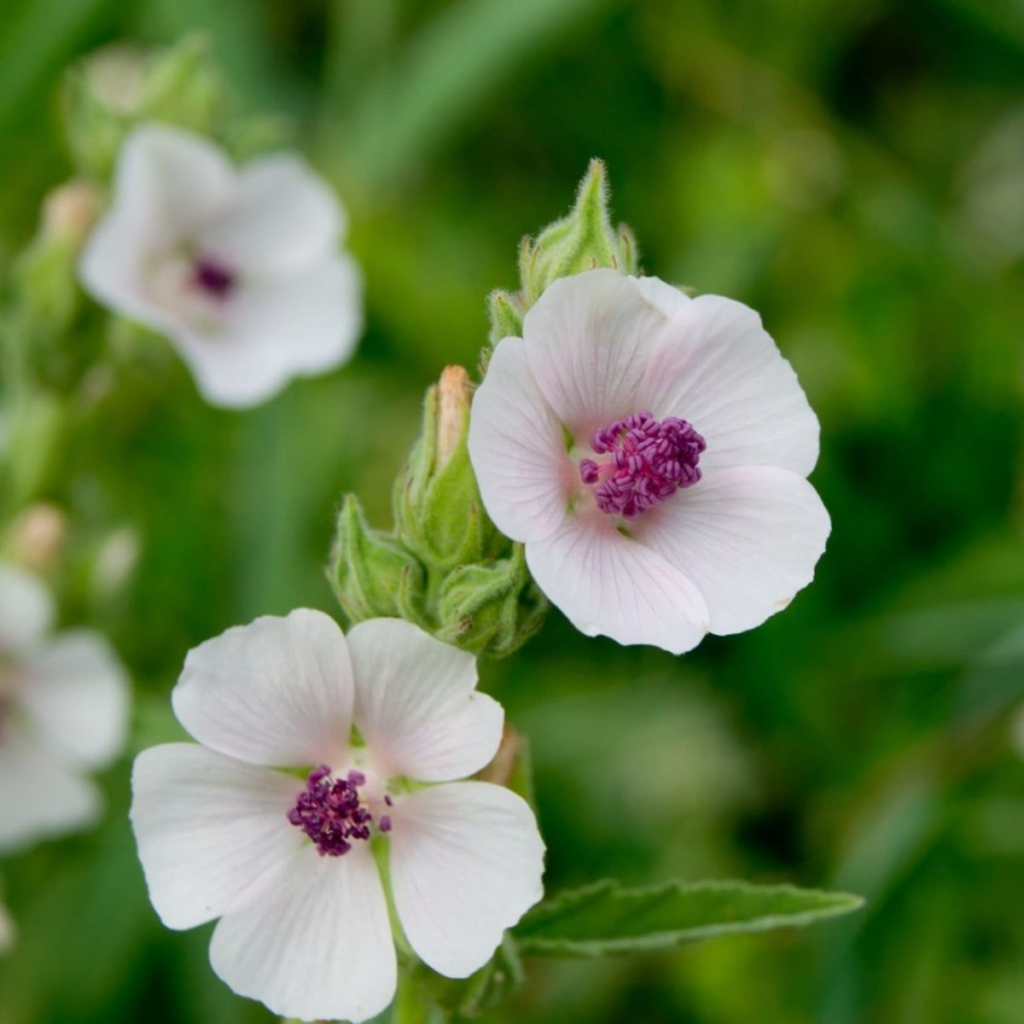
I assume you meant “marshmallow herbal” and are asking about the herb Althaea officinalis (marshmallow) and its effects on the skin. Below is a detailed exploration of marshmallow as an herbal remedy, focusing on its skin benefits, with a touch of emotional resonance and practical herbal insights.
Marshmallow: The Gentle Herbal Soother for Skin
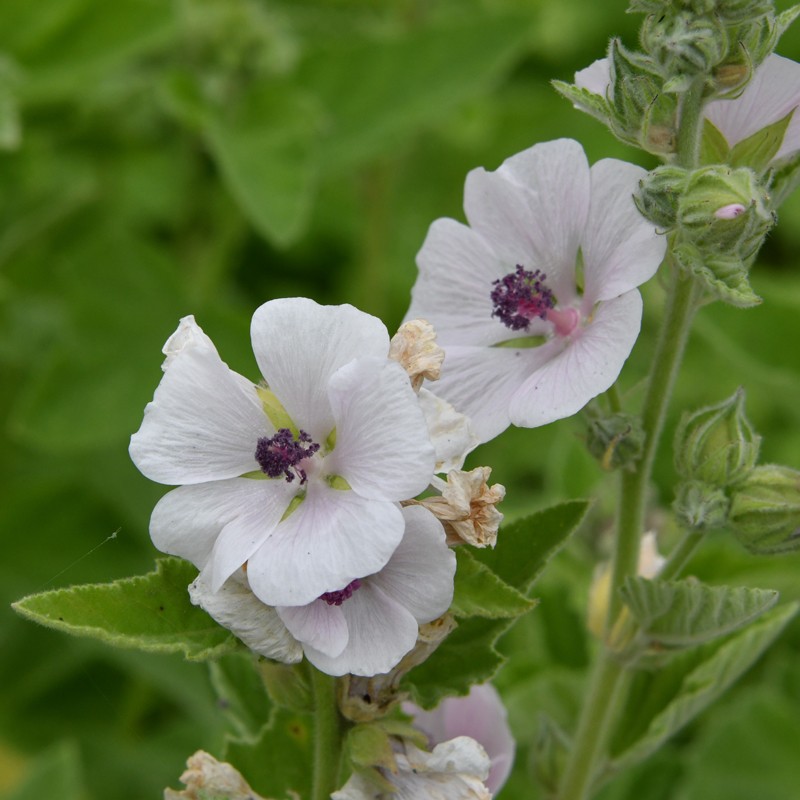
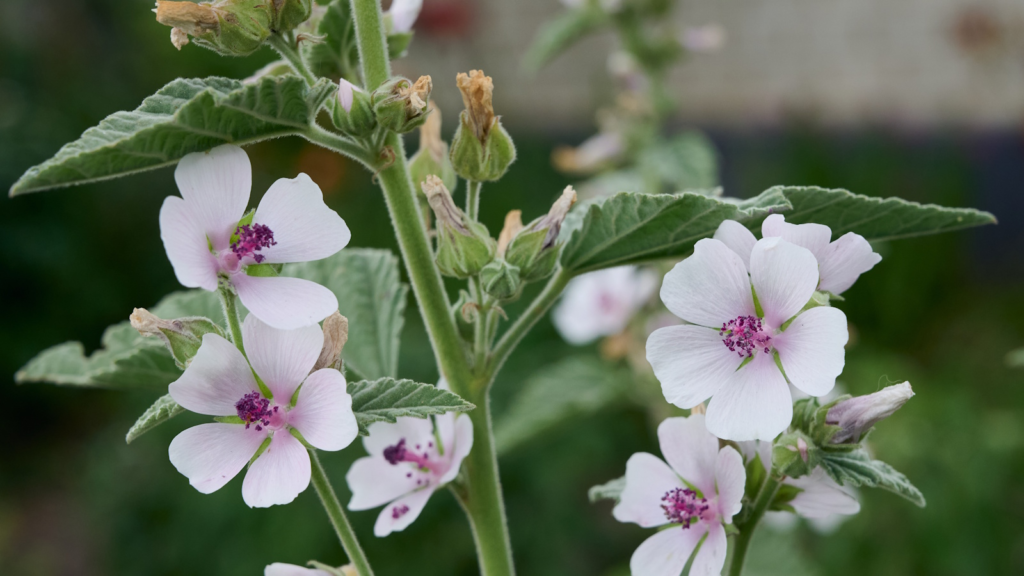
Althaea officinalis, commonly called marshmallow, is a soft-spoken hero of the herbal world. With its velvety leaves and pale pink flowers, this perennial rises from Europe’s damp meadows, its roots and leaves brimming with tender healing. Far from the sugary treat it inspired, marshmallow’s legacy—rooted in ancient Greek (althainein = to heal)—is one of comfort and care, especially for the skin. It’s a loving whisper from nature, calming irritation and cradling wounds with grace.
Emotional Essence
Marshmallow feels like a warm embrace—gentle, nurturing, protective. Its silky mucilage wraps the skin in a soothing hug, easing pain and whispering peace to inflamed tissues. Emotionally, it’s a balm for the weary, a quiet promise of renewal that softens life’s rough edges.
Herbal Power: Key Properties
Marshmallow’s magic flows from its high mucilage content—polysaccharides that turn slimy when wet—alongside flavonoids, phenolic acids, and pectin:
- Demulcent Comfort: Coats and soothes irritated tissues, forming a protective film.
- Anti-Inflammatory Calm: Reduces redness and swelling with flavonoids’ gentle touch.
- Emollient Softness: Hydrates and softens skin, locking in moisture.
- Wound-Healing Whisper: Supports tissue repair by calming inflammation and shielding damage.
These gifts make marshmallow a skin-loving standout, akin to aloe vera but with a subtler, deeper embrace.
How Marshmallow Affects the Skin
Marshmallow’s herbal effects on the integumentary system are profound yet tender, working through direct contact and subtle chemistry:
- Soothes Irritation:
- Conditions: Eczema, dermatitis, rashes, sunburn.
- How It Works: Mucilage forms a cooling, slippery layer, easing itching and burning—like a shield against Pitta-like heat (in Ayurvedic terms). Flavonoids dial down inflammation’s fire.
- Herbal Prep: Cold infusion (soak 1-2 tbsp root in water overnight) as a wash or compress.
- Heals Wounds & Burns:
- Conditions: Minor cuts, scrapes, mild burns.
- How It Works: Polysaccharides protect exposed tissue, reducing infection risk, while anti-inflammatory compounds speed recovery. It’s a gentle nudge toward regeneration.
- Herbal Prep: Poultice of mashed root or leaf, applied fresh or dried.
- Hydrates Dry Skin:
- Conditions: Cracked heels, chapped hands, psoriasis patches.
- How It Works: Emollient mucilage locks in moisture, softening rough, Vata-dry skin. It’s a drink for parched tissues.
- Herbal Prep: Infused oil (root steeped in olive oil) or cream.
- Reduces Swelling:
- Conditions: Bruises, insect bites, puffiness.
- How It Works: Anti-inflammatory phenolic acids calm swollen areas, while mucilage cools and comforts.
- Herbal Prep: Cool tea-soaked cloth as a compress.
Ayurvedic Echoes
Though not a staple in classical Ayurveda, marshmallow aligns with its principles:
- Dosha Fit: Cooling and moistening, it pacifies Pitta (inflammation) and Vata (dryness), but excess might weigh on Kapha.
- Rasa: Sweet—a nourishing, grounding taste.
- Virya: Cooling—perfect for fiery skin woes.
- Modern Use: Blend with ghee or honey for a skin salve, honoring Ayurvedic carriers.
Why It Works for Skin
Marshmallow’s mucilage is the star—a gel-like barrier that mimics the skin’s natural moisture, protecting it from harsh air, bacteria, or friction. Studies (e.g., 2010s herbal research) show it rivals synthetic soothers like hydrocortisone for irritation, with no sting—just pure, plant-born love. Emotionally, its softness feels like nature cradling your skin’s cries.
Herbal Preparations for Skin
- Cold Infusion: Soak 1-2 tbsp dried root or leaf in cold water (8-12 hours) for a gentle wash or soak—preserves mucilage best.
- Poultice: Crush fresh root/leaf (or rehydrate dried) and apply directly to wounds or rashes.
- Salve: Simmer root in oil, strain, add beeswax—smooth onto dry patches.
- Tea Compress: Steep 1 tbsp in hot water (10 min), cool, and press onto swollen spots.
Care Notes
- Allergies: Rare, but test first—some weep at mallow family plants.
- Moderation: Internal use (e.g., tea) may coat the gut too much, slowing absorption of other remedies.
A Skin-Loving Legacy
On March 22, 2025, marshmallow remains a timeless herbal gem. Its soft power heals without force, a quiet contrast to tea tree’s bold sting. For skin that’s raw, dry, or aching, it’s a loving hand—proof that nature’s gentlest gifts can mend the deepest hurts. Want a recipe or deeper skin-specific focus
