

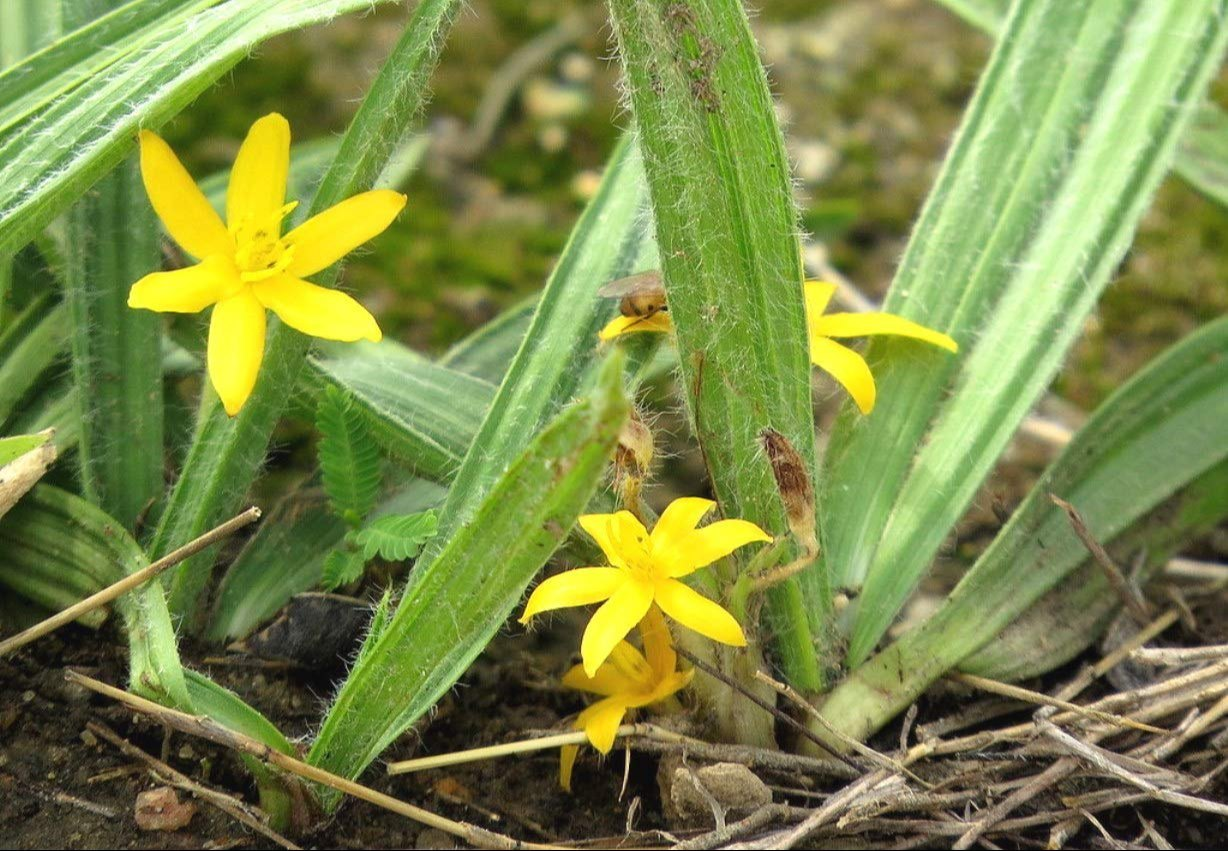

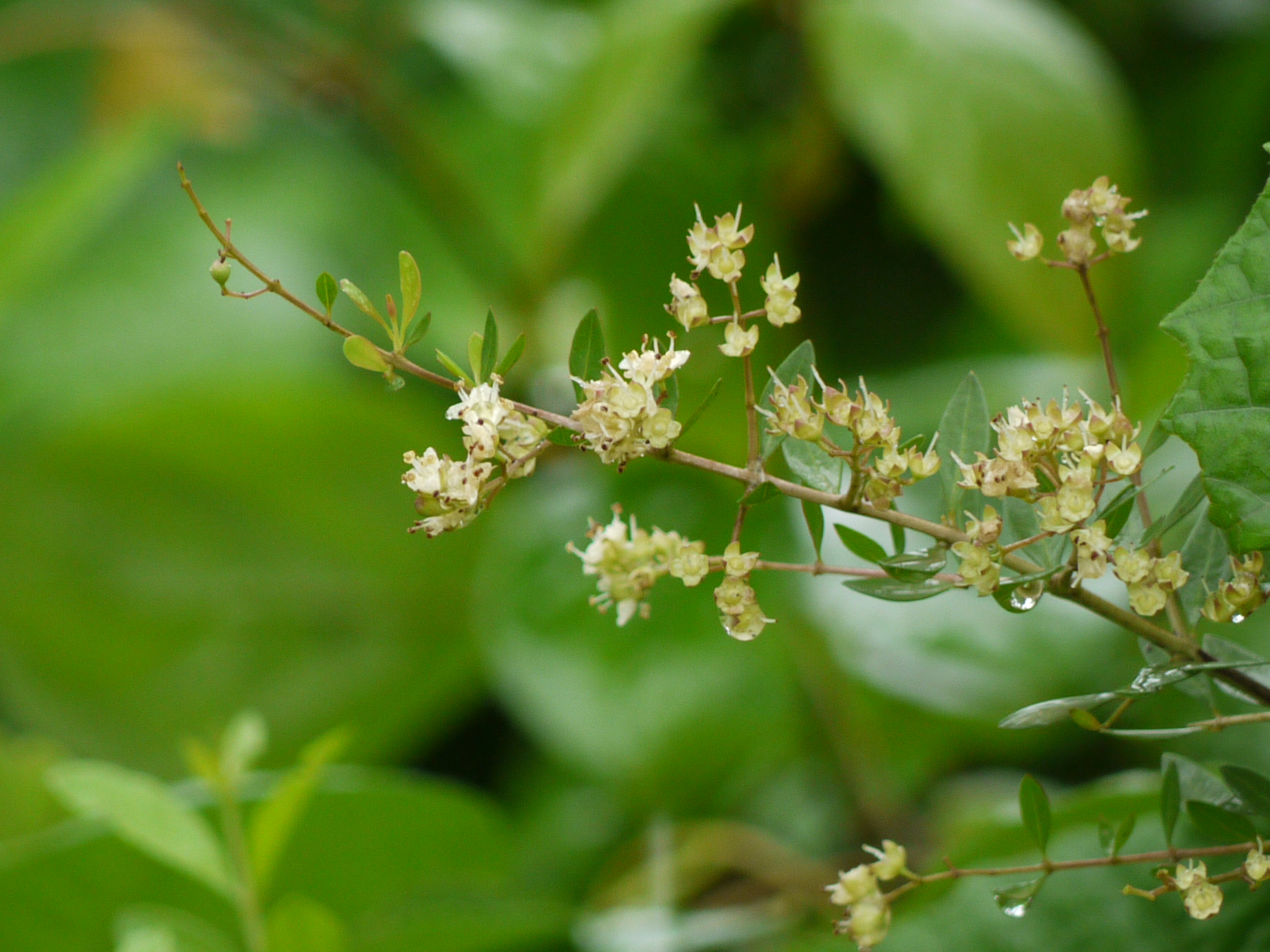





Plantago ovata
Introduction
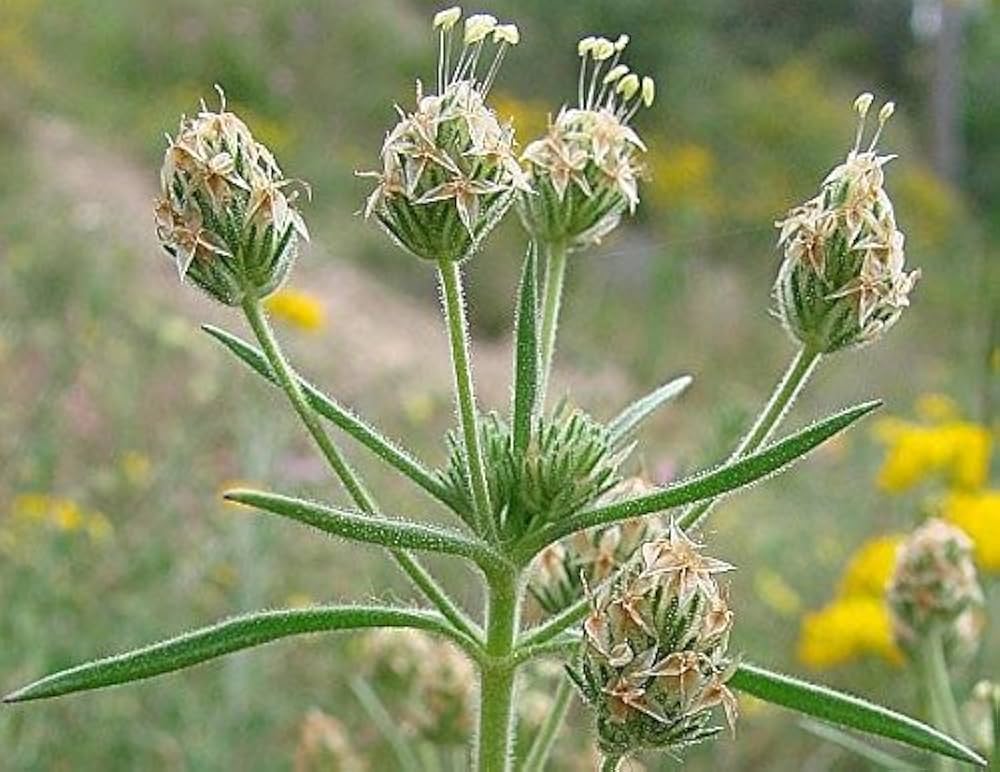
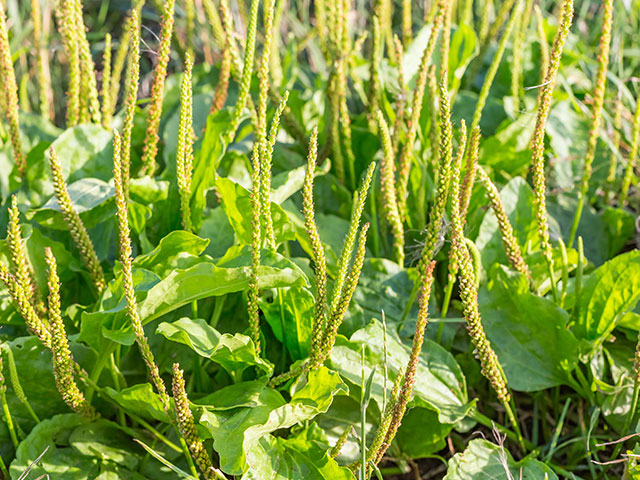
Psyllium is a natural herbal fiber obtained from the seeds of the Plantago ovata plant. It is widely known in India as Isabgol and has been used for centuries in Ayurveda as a gentle and effective remedy for digestive health. Psyllium husk (the outer covering of the seeds) is especially valued for its ability to absorb water and form a gel-like substance, which helps regulate bowel movements.
It is considered one of the safest and most commonly used natural laxatives.
Psyllium is a natural herbal fiber obtained from the seeds of the Plantago ovata plant, commonly known in India as Isabgol. It has been widely used for centuries in traditional systems of medicine, especially Ayurveda, for maintaining digestive health and promoting regular bowel movements. The husk of psyllium seeds is particularly valuable due to its high soluble fiber content, which absorbs water and forms a gel-like substance in the intestines.
This unique property makes psyllium an effective and gentle remedy for both constipation and diarrhea. In addition to its digestive benefits, it is also known to support heart health, help control blood sugar levels, and aid in weight management. Because of its safety and effectiveness, psyllium is considered one of the most commonly used natural laxatives worldwide.
Overall, psyllium plays an important role in natural healthcare as a simple yet powerful remedy for improving gut health and overall well-being.
Botanical Description
- Scientific Name: Plantago ovata
- Family: Plantaginaceae
- Plant Type: Small annual herb
- Part Used: Seeds and husk
- Taste: Bland
- Nature: Cooling
Common Names
- English: Psyllium
- Hindi: Isabgol
- Sanskrit: Ashwagol / Sat-Isabgol
Nutritional Value
Psyllium is rich in:
- Soluble fiber
- Small amounts of protein
- Natural polysaccharides
Its high fiber content makes it very beneficial for digestive health.
Traditional Uses
1. Constipation Relief
Psyllium is best known for:
- Treating constipation
- Softening stool
- Promoting easy bowel movement
It works by absorbing water and adding bulk to stool.
2. Digestive Health
It helps in:
- Improving gut health
- Regulating bowel movements
- Reducing bloating
3. Diarrhea Control
Interestingly, psyllium can also help with diarrhea by:
- Absorbing excess water
- Firming up loose stools
4. Heart Health
Psyllium may help:
- Lower cholesterol levels
- Improve heart health
5. Blood Sugar Control
It slows down digestion and sugar absorption, helping in:
- Managing blood sugar levels
- Supporting diabetic patients
6. Weight Management
Psyllium helps in:
- Increasing fullness
- Reducing appetite
This can support weight management.
7. Detoxification
It helps cleanse the digestive tract by removing waste and toxins.
Ayurvedic Perspective
In Ayurveda, psyllium is considered:
- Rasa (Taste): Sweet
- Virya (Potency): Cooling
- Effect on Dosha: Balances Pitta and Vata
It is mainly used for soothing the intestines and improving digestion.
Methods of Use
1. With Water
- Mix 1–2 teaspoons of psyllium husk in a glass of water
- Drink immediately
2. With Milk or Curd
- Can be taken with milk or yogurt for better taste
3. Before Bedtime
- Often taken at night for morning relief
Precautions
- Always take with plenty of water
- Avoid dry consumption (may cause choking)
- Not suitable for people with swallowing difficulties
- Consult a doctor if you have intestinal blockage
Side Effects
- Bloating (in some cases)
- Gas (initial use)
- Allergic reactions (rare)
Conclusion
Psyllium is a safe, natural, and effective herbal remedy for maintaining digestive health. Its high fiber content makes it useful for both constipation and diarrhea, along with additional benefits for heart and blood sugar control. Regular and proper use can support overall well-being, making it an essential part of traditional and modern herbal care.
Psyllium is a highly effective and natural source of dietary fiber that plays an important role in maintaining digestive health. Its ability to absorb water and form a gel-like substance makes it a gentle yet reliable remedy for both constipation and diarrhea. In addition to supporting regular bowel movements, psyllium also contributes to heart health, blood sugar control, and overall wellness.
One of its greatest advantages is its safety when used properly, making it suitable for regular use compared to stronger laxatives. However, it is essential to take psyllium with adequate water and in the correct dosage to avoid discomfort or side effects.
Overall, psyllium stands out as a simple, natural, and versatile herbal remedy that supports a healthy digestive system and promotes overall well-being, making it an essential part of traditional and modern healthcare practices.

Psyllium is a fiber-rich herb derived from the seeds of the Plantago ovata plant. Known for its ability to soothe the digestive system, promote regular bowel movements, and support colon health, psyllium is widely used in both herbal medicine and over-the-counter supplements for digestive relief.
Key Uses & Benefits of Psyllium:
Digestive Support & Regularity
- Psyllium is a natural laxative that helps relieve constipation by absorbing water and forming a gel-like substance that softens stool and facilitates bowel movement.
- It supports regularity and can be used for chronic constipation or as a gentle, non-habit-forming remedy.
Colon Health & Detoxification
- Helps to detoxify the colon by promoting the elimination of waste and toxins.
- Encourages healthy gut flora and supports the overall microbiome of the digestive tract.
- Its fiber content may help reduce the risk of developing colon cancer and inflammatory bowel diseases (IBD) when taken long-term.
Cholesterol-Lowering
- Psyllium is a soluble fiber that helps lower LDL (bad cholesterol) by binding to cholesterol in the digestive system and removing it through the stool.
- Helps regulate blood sugar levels by slowing down the absorption of sugar from food.
Weight Management & Satiety
- The fiber in psyllium helps promote a feeling of fullness or satiety, which can help with weight management by reducing overeating.
- May help with bowel cleansing as part of a weight loss or detox regimen.
How to Use Psyllium:
- Psyllium Husk (Powder or Capsules) – Most common form; mix with water or juice.
- Psyllium Supplement Drinks – Available as pre-packaged drinks or powders designed for easier intake.
- Add to Foods – Mix psyllium husk powder into smoothies, oatmeal, or baked goods for extra fiber.
Precautions:
- Drink plenty of water when using psyllium to prevent dehydration or blockage in the intestines.
- Can interfere with medications if taken too close to medication times—always take psyllium at least 1 hour before or 2 hours after medication.
- Individuals with swallowing difficulties, narrowed esophagus, or bowel obstruction should avoid psyllium.
- Generally safe, but consult a healthcare provider if you have severe digestive conditions, heart disease, or are pregnant.
