













Introduction
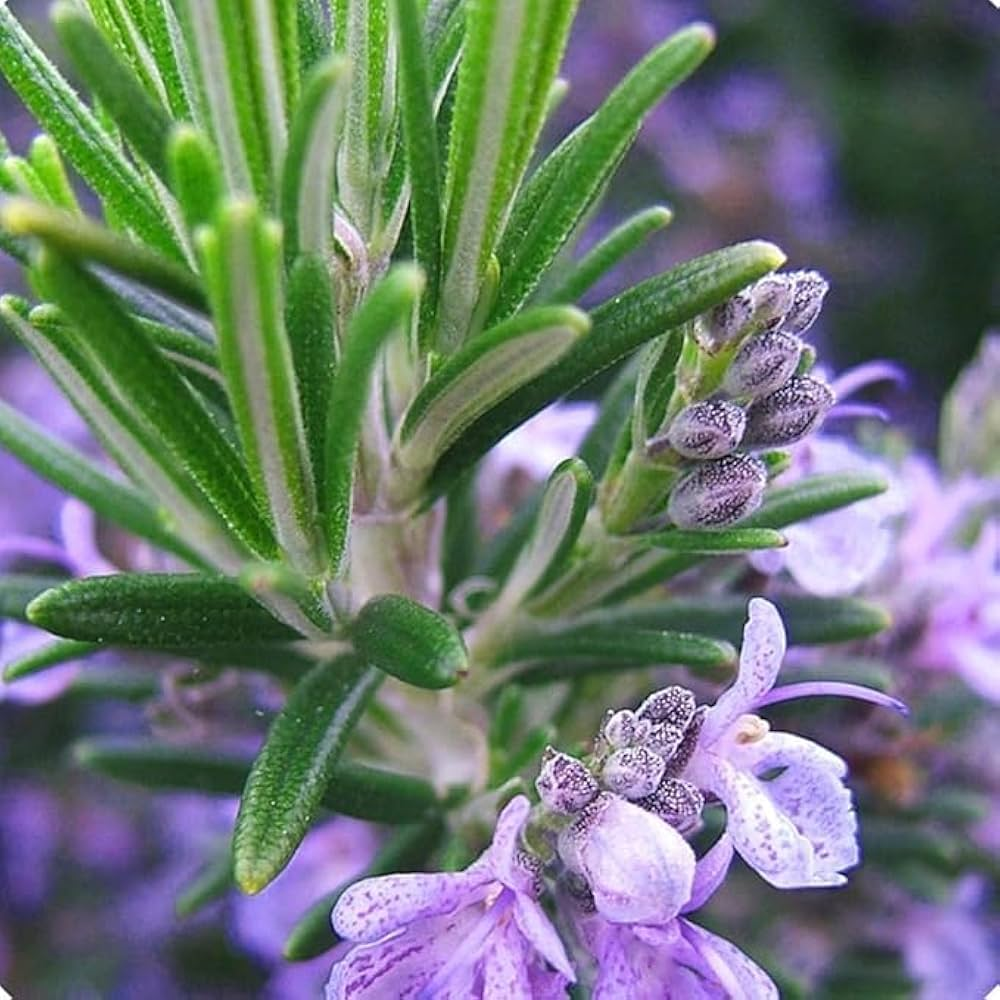
Rosemary is a well-known aromatic herb widely used in cooking as well as traditional medicine. Native to the Mediterranean region, it has been valued for centuries for its ability to improve memory, support digestion, and promote overall health. The leaves of the plant are mainly used for both culinary and medicinal purposes.
Rosemary is a fragrant and widely used medicinal herb known for its powerful health benefits and aromatic properties. Native to the Mediterranean region, it has been used for centuries in both cooking and traditional medicine to support memory, digestion, and overall wellness. The leaves of the plant are mainly used for their therapeutic and culinary value.
This herb contains active compounds such as rosmarinic acid and essential oils, which provide strong antioxidant and anti-inflammatory effects. Rosemary is especially valued for improving concentration, enhancing brain function, and promoting healthy blood circulation.
With its long history of use and wide range of benefits, rosemary continues to be an important herb for supporting mental clarity, physical health, and overall well-being.
Botanical Description
- Scientific Name: Rosmarinus officinalis
- Family: Lamiaceae
- Plant Type: Evergreen shrub
- Part Used: Leaves
- Taste: Pungent and slightly bitter
- Nature: Warming
Common Names
- English: Rosemary
- Other Names: Garden Rosemary
Active Compounds
- Rosmarinic acid
- Carnosic acid
- Essential oils
These compounds provide antioxidant, anti-inflammatory, and cognitive benefits.
Traditional Uses
1. Memory and Brain Health
Rosemary is widely used to:
- Improve memory
- Enhance concentration
- Support brain function
2. Digestive Health
It helps:
- Improve digestion
- Reduce bloating
- Stimulate appetite
3. Hair and Scalp Health
Traditionally used to:
- Promote hair growth
- Improve scalp health
4. Anti-inflammatory Effects
It helps:
- Reduce inflammation
- Relieve muscle pain
5. Circulation Support
Rosemary helps:
- Improve blood circulation
- Support heart health
6. Antioxidant Properties
It protects:
- Cells from damage
- Supports overall health
Methods of Use
- Herbal Tea: Leaves brewed in water
- Cooking: Used as a spice
- Essential Oil: Used in aromatherapy
- Hair Oil: Applied to scalp
Precautions
- Use in moderate amounts
- Avoid excessive use of essential oil
- Consult a doctor during pregnancy
Side Effects
- Rare when used properly
- Allergic reactions (in some cases)
Conclusion
Rosemary is a versatile and beneficial herb known for its effects on memory, digestion, and overall health. Its rich antioxidant content makes it a valuable addition to both diet and herbal medicine. When used properly, it supports a healthy and balanced lifestyle.
Rosemary is a versatile and powerful medicinal herb known for its benefits in enhancing memory, improving digestion, and supporting overall health. Its rich antioxidant and anti-inflammatory properties help protect the body and promote better circulation and brain function.
With its long history in both culinary and medicinal use, rosemary remains a valuable natural remedy for maintaining physical and mental well-being. When used in proper amounts, it is generally safe and highly beneficial.
Overall, rosemary stands out as a natural herb that supports clarity, vitality, and a balanced healthy lifestyle.
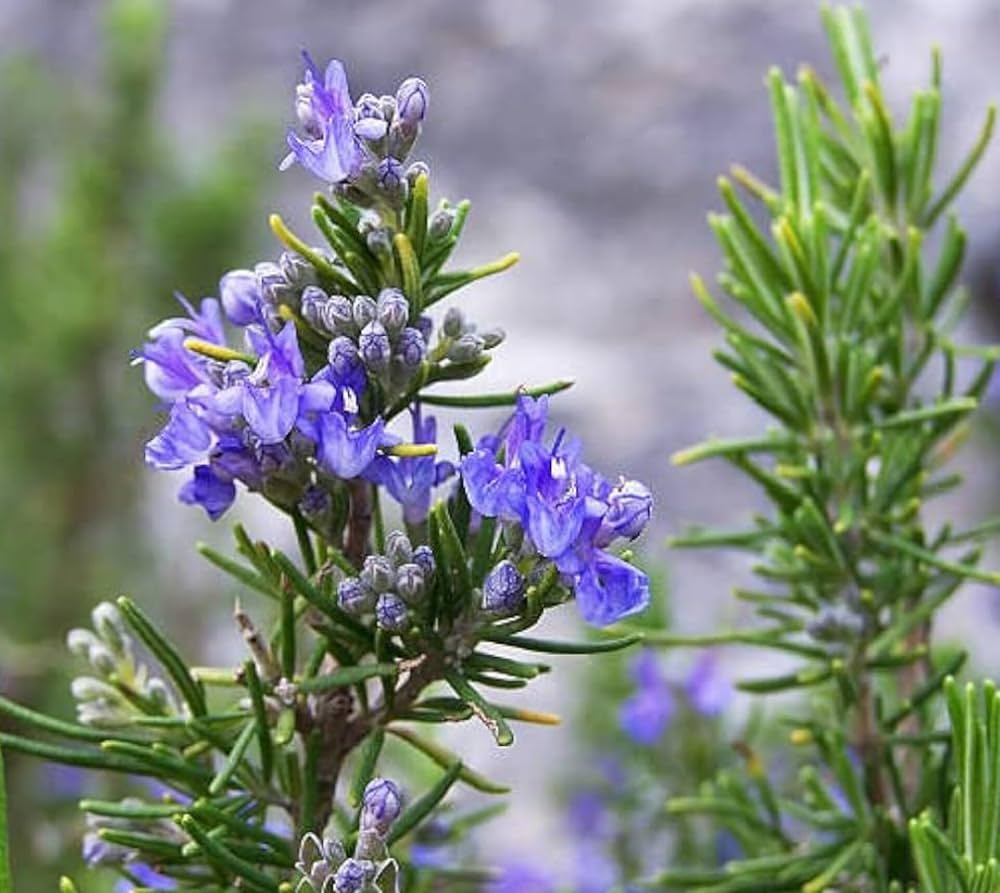
Impact of Rosemary on the Nervous System
Rosemary (Rosmarinus officinalis) is a powerful herb that positively influences the nervous system in several ways:
✅ Enhances Memory & Cognitive Function – Rosemary contains compounds like carnosic acid and rosmarinic acid, which protect brain cells from oxidative stress and improve memory and concentration.
✅ Reduces Stress & Anxiety – The aroma of rosemary essential oil helps lower cortisol (stress hormone) levels, promoting relaxation and mental clarity.
✅ Boosts Alertness & Focus – Rosemary stimulates brain activity, improving alertness, attention, and mental energy.
✅ Supports Neuroprotection – Its antioxidant properties may help protect against neurodegenerative diseases like Alzheimer’s and Parkinson’s.
✅ Improves Circulation to the Brain – Rosemary increases blood flow to the brain, ensuring better oxygen and nutrient supply for optimal function.
Rosemary can be used in tea, aromatherapy, essential oils, or dietary supplements to naturally support nervous system health.
Uses of Rosemary
Culinary Uses
✅ Flavor Enhancer – Used in soups, meats, salads, and sauces.
✅ Herbal Tea – A refreshing tea for digestion and relaxation.
✅ Rosemary Oil Infusion – Used in cooking for aromatic dishes.
Beauty & Hair Care
✅ Promotes Hair Growth – Stimulates the scalp and helps with hair loss (alopecia).
✅ Reduces Dandruff – Has antifungal properties to keep the scalp healthy.
✅ Skin Care – Used in creams and oils for acne, aging, and wound healing.
Household & Aromatherapy Uses
✅ Aromatherapy – Rosemary essential oil is used to reduce stress and increase mental clarity.
✅ Natural Insect Repellent – Keeps away mosquitoes and bugs.
✅ Herbal Sachets – Used in drawers to add a fresh scent and repel pests.
Precautions:
🔹 Avoid in large amounts during pregnancy.
🔹 May interact with blood pressure and blood-thinning medications.
🔹 High doses may cause irritation or allergic reactions.
Rosemary is a powerful herb that supports brain function, digestion, hair growth, and overall well-being!
