

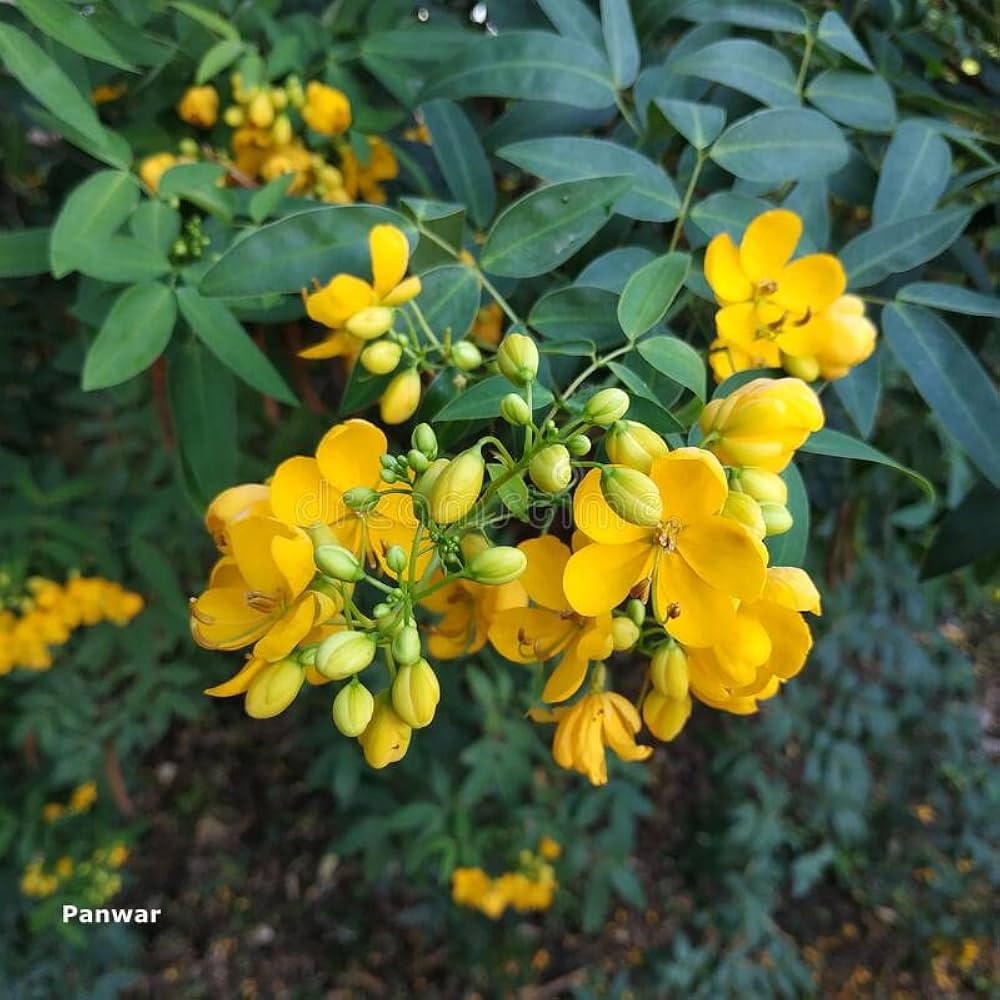


Senna alexandrina
Introduction
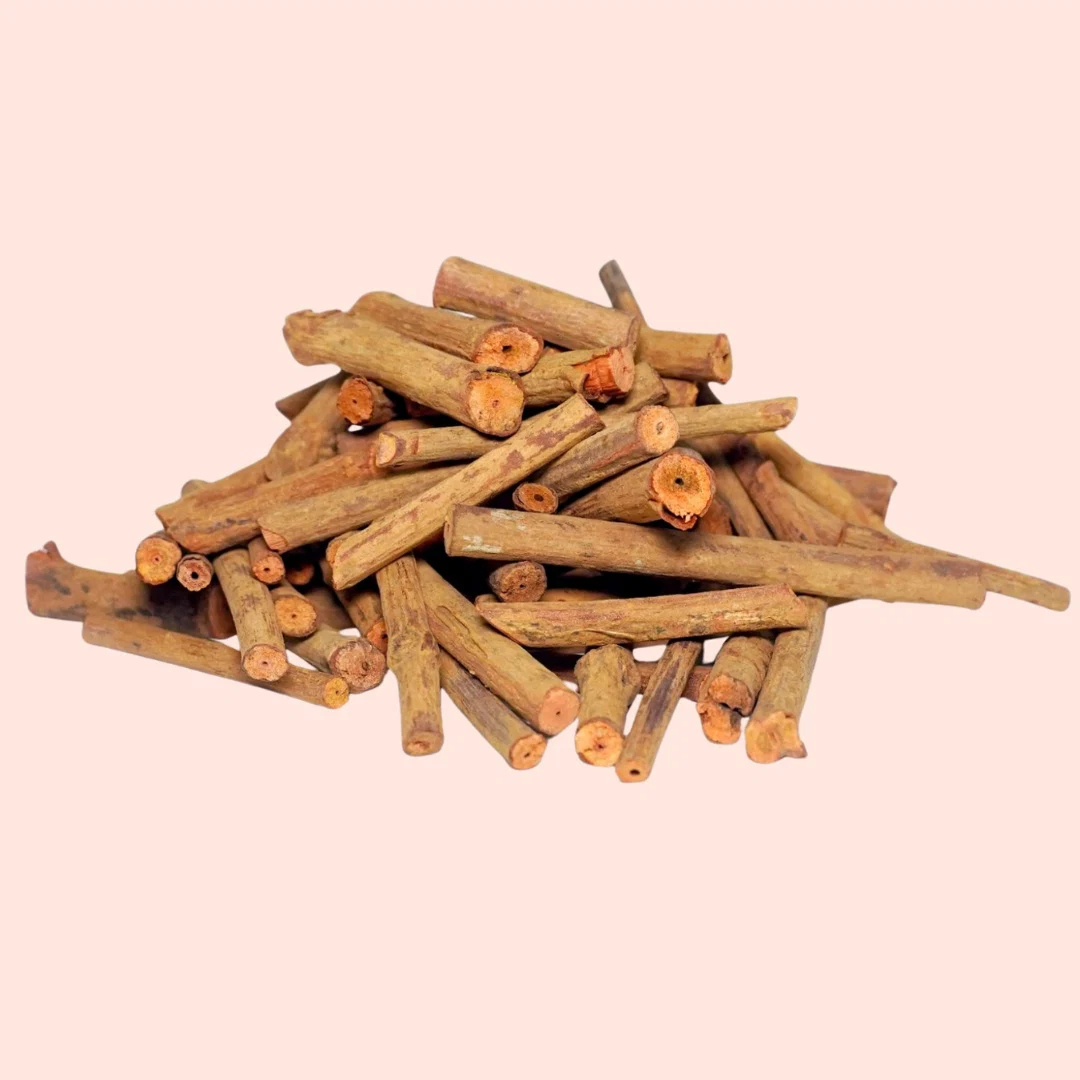
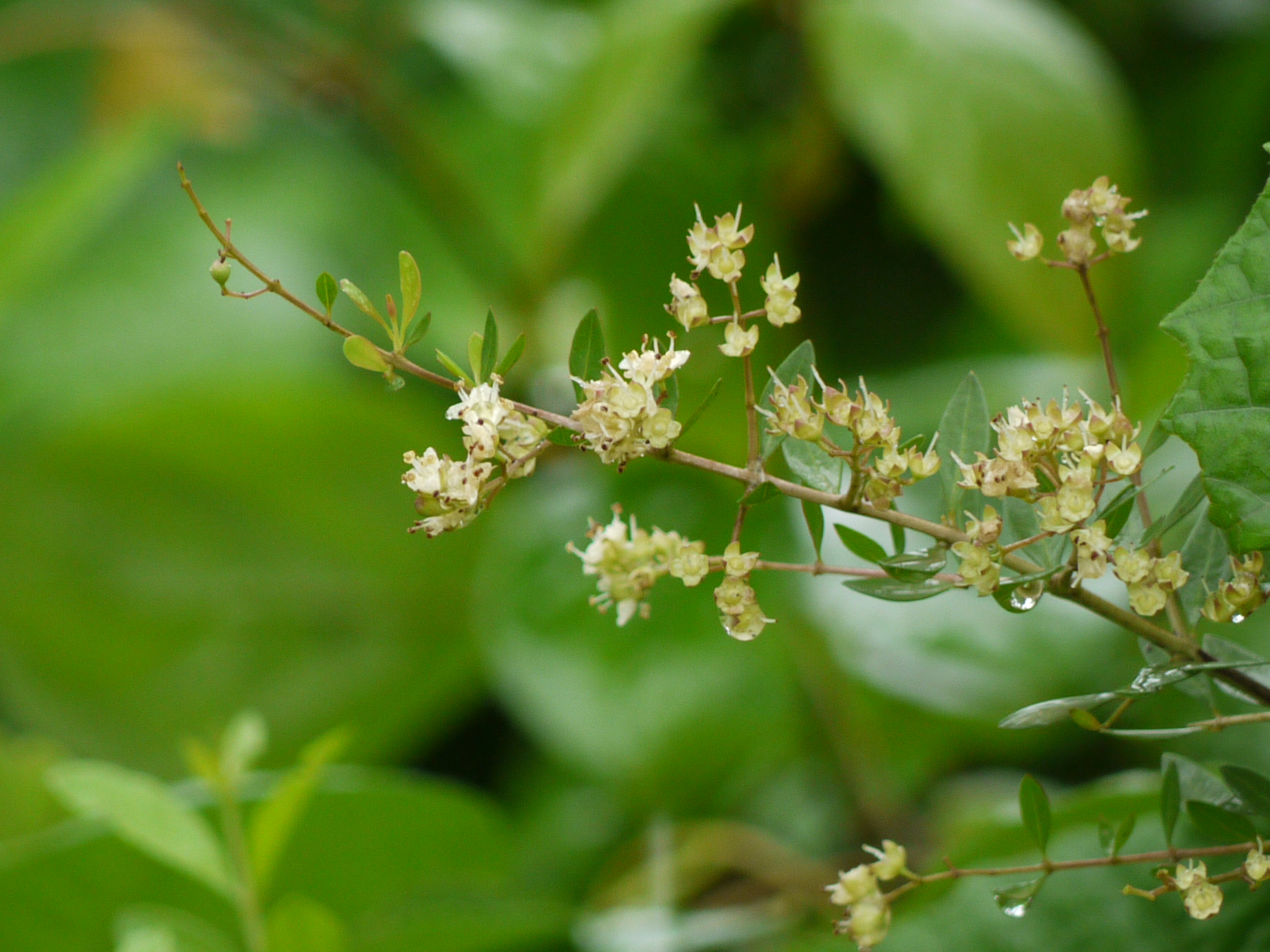
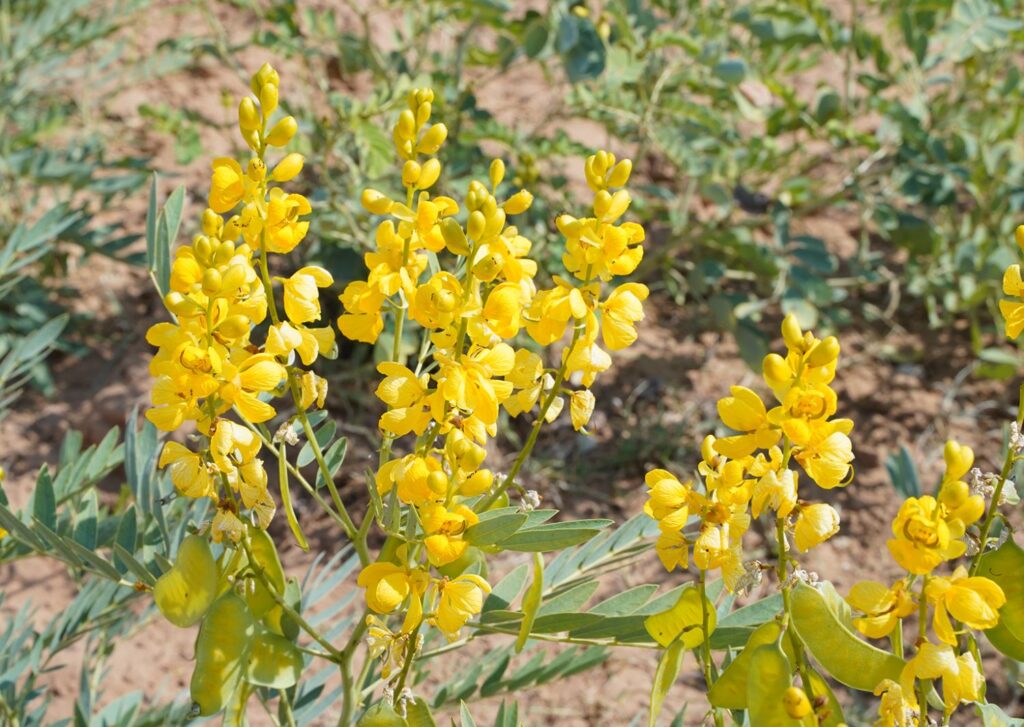
Senna is a well-known medicinal herb widely used for its strong laxative properties. It has been used for centuries in traditional systems of medicine such as Ayurveda, Unani, and traditional Arabic medicine. Native to regions of Africa and India, senna is especially valued for treating constipation and cleansing the digestive system.
The leaves and pods of the senna plant contain natural compounds called sennosides, which stimulate bowel movements and promote relief from constipation.
Botanical Description
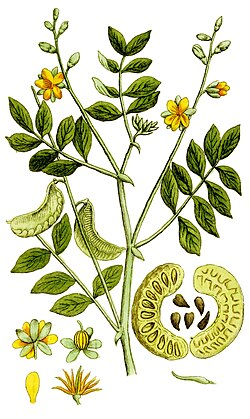
- Scientific Name: Senna alexandrina
- Family: Fabaceae (Legume family)
- Plant Type: Shrub
- Parts Used: Leaves and pods
- Taste: Bitter
- Nature: Strong purgative herb
Common Names
- English: Senna
- Hindi: Sanay / Sonamukhi
- Sanskrit: Swarnapatri
- Arabic: Sana Makki
Active Compounds
- Sennosides A & B (main laxative agents)
- Flavonoids
- Anthraquinones
These compounds stimulate the colon and increase bowel movement.
Traditional Uses
1. Constipation Relief
Senna is most commonly used as a natural remedy for:
- Chronic constipation
- Occasional constipation
It stimulates intestinal muscles and helps in easy bowel movement.
2. Bowel Cleansing
Traditionally used for:
- Detoxification
- Cleansing the intestines
It is often used before medical procedures or as part of cleansing therapies.
3. Digestive Health
Senna helps in:
- Clearing the digestive tract
- Removing waste buildup
However, it is not used daily due to its strong effect.
4. Skin Health (Indirect Benefit)
By removing toxins from the body, senna may help:
- Improve skin clarity
- Reduce acne (indirectly through detox)
5. Weight Loss (Traditional Belief)
Some traditional practices use senna for temporary weight reduction due to:
- Removal of waste and water
Note: This is not a safe or long-term weight loss method.
Ayurvedic Perspective
In Ayurveda, senna is known as a strong purgative (Rechana herb).
- Rasa (Taste): Bitter
- Virya (Potency): Hot
- Effect on Dosha: Reduces Kapha and Pitta (in small doses)
It is mainly used to eliminate toxins and balance digestion.
Methods of Use.
1. Senna Tea
- Leaves are boiled in water
- Consumed at night for next-morning effect
2. Powder
- Taken with warm water
3. Tablets/Syrup
- Available in herbal and medicinal forms
Precautions
- Not for long-term use (can cause dependency)
- May cause abdominal cramps
- Avoid during pregnancy and breastfeeding
- Not suitable for children without medical advice
- Overuse can lead to dehydration and electrolyte imbalance
Side Effects
- Diarrhea
- Stomach cramps
- Weakness (if overused)
Pollination
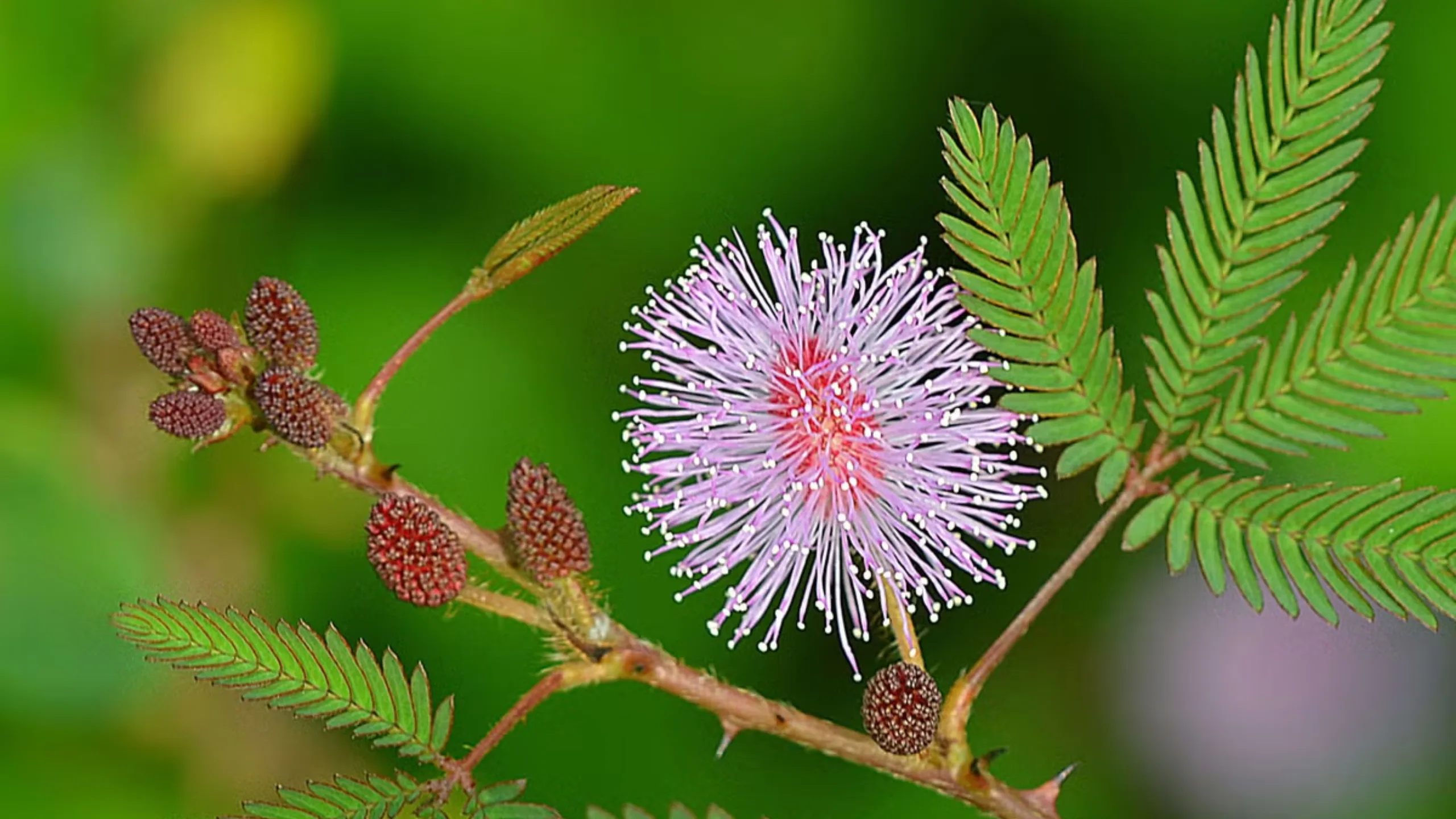
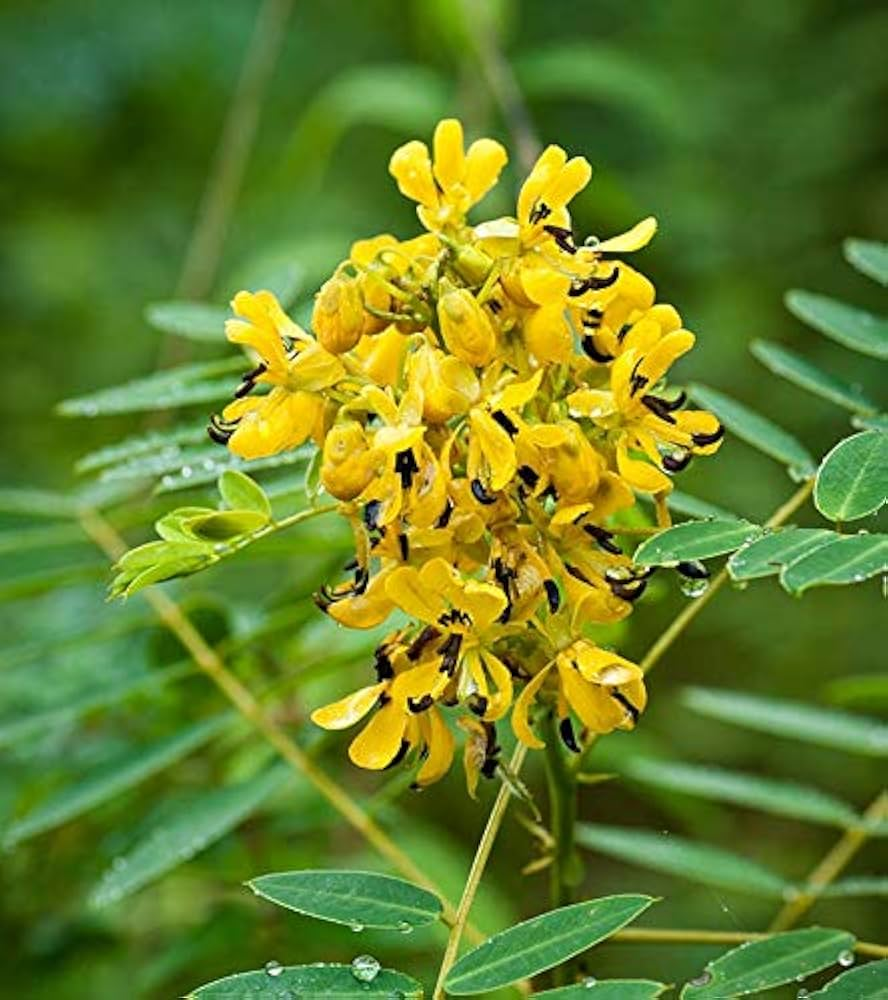
Senna species are pollinated by a variety of bees, especially large female bees in genera such as Xylocopa. They rely on “buzz pollination” and some within that on “ricochet pollination”, which is a secondary pollen presentation where the pollen is not deposited on the pollinator’s body by direct contact with the anthers. The flowers have two sets of stamen: feeding stamens, which are longer, and pollinating stamens, which are smaller in size. Due to buzz pollination, the pollens from the pollinating stamens get thrown from the anthers and ricochets against the petals multiple times before it settles on the dorsal side of the pollinating bee. The roughness on the petal walls causes the pollen to slow down its speed. The ricocheting effect alone cannot ensure effective pollen dissemination. It is aided by static charges wherein the flying bees become positively charged owing to the friction in the air and the pollen becomes negatively charged because of which they naturally get attracted to the bee’s body. The pollinator bee ends up carrying the pollen and also gets to feed on the pollen which is on the feeding stamens
Conclusion
Senna is a powerful natural laxative herb widely used for relieving constipation and cleansing the digestive system. While it is effective for short-term use, it should be used carefully and under guidance to avoid side effects. Its strong action makes it an important but cautious remedy in traditional medicine.
Senna is a powerful and widely used medicinal herb known for its strong laxative properties, especially in the treatment of constipation and digestive cleansing. Its natural compounds, particularly sennosides, make it highly effective in promoting bowel movements and supporting short-term detoxification.
However, despite its effectiveness, senna should be used with caution. It is best suited for occasional use rather than long-term consumption, as overuse may lead to dependency, dehydration, and digestive discomfort. Proper dosage and medical guidance are important to ensure safe use.
Overall, senna remains an important herbal remedy in traditional medicine, valued for its quick and reliable action in relieving constipation while reminding users to balance effectiveness with careful usage.
