


Introduction
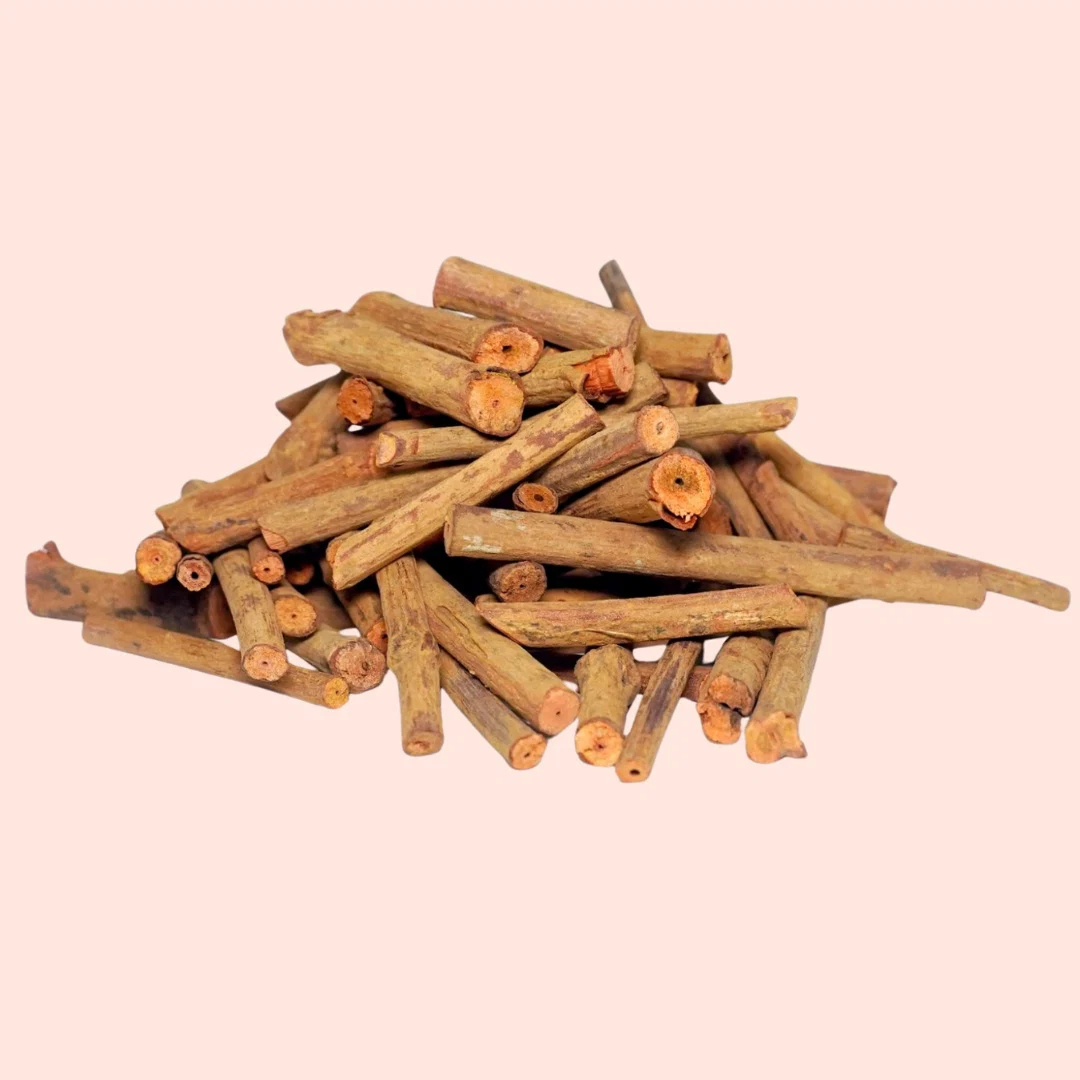
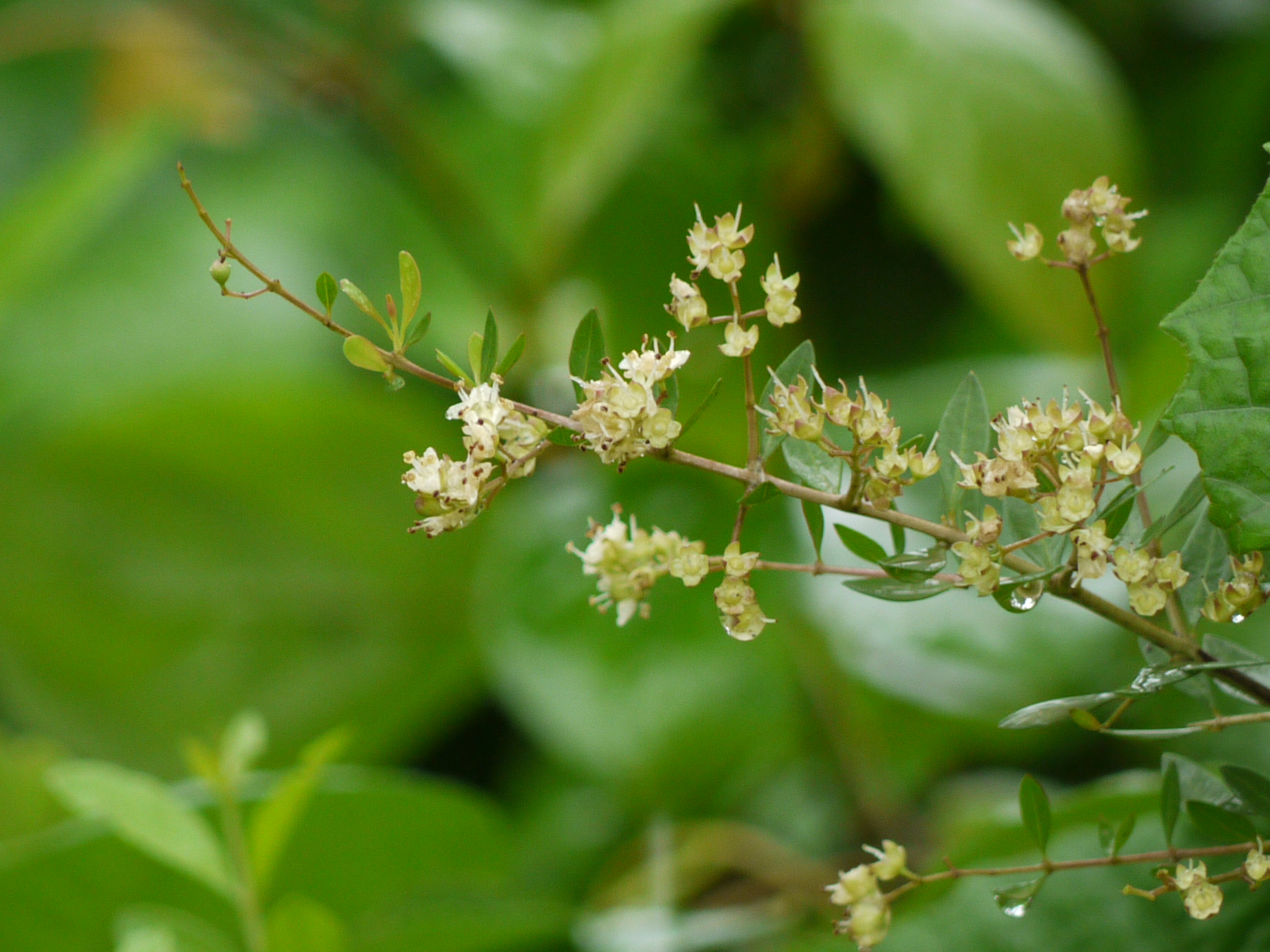
Witch Hazel is a well-known medicinal plant widely valued for its strong astringent and skin-healing properties. Native to North America, it has been used for centuries in traditional herbal medicine to treat skin conditions, inflammation, and minor injuries. The bark and leaves of the plant are mainly used for medicinal purposes.
Witch Hazel is a well-known medicinal plant widely valued for its strong astringent and skin-healing properties. Native to North America, it has been used for centuries in traditional herbal medicine to treat skin conditions, reduce inflammation, and heal minor wounds. The bark and leaves of the plant are mainly used for medicinal purposes.
This herb contains active compounds such as tannins and flavonoids, which help tighten the skin, reduce swelling, and protect against infections. Witch Hazel is especially popular in natural skincare for treating acne, soothing irritation, and improving overall skin health.
With its long history of use and gentle yet effective action, Witch Hazel continues to be a trusted herbal remedy for maintaining healthy skin and supporting natural healing.
Botanical Description
- Scientific Name: Hamamelis virginiana
- Family: Hamamelidaceae
- Plant Type: Deciduous shrub
- Parts Used: Bark and leaves
- Taste: Bitter and astringent
- Nature: Cooling
Common Names
- English: Witch Hazel
Active Compounds
- Tannins
- Flavonoids
- Essential oils
These compounds give Witch Hazel its astringent, anti-inflammatory, and antimicrobial properties.
Traditional Uses
1. Skin Care
Witch Hazel is widely used to:
- Treat acne
- Tighten skin
- Reduce pores
2. Anti-inflammatory Effects
It helps:
- Reduce swelling
- Soothe irritated skin
3. Wound Healing
Traditionally used to:
- Heal cuts and bruises
- Stop minor bleeding
4. Hemorrhoids
It helps:
- Reduce pain and swelling
- Provide relief from irritation
5. Varicose Veins
It may help:
- Improve circulation
- Reduce vein discomfort
Methods of Use
- Topical Liquid (Extract): Applied directly to skin
- Ointments/Creams: For skin conditions
- Compress: Applied to affected area
Precautions
- For external use mainly
- Avoid contact with eyes
- Use in moderate amounts
Side Effects
- Rare when used properly
- Skin irritation (in sensitive individuals)
Conclusion
Witch Hazel is a powerful natural remedy known for its skin-healing and astringent properties. It is especially useful for treating skin problems and reducing inflammation. When used properly, it is a safe and effective herb for maintaining skin health and overall well-being.
Witch Hazel is a highly effective medicinal herb known for its strong astringent, anti-inflammatory, and skin-healing properties. It is widely used to treat various skin conditions, reduce irritation, and promote faster healing of minor wounds.
Its natural compounds help tighten the skin, control excess oil, and protect against infections, making it a popular choice in skincare. When used properly, Witch Hazel is generally safe and suitable for regular external use.
Overall, Witch Hazel stands out as a reliable natural remedy that supports healthy skin, reduces inflammation, and enhances overall skin care and well-being.
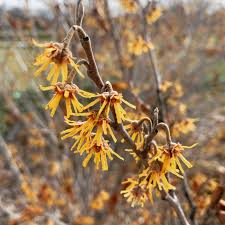
Witch hazel, a woodland shrub (Hamamelis virginiana), is a cherished herbal remedy for skin, distilled from its bark and leaves into a crisp, cleansing elixir. Rich in tannins, it tightens pores and banishes oil with astringent strength, while flavonoids tenderly soothe inflammation, redness, and swelling. A gentle warrior, it heals acne, cuts, and bruises, offering a cool, comforting caress that restores balance and clarity to weary skin.
Witch Hazel Herb Affects the Skin:
Witch hazel is a plant that helps skin in special ways. Its bark and leaves are turned into a liquid that you put on your skin. Here’s how it works:
- Tightens Skin: It has stuff called tannins that make skin feel tighter. This shrinks pores and stops too much oil, good for greasy or pimply skin.
- Calms Redness: It has natural bits (flavonoids) that quiet down sore, red, or itchy spots, like after a sunburn or rash.
- Heals Small Hurts: It cleans cuts, scrapes, or bruises with a cool touch, helping them heal faster by keeping germs away and lowering swelling.
- Soothes Puffiness: It makes puffy skin—like under eyes or from bug bites—feel less big and more comfy.
Witch Hazel: The Woodland Whisperer of Skin and Spirit
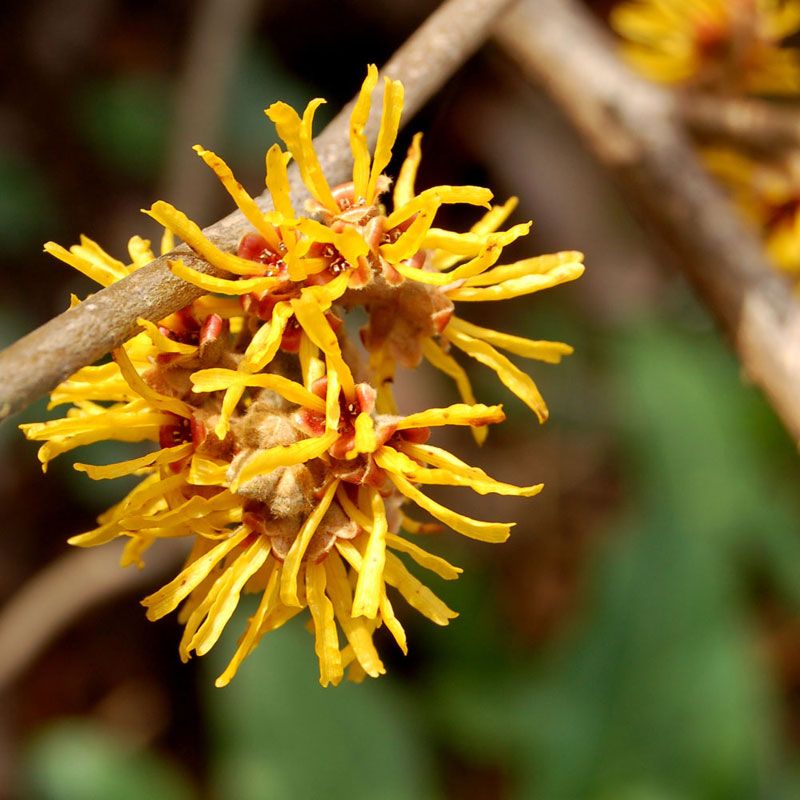
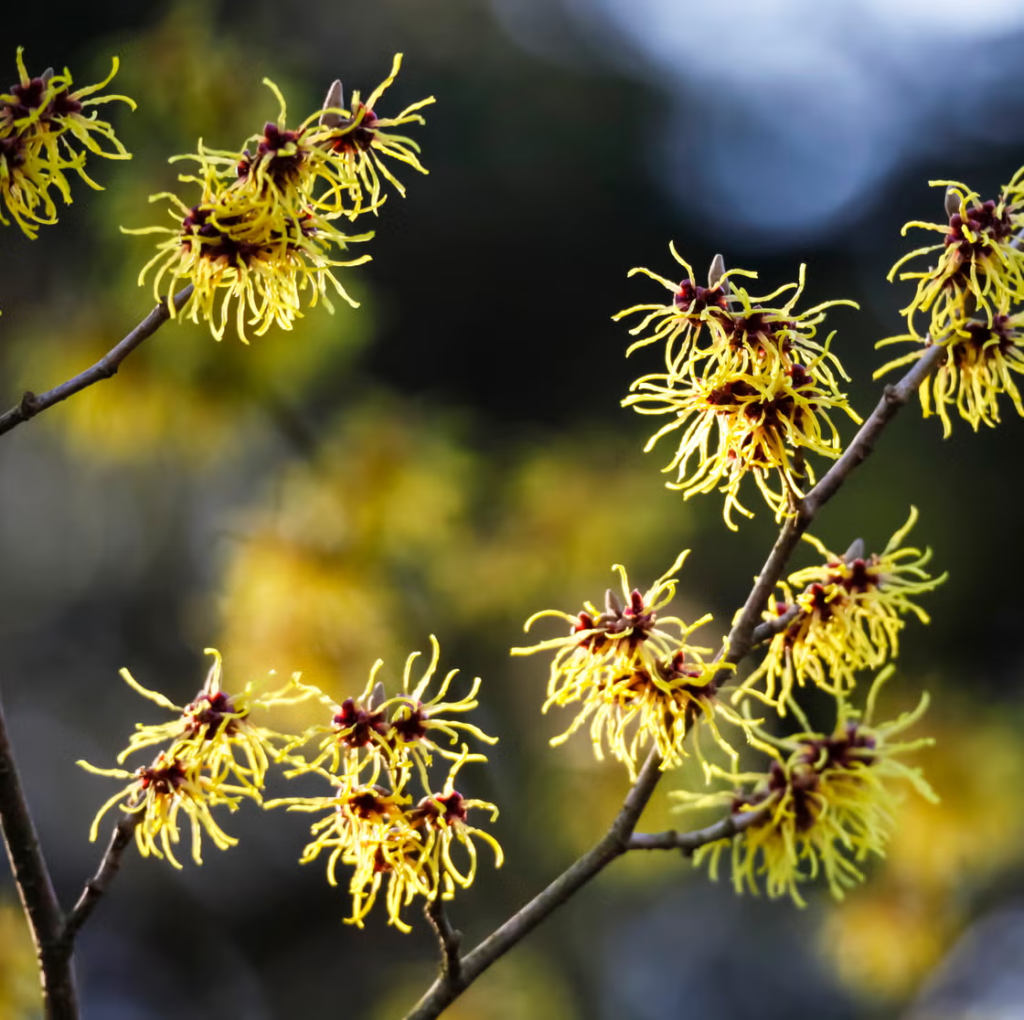
Hamamelis virginiana, or witch hazel, is a humble shrub from North America’s forests, its golden blooms lighting up autumn like quiet stars. Native peoples and early settlers distilled its bark and leaves into a tonic of resilience, a remedy born of the earth’s deep wisdom. Today, witch hazel’s astringent magic—sharp yet soothing—makes it a beloved herbal ally, touching skin and soul with a crisp, cleansing grace.
Emotional Essence
Witch hazel carries a steady, grounding presence. Its cool, tightening touch feels like a firm yet tender hand, banishing excess and restoring calm. It’s a sigh of relief for inflamed skin, a spark of clarity for overwhelmed senses—an herbal friend that whispers strength and renewal amidst life’s storms.
Herbal Power: Key Properties
Witch hazel’s potency springs from tannins, flavonoids, and volatile oils:
- Astringent Strength: Tannins (like hamamelitannin) tighten tissues, shrinking pores and reducing oil.
- Anti-Inflammatory Calm: Flavonoids soothe redness and swelling, easing irritation’s sting.
- Antioxidant Shield: Protects skin cells from damage, a subtle guard against time.
- Antimicrobial Edge: Fights bacteria and fungi, keeping wounds clean.
These traits make it a versatile healer, distinct from marshmallow’s softness or tea tree’s bold bite.
Effects on Body Systems (Focus on Skin)
Witch hazel shines brightest on the integumentary system, but its reach extends further:
- Skin (Integumentary):
- Conditions: Oily skin, acne, razor burn, eczema, bruises.
- How It Works: Tannins contract skin proteins, drying excess oil and tightening pores—perfect for Kapha-like greasiness. Flavonoids cool Pitta-driven inflammation, while its antimicrobial edge clears blemishes. It’s a brisk reset for tired, puffy skin.
- Herbal Prep: Distilled witch hazel water (store-bought or homemade) as a toner, or soaked cotton pads for spot treatment.
- Wounds & Swelling:
- Conditions: Cuts, scrapes, insect bites, hemorrhoids.
- How It Works: Astringency stanches minor bleeding and reduces swelling, while anti-inflammatory compounds speed healing. It’s a woodland bandage.
- Herbal Prep: Apply tincture (alcohol-based) or cooled tea compress.
- Scalp & Hair:
- Conditions: Dandruff, itchy scalp.
- How It Works: Controls oil and soothes irritation, a crisp cleanse for the scalp’s woes.
- Herbal Prep: Rinse with diluted witch hazel water post-shampoo.
- Emotional Lift (Nervous System):
- Conditions: Tension, mental fog.
- How It Works: Its cooling scent in aromatherapy (from hydrosol) calms Vata-like restlessness, grounding the mind.
- Herbal Prep: Mist hydrosol on face or pillow.
Ayurvedic Echoes
Not a traditional Ayurvedic herb, witch hazel fits its framework:
- Dosha Fit: Cooling and drying, it balances Pitta (heat, inflammation) and Kapha (oil, moisture), but may aggravate Vata (dryness) if overdone.
- Rasa: Astringent—a sharp, clarifying taste.
- Virya: Cooling—a counter to fiery skin troubles.
- Modern Twist: Pair with aloe or ghee for a balanced skin salve.
Why It Works
Witch hazel’s astringency is its hallmark—studies (e.g., 2000s dermatology research) show it rivals synthetic toners for oil control, with less irritation. Its flavonoids add a soothing layer, making it gentler than alcohol alone. Emotionally, its brisk touch feels like nature wiping away excess—physical or otherwise—leaving clarity behind.
Herbal Preparations
- Distilled Water: Most common—steam-distilled leaves/bark, alcohol-free or low-alcohol, for daily skin use.
- Tincture: Alcohol extract (1:5 ratio, bark in vodka) for stronger astringency on wounds.
- Tea: Steep 1-2 tsp dried bark/leaves in hot water (10 min), cool, and use as a wash or compress.
- Hydrosol: Steam-distilled essence for a lighter, aromatic mist.
Care Notes
- Dilution: Pure tinctures sting—dilute for sensitive skin.
- Allergies: Rare, but test first; tannins can irk some.
- Avoid Overuse: Too much dries Vata-prone skin, cracking its calm.
