

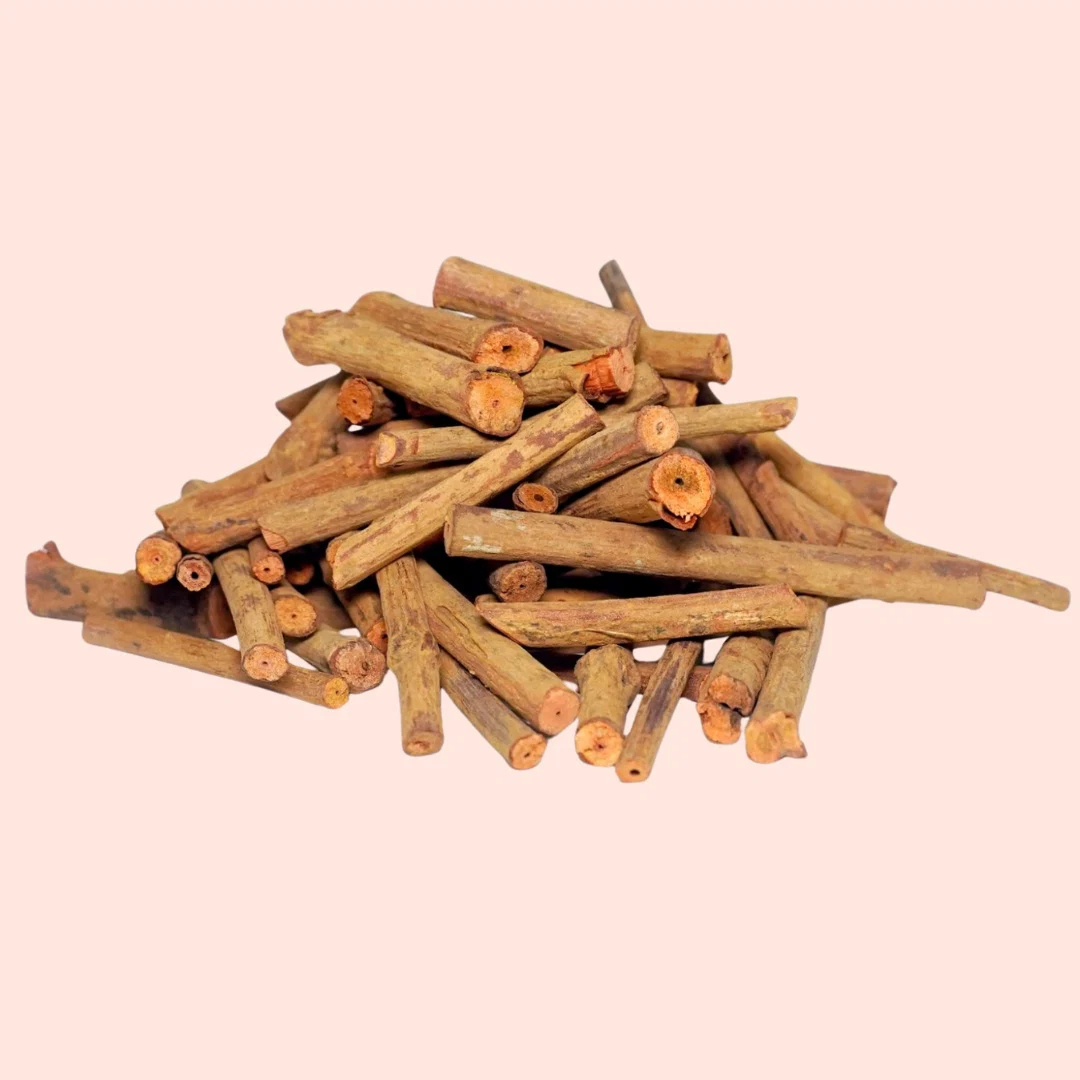
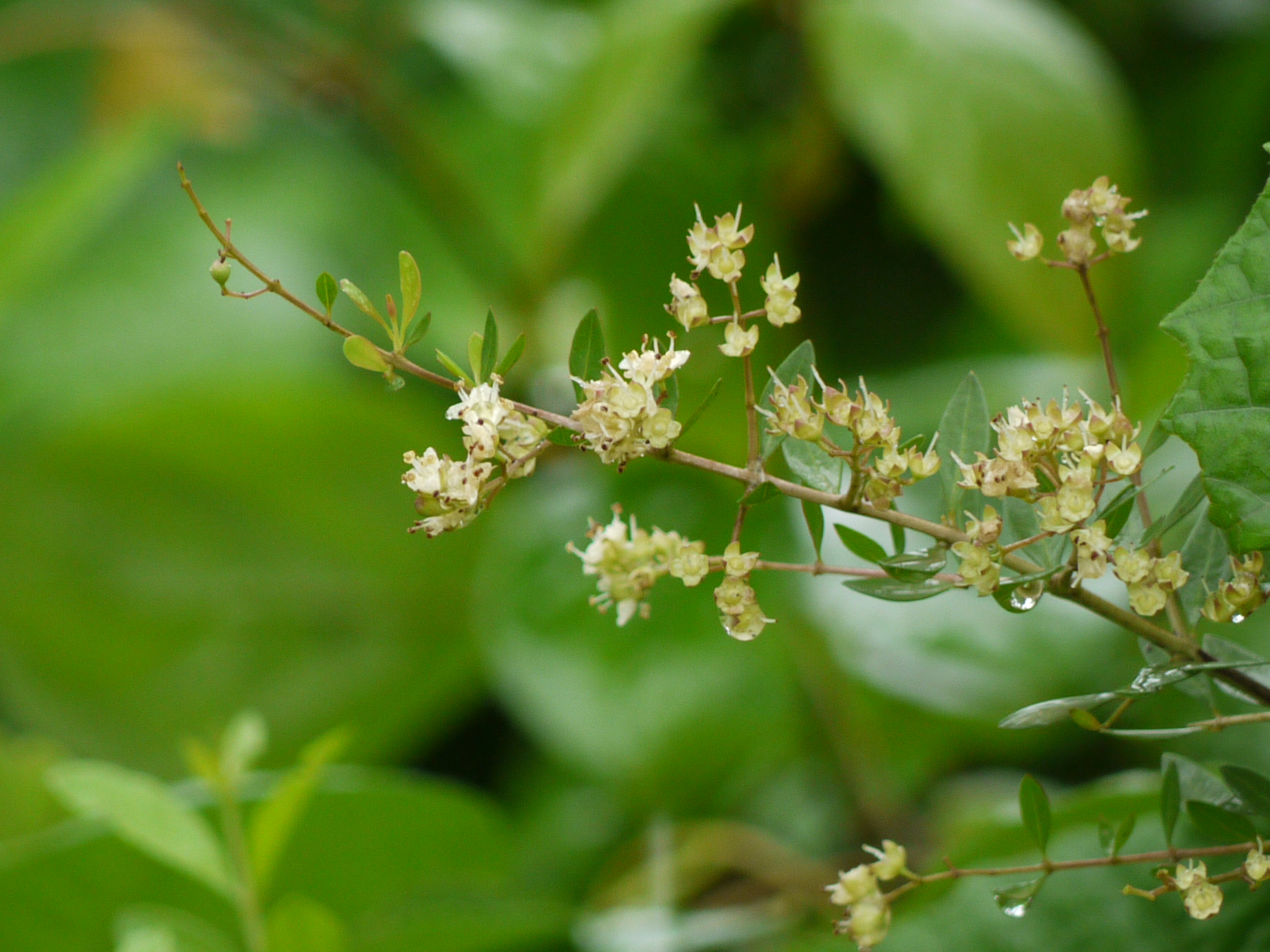

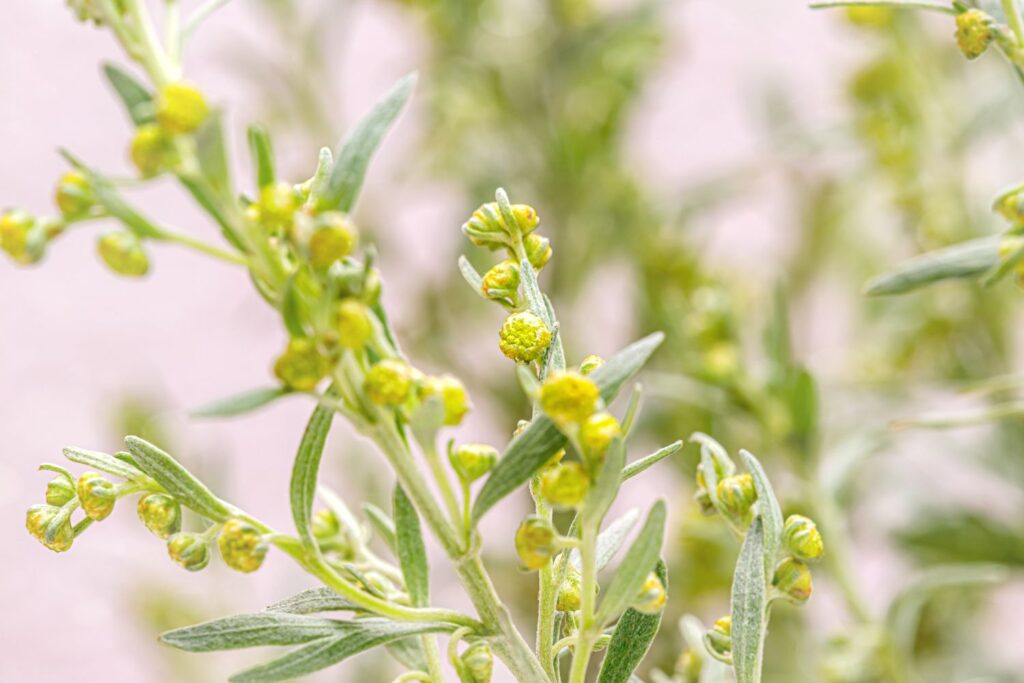
Artemisia absinthium
Introduction
Wormwood is a bitter medicinal herb that has been used for centuries in traditional medicine systems across Europe, Asia, and the Middle East. It is well known for its strong therapeutic properties, especially in treating digestive disorders and intestinal worms. The plant is also famous as a key ingredient in the traditional drink absinthe.
Wormwood is valued for its powerful effects on digestion, appetite stimulation, and parasite elimination.
Wormwood is a traditional medicinal herb known for its strong bitter taste and powerful healing properties. It has been used for centuries in herbal medicine systems across Europe, Asia, and the Middle East. The plant is especially valued for its ability to support digestion and eliminate intestinal parasites.
The leaves and flowering tops of wormwood contain active compounds like thujone and bitter glycosides, which stimulate digestive juices and improve appetite. Due to its potent nature, it has also been widely used in treating conditions such as indigestion, bloating, and worm infections.
With its long history of use and strong therapeutic effects, wormwood continues to be an important herb in natural medicine, particularly for digestive health and detoxification.
Botanical Description
- Scientific Name: Artemisia absinthium
- Family: Asteraceae
- Plant Type: Perennial herb
- Parts Used: Leaves and flowering tops
- Taste: Very bitter
- Nature: Hot and dry
Common Names
- English: Wormwood
- Hindi: Nagdona
- Sanskrit: Krimighna (meaning “destroyer of worms”)
Active Compounds
- Thujone (main active compound)
- Absinthe oil
- Flavonoids
- Bitter glycosides
These compounds contribute to its antimicrobial, antiparasitic, and digestive properties.
Traditional Uses
1. Digestive Health
Wormwood is widely used to:
- Stimulate appetite
- Improve digestion
- Reduce bloating and gas
Its bitter taste increases digestive secretions.
2. Treatment of Intestinal Worms
One of its most important uses is:
- Eliminating intestinal parasites
- Treating worm infections
3. Liver and Gallbladder Support
Wormwood helps:
- Stimulate bile production
- Support liver function
- Improve fat digestion
4. Fever and Infection
Traditionally used to:
- Reduce fever
- Fight infections
5. Anti-inflammatory Effects
It helps reduce inflammation and is used for:
- Joint pain
- Muscle pain
6. Menstrual Support
Wormwood has been used to:
- Regulate menstrual cycles
- Relieve menstrual discomfort
Ayurvedic Perspective
Although not a classical Ayurvedic herb, it is used in herbal practices as:
- Rasa (Taste): Bitter
- Virya (Potency): Hot
- Effect: Reduces Kapha and Vata
Methods of Use
- Herbal Tea: Small amounts due to bitterness
- Powder: Mixed with water or honey
- Tincture: Concentrated extract
Precautions
- Should not be used in high doses
- Avoid during pregnancy and breastfeeding
- Long-term use can be toxic due to thujone
- Use only under professional guidance
Side Effects
- Nausea
- Dizziness
- Toxicity if overused
Conclusion
Wormwood is a powerful traditional herb known for its effectiveness in improving digestion and eliminating intestinal worms. While it offers strong medicinal benefits, it must be used carefully due to its potency. When used properly, it can be a valuable natural remedy in herbal medicine.
Wormwood is a powerful medicinal herb with a long history of traditional use, especially for improving digestion and eliminating intestinal worms. Its strong bitter compounds make it highly effective in stimulating digestive processes and supporting liver and gallbladder function.
However, due to its potency and the presence of compounds like thujone, wormwood must be used with caution and only in appropriate amounts. Overuse or long-term use can lead to unwanted side effects, so proper guidance is important.
Overall, wormwood remains a valuable natural remedy in herbal medicine, known for its effectiveness and strength, while also requiring careful and responsible use for safe and beneficial results.
Wormwood is a strong, bitter herb with a long history in traditional medicine for its digestive-stimulating, antiparasitic, and liver-supportive properties. Known for its role in absinthe, it’s best used in small, carefully measured doses due to its potency.
Cultivation

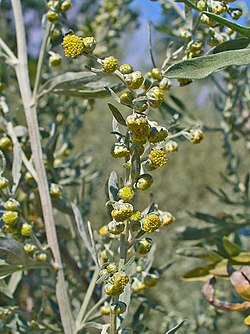
The plant can easily be cultivated in dry soil. It should be planted under bright exposure in fertile, midweight soil. It prefers soil rich in nitrogen, and can be propagated by ripened cuttings taken in spring or autumn in temperate climates, or by seeds in nursery beds. Growing the plant with others tends to stunt their growth; accordingly, it is not considered to be a good companion plant. A. absinthium also self-seeds generously. It is naturalised in some areas away from its native range, including much of North America and the Kashmir Valley of India.
This plant, and its cultivars “Lambrook Mist” and “Lambrook Silver” have gained the Royal Horticultural Society‘s Award of Garden Merit. These two short cultivars are very similar and more silver than typical British absinthium material and probably derive from southern Europe. “Lambrook Silver” is the earliest of these cultivars, having been selected in the late 1950s by Margery Fish, who developed the garden at East Lambrook Manor. “Lambrook Mist” was selected about 30 years later by Andrew Norton, a subsequent owner of the garden. Both gained their Awards of Garden Merit during the RHS Artemisia Trial 1991–3.
Cultivar “Silver Ghost” is a taller, silver plant, which flowers much later (August–September) than typical absinthium (June–July) in Britain, and so holds its silver appearance for longer. This and a more feathery-leaved cultivar “Persian Lace” were selected by National Collection Holder John Twibell in the 1990s.
Key Uses & Benefits of Wormwood:
Antiparasitic Action
- Traditionally used to expel intestinal worms and parasites.
- Often combined with black walnut and clove in parasite-cleansing protocols.
Digestive Aid & Appetite Stimulant
- Bitter compounds (like absinthin) stimulate the production of bile and digestive juices.
- Helps relieve bloating, indigestion, gas, and loss of appetite.
- Often included in digestive bitters formulas.
Liver & Gallbladder Support
- Encourages liver detoxification and supports bile flow.
- Useful for sluggish digestion due to poor liver function.
Antimicrobial & Anti-inflammatory
- Contains compounds that help fight bacteria, fungi, and inflammation, both internally and externally.
How to Use Wormwood:
- Tea or Infusion (small doses) – Best used short-term for digestion or parasite support.
- Tincture or Capsules – More concentrated; use with care.
- Topical Use – In salves or compresses for sore muscles or inflamed skin.
Precautions:
- Highly potent—do not exceed recommended doses.
- Contains thujone, which can be neurotoxic in high amounts.
- Avoid if pregnant, breastfeeding, or have seizures or kidney issues.
- Long-term use or high doses can cause nausea, dizziness, or even convulsions.
Wormwood is a powerful bitter herb that cleanses, stimulates, and defends—ideal for short-term use in digestive and parasite support.
