

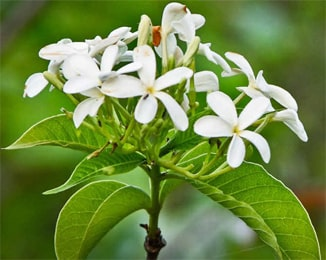

Coriandrum sativum, Apiaceae
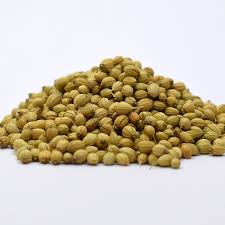
Introduction
Dhanyaka, commonly known as Coriander (Coriandrum sativum), is a widely used herb in both culinary and medicinal traditions. In Ayurveda, it is valued for its cooling properties and its ability to balance all three doshas—Vata, Pitta, and Kapha.
Botanical Description
Coriander is an annual herb belonging to the Apiaceae family. It produces delicate green leaves (cilantro) and small round seeds known as coriander seeds. Both parts are used for different purposes.
- Scientific Name: Coriandrum sativum
- Family: Apiaceae
- Common Names: Coriander, Cilantro, Dhaniya
Ayurvedic Properties
In Ayurveda, Dhanyaka is known for its digestive and cooling effects.
- Rasa (Taste): Sweet, Astringent
- Guna (Qualities): Light, Dry
- Virya (Potency): Cooling
- Vipaka (Post-digestive effect): Sweet
- Dosha Effect: Balances Pitta and Kapha
Health Benefits
1. Improves Digestion
Dhanyaka stimulates digestive enzymes and helps reduce bloating, gas, and indigestion. It is often used in herbal teas for better gut health.
2. Detoxifies the Body
Coriander acts as a natural detoxifier, helping remove toxins and heavy metals from the body.
3. Supports Heart Health
It may help lower cholesterol levels and regulate blood pressure, promoting cardiovascular health.
4. Regulates Blood Sugar
Coriander seeds are known to help control blood glucose levels, making them beneficial for people with Diabetes.
5. Anti-inflammatory Properties
Dhanyaka contains compounds that reduce inflammation and may help relieve joint pain.
6. Enhances Skin Health
Its antibacterial and antioxidant properties help treat acne, rashes, and skin irritation.
Traditional Uses in Ayurveda
- Used in Dhanyaka water to cool the body
- Included in herbal formulations for digestion
- Applied as a paste for skin issues
- Used in decoctions for urinary disorders
Modern Scientific Insights
Research shows that coriander contains antioxidants, vitamins (A, C, K), and minerals like potassium and calcium. These nutrients contribute to its medicinal benefits and support overall wellness.
How to Use Dhanyaka
1. Coriander Water
Soak 1 teaspoon of coriander seeds overnight and drink the water in the morning.
2. Powder Form
Dry roast seeds and grind them into powder. Add to food or take with warm water.
3. Fresh Leaves
Use fresh coriander leaves in salads, chutneys, and cooking.
Precautions
- Excess consumption may cause low blood pressure
- People with allergies should use cautiously
- Pregnant women should consult a healthcare provider before medicinal use
Conclusion
Dhanyaka (Coriander) is a versatile herb with numerous health benefits. Its role in Ayurveda as a digestive, detoxifying, and cooling agent makes it a valuable addition to a healthy lifestyle.
Medicinal Uses
- Baldness: Regular application of
fresh pulp of Coriander(Dhaniya)
on bald areas regularly can cure
the problem of baldness.
- Indigestion: Equal quantity of
Coriander seeds, Black pepper,
Cumin powder and rock Salt (as
per taste) powders are mixed well.
This can consume along with rice
helps in stimulating appetite and
easy digestion. - Mouth ulcers: Paste of Coriander
leaves apply on to mouth ulcer
for 2 to 3 times a day, will get
relief from mouth ulcers. - Menstrual cramps: 20gms of
Coriander seeds boiled in 100ml
of water and reduced to 1/4th
and administered twice daily is
beneficial in menustral cramps. - Thirst: Mix 10gms of Coriander
powder in hot water. Cool and
have this drink to satisfy excessive
thirst. - Fever: Mix 20gms of coriander
seeds powder in 100ml of Hot
water. Consume this water along
with sugar twice daily. It is useful
to pecify the fever.
Vernacular names
Assamese : Dhaniya
Bengali : Dhane, Dhania
English : Coriander fruit
Gujrati : Dhana
Hindi : Dhaniya
Kannada : Havija, Kothambari bija
Kashmiri : Dhaniwal, Dhanawal
Malayalam : Malli, Kothampatayari
Marathi : Dhane, Kothimbir
Oriya : Dhania
Punjabi : Dhania
Tamil : Kottamatli virai, Dhaniya
Telugu : Dhaniyalu
Urdu : Kishneez
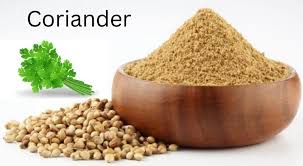
Dhanyaka (Coriandrum sativum) is the Sanskrit name for coriander, a key Ayurvedic herb and culinary spice valued for its cooling, digestive, and medicinal properties. Used in Ayurveda to treat digestive disorders, fever, and excess thirst, it is considered tridoshashamaka (balancing all three doshas) and is a rich source of nutrients.
Key Aspects of Dhanyaka
- Botanical Profile: A small, annual, hollow-stemmed herb in the Apiaceae family (Shatapushpa Kula).
- Ayurvedic Properties: Contains a combination of kashaya (astringent) and tikta (bitter) tastes, is snigdha (unctuous) and laghu (light), and is ushna (hot) in potency, according to some texts, while others highlight its cooling effect on Pitta.
- Medicinal Uses:
- Digestion: It acts as a deepana (appetizer) and pachana (digestive enhancer).
- Cooling Agent: Used to alleviate excessive thirst and burning sensations.
- Therapeutic Actions: It is used as a diuretic, antibacterial, anthelmintic, and carminative.
- Forms Used: Both fresh leaves (Ardha Dhanyaka) and dried seeds (Sushka Dhanyaka) are utilized.
- Traditional Remedies: A common preparation is Dhanyaka Hima (cold infusion), made by soaking crushed seeds in water overnight to reduce burning sensations and digestive issues.
- Key Chemical Constituent: The primary volatile oil component is linalool, which contributes to its therapeutic properties.
