



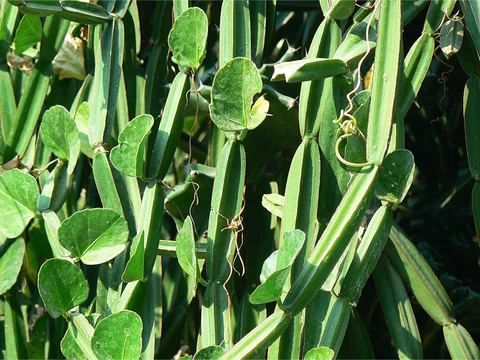


Helicteres isora,
Sterculiaceae

Medicinal Uses
- Earache: The crushed pods of
avartani added with gingerly oil
and boiled . The prepared oil is
used as ear drops(2 ‒ 3 drops) for
pricking pain in ears and other ear
ailments.
- Hiccup: 4 ‒ 6 grams of avartani
pod powder with honey 2 times
a day is useful in cases of hiccup,
fever etc. - Diarrhea: 5 gms of crushed bark
& pod of avartani is boiled in
100ml of water and reduced to
25ml . This decoction is given for
diarrhea twice or thrice daily. - Eczema: External application of
the Leaves Paste is effective for
various skin ailments like scabies,
eczema etc. - Colic: 3-6grams of fruit powder
of avartani with warm water
twice daily is useful in colic. The
fruits give an imagination about
intestines. The fruits are twisted,
hence they are useful in twitching
pain of abdomen. - Scabies: The root paste is applied
topically for Scabies.
Vernacular names
English : Indian screw tree
Hindi : Marod phali
Tamil : Valipiri
Telugu : Nunidala guba tasa,
guvardara
Gujarati : Maradasing
Urdu : Murmuriya
Malayalam : Isvaramuri
Bangali : Antmora
Kannada : Peda muri
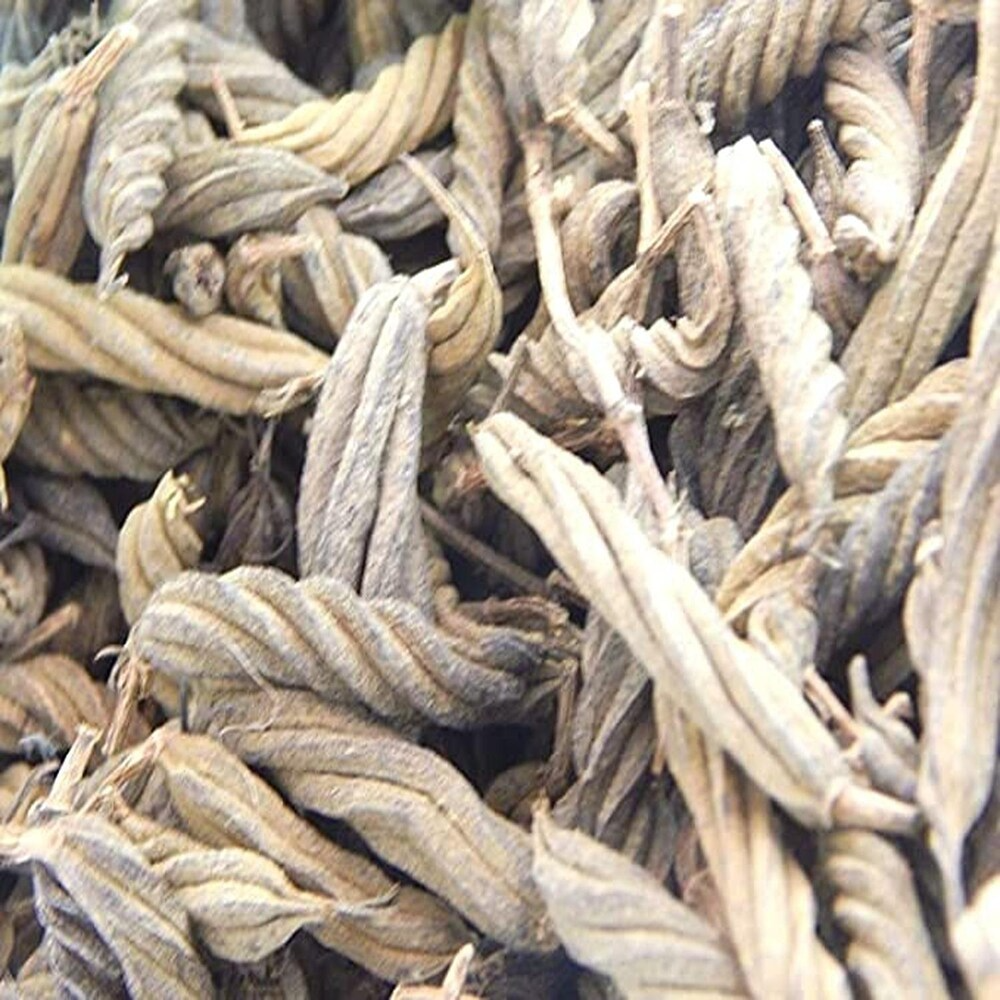
Avartani, scientifically known as Helicteres isora and commonly called the Indian Screw Tree or Marodphali, is a, significant, therapeutic herb in Ayurveda, often used for managing diarrhea, dysentery, and abdominal pain. This, woody shrub, characterized by its, twisted, fruit pods, possesses antioxidant, antimicrobial, and anti-diabetic properties.
Key Details About Avartani:
- Botanical Profile: A 2–6 meter high shrub, known for fruits that twist into a, screw-like shape (follicles).
- Ayurvedic Properties: It is considered astringent (Grahi) and bitter (Tikta), frequently, used for, balancing, Vata and Kapha doshas.
- Therapeutic Uses:
- Digestive Health: Highly effective for diarrhea, dysentery, colic pain, and intestinal parasites.
- Diabetes: It has, shown, potential for reducing blood sugar levels and, managing, blood sugar, due to insulin-sensitizing properties.
- Skin & Other Issues: Used for skin ailments, to support, healing of chronic ulcers, and to, boost, overall, physical strength.
- Useful Parts: Primarily the fruits, though, roots and bark are also used in, Ayurvedic medicines.
- Dosage: Fruit powder is commonly used, with a typical, recommended dose of 3–6 grams.
Note: It is advisable to consult an Ayurvedic practitioner before starting, any, herbal, treatment.
