






Phyllanthus niruri,
Euphorbiaceae
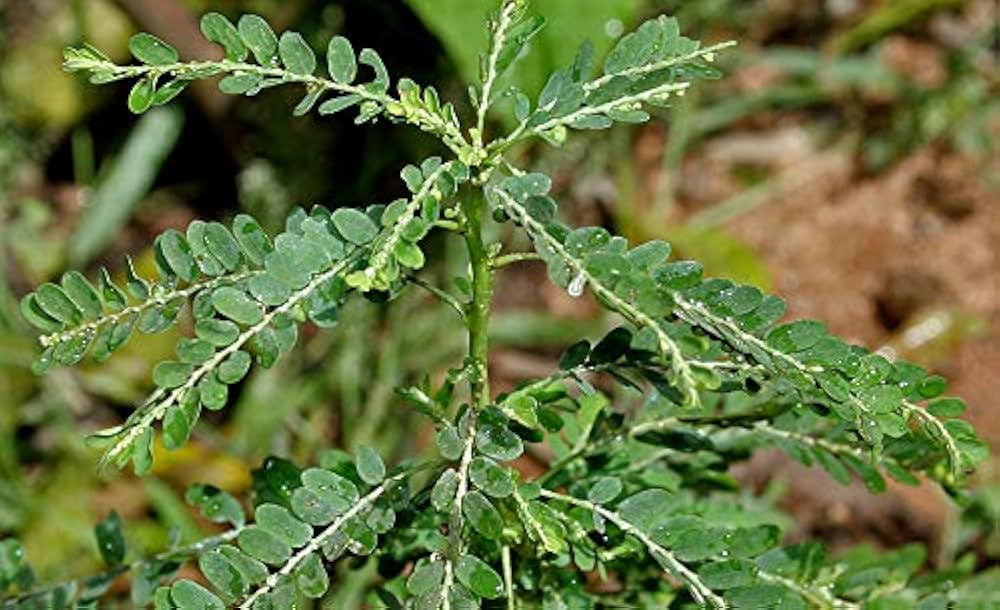
Medicinal Uses
- Jaundice: The juice of whole
plant of bhumyamlaki is given in
the dose of 10-20ml three times
daily. It cures inflammation of
the liver. The extract of the whole
plant is used to cure Hepatitis A,
Hepatitis B, and Hepatitis C.
- Leucorrhoea: The juice of
whole plant of bhumyamlaki
in the dose of 20-30ml in early
morning should be administered
once daily in case of leucorrhoa,
menorrhagia, and other urinary
disorders. - Diabetes: 10gms of whole plant
of bhumyamlaki paste boiled
in 100 ml of water till it reduced
to 25ml. Administration of this
decoction orally twice a day is
very effective in diabetes. - Mouth Ulcers: The decoction
prepared from leaves and roots of
bhumyamlaki is used for gargling
for aphthous ulcers. - Renal calculi: Regular intake of
20ml of bhumyamlaki whole
plant juice daily once is very
effective in breaking the stones. - Wound: The whole plant paste
of bhumyamlaki prepared along
with rice gruel should be applied
locally for healing of ulcers and
wounds.
Vernacular names
Assamese : Bhuin Amla
Bengali : Bhumamla, Bhumi amalaki
English : Country gooseberry
Gujrati : Bhoi Amali, Bhony amari,
Bhonyamali
Hindi : Jangliamli, Hazardana, Jaramala,
Bhui amla
Kannada : Nelanelli
Kashmiri : Kath
Malayalam : Kizanelli, Keezhanelli, Ajjhada
Marathi : Bhuiawali
Oriya : Bhuin Amla
Punjabi : Lodhar
Tamil : Kizhukai nelli, Kizanelli
Telugu : Nela usirika
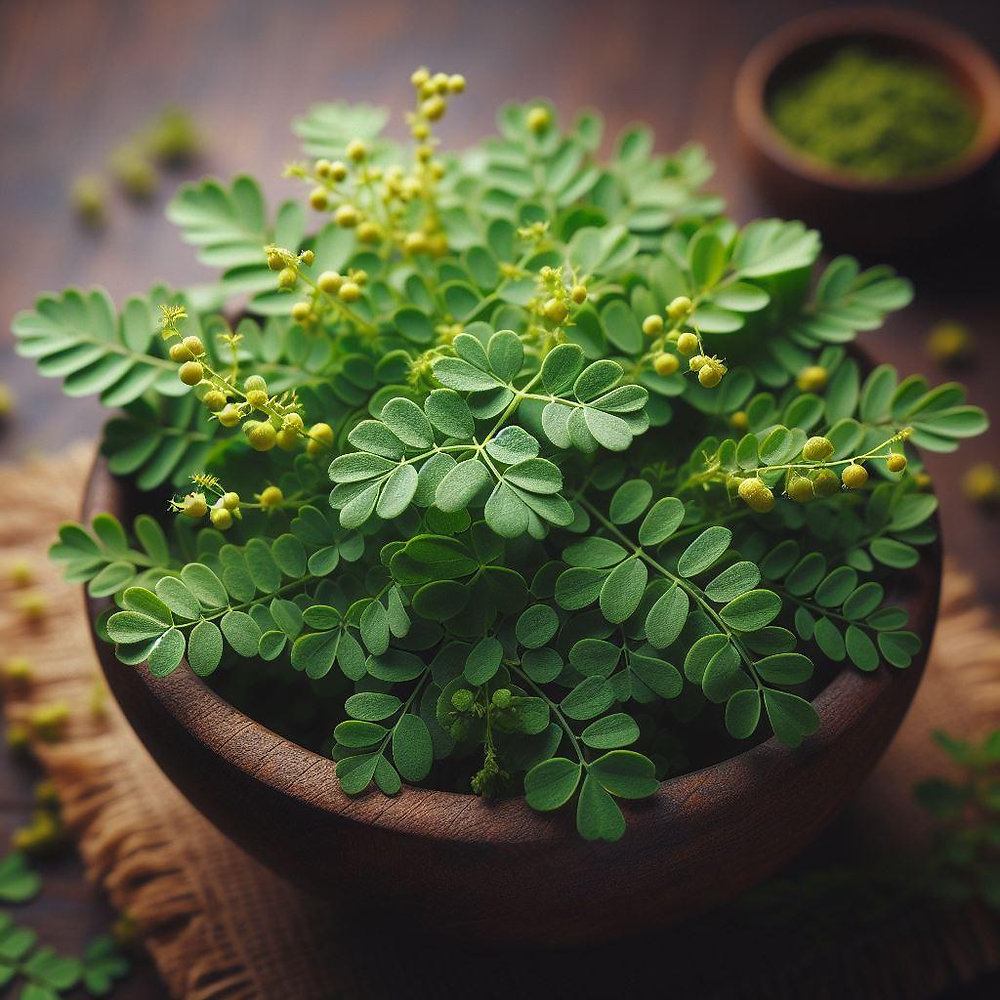
Bhumyamalaki (Phyllanthus niruri or Phyllanthus amarus) is a significant Ayurvedic herb, also known as “gale of the wind,” renowned for its liver-protective (hepatoprotective) properties, particularly in treating jaundice, hepatitis, and fatty liver disease, acting as a powerful antioxidant and helping with digestion, inflammation, and detoxification. It’s used in various forms (juice, powder, paste) for ailments like fever, skin issues, diabetes, and kidney stones, containing compounds like flavonoids and lignans, but requires consultation with an Ayurvedic practitioner for proper use.
Key Uses & Benefits
- Liver Health: Protects against liver toxicity, helps with fatty liver, and treats jaundice and hepatitis.
- Antioxidant: Fights free radicals, protecting cells from damage.
- Digestive Aid: Helps with indigestion, hyperacidity, and improving overall digestion.
- Anti-inflammatory: Used topically for pain, swelling, fractures, and skin infections.
- Kidney Support: May help inhibit kidney stone formation.
- Other Uses: Treats fever, anemia, diabetes, cough, asthma, and urinary issues.
How It’s Used (Traditional Methods)
- Juice: Fresh leaf/whole plant juice (15-20 ml) on an empty stomach for jaundice, fever.
- Paste: Applied to skin for infections, or with rock salt for fractures.
- Powder (Churnam): Mixed with buttermilk for anemia, or used in decoctions.
Important Considerations
- Ayurvedic Properties: It’s bitter/astringent (Tikta, Kashaya), light (Laghu), drying (Ruksha), and cooling (Sheeta).
- Professional Advice: Always consult an Ayurvedic doctor before use, as it’s a potent herb.
