

![Oxalis corniculata, the creeping woodsorrel, procumbent yellow sorrel[2] or sleeping beauty, is a somewhat delicate-appearing, low-growing herbaceous plant in the family Oxalidaceae. Oxalis corniculata is a small creeping type of woodsorrel that tends to grow well in moist climates.[3] It resembles the common yellow woodsorrel, Oxalis stricta.](https://knowledgeaayurveda.com/wp-content/uploads/2026/02/chengeri.webp)
![Bacopa monnieri, also known as water hyssop,[1] brahmi,[2] thyme-leafed gratiola, herb of grace,[2] and Indian pennywort, is a perennial, creeping herb native to wetland areas globally.[](https://knowledgeaayurveda.com/wp-content/uploads/2026/02/brahmi.avif)


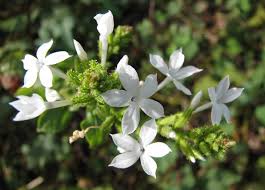
Plumbago zeylanica,
Plumbaginaceae
Medicinal Uses
- Piles: Chitraka root powder is
taken in dose of 2 gms with
butter milk thrice a day.
- Lymphadenitis: A paste of
Chitraka roots and gingelly oil is
used as an external application for
pile mass, cervical lymphadinitis,
and inguinal lymphadinitis. - Scabies: Chitraka mula tailam is
helpful external remedy in skin
infections like scabies, carbuncles,
and ulcers. - Indigestion: 2gms of Chitramoola
with 2 gms of dry ginger should
be taken twice daily with butter
milk in case of indigestion. - Obesity: Administration of
3gms of Chitraka root powder
with honey and keeping on
wholesome diet for 3 months is
useful in reducing Obesity. - Diarrhoea: Intake of 2 gms of
Chitraka powder and 2gms of
pippali powder with Buttermilk
beneficial in Diarrhoea.
Vernacular names
Assamese : Agiyachit, Agnachit
Bengali : Chita
English : Lead war
Gujrati : Chitrakmula
Hindi : Chira, Chitra
Kannada : Chitramula, Vahni,
Bilichitramoola
Kashmiri : Chitra, Shatranja
Malayalam : Vellakeduveli, Thumpokkoduveli
Marathi : Chitraka
Oriya : Chitamula, Chitoparu
Punjabi : Chitra
Tamil : Chitramoolam, Kodiveli
Telugu : Chitramulam
Urdu : Sheetraj Hindi, Cheetah
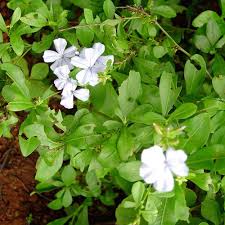
Chitraka (Plumbago zeylanica) is a potent, perennial Ayurvedic medicinal herb known for its “fire-like” (hot potency) properties in treating digestive, skin, and metabolic disorders. The root, particularly the white variety, is highly valued for enhancing digestive strength, aiding weight loss, and managing respiratory issues.
Key details about Chitraka include:
- Medicinal Uses: Widely used to treat indigestion, constipation, piles (haemorrhoids), liver disorders, skin diseases (acne/dermatitis), and to reduce cholesterol.
- Key Active Compound: Contains plumbagin, a substance with anti-inflammatory, antimicrobial, and anti-cancer properties.
- Ayurvedic Properties: It is considered Deepana (appetizer) and Pachana (digestive). It pacifies Kapha and Vata doshas.
- Precautions: It is very potent and can cause skin blisters if applied directly. It is generally advised to be used under medical supervision.
- Formulations: Common formulations include Chitrakadi Vati and Chitrak Haritaki.
