

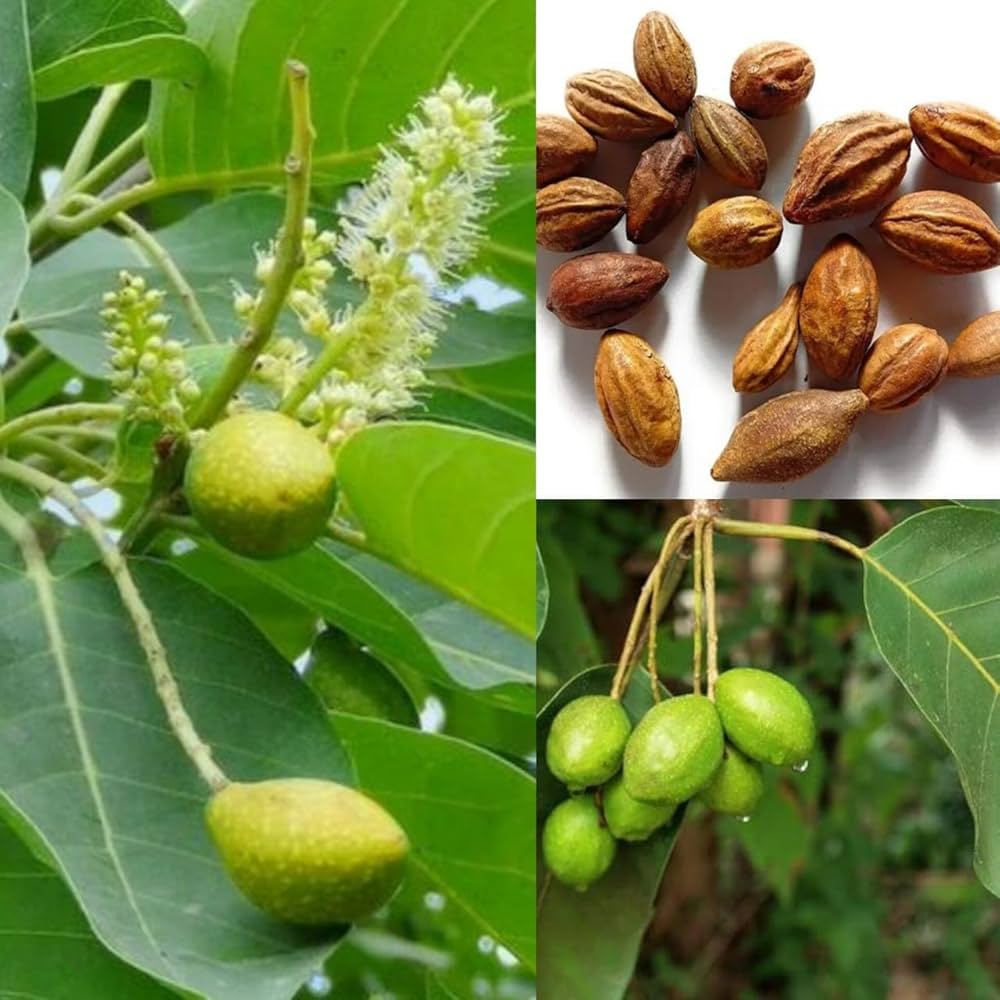
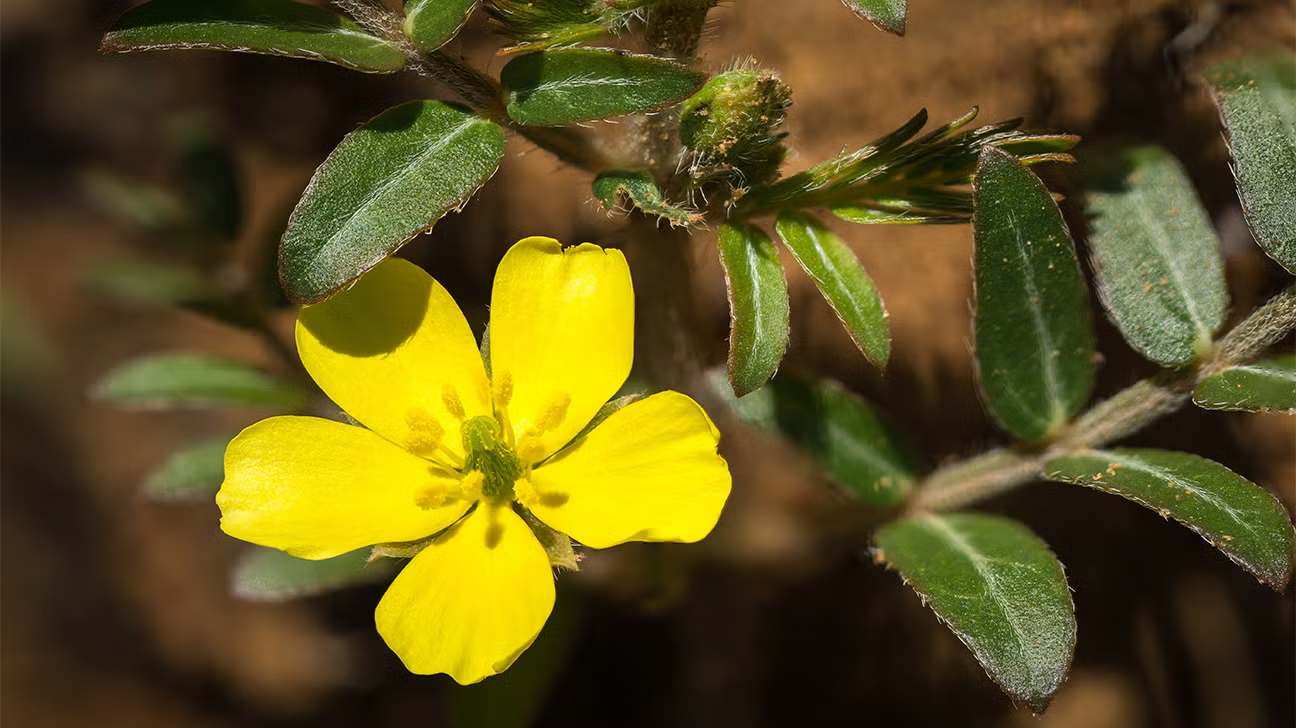

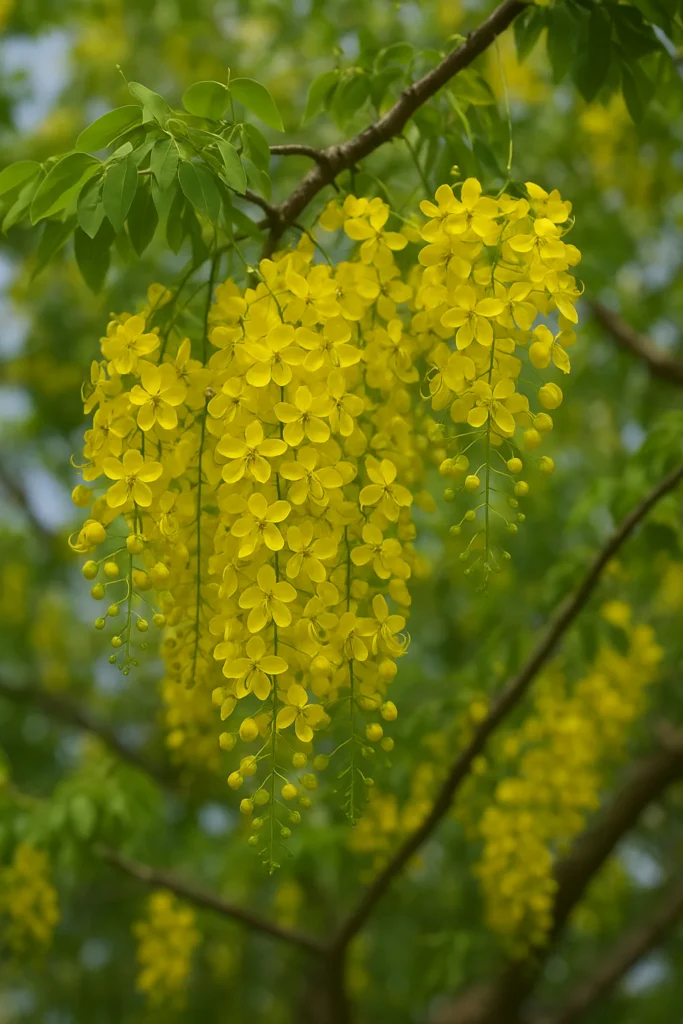
Cassia fistula, Caesalpiniaceae
Medicinal Uses
- Eczema: Leaves of aragavadha
fine paste applied over the skin
lesions once in a day is effective
in curing ring worm infection and
eczema.
- Worm infestation: 10ml of
aragavadha leaves juice is given
in empty stomach for 5-6 days
helps to relieve intestinal worms
effectively. - Constipation: 15-20gms of
aragavadha bark powder cooked
in 100ml of water till it reduced
to 1/4th. This decoction is orally
consumed daily once to relieve
constipation, distention of
abdomen and chronic diseases
due to vitiation of blood. - Purgative: 3-4 inches of the
mature fruit pulp de-seeded and soaked in water overnight . In the morning ,this water is taken with little jaggery. This relieves gaseous distention by 2-3 safe purging. - Jaundice: A fist full of tender leaf
buds yellow coloured flowers of
aragavadha are taken and soup
is made by adding salt, jaggery
and pepper. This soup is not only
whole some diet and also cures
jaundice. - Aguesia: Aragavadha pulp is
useful in loss of taste due to
excessive use of cocaine. 25gms
of fruit pulp is mixed with 250ml
of hot milk and used as a mouth
wash regularly is beneficial.
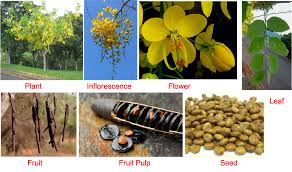
Aragvadha (Cassia fistula or Indian Laburnum) is a versatile Ayurvedic herb used primarily as a gentle laxative and purgative, excellent for skin diseases (eczema, psoriasis), fever, gout, and digestive issues, with its fruit pulp, leaves, bark, and flowers all having uses like reducing inflammation, acting as an anti-diabetic, and supporting liver health.
Key Uses & Benefits:
- Digestive Health: Most famously used as a mild purgative to cleanse bowels, effective for constipation, detox, and clearing doshas (body energies).
- Skin Disorders: Highly valued for conditions like eczema, psoriasis, acne, and hives due to its cleansing and anti-inflammatory properties (Kushtha).
- Fever & Inflammation: Acts as an antipyretic (fever reducer), analgesic (pain reliever), and anti-inflammatory agent, used for various fevers and inflammatory swellings.
- Metabolic & Cardiac: Shows anti-diabetic (hypoglycemic) and cardio-protective effects.
- Respiratory: Flowers and leaves help with coughs and respiratory issues.
- Liver Support: Possesses hepatoprotective (liver-protective) properties.
Parts Used & Applications:
- Fruit Pulp: Main laxative/purgative, used for skin diseases, diabetes, and digestive issues.
- Leaves: Made into pastes and ointments for skin conditions.
- Bark: Used for inflammatory swellings, ulcers, and as a local antiseptic.
- Flowers: Used in preparations for respiratory issues and fevers.
Common Formulations:
Aragvadhadi Taila (oil), Aragvadhadi Leha (jam/paste), and Aragvadharishta (fermented liquid).
Note: Aragvadha is considered safe and effective for many conditions, but professional Ayurvedic guidance is recommended for specific health issues.
Vernacular names
Assamese : Sonaroo
Bengali : Sondala
English : Indian Laburnum,
Purging cassia
Gujrati : Garamala, Garamalo
Hindi : Amaltas
Kannada : Aragvadha, Kakke, Kakke-gida,
Kakkernara, Kakkedai, Rajataru
Kashmiri : Kriyangal Phali
Malayalam : Konna, Kritamalam
Marathi : Bahava, Garamala, Amaltas
Oriya : Sunari
Punjabi : Amaltas
Tamil : Sarakonrai, Sarak konnai, Sarak
kondi, Sharakkonrai
Telugu : Rela
Urdu : Khiyar Shambar
