




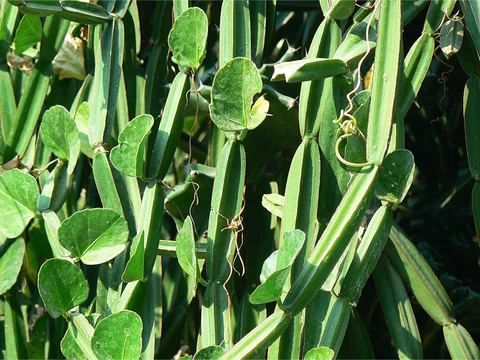


Sapindus mukorossi,
Sapindaceae
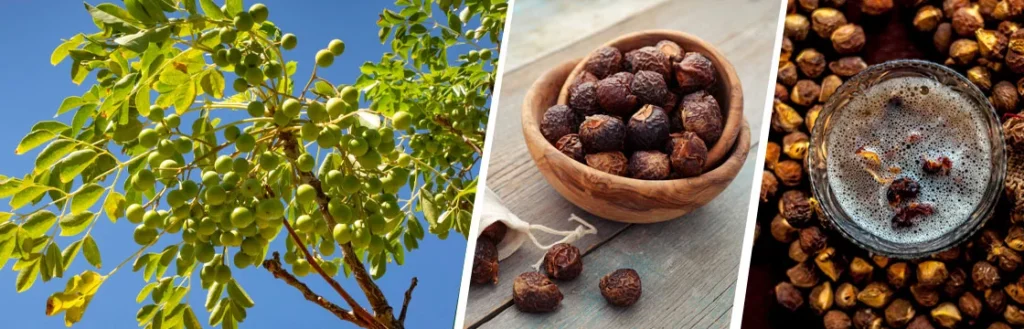
Medicinals Uses
- Menstrual pain (Dysmenorrhea):
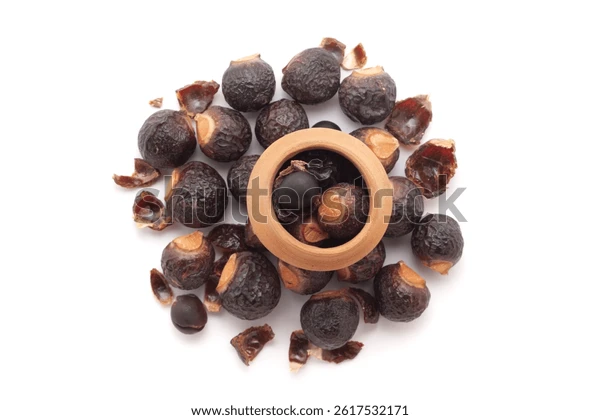
The seed of arishtaka (soap nut)
has a small white or greenish
yellow marrow. 5 seeds marrow
paste is administered along with 2
teaspoonful of sesame oil in case
of abdominal pain and menstrual
pain.
- Food poisoning: 5 seeds are
crushed and soaked in 1 litre
of water. This water is given to
drink in the individuals who
are poisoned (internally). This
induces vomiting and hence the
poisonous effects are reduced. - Distention of abdomen: The
paste of soapnut seed marrow
500-600 mg of is mixed with
jaggery and administered
internally twice a day. - Wound: 20gms of fresh bark of
arishtaka is boiled with 200ml of
water till it reduced to 1/4th. This
decoction is used to wash the
wounds. The same decoction is
used for washing gangrene and
get rid of slough, which quickens
healing process. - Eczema: 50 grams of soapnut
fresh leaf paste cooked well
with 100 ml of sesame oil till
the evaporation of moisture.
This oil is used to apply over the
eczematous lesions. - Herpes: 100ml of Fresh Soapnut
juice in 200ml of ghee is cooked
well till complete evaporation
of water content. This ghee is
applied over the lesions of herpes
and chronic itch.
Key Aspects of Arishtaka
- Botanical Identity: Belongs to the Sapindaceae family, with S. mukorossi common in North India and S. trifoliatus in South India.
- Main Constituents: Rich in saponins, which give it its cleansing properties.
- Ayurvedic Uses:
- Cleansing: Natural shampoo, body wash, and detergent.
- Detoxification: Used in remedies for poison and to induce vomiting.
- Skin & Hair: Treats eczema, dandruff, and improves hair health.
- Internal: Can be used for digestive issues, cough, and certain ailments like migraine.
- Other Uses: Jewelers use its soapy water to clean ornaments.
- Caution: Should be used with care, especially by pregnant women or those with sensitive skin.
Common Names
- Hindi: Ritha
- English: Soapnut tree
- Kannada: Kukute kayi
- Telugu: Kunkudu Chettu
Vernacular names
Assamese : Aritha
English : Indian soapnut
Hindi : Risht,Rishtak
Marathi : Phenil,Rinthi,Ritha
Tamil : Punalai, Punthi, Puvanti
Urdu : Phenil
Malayalam : Cavakkaay,Pasakkottamaram,
uruvanchi
Telugu : Kunkuduchettu,Phenilam
Kannada : Amtalakaayi, Norekaayi,
togate mara
Bengali : Ritha
