

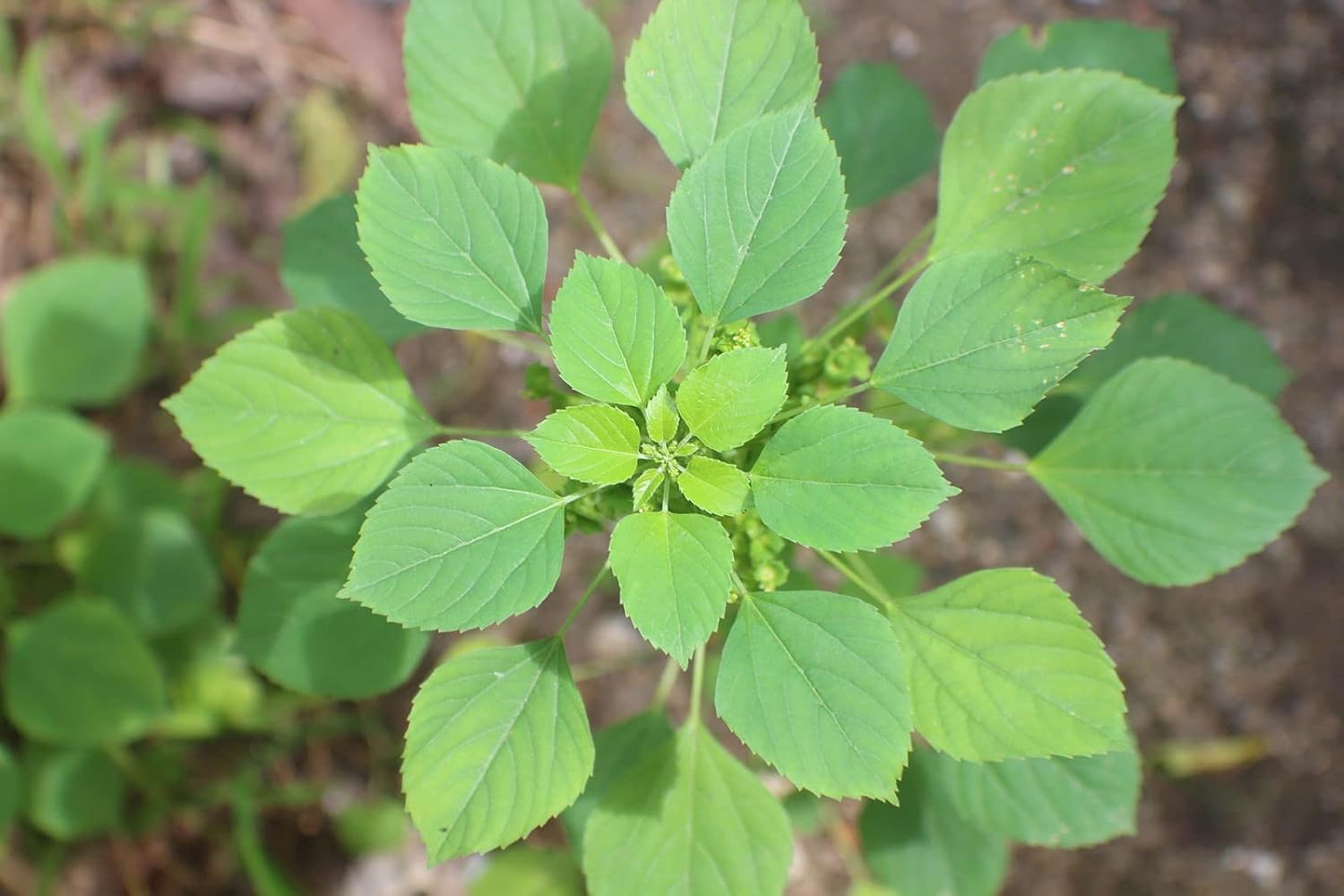

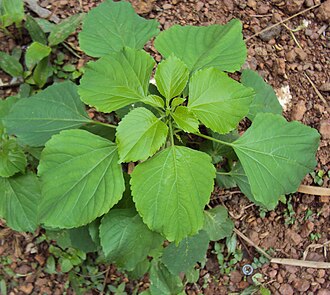
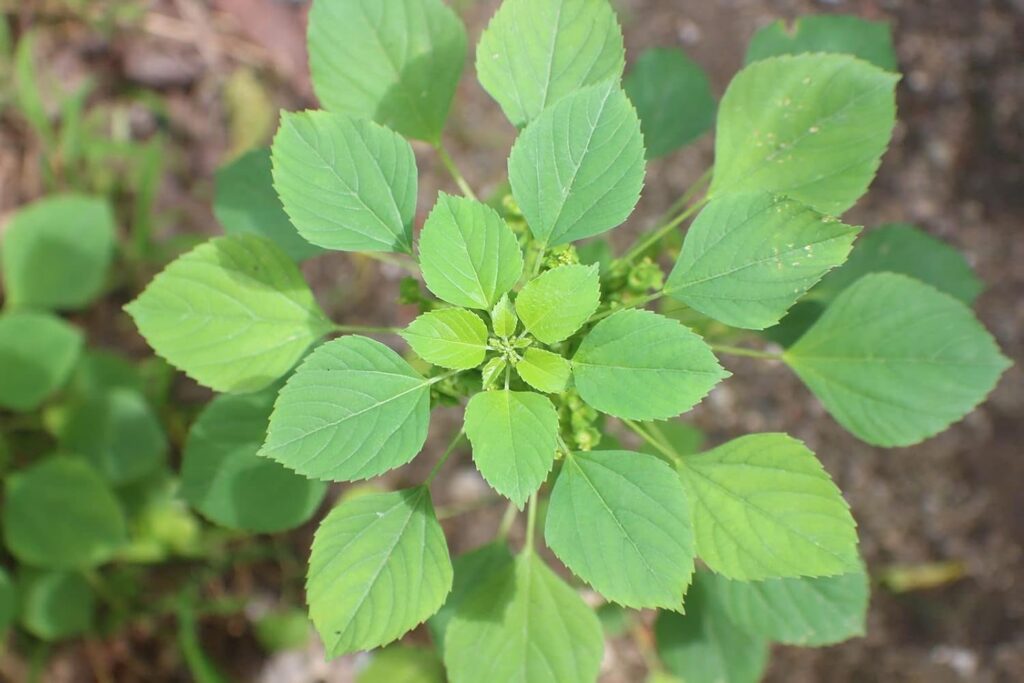
Acalypha indica, Euphorbiaceae
Introduction to Harita Manjari
Harita Manjari is an important classical book of Ayurveda that focuses mainly on medicinal plants, herbs, and their therapeutic uses. It is considered a type of Nighantu (Ayurvedic glossary or materia medica), where different herbs are described with their properties and healing benefits.
This text plays a vital role in understanding traditional herbal medicine and is still referred to by Ayurvedic scholars and practitioners today.
Meaning of Harita Manjari
The name Harita Manjari is made of two Sanskrit words:
- Harita – Green, fresh, or related to plants
- Manjari – Cluster, collection, or bouquet
So, Harita Manjari means:
“A beautiful collection of green medicinal herbs.”
It symbolizes a systematic compilation of plant-based medicines.
Historical Background
Harita Manjari was written in the classical period of Ayurveda when scholars focused on:
- Identifying medicinal plants
- Classifying herbs
- Explaining their effects
- Preserving traditional knowledge
It was composed to help students and doctors understand herbal medicines in a simple and organized manner.
This text bridges ancient Ayurvedic wisdom and practical herbal treatment.
Nature of Harita Manjari (Nighantu Literature)
In Ayurveda, books like Harita Manjari are called Nighantu, which means:
📘 A dictionary of medicinal substances.
These books mainly contain:
- Names of herbs (Sanskrit, regional, synonyms)
- Botanical identification
- Properties (Guna, Rasa, Virya, Vipaka)
- Therapeutic uses
- Dosha effects
Harita Manjari belongs to this important category.
Main Objectives of Harita Manjari
The main aims of this text are:
✔️ To preserve herbal knowledge
✔️ To guide Ayurvedic treatment
✔️ To identify genuine medicinal plants
✔️ To avoid misuse of herbs
✔️ To help in preparation of medicines
It acts as a reference guide for herbal therapy.
Structure and Organization
Harita Manjari is well-organized and systematic.
It usually includes:
1. Classification of Herbs
Plants are grouped based on:
- Taste (Rasa)
- Effect on Doshas
- Therapeutic action
2. Synonyms of Plants
Each herb has many names in Sanskrit and local languages.
Example:
- Haritaki – Abhaya, Pathya, Kayastha
- Guduchi – Amrita, Giloy
This helps in correct identification.
3. Pharmacological Properties
For every herb, the following are explained:
| Property | Meaning |
|---|---|
| Rasa | Taste |
| Guna | Quality |
| Virya | Potency |
| Vipaka | Post-digestive effect |
| Prabhava | Special action |
These determine how a medicine works in the body.
4. Therapeutic Uses
Harita Manjari describes how herbs help in treating:
- Digestive disorders
- Respiratory diseases
- Skin problems
- Fever
- Joint pain
- Urinary diseases
- Weak immunity
Each plant is linked with specific diseases.
Importance of Harita Manjari in Ayurveda
1. Authentic Source of Herbal Knowledge
Harita Manjari is considered a reliable source for:
- Classical references
- Traditional formulations
- Genuine plant identification
It protects Ayurveda from misinformation.
2. Support for Ayurvedic Education
This book is widely used by:
- Ayurveda students
- Researchers
- Practitioners
It helps in learning Dravyaguna (Ayurvedic Pharmacology).
3. Practical Value in Treatment
Doctors use Harita Manjari to:
- Select correct herbs
- Decide dosage
- Prepare medicines
- Avoid harmful combinations
This improves treatment quality.
4. Preservation of Indigenous Knowledge
Many herbs mentioned in Harita Manjari are rare today.
The book helps in:
- Conserving biodiversity
- Promoting herbal farming
- Protecting traditional medicine
Important Topics Covered in Harita Manjari
Some major themes include:
Medicinal Plants
- Roots (Mula)
- Leaves (Patra)
- Fruits (Phala)
- Bark (Twak)
- Seeds (Beeja)
Herbal Formulations
- Churna (Powder)
- Kashaya (Decoction)
- Avaleha (Herbal Jam)
- Taila (Oil)
- Ghrita (Ghee)
Disease Management
- Jwara (Fever)
- Kasa (Cough)
- Prameha (Diabetes)
- Kushtha (Skin disease)
- Vata disorders
Role in Modern Ayurvedic Research
Today, Harita Manjari is useful in:
✔️ Herbal drug research
✔️ Pharmaceutical studies
✔️ Quality control
✔️ Clinical trials
✔️ Plant authentication
Scientists compare ancient descriptions with modern botany.
Harita Manjari and Modern Herbal Industry
Many Ayurvedic companies use references from Harita Manjari for:
- Product formulation
- Label accuracy
- Ingredient verification
- Safety standards
This makes herbal products more reliable.
Limitations and Precautions
Although Harita Manjari is highly valuable:
- Some plant names may be confusing today.
- Regional variations exist.
- Modern dosage standards differ.
So, practical use should be done under expert guidance.
Conclusion
Harita Manjari is a priceless treasure of Ayurvedic herbal knowledge. It systematically explains medicinal plants, their properties, and therapeutic uses. Even in modern times, it remains an important guide for researchers, doctors, and herbal practitioners.
By studying Harita Manjari, we can understand how ancient sages used nature for healing and how this wisdom can still help us live healthier lives today.
Vernacular names
Assamese : Patrasaki, Mukuta manjari
Bengali : Muktajhuri
English : Indian Acalypha
Gujarati : Vanchi Kanto
Hinndi : Kuppi, Aamaabhaaji
Kannada : Kuppigida
Malayalam : Kuppameni
Marati : Khokli, Khajoti
Oriya : Indramaris, Nakachana
Punjabi : Kuppi
Tamil : Kupaaimeni
Telugu : Kuppichettu, Kuppinta,
Muripindi
Harita Manjari
Harita Manjari is an Ayurvedic nighaṇṭu (lexicon of medicinal substances) composed in Sanskrit. It compiles extensive knowledge of herbs, minerals, and animal products used in traditional Indian medicine, serving as a regional and scholarly supplement to classical pharmacological texts such as the Bhavaprakasha Nighantu and the Dhanvantari Nighantu.
Key facts
- Language: Sanskrit
- Genre: Ayurvedic nighaṇṭu (materia medica lexicon)
- Attributed author: Harita (traditional Ayurvedic scholar)
- Focus: Medicinal plants and their therapeutic properties
- Period: Likely medieval era (exact date uncertain)
Background and Composition
Harita Manjari organizes substances according to botanical and therapeutic categories, presenting synonyms, descriptions, and actions (karma). The text’s style aligns with classical nighaṇṭu traditions emphasizing etymology, regional names, and formulations. Though attributed to the sage Harita, its extant manuscripts suggest later compilation or redaction based on his teachings.
Content and Structure
The lexicon enumerates plant species with their Sanskrit synonyms, morphological traits, and medicinal applications. Each entry typically lists rasa (taste), guna (quality), virya (potency), and vipaka (post-digestive effect), foundational Ayurvedic pharmacological concepts. Sections often correspond to classes such as herbs, roots, fruits, and metals, facilitating practical use by physicians and students.
Scholarly Importance
Harita Manjari bridges early Ayurvedic sources and later regional compilations, reflecting evolving botanical knowledge and localization of pharmacology in South Asia. It remains a reference for philologists, ethnobotanists, and practitioners studying textual transmission and identification of Ayurvedic drugs.
Manuscripts and Study
Surviving manuscripts are held in traditional libraries and archives across India. Modern researchers analyze Harita Manjari to trace Sanskrit medical lexicography and correlate historical plant names with contemporary taxonomy, aiding the preservation of classical medical heritage.
