


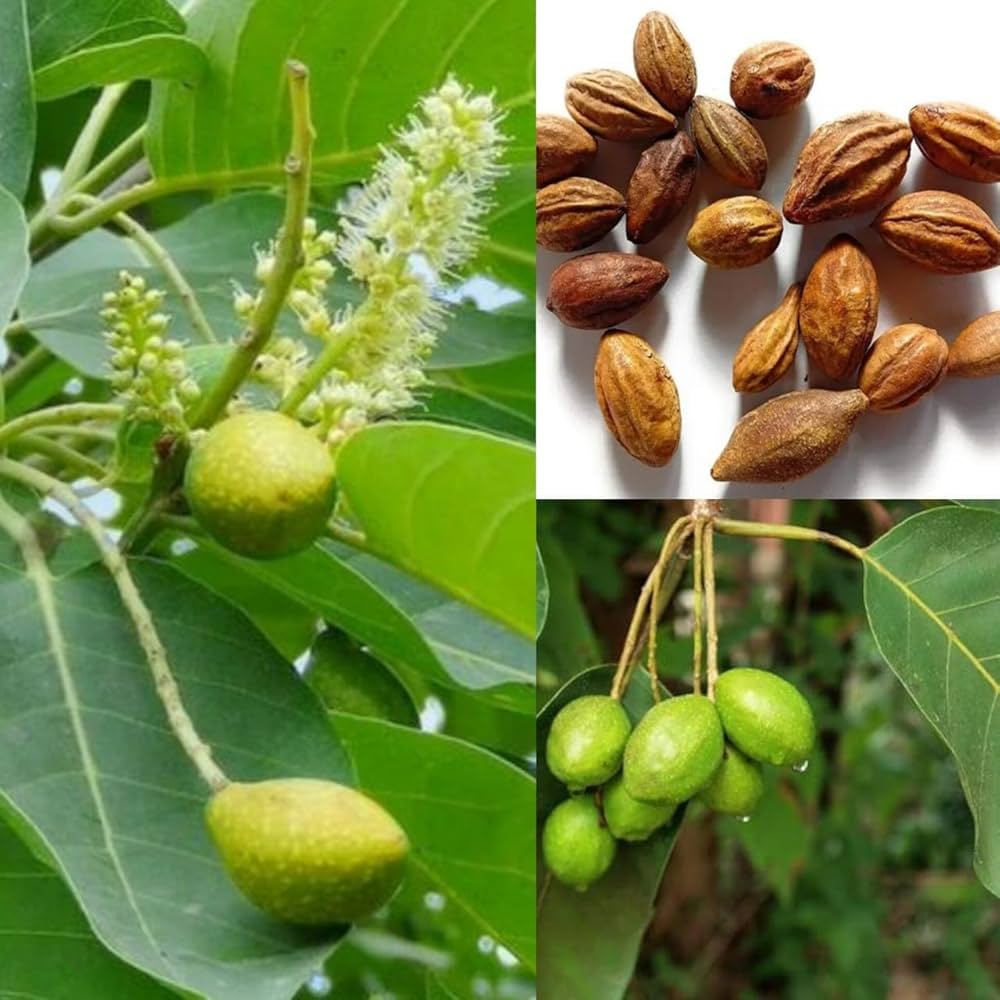
Terminalia chebula,
Combretaceae
Introduction to Haritaki
Haritaki is one of the most important medicinal plants in Ayurveda. It is also known as the “King of Medicines” because of its powerful healing properties. Haritaki has been used in India for thousands of years to treat digestive problems, weak immunity, skin diseases, and many chronic illnesses.
In Ayurvedic texts, Haritaki is praised for balancing the body and improving overall health. It is considered a natural rejuvenator and detoxifier.
Botanical Information
- Botanical Name: Terminalia chebula
- Family: Combretaceae
- Common Names:
- Hindi: Harad / Haritaki
- Sanskrit: Haritaki
- English: Chebulic Myrobalan
Plant Description
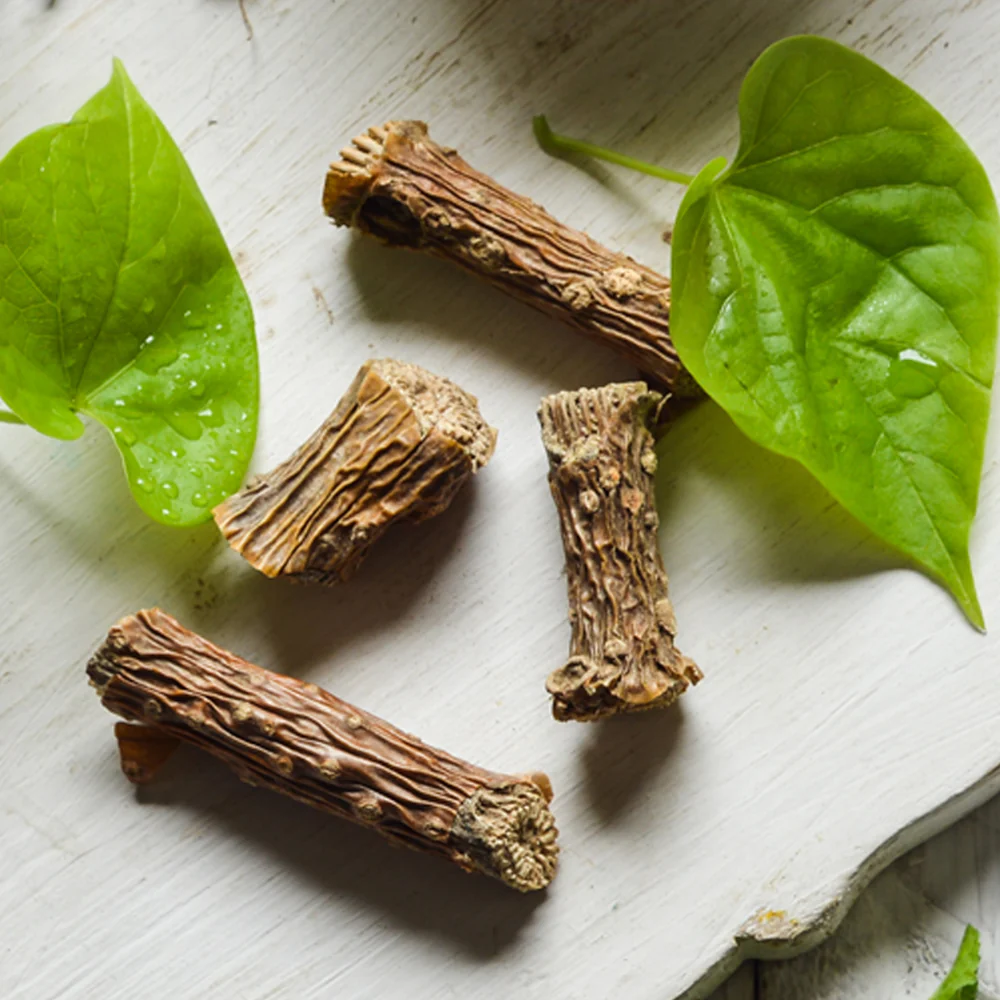
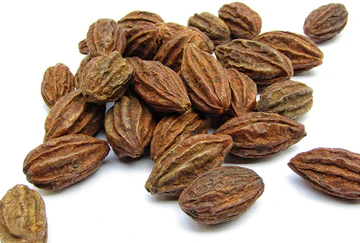
Haritaki is a medium-sized tree found mainly in India, Nepal, Sri Lanka, and Southeast Asia. Its fruits are oval-shaped and green when raw, turning yellowish-brown when ripe. These dried fruits are used for medicinal purposes.
Ayurvedic Properties of Haritaki
According to Ayurveda, Haritaki has special qualities that make it useful for almost every disease.
Rasa (Taste)
- Kashaya (Astringent) – Main
- Madhura (Sweet)
- Amla (Sour)
- Tikta (Bitter)
- Katu (Pungent)
(It has five tastes except salty)
Guna (Quality)
- Laghu (Light)
- Ruksha (Dry)
Virya (Potency)
- Ushna (Hot)
Vipaka (Post-digestive Effect)
- Madhura (Sweet)
Dosha Effect
Haritaki balances:
- Vata
- Pitta
- Kapha
That is why it is called Tridosha Shamak (balances all three doshas).
Nutritional and Chemical Components
Haritaki contains many active compounds such as:
- Chebulinic acid
- Chebulagic acid
- Tannins
- Gallic acid
- Vitamin C
- Flavonoids
- Antioxidants
These compounds give Haritaki its medicinal power.
Health Benefits of Haritaki
1. Improves Digestive System
Haritaki is best known for improving digestion.
Benefits:
- Relieves constipation
- Improves appetite
- Reduces gas and bloating
- Cleans intestines
It works as a mild natural laxative.
2. Detoxifies the Body
Haritaki helps in removing toxins (Ama) from the body.
- Purifies blood
- Improves liver function
- Cleans digestive tract
- Supports kidney health
Regular use keeps the body clean from inside.
3. Boosts Immunity
Haritaki strengthens the immune system.
- Protects from infections
- Increases disease resistance
- Reduces weakness
- Improves energy level
It is very helpful in seasonal diseases.
4. Controls Blood Sugar
Haritaki is useful for diabetic patients.
- Regulates glucose level
- Improves insulin function
- Reduces complications
(Should be used under medical guidance)
5. Improves Skin Health
Haritaki improves skin naturally.
Benefits:
- Reduces acne
- Treats pimples
- Makes skin glow
- Delays aging
Its antioxidant property protects skin cells.
6. Supports Hair Health
Haritaki is good for hair.
- Prevents hair fall
- Reduces dandruff
- Makes hair strong
- Delays premature greying
It is used in many herbal hair oils.
7. Improves Eye Health
In Ayurveda, Haritaki is used for eyesight.
- Reduces eye strain
- Improves vision
- Prevents infections
Haritaki water is sometimes used for eye washing (only under expert advice).
8. Helps in Weight Management
Haritaki improves metabolism.
- Reduces fat
- Improves digestion
- Controls appetite
- Detoxifies body
It supports healthy weight loss.
Uses of Haritaki in Ayurveda
Haritaki is used in many famous Ayurvedic medicines such as:
- Triphala Churna
- Abhayarishta
- Haritaki Churna
- Chyawanprash
It is also used alone as powder, tablet, or decoction.
Forms of Haritaki Available
1. Haritaki Powder (Churna)
Most common form.
2. Haritaki Tablet
Easy to consume.
3. Haritaki Juice / Decoction
Prepared by boiling.
4. Raw Dried Fruit
Chewed directly in some traditions.
Dosage of Haritaki
Always consult an Ayurvedic doctor before long-term use.
General Dosage
| Form | Quantity |
|---|---|
| Powder | 3–5 g daily |
| Tablet | 1–2 tablets |
| Decoction | 20–30 ml |
Best Time to Take
- For constipation → At night with warm water
- For immunity → Morning empty stomach
- For digestion → After meals
How to Use Haritaki at Home
For Constipation
Mix:
- 1 tsp Haritaki powder
- Warm water
Take at night.
For Immunity
Mix:
- Haritaki powder + Honey
Take every morning.
For Skin
Mix:
- Haritaki powder + Rose water
Apply as face pack.
For Hair
Boil Haritaki in water and use as hair rinse.
Side Effects of Haritaki
Haritaki is safe when used properly, but excessive use may cause:
- Loose motion
- Dehydration
- Weakness
- Low blood sugar
Avoid in:
- Pregnancy
- Severe weakness
- Dehydration
- Very low BP
Precautions
- Do not overdose
- Drink enough water
- Buy pure product
- Avoid during fasting
- Consult doctor if on medicine
Importance of Haritaki in Modern Research
Modern science supports many traditional uses of Haritaki. Research shows that it has:
- Antibacterial properties
- Anti-inflammatory effects
- Antioxidant activity
- Anti-diabetic potential
This proves that Ayurveda is scientifically valuable.
Haritaki in Daily Life
Regular use of Haritaki can help in:
- Better digestion
- Strong immunity
- Clean body
- Healthy skin
- Active lifestyle
That is why ancient sages called it “Pathya” – suitable for daily use.
Conclusion
Haritaki is one of the greatest gifts of nature to human health. It balances all doshas, improves digestion, strengthens immunity, and supports overall wellness. Whether used for constipation, skin care, hair health, or detoxification, Haritaki plays an important role in Ayurvedic treatment.
By using Haritaki correctly and regularly, one can live a healthy, energetic, and disease-free life
Vernacular names
Assamese : Shilikha
Bengali : Haritaki
English : Myrobalan
Gujrati : Hirdo, Himaja, Pulo-harda
Hindi : Harre, Harad, Harar
Kannada : Alalekai
Kashmiri : Halela
Malayalam : Katukka
Marathi : Hirda, Haritaki, Harda, Hireda
Oriya : Harida
Punjabi : Halela, Harar
Tamil : Kadukkai
Telugu : Karaka, Karakkaya
Urdu : Halela
